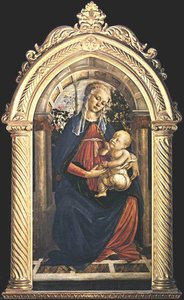
معاينة الحجم الواقعي
 مشاركة
 مشاركة
 التفاصيل
 دليل
دليل

 تحميل الملف
 قطع مشابهة
 الأشعة السينية
 عرض شرائح
 Q&A
Q&A الإحصائيات
Last Communion of St. Jerome


 عرض المزيد
طباعة جيلي / مطبوعات فنية
طباعة جيكلي أو كانفاس بجودة المتاحف، مع سرعة في التنفيذ وخيارات متنوعة للتشطيب. ( شراء لوحة مرسومة يدويًا الانتقال إلى الصورة الرقمية)




P118B E£10

P118H E£10

P118W E£10

P438Z E£10

P508JH E£12

P508YH E£12

P805H E£10

P805Z E£10

P919BZ E£10

P919G E£10

P919XJ E£10

P959ZH E£10

P968JZ E£12

W106C E£8

W218G E£10

W218JH E£8

W218Y E£10

W307PJ E£10

W316G E£10

W316PJ E£8

W316Y E£10

W398PJ E£8

W4111J E£10

W500HY E£15

W500JH E£15

W692G E£12

W849H E£8

W940BG E£15

W953PJ E£8




اختر من بين أحجامنا المُعدّة مسبقاً والتي تتوافق مع النسب الأصلية للعمل الفني.

أدخل العرض والارتفاع المطلوبين ليتناسب المقاس مع إطارك أو جدارك. يرجى الملاحظة أن المطبوعة يمكن قصها فقط ولا يمكن تكبيرها لتتجاوز أبعاد الصورة الأصلية، لذا فإن اختيار مقاس بأبعاد مختلفة سيؤدي إلى فقدان جزء من الصورة. سنرسل لك نموذجاً رقمياً تجريبياً لاعتماده قبل البدء في عملية الطباعة. الصورة المعروضة في هذه الصفحة لا توضح شكل القص الفعلي — النموذج التجريبي فقط هو ما يظهر ذلك بدقة.
توصيل عالمي إلى خلال أسبوعين بدلاً من المدة القياسية البالغة 4/5 أسابيع. (3 نوفمبر)

شحن سريع ومجاني لجميع أنحاء العالم

قماش كتان عالي الجودة

تأمين شامل على الشحن

ضمان استرداد الرسوم الجمركية

ضمان مطابقة الألوان الحقيقية

سياسة الإرجاع خلال 100 يوم (في حالات العيوب فقط)

ضمان استرداد نقدي بنسبة 100%

خصم عند طلب كميات
 خيار الزجاج متاح فقط للمقاسات التي تقل عن 110 سم

Last Communion of St. Jerome
طباعة جيلي / مطبوعات فنية
مقاس النسخة المطبوعة
-


إجمالي السعر النهائي
E£ 4184
A Moment of Grace: Botticelli’s *Last Communion of St. Jerome*
Sandro Botticelli's *Last Communion of St. Jerome*, painted between 1495 and 1500, isn’t merely a depiction of a religious scene; it’s a profound meditation on mortality, faith, and the quiet dignity of suffering. Housed within the Museo Civico in Padua, Italy, this oil-on-panel artwork offers a rare glimpse into the artist's evolving style during the heart of the Early Italian Renaissance – a period marked by an intense reawakening of interest in classical ideals yet firmly rooted in Christian iconography. The painting captures a poignant moment: St. Jerome, nearing his death, receives the Eucharist, a symbolic act representing spiritual nourishment and preparation for the afterlife. Botticelli masterfully uses light and shadow to create a sense of intimacy, drawing the viewer into this deeply personal scene.
The Language of Form and Color
Botticelli’s technical prowess is immediately evident in *Last Communion of St. Jerome*. He employed the oil-on-panel technique with remarkable precision, allowing for a richness of color and detail that was revolutionary at the time. Notice how he renders the textures – the folds of the drapery, the smoothness of the skin, even the delicate leaves of the potted plants flanking the scene. This commitment to naturalism is characteristic of the Renaissance, yet Botticelli imbues it with an ethereal quality, a sense of otherworldly beauty. The palette is restrained but effective: muted earth tones—ochres, browns, and greens—are punctuated by subtle highlights that draw attention to key figures and details. The composition itself is carefully balanced, guiding the eye through the scene from Jerome’s prone form towards the attentive faces surrounding him.
Historical Context and Humanistic Vision
To understand *Last Communion of St. Jerome*, it's crucial to consider the broader context of the Early Renaissance in Italy. The rediscovery of classical antiquity fueled a renewed interest in humanism – an emphasis on human potential, reason, and individual experience. Botticelli’s portrayal of St. Jerome reflects this shift. He isn’t depicted as a remote saint but as a vulnerable human being facing his own mortality. The presence of the attendants, their expressions of concern and devotion, underscores the communal nature of faith and the importance of support in times of suffering. This departure from purely symbolic representation marks a significant step towards a more psychologically nuanced approach to religious subjects – a hallmark of Botticelli’s later work.
Symbolism and Emotional Resonance
Beyond its immediate narrative, *Last Communion of St. Jerome* is rich in symbolism. The potted plants, particularly the one near the top left corner, are often interpreted as representing earthly life and beauty, juxtaposed against the spiritual reality of the scene. The act of receiving communion itself symbolizes a profound connection with God – a merging of the physical and spiritual realms. Botticelli’s skill lies in conveying not just *what* is happening but also *how* it feels. The painting evokes a sense of quiet contemplation, sorrow, and ultimately, hope. It's a testament to the enduring power of faith and the acceptance of life’s inevitable end.
At OriginalUniqueArt.com, we offer meticulously crafted hand-painted reproductions that capture the essence of Botticelli’s masterpiece. Experience the beauty and depth of *Last Communion of St. Jerome* in stunning detail – a timeless work of art for your home or office. Explore our collection of Sandro Botticelli reproductions today.
الأسئلة والأجوبة
ما هي المكانة التاريخية الفنية لـ "Last Communion of St. Jerome" للفنان ساندرو بوتيتشيلي؟
تاريخياً، يُعد "Last Communion of St. Jerome" عملاً ينتمي إلى مدرسة Early Italian Renaissance من عصر Early Medieval الأوسع نطاقاً.
ما هي التقنية والأسلوب اللذان يميزان "Last Communion of St. Jerome" للفنان ساندرو بوتيتشيلي؟
تُنفذ لوحة "Last Communion of St. Jerome" باستخدام Oil On Panel، وبأسلوب Early Italian Renaissance.
هل "Last Communion of St. Jerome" للفنان ساندرو بوتيتشيلي لوحة شخصية، أم طبيعية، أم ذات تكوين مربع؟
تتميز لوحة "Last Communion of St. Jerome" للفنان ساندرو بوتيتشيلي بتكوين Portrait. ويُنصح بمراجعة الأبعاد قبل اختيار حجم الطباعة.
السيرة الذاتية للفنان
ساندرو بوتيتشيلي: شاعر الجمال في عصر النهضة
في قلب فلورنسا، تلك المدينة التي شهدت ولادة عصر النهضة، بزغ نجم ساندرو بوتيتشيلي، الفنان الذي أسر العالم بجماله الأثيري ورؤيته الشعرية. وُلد أليساندرو دي ماريانو فيليببي عام 1445، ليصبح لاحقًا "بوتيتشيلي" نسبةً إلى شقيقه الأصغر، وعاش حياة متجذرة في نسيج المدينة الفني والاجتماعي. لم يبتعد بوتيتشيلي عن حي أوغنيسانتي الذي ولد فيه، مما يعكس ارتباطه الوثيق بجذور عائلته وبيئته الإبداعية. نشأ الفنان في كنف والديه اللذين كانا يعملان في مجال الصباغة والزخرفة، مما أتاح له منذ صغره فرصة التعرف على فنون الحرف اليدوية والتفاصيل الدقيقة التي ستشكل لاحقًا أساس أسلوبه الفني.
تلقى بوتيتشيلي تعليمه الأول في ورشة عمل فنان الذهب ماسو فينغيريرا، قبل أن ينتقل إلى ورشة عمل فرا فيليبّو ليبي، أحد أبرز رسامي فلورنسا. هذه الفترة كانت حاسمة في تشكيل مسيرته الفنية، حيث اكتسب بوتيتشيلي مهارات تقنية أساسية وتعرض لأعمال فنانين بارزين. لم يقتصر تأثير ليبي على الجانب التقني فحسب، بل امتد ليشمل فهم بوتيتشيلي العميق للجماليات الفلورنسية، مما أتاح له تطوير أسلوبه الفريد الذي يميزه عن غيره.
أسلوب فني فريد: بين الخطوط المتدفقة والأساطير الكلاسيكية
يتميز أسلوب بوتيتشيلي بالخطوط المتدفقة والمنحنيات الرشيقة، واستخدامه الدقيق للألوان. لم يكن بوتيتشيلي مجرد فنان، بل كان شاعرًا يترجم الأحلام والأساطير إلى لوحات آسرة. جمع بين تقاليد العصر القوطي المتأخر وروح عصر النهضة الناشئة، مستوحيًا إلهامه من أعمال فنانين عظماء مثل فرا أنجليكو وباولو أوتشيللو. تجسد شخصياته في لوحاته هالة من الهدوء والجمال الأثيري، وغالبًا ما تصور بأبعاد متطاولة ووقفة رشيقة تعكس السكينة والتأمل. لم يقتصر بوتيتشيلي على تصوير المشاهد الدينية التقليدية، بل انغمس في عالم الأساطير الكلاسيكية، مستوحياً موضوعاته من قصص الحب والجمال الروحي التي شكلت جوهر الفكر الإنساني في عصر النهضة.
استخدم بوتيتشيلي تقنيات مبتكرة في عصره، مثل طريقة الرسم بالقلم الفضي تحت الطلاء، مما أضفى على أعماله إشراقًا ووضوحًا. كما استخدم طلاء التيمبرا الذي سمح له بتحقيق دقة فائقة في التفاصيل وألوان زاهية. في سنواته الأخيرة، جرب استخدام الألوان الزيتية التي وسعت نطاق تعبيره الفني.
أعمال خالدة: من "ولادة فينوس" إلى "ربيع"
تتربع لوحة "ولادة فينوس" على عرش أعمال بوتيتشيلي، فهي تجسيد حي للجمال الإنساني والانسجام. تصويره لإلهة الحب والجمال وهي تخرج من صدفة بحرية، يمثل قمة الفن في عصر النهضة. وبالمثل، فإن لوحة "ربيع" هي تحفة فنية معقدة وغامضة تحتفي بقدوم الربيع والحب، وتضم شخصيات رمزية مستوحاة من الأساطير الكلاسيكية. هذه الأعمال تعكس إتقان بوتيتشيلي للتركيب اللوني والقدرة على خلق عمق جوي وإبراز المشاعر الإنسانية.
شهدت مسيرة بوتيتشيلي الفنية مراحل متميزة، ففي سبعينيات القرن الخامس عشر ركز على تصوير الموضوعات الدينية، وطور مهاراته التقنية. أما الثمانينيات فقد كانت ذروة إبداعه، حيث أنتج أشهر أعماله الأسطورية. ومع ذلك، شهدت التسعينيات من القرن الخامس عشر تحولاً في أسلوبه، تأثرًا بوعظات جييرلامو سافونارولا المتشددة التي دعت إلى التوبة والتخلص من مظاهر البذخ والفساد.
إرث فني: من النسيان إلى إعادة الاكتشاف
بعد وفاة بوتيتشيلي عام 1510، تضاءل نجمه تدريجيًا، وظلت أعماله مهمشة لعدة قرون. ولكن في القرن التاسع عشر، شهدت أعماله نهضة فنية بفضل حركة ما قبل رافائيلية التي أعادت اكتشاف قيمته الفنية وأهميته التاريخية. أدرك الفنانون من هذه الحركة الجمال الفريد في لوحات بوتيتشيلي، وقدروا خطوطه الرشيقة وألوانه الزاهية وحساسيته الشعرية.
اليوم، يحتل ساندرو بوتيتشيلي مكانة مرموقة بين أعظم فناني عصر النهضة. تُعرض أعماله في أهم المتاحف حول العالم، وتستقطب عشاق الفن من جميع أنحاء العالم. يظل بوتيتشيلي رمزًا للإنجاز الفني الفلورنسي ودليلًا على قوة الإنسانية في إلهام الجمال والإبداع.
أهم الأعمال
- ولادة فينوس (حوالي 1486): تجسيد حي للجمال الإنساني.
- ربيع (حوالي 1482): لوحة أسطورية تحتفي بقدوم الربيع والحب.
- تجلّي السحرة (1475-1476): يظهر إتقان بوتيتشيلي للتركيب والمنظور.
- الولادة المقدسة (1501): تعكس تحولًا نحو الموضوعات الروحية في سنواته الأخيرة.
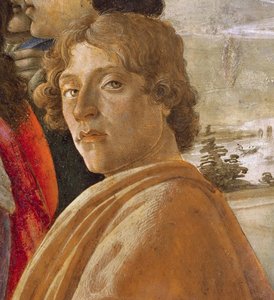
ساندرو بوتيتشيلي
1445 - 1510 , إيطاليا
حقائق سريعة
- Artistic Movement Or Style: الرينيسانس المبكر
- Artists Who Influenced This Artist: ['فرا فيليبو ليبي']
- Date Of Birth: مائة وأربعون وخمس وعشرون
- Date Of Death: خمس عشرة ومائة وعشرون
- Full Name: Alessandro di Mariano Filipepi
- Nationality: إيطالي
- Notable Artworks: ['فينوس ولُوث"، "الربيع"، "تمجيد المماليك']
- Place Of Birth: فلورنسا، إيطاليا
مقالات ذات صلة
أفضل 10 روائع رسمت عصر النهضة المبكرة: تحف فنية لتزيين منزلك
اكتشف روائع عصر النهضة المبكرة! استكشف 10 تحف فنية خالدة مع ليوناردو و مايكل أنجلو. قصص الفنانين، تقنيات الرسم، وأكثر. احصل على لوحات زيتية عالية الجودة من OriginalUniqueArt.com وابدأ رحلتك الفنية الآن!

أروع 25 لوحة لساندرو بوتيتشيلي: تحف فنية تزين منزلك بجمال عصر النهضة
اكتشف أروع 25 لوحة لساندرو بوتيتشيلي، فنان عصر النهضة الإيطالي. استمتع بقصص التحف الفنية وألوان الباستيل الخالدة. طباعة لوحات عالية الجودة لديكور منزلك على OriginalUniqueArt.com

The Enduring Legacy of Oil on Canvas: Technique, History & Aesthetic Impact
Explore the rich history & techniques of oil painting – from Renaissance masters to Impressionism. Discover pigments, layering methods, and why this timeless medium endures. Expert insights for artists & art enthusiasts.

Oil on Canvas: A Historical & Technical Exploration of a Timeless Artistic Medium
Explore the rich history & enduring techniques of oil painting on canvas. Discover the science behind its longevity, conservation practices, and contemporary relevance. Expert insights for art enthusiasts.

The Enduring Power of Painting: A Historical & Contemporary Exploration of Form and Emotion
Explore the rich history & enduring techniques of oil painting with OriginalUniqueArt. Discover masterpieces, learn about art collecting, and find authentic handmade reproductions crafted by skilled artists.