معاينة الحجم الحقيقي
 مشاركة
 مشاركة
 التفاصيل

 تحميل الملف
 قطع مشابهة
 الأشعة السينية
 عرض شرائح
 الإحصائيات
Calumny of Apelles
 Tempera On Panel
- WallArt
- Early Renaissance
 1495
1495- Renaissance
 91.0 x 62.0 cm
 عرض المزيد
طباعة جيلي / مطبوعات فنية
طباعة جيكلي أو كانفاس بجودة المتاحف، مع سرعة في التنفيذ وخيارات متنوعة للتشطيب. ( اشترِ لوحة مرسومة يدويًا الانتقال إلى الصورة الرقمية)




P118B $10

P118H $10

P118W $10

P438Z $10

P508JH $12

P508YH $12

P805H $10

P805Z $10

P919BZ $10

P919G $10

P919XJ $10

P959ZH $10

P968JZ $12

W106C $8

W218G $10

W218JH $8

W218Y $10

W307PJ $10

W316G $10

W316PJ $8

W316Y $10

W398PJ $8

W4111J $10

W500HY $15

W500JH $15

W692G $12

W849H $8

W940BG $15

W953PJ $8




اختر من بين أحجامنا المُعدّة مسبقًا والتي تتطابق مع النسب الأصلية للعمل الفني.

يمكنك إدخال أبعادك الخاصة لتناسب إطاراً أو مساحة معينة. وإذا لم يتطابق الحجم الذي اخترته مع نسب الصورة الأصلية، فسنقوم إما بقص العمل الفني أو تمديد الصورة باستخدام حافة معكوسة أو بلون مصمت. سيتم إرسال نموذج تجريبي رقمي لاعتمادك قبل بدء الإنتاج.
يرجى ملاحظة أن المعاينة على الشاشة لا تعكس عملية القص أو التمديد الفعلية؛ حيث سيوضح النموذج التجريبي فقط التكوين النهائي بدقة.
وعلى الرغم من توفر أحجام مخصصة، إلا أننا نوصي باختيار أبعاد من القائمة المحددة مسبقاً للحفاظ على النسب الأصلية.
توصيل عالمي إلى خلال أسبوعين بدلاً من المدة القياسية البالغة 4/5 أسابيع. 18 سبتمبر

شحن سريع ومجاني لجميع أنحاء العالم

قماش كتان عالي الجودة

تأمين شحن شامل

ضمان استرداد الرسوم الجمركية

ضمان مطابقة الألوان الحقيقية

سياسة الإرجاع خلال 100 يوم (في حالات العيوب فقط)

ضمان استرداد نقدي بنسبة 100%

خصم عند طلب عدة قطع
 خيار الزجاج متاح فقط للمقاسات التي تقل عن 110 سم

Calumny of Apelles
طباعة جيلي / مطبوعات فنية
مقاس النسخة المطبوعة
-


السعر الإجمالي النهائي
$ 80
A Silent Drama of Moral Corruption
In the heart of the Italian Renaissance, amidst the turbulent streets of Florence, Sandro Botticelli captured a moment of profound psychological tension that transcends the boundaries of time. His masterpiece, Calumny of Apelles, completed around 1495, is far more than a mere painting; it is a visceral meditation on the corrosive nature of deceit and the fragility of truth. The scene unfolds as a complex allegory, drawing inspiration from the ancient writings of Lucian to depict a moment where virtue is besieged by vice. As one gazes upon this tempera on wood panel, there is an immediate sense of being a witness to a silent, unfolding tragedy—a social catastrophe where whispers carry the weight of destruction.
The composition is a masterclass in narrative movement, guiding the viewer’s eye through a chaotic yet meticulously organized procession of figures. At the center of this storm lies a woman, cast down and vulnerable, surrounded by a crowd that embodies the very essence of human frailty. Botticelli utilizes his signature graceful lines and an ethereal, delicate palette to mask the darker themes of the work, creating a haunting contrast between the beauty of the execution and the ugliness of the subject matter. The figures are arranged with a rhythmic precision that directs attention toward the central conflict, ensuring that the viewer cannot escape the emotional gravity of the accusation taking place.
The Language of Symbolism and Renaissance Spirit
To understand the Calumny of Apelles is to decode a sophisticated language of symbols designed to provoke deep contemplation. Botticelli weaves together classical mythology and contemporary moral anxieties, creating a tapestry of meaning that would have been intimately understood by the Florentine elite. The painting features personifications of complex human emotions: Ignorance and Suspicion drive the narrative forward, while the figure of Slander acts as the catalyst for the injustice being portrayed. Even the presence of King Midas—identifiable by his donkey ears—serves as a biting critique of gullibility and the lack of discernment in leadership.
This work was birthed during a period of intense religious and social upheaval in Florence, marked by the fervent preaching of Savonarola. As the city grappled with shifts in humanist ideals and moral reform, Botticelli’s commitment to classical allegory provided a way to discuss ethics and justice through a timeless lens. The use of tempera allows for a remarkable luminosity, where every subtle tonal shift contributes to the atmospheric tension. For the discerning collector or interior designer, this painting offers more than just visual splendor; it provides a profound intellectual anchor, bringing a sense of historical depth and philosophical weight to any curated space.
An Eternal Inspiration for the Modern Collector
For those seeking to adorn their environments with art that speaks to the soul, the Calumny of Apelles offers an unparalleled opportunity. Its enduring power lies in its ability to evoke empathy and reflection, making it a centerpiece that invites conversation and lingering thought. Whether placed in a grand gallery or a sophisticated private study, a high-quality reproduction of this Botticelli masterpiece serves as a window into the Renaissance spirit—a period where art was used not just to decorate, but to define the very essence of human morality.
Owning a piece of this magnitude is an investment in cultural heritage. The delicate interplay of light and shadow, the intricate details of the classical drapery, and the profound emotional resonance make it a timeless choice for those who appreciate art that challenges the mind as much as it delights the eye. It remains a testament to Botticelli’s unparalleled ability to transform a literary legend into a living, breathing drama of the human condition.
السيرة الذاتية للفنان
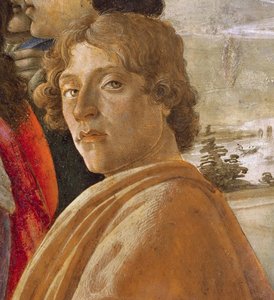
ساندرو بوتيتشيلي: شاعر الجمال في عصر النهضة
في قلب فلورنسا، تلك المدينة التي شهدت ولادة عصر النهضة، بزغ نجم ساندرو بوتيتشيلي، الفنان الذي أسر العالم بجماله الأثيري ورؤيته الشعرية. وُلد أليساندرو دي ماريانو فيليببي عام 1445، ليصبح لاحقًا "بوتيتشيلي" نسبةً إلى شقيقه الأصغر، وعاش حياة متجذرة في نسيج المدينة الفني والاجتماعي. لم يبتعد بوتيتشيلي عن حي أوغنيسانتي الذي ولد فيه، مما يعكس ارتباطه الوثيق بجذور عائلته وبيئته الإبداعية. نشأ الفنان في كنف والديه اللذين كانا يعملان في مجال الصباغة والزخرفة، مما أتاح له منذ صغره فرصة التعرف على فنون الحرف اليدوية والتفاصيل الدقيقة التي ستشكل لاحقًا أساس أسلوبه الفني.
تلقى بوتيتشيلي تعليمه الأول في ورشة عمل فنان الذهب ماسو فينغيريرا، قبل أن ينتقل إلى ورشة عمل فرا فيليبّو ليبي، أحد أبرز رسامي فلورنسا. هذه الفترة كانت حاسمة في تشكيل مسيرته الفنية، حيث اكتسب بوتيتشيلي مهارات تقنية أساسية وتعرض لأعمال فنانين بارزين. لم يقتصر تأثير ليبي على الجانب التقني فحسب، بل امتد ليشمل فهم بوتيتشيلي العميق للجماليات الفلورنسية، مما أتاح له تطوير أسلوبه الفريد الذي يميزه عن غيره.
أسلوب فني فريد: بين الخطوط المتدفقة والأساطير الكلاسيكية
يتميز أسلوب بوتيتشيلي بالخطوط المتدفقة والمنحنيات الرشيقة، واستخدامه الدقيق للألوان. لم يكن بوتيتشيلي مجرد فنان، بل كان شاعرًا يترجم الأحلام والأساطير إلى لوحات آسرة. جمع بين تقاليد العصر القوطي المتأخر وروح عصر النهضة الناشئة، مستوحيًا إلهامه من أعمال فنانين عظماء مثل فرا أنجليكو وباولو أوتشيللو. تجسد شخصياته في لوحاته هالة من الهدوء والجمال الأثيري، وغالبًا ما تصور بأبعاد متطاولة ووقفة رشيقة تعكس السكينة والتأمل. لم يقتصر بوتيتشيلي على تصوير المشاهد الدينية التقليدية، بل انغمس في عالم الأساطير الكلاسيكية، مستوحياً موضوعاته من قصص الحب والجمال الروحي التي شكلت جوهر الفكر الإنساني في عصر النهضة.
استخدم بوتيتشيلي تقنيات مبتكرة في عصره، مثل طريقة الرسم بالقلم الفضي تحت الطلاء، مما أضفى على أعماله إشراقًا ووضوحًا. كما استخدم طلاء التيمبرا الذي سمح له بتحقيق دقة فائقة في التفاصيل وألوان زاهية. في سنواته الأخيرة، جرب استخدام الألوان الزيتية التي وسعت نطاق تعبيره الفني.
أعمال خالدة: من "ولادة فينوس" إلى "ربيع"
تتربع لوحة "ولادة فينوس" على عرش أعمال بوتيتشيلي، فهي تجسيد حي للجمال الإنساني والانسجام. تصويره لإلهة الحب والجمال وهي تخرج من صدفة بحرية، يمثل قمة الفن في عصر النهضة. وبالمثل، فإن لوحة "ربيع" هي تحفة فنية معقدة وغامضة تحتفي بقدوم الربيع والحب، وتضم شخصيات رمزية مستوحاة من الأساطير الكلاسيكية. هذه الأعمال تعكس إتقان بوتيتشيلي للتركيب اللوني والقدرة على خلق عمق جوي وإبراز المشاعر الإنسانية.
شهدت مسيرة بوتيتشيلي الفنية مراحل متميزة، ففي سبعينيات القرن الخامس عشر ركز على تصوير الموضوعات الدينية، وطور مهاراته التقنية. أما الثمانينيات فقد كانت ذروة إبداعه، حيث أنتج أشهر أعماله الأسطورية. ومع ذلك، شهدت التسعينيات من القرن الخامس عشر تحولاً في أسلوبه، تأثرًا بوعظات جييرلامو سافونارولا المتشددة التي دعت إلى التوبة والتخلص من مظاهر البذخ والفساد.
إرث فني: من النسيان إلى إعادة الاكتشاف
بعد وفاة بوتيتشيلي عام 1510، تضاءل نجمه تدريجيًا، وظلت أعماله مهمشة لعدة قرون. ولكن في القرن التاسع عشر، شهدت أعماله نهضة فنية بفضل حركة ما قبل رافائيلية التي أعادت اكتشاف قيمته الفنية وأهميته التاريخية. أدرك الفنانون من هذه الحركة الجمال الفريد في لوحات بوتيتشيلي، وقدروا خطوطه الرشيقة وألوانه الزاهية وحساسيته الشعرية.
اليوم، يحتل ساندرو بوتيتشيلي مكانة مرموقة بين أعظم فناني عصر النهضة. تُعرض أعماله في أهم المتاحف حول العالم، وتستقطب عشاق الفن من جميع أنحاء العالم. يظل بوتيتشيلي رمزًا للإنجاز الفني الفلورنسي ودليلًا على قوة الإنسانية في إلهام الجمال والإبداع.
أهم الأعمال
- ولادة فينوس (حوالي 1486): تجسيد حي للجمال الإنساني.
- ربيع (حوالي 1482): لوحة أسطورية تحتفي بقدوم الربيع والحب.
- تجلّي السحرة (1475-1476): يظهر إتقان بوتيتشيلي للتركيب والمنظور.
- الولادة المقدسة (1501): تعكس تحولًا نحو الموضوعات الروحية في سنواته الأخيرة.
ساندرو بوتيتشيلي
1445 - 1510 , إيطاليا
حقائق سريعة
- Artistic Movement Or Style: الرينيسانس المبكر
- Artists Who Influenced This Artist: ['فرا فيليبو ليبي']
- Date Of Birth: مائة وأربعون وخمس وعشرون
- Date Of Death: خمس عشرة ومائة وعشرون
- Full Name: Alessandro di Mariano Filipepi
- Nationality: إيطالي
- Notable Artworks: ['فينوس ولُوث"، "الربيع"، "تمجيد المماليك']
- Place Of Birth: فلورنسا، إيطاليا
مقالات ذات صلة
Illuminating History: A Comprehensive Exploration of Tempera Painting Techniques & Artistic Legacy
Explore the rich history & techniques of tempera painting! Discover Renaissance masters like Botticelli & Fra Angelico, conservation insights, and the enduring legacy of this captivating art form.
أروع 25 لوحة لساندرو بوتيتشيلي: تحف فنية تزين منزلك بجمال عصر النهضة
اكتشف أروع 25 لوحة لساندرو بوتيتشيلي، فنان عصر النهضة الإيطالي. استمتع بقصص التحف الفنية وألوان الباستيل الخالدة. طباعة لوحات عالية الجودة لديكور منزلك على OriginalUniqueArt.com
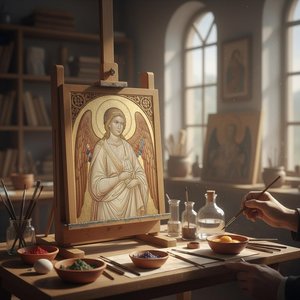
Tempera on Panel: Unveiling the Timeless Techniques and Sacred Artistry of the Old Masters
Unveil the sacred secrets of egg tempera on panel. Journey through the technical mastery and profound artistry of the Old Masters, from Giotto to Botticelli. An essential educational guide for Renaissance art enthusiasts seeking deep historical insight and expertise.
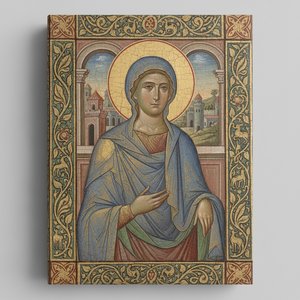
Tempera's Timeless Legacy: 10 Masterpieces That Revolutionized Art | OriginalUniqueArt
Journey through 10 legendary tempera on panel masterpieces by Giotto, Duccio & Botticelli. Explore the history, symbolism & enduring beauty of these iconic artworks. Find museum-quality reproductions for your home at OriginalUniqueArt.com.
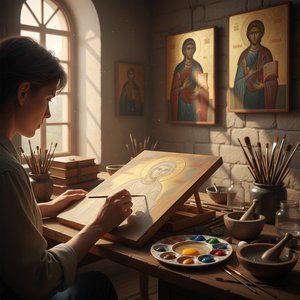
Illuminating Surfaces: A Comprehensive Exploration of Tempera on Panel Painting Techniques & Historical Significance
Explore the rich history & techniques of tempera painting! Discover Renaissance masters like Botticelli & Fra Angelico, conservation insights, and the enduring legacy of this captivating art form. Learn more now!