
 مشاركة
 مشاركة
 التفاصيل
 دليل
دليل

 تحميل الملف
 قطع مشابهة
 عرض شرائح
 الأسئلة والأجوبة
 الإحصائيات
Untitled

- 23.0 x 28.0 cm


 عرض المزيد
طباعة جيلي / مطبوعات فنية
طباعة جيكلي أو كانفاس بجودة المتاحف، مع سرعة في التنفيذ وخيارات متنوعة للتشطيب. ( شراء لوحة مرسومة يدويًا الانتقال إلى الصورة الرقمية)




































اختر من بين أحجامنا المُعدّة مسبقاً والتي تتوافق مع النسب الأصلية للعمل الفني.

أدخل العرض والارتفاع المطلوبين ليتناسب المقاس مع إطارك أو جدارك. يرجى الملاحظة أن المطبوعة يمكن قصها فقط ولا يمكن تكبيرها لتتجاوز أبعاد الصورة الأصلية، لذا فإن اختيار مقاس بأبعاد مختلفة سيؤدي إلى فقدان جزء من الصورة. سنرسل لك نموذجاً رقمياً تجريبياً لاعتماده قبل البدء في عملية الطباعة. الصورة المعروضة في هذه الصفحة لا توضح شكل القص الفعلي — النموذج التجريبي فقط هو ما يظهر ذلك بدقة.
توصيل عالمي إلى خلال أسبوعين بدلاً من المدة القياسية البالغة 4/5 أسابيع. (10 نوفمبر)

شحن سريع ومجاني لجميع أنحاء العالم

قماش كتان عالي الجودة

تأمين شامل على الشحن

ضمان استرداد الرسوم الجمركية

ضمان مطابقة الألوان الحقيقية

سياسة الإرجاع خلال 100 يوم (في حالات العيوب فقط)

ضمان استرداد نقدي بنسبة 100%

خصم عند طلب كميات
 خيار الزجاج متاح فقط للمقاسات التي تقل عن 110 سم

Untitled
طباعة جيلي / مطبوعات فنية
مقاس النسخة المطبوعة
-


إجمالي السعر النهائي
E£ 4265
A Moment Frozen in Monochrome
In this evocative black and white photograph from 1865, the viewer is transported into a realm of profound stillness and spiritual contemplation. The subject, an untitled sculpture of Jesus Christ, stands with arms outstretched toward the heavens, perched atop a rugged stone pedestal. Captured by the pioneering eye of Samuel Dixon Bourne, the image transcends mere documentation, becoming a poetic meditation on faith and permanence. The stark contrast of the monochrome palette emphasizes the textures of the marble or concrete, lending the figure a monumental weight that feels both ancient and eternal. There is a palpable sense of reaching—a silent, visual prayer captured in a single, breathless moment of light and shadow.
The composition masterfully balances the divine subject with its architectural surroundings. In the background, the rhythmic presence of windows suggests the solemnity of a church or a religious institution, providing a structured, human-made backdrop to the organic, soaring gesture of the statue. The inclusion of two solitary benches, flanking the scene, invites the observer to imagine themselves sitting in this very space, lost in thought. This careful arrangement creates an atmosphere of peace, where the boundaries between the physical world and the spiritual realm seem to blur, making it a piece that resonates deeply with anyone seeking tranquility within their surroundings.
The Visionary Eye of Samuel Dixon Bourne
To understand the depth of this work, one must consider the historical context provided by its creator. Samuel Dixon Bourne was not merely a photographer but a chronicler of grandeur. Emerging from a background of classical studies and banking, Bourne brought a disciplined yet deeply sensitive approach to the photographic medium during the Victorian era. His ability to capture the interplay of light on stone and the architectural dignity of his subjects reflects a mastery of early photographic techniques. This specific work, dating back to 1865, showcases his talent for finding the sublime within the structured environments of his time.
For the discerning collector or interior designer, this reproduction offers more than just a visual element; it provides a focal point of historical significance and emotional gravity. The piece possesses a timeless elegance that complements both classical and contemporary interiors. Whether placed in a quiet study, a minimalist gallery space, or a grand hallway, the photograph serves as a window into the nineteenth century—a sophisticated tribute to the enduring power of religious iconography and the artistry of early photography. It is an invitation to pause, to breathe, and to reconnect with the quiet majesty of the past.
الأسئلة والأجوبة
ما مدى تناغم الألوان في "Untitled" للفنان صمويل ديكسون بورن؟
تتجلى في ألوان "Untitled" للفنان صمويل ديكسون بورن تناغماً Unified Palette؛ حيث يصف هذا التناغم كيفية ترابط الألوان وتفاعلها مع بعضها البعض.
ما هو الشعور الذي تثيره ألوان "Untitled" للفنان صمويل ديكسون بورن؟
تجمع لوحة "Untitled" للفنان صمويل ديكسون بورن بين مجموعة ألوان Neutrals ونبرة Spiritual.
هل يمكن إعادة إنتاج صورة "Untitled" للفنان صمويل ديكسون بورن بحرية؟
حالة حقوق الطبع والنشر لـ "Untitled" للفنان صمويل ديكسون بورن: العمل يقع ضمن ملك عام - انتهت مدة حماية حقوق الطبع والنشر الخاصة به، وهو ما يحدد مدى إمكانية إعادة إنتاج الصورة بحرية.
السيرة الذاتية للفنان
رؤية من خلال العدسة: حياة صمويل ديكسون بورن
صمويل ديكسون بورن (1834–1912) لم يكن مجرد مؤرخ للمناظر الطبيعية، بل كان رائداً أعاد صياغة المفردات البصرية لإمبراطورية بأكملها. ولد بورن في نياسدن بالمملكة المتحدة، وتشكّلت بدايات حياته تحت وطأة الانضباط الذي فرضه التعليم الكلاسيكي، ومع ذلك، ظل قلبه معلقاً بوسيط التصوير الفوتوغرافي الناشئ آنذاك. ورغم أن مسيرته المهنية بدأت في العالم المستقر والمضمون للخدمات المصرفية في بنك "مور آند روبنسون" في نوتنغهام، إلا أن نداء الفنون البصرية كان عصياً على المقاومة. وقد مثل هذا الانتقال من دفاتر الحسابات إلى العدسة بداية رحلة عميقة قادته في نهاية المطالب بعيداً عن رفاهية إنجلترا نحو المساحات الغنية ثقافياً والمغمورة بأشعة الشمس في شبه القارة الهندية. ومع نمو براعته التقنية، تعاظمت سمعته كمعلم ومثقف داخل مجتمع التصوير الفوتوغرافي؛ فلم يكن بورن مجرد ممارس للهواية، بل كان عالماً في الضوء والكيمياء، يساهم بمقالات ورؤى ثاقبة في المجلات البارزة في العصر الفيكتوري. وقد سمح له فهمه العميق لتقنيات التصوير بتجاوز حدود التوثيق البسيط، ساعياً بدلاً من ذلك إلى التقاط الجوهر السامي للعالم الطبيعي. وتوج هذا السعي وراء الاستثنائي بقراره التحولي بالتخلي عن مسيرته المصرفية تماماً، والإبحار نحو الهند—وهي خطوة ستغير مسار التصوير الاستعماري إلى الأبد.فجر "بورن و شيبارد" والملحمة الهندية
عند وصوله إلى كلكتا في عام 1863، شرع بورن في واحدة من أهم المشاريع التعاونية في تاريخ التصوير الفوتوغرافي. فبجانب تشارلز شيبارد، أسس استوديوهات بورن و شيبارد الأسطورية، وهي الشراكة التي أصبحت مرادفة للهوية البصرية للهند البريطانية. كانت عملياتهم عبقرية من الناحية الاستراتيجية، حيث امتدت من الملاذات الضبابية في المرتفعات العالية بمدينة شيملا إلى شوارع كلكتا الصاخبة والرطبة. وقد سمح هذا الوجود المزدوج لبورن باستكشاف عالمين متمايزين ولكنهما ساحران بنفس القدر: العظمة المهيبة والواسعة لمناظر جبال الهيمالايا، والدراسات المعمارية الدقيقة التي تركز على الإنسان في المراكز الحضرية. وتعمل أعماله خلال هذه الفترة كنافذة تحبس الأنفاس على حقبة غابرة؛ فمن خلال عدسته، تم تجسيد النطاق الصرحي للإمبراطورية المغولية بدقة متناهية ورقي شاعري. قد يتأمل المرء دراسته المعمارية الرسمية، تاج محل من زاوية الساحة الرباعية، ليشهد الطريقة الدقيقة التي استخدم بها الضوء لإبراز التفاصيل المعقدة للفن المغولي. إن قدرته على التقاط التفاعل بين الظل والحجر حولت النصب التذكارية الساكنة إلى تواريخ حية، مما جعله سيد عملية "الفوتوجراف" (الطباعة الفوتوغرافية) وأحد أبرز موثقي الروعة المعمارية في ذلك العصر.إرث الضوء وتوثيق حضارة
بعيداً عن النصب التذكارية الكبرى، امتلك بورن حساسية نادرة لنبض الحياة اليومية؛ حيث امتدت مجموعته الفوتوغرافية لتشمل الزوايا الحميمة للحياة الحضرية الهندية، ملتقطة الطاقة النابضة في شوارع مثل بومباي، شارع سعيد ميمون. وفي هذه التكوينات بالأبيض والأسود، ينتقل المشاهد إلى ستينيات القرن التاسع عشر، ليشهد الحركة والتجارة والنسيج الاجتماعي للهند الاستعمارية. إن هذه القدرة على الموازنة بين الملحمي والحميم—التقاط القمم الشاهقة لجبال الهيمالايا والسكون الروحي الهادئ لتمثال المسيح في بيئة مسالمة—هي ما يميز نتاجه الفني عن معاصريه. لا يمكن المبالغة في الأهمية التاريخية لصمويل ديكسون بورن؛ فهو لم يكتفِ بالتقاط الصور فحسب، بل أنشأ أرشيفاً بصرياً يظل مورداً لا غنى عنه للمؤرخين والمهندسين المعماريين وعشاق الفن على حد سواء. ويقف عمله شاهداً على قدرة الوسيط الفوتوغرافي على جسر المسافات والعصور. ومن خلال تفانيه في التقاط جمال وثقافة وتعقيد الهند، ترك بورن وراءه إرثاً من الضوء يستمر في إنارة فهمنا لعالم القرن التاسع عشر، مما يضمن أن تظل عظمة الماضي متاحة للأبد للحاضر.
صمويل ديكسون بورن
1834 - 1912 , المملكة المتحدة
حقائق سريعة
- Artistic Movement Or Style: التصوير الفوتوغرافي للمناظر الطبيعية في العصر الفيكتوري
- Artists Or Movements Influenced By This Artist: ['التحميض الفوتوغرافي (Photogravure)']
- Artists Who Influenced This Artist: ['ويليام هنري فوكس تالبوت']
- Date Of Birth: 1834
- Date Of Death: 1912
- Full Name: صمويل ديكسون بورن
- Nationality: بريطاني
- Notable Artworks:
- ضريح بايجاه
- مجموعة من البهوتيا، دارجيلنغ
- التصاميم الداخلية لمسجد موتي، قلعة أغرا
- ماروشيتي
- ضريح إعتمد الدولة
- بومباي، شارع سعيد ميمون
- تاج محل من زاوية الساحة
- Place Of Birth: نياسدن، المملكة المتحدة
مقالات ذات صلة

Pictorialism: A Search for Artistic Photography's Soul – Aesthetics, Techniques & Legacy
Explore the captivating world of Pictorialism – a pivotal movement that transformed photography into fine art. Discover key artists like Stieglitz & Käsebier, techniques, and collecting tips from experts.

The Lens of Truth: A Comprehensive History and Legacy of Documentary Photography
Explore the profound history of documentary photography. From early daguerreotypes to social reform movements, discover how the lens captures truth, preserves vanishing cultures, and shapes our global visual narrative through an expert art-historical lens.

Beyond the Lens: Photography's Enduring Influence on Modern & Contemporary Art
Explore photography's pivotal role in shaping modern & contemporary art. Discover key movements, influential artists like Stieglitz, and expert collecting advice from OriginalUniqueArt.
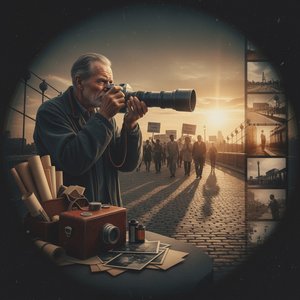
Witnessing History Through Lens & Light: Documentary Photography's Enduring Legacy
Explore the powerful history of documentary photography – from its origins to contemporary masters like Gordon Parks & W. Eugene Smith. Discover how this art form shapes our understanding of society and witness pivotal moments in time.

Monochrome Visions: Exploring the Aesthetic & Historical Significance of Black & White Photography
Explore the rich history & artistic power of black and white photography. From early techniques to iconic masters like Ansel Adams, discover why monochrome continues to captivate art lovers today. Expert insights for collectors.