

 معاينة الحجم الحقيقي
 مشاركة
 مشاركة
 التفاصيل

 تحميل الملف
 قطع مشابهة
 الأشعة السينية
 عرض شرائح
 الإحصائيات
Paranoia (Surrealist Figures)


 عرض المزيد
طباعة جيلي / مطبوعات فنية
طباعة جيكلي أو كانفاس بجودة المتاحف، مع سرعة في التنفيذ وخيارات متنوعة للتشطيب. ( اشترِ لوحة مرسومة يدويًا الانتقال إلى الصورة الرقمية)




P118B $10

P118H $10

P118W $10

P438Z $10

P508JH $12

P508YH $12

P805H $10

P805Z $10

P919BZ $10

P919G $10

P919XJ $10

P959ZH $10

P968JZ $12

W106C $8

W218G $10

W218JH $8

W218Y $10

W307PJ $10

W316G $10

W316PJ $8

W316Y $10

W398PJ $8

W4111J $10

W500HY $15

W500JH $15

W692G $12

W849H $8

W940BG $15

W953PJ $8




اختر من بين أحجامنا المُعدّة مسبقًا والتي تتطابق مع النسب الأصلية للعمل الفني.

يمكنك إدخال أبعادك الخاصة لتناسب إطاراً أو مساحة معينة. وإذا لم يتطابق الحجم الذي اخترته مع نسب الصورة الأصلية، فسنقوم إما بقص العمل الفني أو تمديد الصورة باستخدام حافة معكوسة أو بلون مصمت. سيتم إرسال نموذج تجريبي رقمي لاعتمادك قبل بدء الإنتاج.
يرجى ملاحظة أن المعاينة على الشاشة لا تعكس عملية القص أو التمديد الفعلية؛ حيث سيوضح النموذج التجريبي فقط التكوين النهائي بدقة.
وعلى الرغم من توفر أحجام مخصصة، إلا أننا نوصي باختيار أبعاد من القائمة المحددة مسبقاً للحفاظ على النسب الأصلية.
توصيل عالمي إلى خلال أسبوعين بدلاً من المدة القياسية البالغة 4/5 أسابيع. 17 سبتمبر

شحن سريع ومجاني لجميع أنحاء العالم

قماش كتان عالي الجودة

تأمين شحن شامل

ضمان استرداد الرسوم الجمركية

ضمان مطابقة الألوان الحقيقية

سياسة الإرجاع خلال 100 يوم (في حالات العيوب فقط)

ضمان استرداد نقدي بنسبة 100%

خصم عند طلب عدة قطع
 خيار الزجاج متاح فقط للمقاسات التي تقل عن 110 سم

Paranoia (Surrealist Figures)
طباعة جيلي / مطبوعات فنية
مقاس النسخة المطبوعة
-


السعر الإجمالي النهائي
$ 80
Paranoia (Surrealist Figures): A Descent into the Subconscious
Salvador Dalí’s “Paranoia (Surrealist Figures),” painted in 1944, isn't merely a landscape; it’s an immersive journey into the fractured psyche. Born from the anxieties of wartime Europe and deeply rooted in Dalí’s exploration of Freudian psychoanalysis, this work represents a pivotal moment in his artistic evolution – a deliberate plunge into the realm of paranoia and subjective experience. The painting immediately confronts the viewer with a desolate, almost lunar landscape, dominated by a stark, ochre-colored sky and a barren terrain punctuated by unsettlingly distorted forms. It’s a scene designed not to offer comfort or clarity, but rather to evoke a sense of disorientation and unease – a feeling perfectly aligned with the title's core concept.
Dalí meticulously crafted this world using his signature meticulous technique, honed over years of practice. The precision of each brushstroke, the careful rendering of textures—from the dry, cracked earth to the shimmering heat haze—creates an illusionistic depth that draws the eye into the scene’s unsettling details. He employed a restricted palette of warm browns, yellows, and reds, intensifying the feeling of isolation and amplifying the psychological drama. The use of oil paint allowed for layering and blending, creating subtle gradations of color and light that contribute to the painting's dreamlike quality.
The Language of Symbols: Deconstructing Reality
“Paranoia (Surrealist Figures)” is a rich tapestry of symbolic imagery, reflecting Dalí’s fascination with Freudian concepts of the subconscious. The prominent red figure in the foreground, resembling a distorted chair, immediately commands attention. This isn't simply an object; it represents a sense of oppressive authority and perhaps even a self-imposed confinement – a visual manifestation of paranoia itself. The elongated sailboat, adrift on the dry land, symbolizes lost hope or a yearning for escape, while the translucent veil draped over a form suggests hidden desires and obscured identities. The scattered figures throughout the landscape—some standing, some seated, others lying prone—represent fragmented memories and distorted perceptions.
Dalí himself described his artistic process as “paranoiac-critical method,” a technique he developed to access his own subconscious mind. This involved systematically analyzing his thoughts and images, identifying recurring patterns and symbols, and then translating them into visual form. “Paranoia (Surrealist Figures)” is a prime example of this method in action – a deliberate attempt to externalize the internal chaos of a paranoid state. The painting isn’t about depicting a literal landscape; it's about representing the *feeling* of paranoia, its distortions and anxieties.
Historical Context & Dalí’s Surrealist Journey
Created in 1944, during the tumultuous years of World War II, “Paranoia (Surrealist Figures)” reflects a broader cultural climate marked by uncertainty, fear, and disillusionment. Surrealism, as a movement, emerged in response to the horrors of war and the perceived failures of rational thought. Dalí’s work aligns perfectly with this spirit, offering a visual antidote to the logic-driven world of the time. It's important to note that Dalí was deeply influenced by Sigmund Freud’s theories on psychoanalysis, particularly his exploration of dreams and the unconscious mind.
Following his departure from Spain in 1940 due to the rise of Franco, Dalí spent much of this period in America, enjoying considerable commercial success. However, he returned to Spain in 1948, embracing a more conservative outlook and aligning himself with the Catholic Church. This shift is reflected in some of his later works, which often incorporated religious imagery and themes. “Paranoia (Surrealist Figures)” represents a transitional period in Dalí’s career, bridging the gap between his earlier, more overtly subversive Surrealist paintings and his later, more introspective and spiritually-oriented work.
Emotional Resonance & Artistic Legacy
“Paranoia (Surrealist Figures)” is not a painting to be passively observed; it demands engagement. It evokes a profound sense of unease, disorientation, and perhaps even a touch of melancholy. The painting’s unsettling imagery lingers in the mind long after viewing, prompting reflection on the nature of reality, perception, and the hidden depths of the human psyche. Dalí's masterful manipulation of color, form, and symbolism creates an experience that is both visually arresting and emotionally resonant.
Today, “Paranoia (Surrealist Figures)” remains a cornerstone of Dalí’s oeuvre and a powerful example of Surrealism at its most evocative. Reproductions offer a remarkable opportunity to bring this extraordinary artwork into your home or office, allowing you to experience the unsettling beauty and profound psychological insights that lie within its dreamlike landscape.
السيرة الذاتية للفنان
سلفادور دالي: رحلة في متاهات اللاوعي
سلفادور دومينغو فيليبي جاكينتو دالي إي دومينش، الاسم الذي يتردد صداه مع السريالية، وُلد في 11 مايو 1904 في بلدة فيغيريس المشمسة بإسبانيا. لم تكن حياته مقدرة لتكون عادية، بل كانت حياة مُصممة بعناية كأداء فني، واستكشاف لللاوعي البشري تجسد من خلال صور مذهلة ومهارة تقنية فائقة. طغى الظل على طفولته؛ فقد شقيقه الأكبر، الذي حمل نفس الاسم، قبل تسعة أشهر فقط من ولادته، وهو صدمة ستعمق أعماله بمواضيع الثنائية والاستبدال. أضافت هذه التجربة المؤلمة، إلى جانب علاقته المعقدة بوالده المتشدد العملي وأمّه المُدللة، شخصية تجمع بين البهرجة والتأمل العميق. منذ سن مبكرة، أظهر دالي موهبة فنية استثنائية، تم تنميتها من خلال التدريب الرسمي في أكاديمية سان فرناندو للفنون الجميلة في مدريد. ومع ذلك، كان اللقاء المحوري مع الرسم الحديث – وخاصة أعمال الانطباعيين والأساتذة النهضاريين – هو الذي أشعل بداخله رغبة حقيقية في كسر التقاليد وصياغة طريقه الفريد.
باريس: نقطة تحول وولادة رؤية سريالية
أثبتت رحلته إلى باريس عام 1926 أنها مُغيّرة، حيث غمره قلب الحركة الفنية الطليعية. انجذب إلى روح التمرد في الدادائية، ورفض المنطق واحتضان العبثية، مما صدى مع ميوله الفنية الناشئة. والأهم من ذلك، أن باريس كانت المكان الذي تبنى فيه السريالية بالكامل، حيث تواصل مع شخصيات رئيسية مثل أندريه بريتون وبابلو بيكاسو – الذي كان دالي يعظمه بشدة – وخوان ميرو. لم يكن هذا اللقاء مجرد تبني لأسلوب؛ بل أحدث دالي ثورة في الحركة نفسها. طور ما أسماه "المنهج المجنون النقدي"، وهي حالة من الهوس الذاتي تهدف إلى إطلاق العنان للصور المخفية في العقل اللاواعي. سمحت له هذه التقنية بترجمة الأحلام والقلق والرموز الشخصية العميقة إلى لوحات بدقة مذهلة وتفاصيل دقيقة. والنتيجة كانت عالمًا يسكنه الساعات الذائبة، والظلال الممتدة، والشخصيات المشوهة، والمقارنات الغريبة – وهي علامات مميزة لأسلوبه الذي يميزه على الفور. الإصرار على الذاكرة، التي اكتملت في عام 1931، تظل ربما عمله الأكثر شهرة، حيث تجسد الاستكشاف السريالي لمرونة الوقت وهشاشة الذاكرة وحتمية التدهور.
ما وراء اللوحة: فنان غزير الإنتاج ومتعدد الأوجه
تجاوزت مساهمات دالي الفنية حدود الرسم. كان فنانًا غزير الإنتاج بشكل ملحوظ، حيث انطلق إلى النحت والسينما – ولا سيما التعاون مع ألفريد هيتشكوك في Spellbound ووالت ديزني – والفنون الرسومية وتصميم المجوهرات وحتى تصميم المسرح. لم يقتصر اهتمامه على الوسائط الفنية التقليدية؛ فقد استكشف حدود الفن التجاري، حيث صمم إعلانات ونوافذ عرض. تخللت أعماله رموزًا متكررة: النمل التي ترمز إلى التحلل، والبيض التي تمثل الحياة قبل الولادة والأمل، والعصي التي تشير إلى الدعم والهشاشة، والأدراج التي توحي بأسرار مخفية، والأشياء الذائبة التي تجسد عدم استقرار الواقع. لم تكن هذه الرموز اعتباطية؛ بل كانت شخصية بعمق، متجذرة في قلقه ورغباته وذكرياته الخاصة. أعمال مثل مقبرة جولييت، واستكشاف مؤثر لـ "الفقدان"، وMannequin (Barcelona Mannequin)، الذي يعكس هوسًا بالاصطناعية والهوية، ومنظر طبيعي مع ذباب، وهو تصوير مزعج للزوال، تُظهر اتساع ونطاق اهتماماته الموضوعية. سمحت له مهارته التقنية الدقيقة، التي صقلها على مر السنين، بتصوير هذه الرؤى الخيالية بواقعية تصويرية، مما زاد من قوتها المزعجة.
غرابة الأطوار والإرث والتأثير الدائم
على مر حياته، رعى دالي شخصية غريبة الأطوار مثل فنه. لقد تبنى الترويج الذاتي، مدركًا قوة العرض في جذب انتباه الجمهور. كان زواجه من غالا إيلوارد في عام 1934 نقطة تحول حاسمة، ليس فقط على المستوى الشخصي ولكن أيضًا على المستوى الفني؛ فقد أصبحت موسه ومديرة أعماله ومؤيدة لا تتزعزع. وعلى الرغم من أن سنواته الأخيرة اتسمت بمشاريع تجارية متزايدة واحتضان أحيانًا للنظام الفرنكي، إلا أن إرثه الفني يظل هائلاً. توفي في 23 يناير 1989، تاركًا وراءه عملًا مستمرًا يتحدى ويستفز ويلهم. يقف متحف دالي في سانت بطرسبرغ، فلوريدا، كشهادة على جاذبيته الدائمة، حيث يضم مجموعة واسعة تسمح للزوار بالانغماس في عالم هذا الفنان الاستثنائي. تجاوز دالي حدود الفن ليصبح رمزًا ثقافيًا وتأثيره يمكن رؤيته في الموضة والسينما والإعلان والثقافة الشعبية. إنه أحد أبرز فناني القرن العشرين – وهو مُرئي حقيقي تجرأ على استكشاف أعماق اللاوعي وترجمة أسراره إلى لوحات ليرى العالم بأسره.
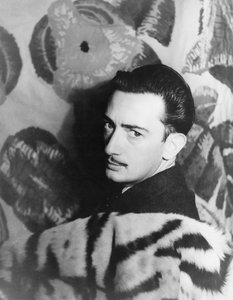
سلفادور دالي
1904 - 1989 , إسبانيا
حقائق سريعة
- Artistic Movement Or Style: سريالية
- Artists Who Influenced This Artist: ['كوبيسم"، "دادًا"، "باولو بيكا']
- Date Of Birth: ١٩٠٤ مايو ١١
- Date Of Death: ١٩٨٩ يناير ٢٣
- Full Name: سالڤادور دومينغو فيليب جاكوتو دالِي إي دونيمِنه
- Nationality: إسبانية
- Notable Artworks: ['ذا بيرسِستيِنْس أوف ميموري"، "جولييتز تومب"، "مينيون"، "لاندسكيب ويذ فليس']
- Place Of Birth (City And Country): فيغويريس، إسبانيا
مقالات ذات صلة
أعمال سلفادور دالي الخالدة: 25 تحفة فنية تزين منزلك بلمسة سريالية
اكتشف 25 تحفة فنية لسلفادور دالي، رائد السريالية. استكشف قصص لوحاته الشهيرة وتقنياته الفريدة وألوانه الزيتية المميزة. احصل على نسخ عالية الجودة لديكور منزلي فاخر على OriginalUniqueArt.com
Salvador Dalí: Surrealism, Subconscious Exploration & Artistic Innovation
Explore the captivating world of Salvador Dalí! Discover his surrealist masterpieces, profound connection to Freud's theories, and lasting impact on art & culture. A deep dive into a visionary artist.
أعلى 10 روائع تحدد حركة السريالية: فن وإلهام لديكور من OriginalUniqueArt
اكتشف روائع حركة السريالية! استكشف 10 لوحات خالدة لدالي، ماغritte وغيرهم. قصص الفنانين، تقنيات فريدة وأكثر مع OriginalUniqueArt.com – وجهتك للتحف الفنية وإعادة الإنتاج عالية الجودة. تسوق الآن!

Decoding Dalí: The Paranoiac-Critical Method and Surrealist Symbols Explained
Master the complexities of Salvador Dalí's work. Explore the Paranoiac-Critical Method, decode iconic Surrealist symbols, and understand the psychological depth behind his technical brilliance in this expert art history guide designed for students and collectors.
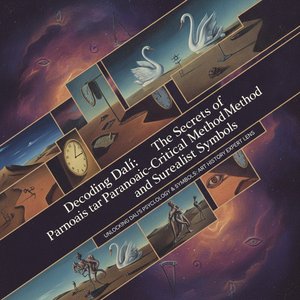
Decoding Dalí: The Secrets of the Paranoiac-Critical Method and Surrealist Symbols
Unlock the mysteries of Salvador Dalí. Explore the profound secrets behind his Paranoiac-Critical Method and decode the surrealist symbols that define his legendary dreamscapes in this expert art history guide.


