

 إرسال
إرسال مشاركة
 عرض التفاصيل
 دليل الأعمال الفنية للطلاب

 تحميل
تحميل
 قطع مشابهة
 عرض شرائح متتابع
 Q&A
Q&A الإحصائيات
Watts Towers


 اقرأ المزيد
إن العمل الفني المعروض في هذه الصفحة محمي بموجب قوانين حقوق الطبع والنشر، مما يعني أنه لا يحق لنا قانوناً إنشاء أو بيع نسخ مطابقة له. وتُطبق هذه الحماية بموجب الاتفاقيات الدولية مثل الـ اتفاقية برن ووفقاً للقوانين الوطنية، بما في ذلك تلك المنصوص عليها في قانون حقوق الطبع والنشر في الولايات المتحدة - الباب 17.
تتوافق هذه الطريقة تماماً مع لوائح حقوق النشر لأنها لا تتضمن نسخ أو تكرار العمل الفني المحمي، بل هي إعادة تفسير إبداعية؛ أي أنها لوحة جديدة مستوحاة من الأصل ولكنها ليست مطابقة له.
طباعة جيلي / مطبوعات فنية
طباعة جيكلي أو كانفاس بجودة المتاحف، مع سرعة في التنفيذ وخيارات متنوعة للتشطيب. ( اطلب نسخة مرسومة يدويًا التحويل إلى الصورة الرقمية)




































اختر من بين أحجامنا المُعدّة مسبقاً والتي تتوافق مع النسب الأصلية للعمل الفني.

أدخل العرض والارتفاع اللذين تحتاجهما، ليتناسب مع إطارك أو جدارك. يمكن قص المطبوعة فقط، ولا يمكن أبداً جعلها أكبر من الصورة الأصلية، لذا فإن أي مقاس بشكل مختلف سيؤدي إلى فقدان جزء من الصورة. سنرسل لك نموذجاً رقمياً تجريبياً لاعتماده قبل البدء في عملية الطباعة. الصورة المعروضة في هذه الصفحة لا توضح القص الفعلي — النموذج التجريبي فقط هو ما يظهر ذلك.
توصيل عالمي إلى خلال أسبوعين بدلاً من المدة القياسية البالغة 4/5 أسابيع. (29 أكتوبر)

شحن سريع ومجاني لجميع أنحاء العالم

قماش كتان فاخر

تأمين شامل على الشحن

ضمان استرداد الرسوم الجمركية

ضمان دقة مطابقة الألوان

سياسة الإرجاع خلال 100 يوم (في حالات العيوب فقط)

ضمان استرداد نقدي بنسبة 100%

عرض خصم الكميات
 خيار الزجاج متاح فقط للمقاسات التي تقل عن 110 سم

Watts Towers
طباعة جيلي / مطبوعات فنية
مقاس النسخة المطبوعة
-


إجمالي السعر
E£ 4167
A Monument of Memory and Grit
In the heart of Los Angeles stands a testament to human perseverance and the boundless reach of the creative spirit: the Watts Towers. Captured in this evocative 1954 photograph, the structures emerge from the urban landscape like skeletal cathedrals, their steel armatures reaching toward the sky with an almost organic grace. This black and white window into the past reveals a moment when the towers, known as Nuestro Pueblo, were still deeply embedded in the daily rhythm of the neighborhood. The image captures more than just architecture; it captures a sense of quiet awe, where the towering silhouettes of Sabato Rodia’s creation loom over the mundane street life, bridging the gap between the earthly and the divine.
The composition of this photograph invites the viewer to wander through a vanished era. As we gaze upon the interplay of light and shadow across the concrete and steel, we see the early stages of what would become one of the world's most significant examples of outsider art. The presence of passersby near the base of these giants provides a profound sense of scale, reminding us that while the towers are monumental, they were born from a deeply personal, human endeavor. For the collector or designer, this image offers a sophisticated study in texture and form, making it an ideal centerpiece for spaces that celebrate historical depth and architectural intrigue.
The Alchemy of Found Objects
To understand the Watts Towers is to understand the concept of art brut—the art of the outsider. Sabato Rodia, an Italian immigrant, transformed discarded fragments of urban life into a mosaic masterpiece. Though this photograph captures the structural bones of the towers, it hints at the incredible complexity of the surfaces that would eventually be encrusted with sea shells, broken glass, ceramic tiles, and repurposed ceramics. The technique is one of pure alchemy: turning the refuse of a growing metropolis into a shimmering, textured skin that catches the light in a thousand different directions.
The historical context of this 1954 capture is vital; it represents a period of transition for Los Angeles. Rodia spent over three decades—from 1921 to 1954—meticulously building these structures, often working alone with little more than steel rebar and wire mesh. This photograph serves as a hauntingly beautiful record of that labor. For those looking to decorate a space with pieces that evoke a sense of "found beauty," this artwork provides an unparalleled narrative of transformation. It is a celebration of the idea that nothing is truly lost, only waiting to be reimagined through the lens of artistic vision.
An Emotional Legacy for Modern Spaces
Beyond their physical presence, the Watts Towers carry a heavy emotional weight. They are symbols of identity, heritage, and the immigrant experience. The name Nuestro Pueblo—Our Town—speaks to a sense of community and belonging that transcends the individual creator. When integrating a reproduction of this work into an interior design scheme, one is not merely adding a photograph; one is introducing a conversation about resilience and the enduring power of the human hand. The stark contrast of the monochrome palette allows the architectural geometry to shine, making it a versatile choice for both minimalist modern galleries and more eclectic, storied living rooms.
For the discerning art lover, this piece acts as an anchor of authenticity. It evokes a nostalgia not just for a time period, but for a way of creating that is tactile, slow, and deeply intentional. Whether placed in a professional studio or a private study, the 1954 photograph of the Watts Towers serves as a constant reminder that greatness can be built from the simplest of materials, provided there is enough passion to bind them together.
الأسئلة والأجوبة
من أي بلد ينتمي عمل Outsider Art بعنوان "Watts Towers"؟
أبدع ساباتو روديا لوحة "Watts Towers"، وهو من مواليد إيطاليا، وذلك ضمن حركة Outsider Art. وتربط أصول الفنان هذا العمل بحركة Outsider Art كما يمارسها فنانون من إيطاليا.
أين يمكنني شراء نسخة مرسومة يدوياً من "Watts Towers" للفنان ساباتو روديا؟
تتوفر نسخة "Watts Towers" المرسومة يدوياً عبر نسخة زيتية مرسومة يدوياً على قماش الكتان. ويمكن تقديم الطلب من خلال صفحة نسخة زيتية مرسومة يدوياً، مع إمكانية اختيار أحجام مختلفة.
هل يتوفر عرض مسبق بتقنية الواقع المعزز لـ "Watts Towers"؟
يمكنك معاينة "Watts Towers" للفنان ساباتو روديا على جدارك الخاص عبر صفحة معاينة الواقع المعزز الخاصة بالعمل الفني، وذلك باستخدام تقنية الواقع المعزز على جهاز متوافق.
نبذة عن الفنان
الحياة المبكرة والمسيرة المهنية
ساباتو روديا، المعروف أيضاً باسم سايمون روديا، كان مهاجراً إيطالياً استقر في الولايات المتحدة. وُلد في مدينة سيرينو بإيطاليا عام 1879، وقضى معظم حياته في لوس أنجلوس، حيث شيد أبراج واتس؛ تلك المجموعة المذهلة التي تضم 17 برجاً نحتياً مترابطاً، وهياكل معمارية، وعناصر نحتية فردية وفسيفساء ساحرة.أبراج واتس: تحفة من فن الهواة
تُعد أبراج واتس نموذجاً فريداً لما يُعرف بالفن الخارجي (أو الفن الخام) والفن الفطري الإيطالي الأمريكي. صممها وبناها روديا بمفرده على مدار 33 عاماً، في الفترة الممتدة من 1921 إلى 1954، حيث يصل ارتفاع أطول برج فيها إلى 99.5 قدماً (30.3 متراً). ويشكل الموقع الآن جزءاً من منتزه سايمون روديا التاريخي الحكومي، وهو معلم تاريخي وثقافي في لوس أنجلوس، وأحد المواقع التسعة للفن الشعبي المدرجة في السجل الوطني للأماكن التاريخية في لوس أنجلوس.التصميم والبناء
اعتمدت هياكل روديا في بنائها على قضبان حديد التسليح، المغلفة بشبكة سلكية، والمزينة بمجموعة من الأشياء التي عثر عليها، بما في ذلك الزجاجات، وبلاط السيراميك، والأصداف البحرية، والتماثيل الصغيرة، والمرايا، وغيرها من المقتنيات. كما دمج في الدعامات الرئيسية قطعاً من البورسلين والبلاط والزجاج لتضفي بريقاً خاصاً على العمل. [https://AllPaintៃnsStore.com/@@/d4csx7-sabato-rodia-watts-towers](لوحة للفنان 'ساباتو روديا' | ساباتو روديا: أبراج واتس (فن عام في الأماكن العامة (كاليفورنيا، الولايات المتحدة)، نحت))الإرث والحفاظ على التراث
تم تصنيف أبراج واتس كمعلم تاريخي وطني ومعلم تاريخي لولاية كاليفورنيا في عام 1990. ويوفر [https://en.wikipedia.org/wiki/watts_towers](ويكيبيديا: أبراج واتس) مزيداً من المعلومات حول تاريخ الموقع وجهود الحفاظ عليه.- حقائق رئيسية:
- ولد في سيرينو، إيطاليا عام 1879
- قضى معظم حياته في لوس أنجلوس
- شيد أبراج واتس على مدار 33 عاماً (1921-1954)
- تم تصنيفه كمعلم تاريخي وطني ومعلم تاريخي لكاليفورنيا في عام 1990
- فنانون ذوو صلة:
- [https://OriginalUniqueArt.com/@/carlo-jeannerat](الفنان: كارلو جينيرات)
- [https://OriginalUniqueArt.com/@/michelangelo-buonarroti](الفنان: ميكيلانجيلو بوناروتي)
- لوحات ذات صلة:
- [https://OriginalUniqueArt.com/@@/d4csx7-sabato-rodia-watts-towers](لوحة للفنان 'ساباتو روديا' | ساباتو روديا: أبراج واتس)
- [https://OriginalUniqueArt.com/@@/9gg6g7-michelangelo-buonarroti-the-conversion-of-saul-(detail-)](لوحة للفنان 'ميكيلانجيلو بوناروتي' | ميكيلانجيلو بوناروتي: تحول بول (تفاصيل))
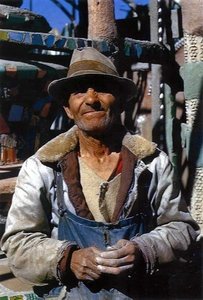
ساباتو روديا
1879 - 1965 , إيطاليا
لمحة سريعة
- Artistic Movement Or Style: التعبيرية، السريالية
- Artists Or Movements Influenced By This Artist:
- باوهاوس
- السريالية
- Artists Who Influenced This Artist:
- ليوناردو دا فينشي
- فاسيلي كاندينسكي
- Date Of Birth: 18 ديسمبر 1879
- Date Of Death: 29 يونيو 1940
- Full Name: باول كلي
- Nationality: سويسري ألماني
- Notable Artworks:
- أنجيلوس نوفوس
- سينيتشيو
- آلة التغريد
- Place Of Birth: مونشنبوخزي، سويسرا
مقالات ذات صلة

The Enduring Form: Sculpture Across History, Technique & Emotional Resonance
Explore the rich history of sculpture with OriginalUniqueArt. Discover key techniques, influential artists & investment potential for discerning collectors. Expert insights into valuing and collecting timeless masterpieces.
الإرث الدائم للنحت البرونزي: تاريخ، تقنيات، وتفسيرات معاصرة
استكشف تاريخ النحت البرونزي وتقنياته العريقة، من صب الشمع المفقود إلى التحف المعاصرة. دليل شامل لجامعي الفن والمستثمرين والمهتمين بتقييم الأعمال الفنية.

Bronze Age to Modern Masters: 10 Sculptures That Redefined Art | OriginalUniqueArt
Journey through art history with 10 legendary bronze sculptures – from Michelangelo's David to Rodin’s Thinker. Explore the stories, techniques & timeless beauty of these masterpieces. Find museum-quality reproductions & elevate your home decor on OriginalUniqueArt.com.

The Enduring Form: Exploring Themes & Techniques in Sculpture Across Historical Periods
Explore the rich history of sculpture from ancient masterpieces to contemporary innovations. Discover key techniques, influential artists & investment potential for discerning art collectors.

Bronze Sculptures That Defined Art History | OriginalUniqueArt
Journey through art history with our Top 10 bronze sculptures! Explore masterpieces by Rodin, Michelangelo & more. Discover stories behind iconic statues and find museum-quality reproductions for your home decor at OriginalUniqueArt.com.