معاينة الحجم الواقعي
 إرسال
إرسال مشاركة
 عرض التفاصيل
 دليل الأعمال الفنية للطلاب

 تحميل
تحميل
 قطع مشابهة
 الأشعة السينية
 عرض شرائح متتابع
 Q&A
Q&A الإحصائيات
Temple of apollo


 اقرأ المزيد
إن العمل الفني المعروض في هذه الصفحة محمي بموجب قوانين حقوق الطبع والنشر، مما يعني أنه لا يحق لنا قانوناً إنشاء أو بيع نسخ مطابقة له. وتُطبق هذه الحماية بموجب الاتفاقيات الدولية مثل الـ اتفاقية برن ووفقاً للقوانين الوطنية، بما في ذلك تلك المنصوص عليها في قانون حقوق الطبع والنشر في الولايات المتحدة - الباب 17.
تتوافق هذه الطريقة تماماً مع لوائح حقوق النشر لأنها لا تتضمن نسخ أو تكرار العمل الفني المحمي، بل هي إعادة تفسير إبداعية؛ أي أنها لوحة جديدة مستوحاة من الأصل ولكنها ليست مطابقة له.
طباعة جيلي / مطبوعات فنية
طباعة جيكلي أو كانفاس بجودة المتاحف، مع سرعة في التنفيذ وخيارات متنوعة للتشطيب. ( اطلب نسخة مرسومة يدويًا التحويل إلى الصورة الرقمية)




P118B E£10

P118H E£10

P118W E£10

P438Z E£10

P508JH E£12

P508YH E£12

P805H E£10

P805Z E£10

P919BZ E£10

P919G E£10

P919XJ E£10

P959ZH E£10

P968JZ E£12

W106C E£8

W218G E£10

W218JH E£8

W218Y E£10

W307PJ E£10

W316G E£10

W316PJ E£8

W316Y E£10

W398PJ E£8

W4111J E£10

W500HY E£15

W500JH E£15

W692G E£12

W849H E£8

W940BG E£15

W953PJ E£8




اختر من بين أحجامنا المُعدّة مسبقاً والتي تتوافق مع النسب الأصلية للعمل الفني.

أدخل العرض والارتفاع اللذين تحتاجهما، ليتناسب مع إطارك أو جدارك. يمكن قص المطبوعة فقط، ولا يمكن أبداً جعلها أكبر من الصورة الأصلية، لذا فإن أي مقاس بشكل مختلف سيؤدي إلى فقدان جزء من الصورة. سنرسل لك نموذجاً رقمياً تجريبياً لاعتماده قبل البدء في عملية الطباعة. الصورة المعروضة في هذه الصفحة لا توضح القص الفعلي — النموذج التجريبي فقط هو ما يظهر ذلك.
توصيل عالمي إلى خلال أسبوعين بدلاً من المدة القياسية البالغة 4/5 أسابيع. (30 أكتوبر)

شحن سريع ومجاني لجميع أنحاء العالم

قماش كتان فاخر

تأمين شامل على الشحن

ضمان استرداد الرسوم الجمركية

ضمان دقة مطابقة الألوان

سياسة الإرجاع خلال 100 يوم (في حالات العيوب فقط)

ضمان استرداد نقدي بنسبة 100%

عرض خصم الكميات
 خيار الزجاج متاح فقط للمقاسات التي تقل عن 110 سم

Temple of apollo
طباعة جيلي / مطبوعات فنية
مقاس النسخة المطبوعة
-


إجمالي السعر
E£ 4182
A Temple Transformed: Roy Lichtenstein’s Echo of Antiquity
Roy Lichtenstein's "Temple of Apollo," painted in 1964, isn’t merely a depiction of classical architecture; it’s a deliberate and fascinating collision between ancient grandeur and the burgeoning visual language of Pop Art. The painting presents a simplified, almost schematic rendering of a temple – specifically, one reminiscent of the Temple of Apollo at Delphi, a site steeped in myth and prophecy – set against a backdrop of a subtly rendered mountain range. This juxtaposition immediately establishes an intriguing tension: the monumental scale and inherent solemnity of the Greek temple are playfully disrupted by Lichtenstein’s signature techniques.
The composition is strikingly clean and reductive. Four stark white pillars dominate the foreground, their geometric forms echoing the precision of comic book panels. These aren't the weathered, textured columns of a centuries-old structure; they possess an almost manufactured quality, hinting at Lichtenstein’s deliberate rejection of traditional artistic representation. The background, painted with broad, flat washes of color – primarily blues and greens – creates a sense of distance and atmospheric perspective, though it lacks the detailed realism one would expect in a landscape painting. This simplification is key to understanding Lichtenstein's approach: he wasn’t aiming for photographic accuracy but rather to distill the essence of the subject down to its most recognizable elements.
The Language of Pop: Ben-Day Dots and Comic Influence
Lichtenstein’s distinctive style hinges on his masterful use of Ben-Day dots – tiny, colored squares that mimic the halftone printing technique used in commercial comics. This technique, borrowed from advertising and mass media, injects a vibrant, almost artificial quality into the painting. The white pillars aren't painted; they are constructed from these meticulously placed dots, creating an illusion of volume and texture. The effect is simultaneously familiar and slightly unsettling – it’s a recognizable image presented through a deliberately unconventional method.
Furthermore, the composition subtly references comic book panels. The clear delineation between foreground and background, the flattened perspective, and the overall sense of immediacy are all hallmarks of the sequential art form. Lichtenstein was deeply influenced by these sources, viewing them as a reflection of contemporary American culture – a culture increasingly dominated by mass media and consumerism. He wasn’t simply copying comic book imagery; he was using it to critique the very nature of representation and artistic value.
Myth, Modernity, and the Echoes of Delphi
The choice of the Temple of Apollo as a subject is particularly significant. The temple at Delphi held immense religious and cultural importance in ancient Greece, serving as a center for prophecy and oracle consultations. Apollo himself was a complex deity – associated with light, music, and order, but also with madness and disease. Lichtenstein’s painting can be interpreted as an exploration of the relationship between classical mythology and modern society.
By presenting this ancient temple in such a simplified and stylized manner, Lichtenstein invites us to consider how our understanding of history and tradition is shaped by contemporary visual culture. The stark white pillars stand in contrast to the weathered stone of the original temple, suggesting a shift in values – from reverence for the past to a fascination with the present. The mountain range in the background subtly alludes to the mythical origins of Delphi, grounding the scene within a broader narrative of ancient legend.
A Reproduction Worthy of Display
OriginalUniqueArt offers meticulously crafted hand-painted reproductions of "Temple of Apollo," capturing the essence of Lichtenstein’s unique style with exceptional detail and fidelity. Each reproduction is created by skilled artists who understand the nuances of Lichtenstein's technique, ensuring that every Ben-Day dot is faithfully rendered. Whether you are a seasoned art collector or simply seeking to add a touch of Pop Art flair to your interior design, our reproductions provide an authentic and engaging representation of this iconic work. Explore the collection today and bring the spirit of Lichtenstein’s temple into your space.
الأسئلة والأجوبة
ما مدى تناغم الألوان في لوحة "Temple of apollo" للفنان روي ليختنشتاين؟
يُصنف التناغم اللوني لـ "Temple of apollo" على أنه Softly Mixed Palette.
ما هي الاستخدامات الموصى بها لنسخة مطبوعة من "Temple of apollo" للفنان روي ليختنشتاين؟
الاستخدام المقترح لـ "Temple of apollo" للفنان روي ليختنشتاين هو Focal، كما يمكن استخدامه لأغراض أخرى أيضاً.
كيف يمكن استخدام "Temple of apollo" للفنان روي ليختنشتاين في ديكور المنزل؟
يُقترح استخدام "Temple of apollo" لـ Focal، والمساحة الموصى بها هي Living Room.
نبذة عن الفنان
نشأة روح بوب الفنية: حياة روي ليختنشتاين
في قلب مدينة نيويورك النابضة بالحياة، وُلد روي فوكس ليختنشتاين في السابع والعشرين من أكتوبر عام 1923، ليرسم بذلك بداية قصة فنان سيغير مسار الفن الأمريكي والعالمي في النصف الثاني من القرن العشرين. لم يكن ليختنشتاين مجرد فنان؛ بل كان رائداً لحركة البوب آرت، تلك الحركة التي لم تكتفِ بعكس عصره، بل تجرأت على استكشافها وتحليلها، محولةً الصور المألوفة من الحياة اليومية إلى أعمال فنية آسرة. نشأته في أسرة يهودية أمريكية ميسورة الحال، أتاحت له التعرض للمتاحف والحفلات الموسيقية، مما غذى شغفه بالفن والموسيقى، وخاصة موسيقى الجاز التي كان يتردد صداها في مقاهي المدينة. لم يكن ليختنشتاين فنانًا تقليديًا؛ فقد بدأ رحلته الفنية بالرسم الواقعي والنحت، قبل أن ينحرف مساره نحو استلهام الصور من الإعلانات والقصص المصورة، تلك الصور التي أصبحت فيما بعد علامة تجارية مميزة له.من التجريد إلى الاستحواذ: نقطة تحول حاسمة
شهدت بدايات ليختنشتاين انخراطًا واضحًا في فن التعبيرية المجردة، وهو التيار السائد في تلك الفترة. إلا أن هذه المرحلة كانت بمثابة مرحلة انتقالية، خطوة نحو أسلوبه الثوري. جاء اللقاء مع الفنان ألان كابرو في جامعة Rutgers نقطة تحول حاسمة، حيث أعادت إشعال اهتمامه بالصور الأولية المستوحاة من ثقافة البوب. هذا اللقاء أشعل شرارة نقدية في مسيرته الفنية، دفعه إلى التساؤل عن الحدود التقليدية بين "الفن الرفيع" و"الفن المنخفض". بدأ ليختنشتاين يتجاوز التعبير الذاتي المعهود في التجريد، نحو لغة بصرية موضوعية مستوحاة من عالم الإعلانات والقصص المصورة. عام 1961، شهدت لوحته *Look Mickey* تحولًا جذريًا، حيث استعان بشخصيات ديزني الكرتونية، محاكيًا تقنيات الطباعة التجارية بدقة متناهية. لم يكن هذا مجرد نسخ؛ بل كان فعلًا فنيًا جريئًا يهدف إلى رفع مكانة الصور المألوفة إلى مرتبة الفن الرفيع.لغة النقاط البنداي والخطوط الجريئة
يتميز أسلوب ليختنشتاين بفرادته وسهولة التعرف عليه: ألوان أساسية زاهية، خطوط سوداء سميكة، والأهم من ذلك، نقاط البنداي – تقنية مأخوذة مباشرة من الطباعة التجارية للقصص المصورة. لم تكن هذه النقاط مجرد زخرفة؛ بل كانت جزءًا لا يتجزأ من رؤيته الفكرية، تمثل عملية الإنتاج الجماعي وتحدي التركيز التقليدي على لمسة الفنان الشخصية. غالبًا ما كان ليختنشتاين يكبر تفاصيل من القصص المصورة إلى أحجام ضخمة، مما يجبر المشاهد على مواجهة الجماليات الخاصة بهذا الشكل الفني الذي كان يُنظر إليه تقليديًا على أنه تافه. أعمال مثل *Whaam!* (1963)، و *Drowning Girl* (1963)، و *Oh, Jeff…I Love You, Too…But…* (1964) أصبحت أيقونات حركة البوب آرت، تجسد القلق والرغبات في مجتمع استهلاكي سريع التغير. لم تكن هذه الأعمال مجرد تصوير لمشاهد من القصص المصورة؛ بل كانت تعليقات على مواضيع الحرب، والرومانسية، والتوقعات المجتمعية، كلها مُصفاة عبر لغة وسائل الإعلام الجماهيرية. كان يهدف إلى تجريد أعماله من أي ادعاءات بالذاتية الفنية، وتقديمها كمرآة تعكس الواقع الأمريكي المصنّع.إرث وتأثير دائم
يمتد تأثير روي ليختنشتاين إلى ما هو أبعد من حدود اللوحة. لقد مهد باستخدامه المبتكر للتقنيات التجارية والاستحواذ على الصور الطريق لأجيال جديدة من الفنانين الذين يستكشفون موضوعات الاستهلاك، وإغراق وسائل الإعلام، والهوية الثقافية. بيع لوحة *Masterpiece* بسعر 165 مليون دولار في عام 2017 رسخ مكانته كواحد من أكثر الفنانين الأمريكيين نجاحًا تجاريًا على الإطلاق، لكن إرثه لا يقتصر فقط على القيمة النقدية. لقد تحدى ليختنشتاين المفاهيم التقليدية لمؤلفية العمل الفني والأصالة، مما أجبر على إعادة تقييم ما يشكل "الفن" نفسه. لا تزال أعماله تلهم المصممين الجرافيكيين، والرسامين، والفنانين البصريين في مختلف التخصصات.- أهم الإنجازات: رائد حركة البوب آرت؛ حقق اعترافًا دوليًا من خلال معارضه الرائدة.
- أعمال بارزة: *Whaam!*, *Drowning Girl*, *Oh, Jeff…I Love You, Too…But…*, *Masterpiece*.
- المسيرة التعليمية: أثر في الفنانين الطموحين في SUNY Oswego وجامعة Rutgers.

روي ليختنشتاين
1923 - 1997 , الولايات المتحدة الأمريكية
لمحة سريعة
- أعمال فنية بارزة:
- وام!
- الفتاة تغرق
- تحفة فنية
- يا جيف... أنا أحبك أيضًا...
- الاسم الكامل: روي فوكس ليختنشتاين
- الجنسية: أمريكي
- الحركة الفنية: فن البوب
- تاريخ الميلاد: 27 أكتوبر 1923
- حركات أو فنانين تأثر بهم:
- مصممي الجرافيك
- الرسامون
- فنانون أثروا فيه:
- ريجنالد مارش
- آلان كابرو
- مكان الميلاد: مدينة نيويورك، الولايات المتحدة
مقالات ذات صلة
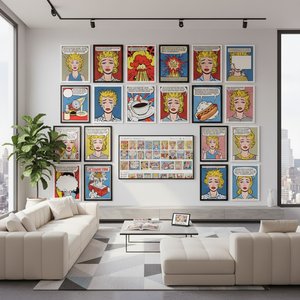
روي ليختنشتاين: 25 تحفة فنية تعيد تعريف فن البوب | OriginalUniqueArt
اكتشف 25 تحفة فنية لروي ليختنشتاين، رائد فن البوب. استكشف قصص لوحاته الشهيرة وألوانها الجريئة وتقنياته الفريدة. احصل على إعادة إنتاج عالية الجودة لديكور منزلك الفاخر على OriginalUniqueArt.

The Psychology of the Palette: Decoding Roy Lichtenstein's Bold Color Theory
Explore the psychological depth of Roy Lichtenstein's color theory. An expert analysis for art students and collectors on Ben-Day dots, primary palettes, and the intersection of Pop Art with mass media history.
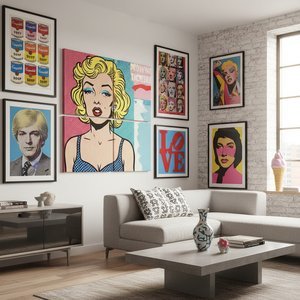
أيقونات الفن الشعبي: ١٠ روائع رسمت مسارًا جريئًا في عالم الديكور والأعمال الفنية
اكتشف ١٠ روائع رسمت تاريخ الفن الشعبي! من سيرت وليختنشتاين، استكشف قصص الفنانين وتقنياتهم. لوحات أيقونية وألوان جريئة تُلهم ديكورك. احصل على إعادة إنتاج أعمال فنية بجودة المتحف على OriginalUniqueArt.com
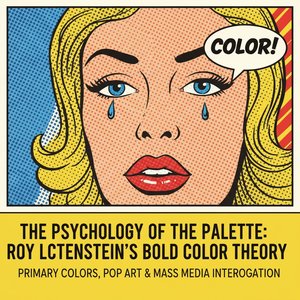
The Psychology of the Palette: Decoding Roy Lichtenstein's Bold Color Theory
Explore the profound psychological depth of Roy Lichtenstein's color theory. Discover how his use of primary colors and Ben-Day dots revolutionized modern art, transforming mass media imagery into sophisticated fine art for the discerning collector.

Pop Power: The High-Impact Color Theory of Roy Lichtenstein | A Visual Journey into Pop Art Mastery
Dive into the high-impact world of Roy Lichtenstein. Explore how his bold color theory, Ben-Day dots, and comic book aesthetics revolutionized modern art and continue to define contemporary visual culture.