Hudson River School · 1855
Pompeii (روبرت إس. دنكانسون, 1855)
أبدع روبرت إس. دنكانسون (1821–1872) في Pompeii. يعود تاريخها إلى 1855. تنتمي إلى حركة Hudson River School. صُنعت من Oil On Canvas. تُحفظ في متحف سميثسونيان للفن الأمريكي في واشنطن العاصمة, الولايات المتحدة الأمريكية. أبعادها 53 × 43 cm
- 1855
- Oil On Canvas
- 53 × 43 cm
- متحف سميثسونيان للفن الأمريكي, واشنطن العاصمة

 معاينة الحجم الواقعي

 لوحة زيتية مرسومة يدوياً
 مشاركة
 مشاركة
 ورقة الحقائق


 تحميل الملف
 قطع مشابهة
 الأشعة السينية
 عرض شرائح
 الأسئلة والأجوبة

 الإحصائيات
Pompeii باختصار
- العنوان
- Pompeii
- الفنان
- روبرت إس. دنكانسون (1821–1872)
- تاريخ ميلاد الفنان
- فايت, الولايات المتحدة
- التاريخ
- 1855
- الوسيط الفني
- Oil On Canvas
- الأبعاد
- 53 × 43 cm
- أين يمكن مشاهدتها
- متحف سميثسونيان للفن الأمريكي, واشنطن العاصمة, الولايات المتحدة الأمريكية
- الحركة
- Hudson River School
- الحقبة
- 19th Century
- الموضوع
- people, tower, boats, mountains, trees, bushes
ماذا يصور Pompeii؟
Identification of the Artwork and Artist
The painting Pompeii is a work by the artist Robert Seldon Duncanson. Created in 1855, this oil on canvas captures a specific moment of stillness. The artist, born in Fayette, United States, in 1821, sought to translate the weight of history through the medium of paint. He lived until 1872.
Duncanson was a man of many layers, a pioneer of the American landscape. His hands moved from the practical work of carpentry to the delicate application of oil. He studied the light of the Old Masters to find his own way through the wilderness. This work emerged from that disciplined study.
The canvas holds a view of ancient ruins and a volcanic landscape. It is a quiet record of stone and sky. The brush traces the edges of a mountain and the silhouette of a tower. A stillness remains.
The Composition and Visual Elements
A large stone tower anchors the foreground, its heavy presence grounding the viewer amidst a mountainous landscape. Near this structure, a group of people gathers, their small forms providing a sense of scale against the ancient masonry. Scattered trees and bushes break the terrain, adding organic textures to the rugged earth. The eye is drawn from these immediate details toward the water, where several boats drift upon the surface.
In the distance, a second, smaller tower rises against the backdrop of the mountains. The composition relies on a receding perspective, layering the bay, the ruins, and the peaks to establish a deep sense of space. Light softens the distant mountains, creating an atmospheric veil over the volcanic landscape. The verticality of the stone structures contrasts with the horizontal stillness of the water. A quiet shadow falls across the rocks.
Technical Details and Artistic Style
The artist works in oil on canvas, layering pigment to build a sense of weight and light. Through the careful application of blending and glazing, smooth transitions emerge between the shadows of the ruins and the glow of the sky. This technique allows the colors to settle into one another, creating a soft, atmospheric depth. The composition relies on atmospheric perspective, where the clarity of the distant mountains and the volcano is softened by the intervening air, pushing the horizon far into the distance.
A tension exists between the geometric and the wild. The verticality of the central column and the rounded dome provide a linear structure that anchors the scene. These rigid, man-made forms contrast against the organic textures of the irregular rocks, the scattered foliage, and the drifting clouds. This marriage of the structured and the untamed is a hallmark of the Hudson River School and the Romanticism movement. The light does not merely illuminate; it defines the space, using tonal shifts to guide the eye from the foreground stones toward the hazy, volcanic peaks.
Thematic and Historical Context
The canvas captures a collision between the enduring earth and the fragile remnants of human endeavor. A single stone column rises from the terrain, a vertical ghost of classical architecture standing against a landscape of volcanic power. In the distance, the silhouette of a smoking volcano looms, a silent reminder of the geological forces that once buried this site. The composition places the scale of the natural world above the broken geometry of civilization, emphasizing a quiet tension between the permanence of mountains and the decay of stone.
This work explores the heavy weight of time through the lens of historical ruins. By situating human structures within a vast, untamed environment, the painting examines the relationship between the built world and the wild. The stillness of the scene suggests a moment of quiet contemplation regarding the passage of years and the inevitable reclamation of cities by the earth. It is a study of what remains when the pulse of a city has ceased, leaving only the mountains and the ash.
Related Works by the Artist
The artist’s hand often returned to the tension between the permanent and the fleeting. In 1870, he revisited the shadow of the volcano in Vesuvius and Pompeii. This later work echoes the geological power found in his earlier studies. He also captured the quietude of the pastoral in Landscape with Sheep. The animals move through a landscape that feels settled and still.
Earlier in his career, his focus shifted toward the intimate and the specific. He painted Roses Still Life in 1843, a study of delicate forms. In 1844, he turned his attention to the American terrain with Mt. Healthy, Ohio. These works reveal a painter navigating the transition from small, contained subjects to the vastness of the natural world. A single petal or a distant hill remains held in his gaze. The light settles on the earth and stays.
أي متحف يضم Pompeii؟
متحف سميثسونيان للفن الأمريكي
واشنطن العاصمة, الولايات المتحدة الأمريكية
سجل للهوية الأمريكية يعد متحف سميثسونيان للفن الأمريكي، القابع في قلب واشنطن العاصمة، أول مجموعة فنية مخصصة للفن الأمريكي في البلاد. وباعتباره جزءاً لا يتجزأ من مؤسسة سميثسونيان العريقة، فإنه يحتضن واحدة من أكبر وأشمل المجموعات الفنية التي أُبدعت في الولايات المتحدة؛ حيث تمثل مقتنياته سجلاً مستمراً للتجربة الأمريكية، وتجسد طموحات الشعوب، وسماتها، وخيالها الجامح، بدءاً من الحقبة الاستعمارية وصولاً إلى يومنا هذا. تمتد هذه المجموعة عبر قرون من الزمن، وتضم طيفاً واسعاً من الأساليب الفنية التي توثق تطور الثقافة البصرية من خلال التحولات الاجتماعية والسياسية المتلاحقة.


صور عالية الدقة لـ Pompeii
روبرت إس. دنكانسون, Pompeii (1855), متحف سميثسونيان للفن الأمريكي. ملك عام
أسئلة وإجابات حول Pompeii
أين يمكنني مشاهدة العمل الأصلي "Pompeii" للفنان روبرت إس. دنكانسون؟
تُعرض لوحة "Pompeii" للفنان روبرت إس. دنكانسون في متحف سميثسونيان للفن الأمريكي, واشنطن العاصمة, الولايات المتحدة الأمريكية. ويشير وصف المتحف إلى العمل الأصلي، وليس إلى النسخ المطبوعة.
في أي عام أُنجز "Pompeii"؟
أُبدع العمل الفني "Pompeii" للفنان روبرت إس. دنكانسون في عام 1855.
ما هي التقنية المستخدمة في تنفيذ "Pompeii" للفنان روبرت إس. دنكانسون؟
تعتمد التقنية المستخدمة في "Pompeii" للفنان روبرت إس. دنكانسون على Oil On Canvas، وتهدف النسخ المطبوعة إلى محاكاة مظهر هذه التقنية.
ما هي أبعاد العمل الأصلي "Pompeii" للفنان روبرت إس. دنكانسون؟
تبلغ أبعاد "Pompeii" في شكلها الأصلي 53 x 43 cm. وتُعد الأبعاد الأصلية مرجعاً مفيداً عند اختيار حجم النسخة المطبوعة.
ماذا يصور "Pompeii"؟
تتمثل موضوعات "Pompeii" في people, tower, boats, mountains, trees, bushes, water.
هل يمكن إعادة إنتاج صورة "Pompeii" للفنان روبرت إس. دنكانسون بحرية؟
أما بخصوص حقوق الطبع والنشر، فإن "Pompeii" تندرج ضمن ملك عام - انتهت مدة حماية حقوق الطبع والنشر الخاصة به.
من هو الفنان الذي أبدع "Pompeii"؟
تم إبداع "Pompeii" بواسطة روبرت إس. دنكانسون. وتصف المعلومات الواردة في هذه الصفحة العمل الأصلي لـ روبرت إس. دنكانسون.
إلى أي أسلوب ينتمي "Pompeii"؟
ينتمي العمل "Pompeii" إلى مدرسة Hudson River School، وهي المدرسة التي تمثل التقليد الفني الذي يندرج ضمنه هذا العمل.
إلى أي مرحلة من مسيرة روبرت إس. دنكانسون الفنية تنتمي لوحة "Pompeii"؟
ينتمي العمل "Pompeii" إلى الفترة Mature Period من مسيرة روبرت إس. دنكانسون المهنية، مما يربط هذا العمل بمراحل تطور الفنان الفني.
عن الفنان، روبرت إس. دنكانسون
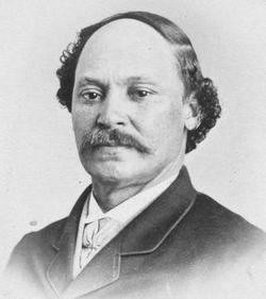
1821–1872, الولايات المتحدة
روبرت إس. دنكانسون
رائد المناظر الطبيعية الأمريكية برز روبرت سيلدون دنكانسون كشخصية محورية في الفن الأمريكي خلال القرن التاسع عشر، وهو اسم يتردد صداه بالبراعة الفنية والأهمية التاريخية على حد سواء. ولد حوالي عام 1821 في فايتفيل بنيويورك، لأبوين من أصول أوروبية وأفريقية؛ حيث كان والده، جون دين دنكانسون، حرفياً أسود حراً غرس فيه قيم الاجتهاد والتعلم. خاض دنكانسون رحلة عبر عالم مليء بالتحيز العرقي، بينما حقق في الوقت ذاته شهرة دولية كرسام للمناظر الطبيعية. كانت مسيرته رحلة من التعلم الذاتي، والتفاني الذي لا يتزعزع، والارتباط العميق بالعالم الطبيعي، مما جعله في نهاية المطم في أول فنان أمريكي من أصل أفريقي يحظى باعتراف واسع النطاق على ضفتي الأطلسي.
وأيضاً لـ روبرت إس. دنكانسون
 Italianate Landscape1855
 Light and Shade on Ruins on Carthage, (painting)1845
 The Drunkard's Plight, (painting)1846
 Mount Healthy, Ohio1844
مقالات حول Pompeii
 Understanding Arte Povera and Pop Art: Two Different Responses to ModernityDiscover the core differences between Arte Povera and Pop Art through expert analysis. Explore these iconic movements now.
 Robert Seldon Duncanson: Landscape, Abolitionism & Shaping American IdentityDiscover Robert Seldon Duncanson, the first internationally acclaimed African American landscape artist. Explore his connection to the Huds…
 American Hudson River School paintersHudson River School painters like Frederic Edwin Church, Asher Brown Durand, and Sanford Robinson Gifford define American sublime art at Or…