
 معاينة الحجم الحقيقي
 مشاركة
 مشاركة
 التفاصيل

 تحميل الملف
 قطع مشابهة
 الأشعة السينية
 عرض شرائح
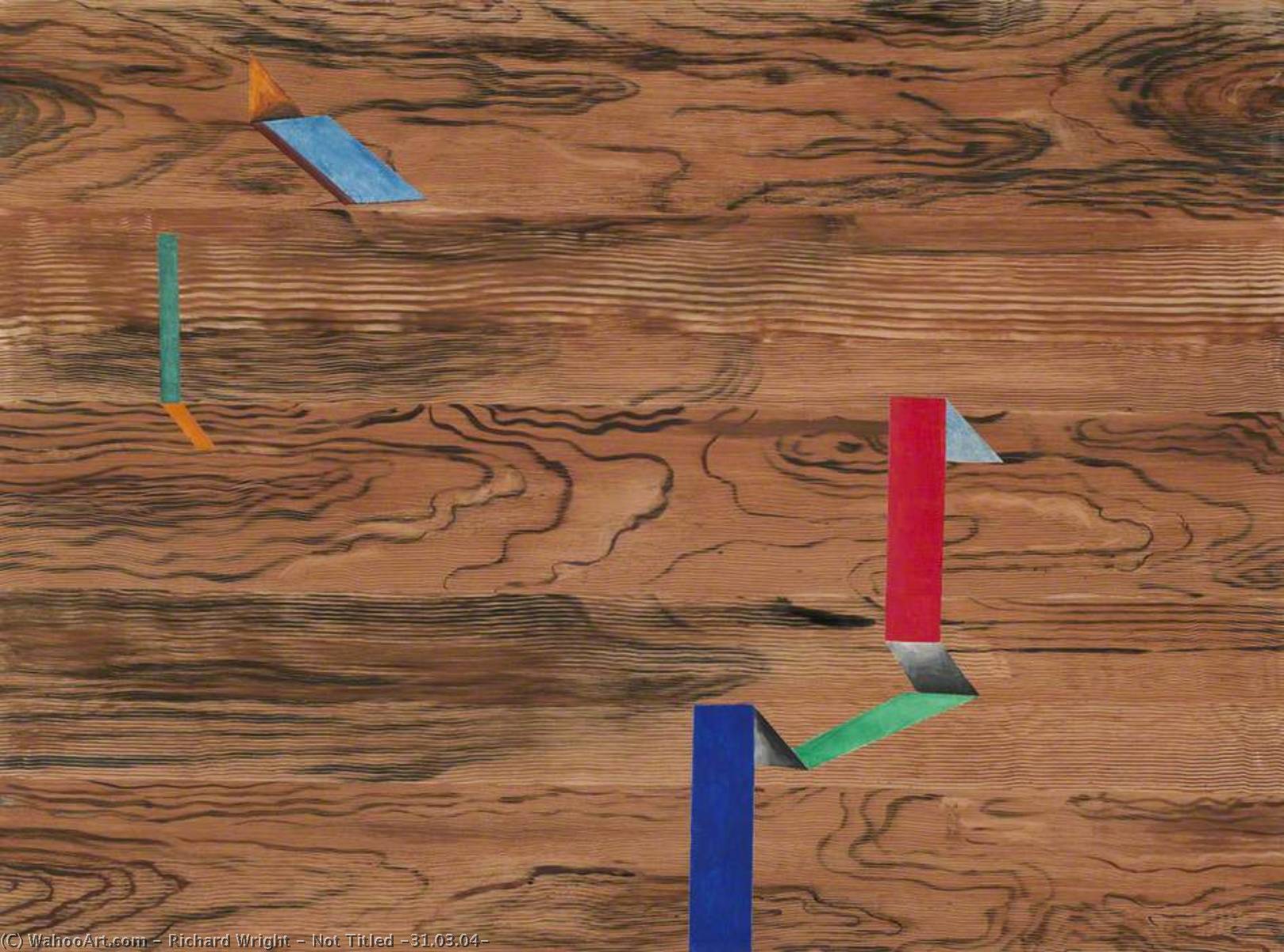
Not Titled (31.03.04)
 2004
2004 77.0 x 103.0 cm
 British Council Collection
 عرض المزيد
نسخة زيتية مصنوعة يدوياً
لوحة زيتية مرسومة يدوياً على الكانفاس بالمقاس والإطار الذي تفضله، تُنفذ حسب الطلب على أيدي فنانينا. ( اشترِ نسخة مطبوعة اشترِ الصورة)




































اختر من بين أحجامنا المُعدّة مسبقًا والتي تتطابق مع النسب الأصلية للعمل الفني.

يمكنك إدخال أبعادك الخاصة لتناسب إطارًا معينًا أو مساحة محددة. وإذا لم يتطابق الحجم الذي اخترته مع نسب الصورة الأصلية، فسنقوم إما بقص العمل الفني أو توسيع اللوحة بإضافة عناصر مرسومة يدويًا. سيتم إرسال نموذج رقمي إليك للموافقة عليه قبل بدء الإنتاج.
يرجى ملاحظة أن المعاينة على الشاشة لا تعكس عملية القص أو التوسيع الفعلية؛ حيث إن النموذج الرقمي وحده هو الذي سيوضح التكوين النهائي بدقة.
وعلى الرغم من توفر أحجام مخصصة، إلا أننا نوصي باختيار أبعاد من القائمة المحددة مسبقًا للحفاظ على النسب الأصلية للعمل الفني.
بعد إتمام الطلب، سيرسل فريق OriginalUniqueArt.com بريداً إلكترونياً للعميل لطلب التعليمات وتزويده بمعاينة تجريبية (mockup).
توصيل عالمي إلى خلال 3 إلى 4 أسابيع بدلاً من المدة المعتادة البالغة 5 أسابيع. (24 أغسطس). جودة لا تهاون فيها.

شحن سريع ومجاني لجميع أنحاء العالم

قماش كتان عالي الجودة

تأمين شحن شامل

ضمان استرداد الرسوم الجمركية

ضمان مطابقة الألوان الحقيقية

سياسة الإرجاع خلال 60 يومًا (في حالات العيوب فقط)

ضمان استرداد نقدي بنسبة 100%

خصم عند طلب عدة قطع
 خيار الزجاج متاح فقط للمقاسات التي تقل عن 110 سم

Not Titled (31.03.04)
خامة إعادة الإنتاج
مقاس النسخة المطبوعة
-


السعر الإجمالي النهائي
$ 300
السيرة الذاتية للفنان
The Architect of Light and Transient Beauty
In the realm of contemporary British art, few names evoke as much mystery and luminous wonder as Richard Wright. An artist who defies the traditional boundaries of the canvas, Wright has carved out a singular niche through his practice of architectural painting—a method that transforms gallery walls into breathing, shimmering tapestries of light. Born in London around 1960, his early years were shaped by the rugged landscapes of Scotland, where his family relocated during his childhood. This formative exposure to the textured, atmospheric beauty of the Scottish terrain likely planted the seeds for a lifelong fascination with how light interacts with surface and form.
Wright’s academic journey provided the rigorous foundation necessary for his experimental later works. He studied at the Edinburgh College of Art from 1978 to 1982, before returning to the prestigious Glasgow School of Art for postgraduate studies between 1993 and 1995, where he earned his Master of Fine Art. These years of formal training allowed him to master the classical principles of composition and materiality, which he would eventually deconstruct to create something entirely new: a style that blends the precision of geometric abstraction with the ephemeral nature of site-specific installation.
A Symphony of Gold and Geometry
To encounter a Richard Wright installation is to witness a delicate dance between permanence and decay. His work is famously characterized by intricate, repeating geometric patterns that seem to pulse with an internal energy. However, it is his use of gold leaf that truly elevates his practice into the realm of the transcendent. By overlaying these meticulous designs with shimmering precious metal, Wright creates surfaces that capture and refract light in ever-shifting ways, making each piece feel as though it is caught in a state of constant metamorphosis.
This technique has led critics to describe him through the lens of historical art forms. The Guardian journalist Jonathan Jones famously referred to him as a "modern fresco painter," drawing a parallel between Wright’s wall-based works and the ancient tradition of applying pigment to wet plaster. Much like the frescoes of the Renaissance, Wright’s art is deeply integrated into the architecture it inhabits. His approach rejects the idea of the painting as a portable commodity; instead, he treats the very bones of a building as his medium, injecting complex, vibrant life into often overlooked or mundane architectural spaces.
The Beauty of the Ephemeral
Perhaps the most poignant aspect of Wright’s career is his embrace of transience. For much of his career, his paintings were intentionally short-lived, existing only for the duration of a specific exhibition before being painted over at the conclusion of the show. This radical rejection of the permanent object creates a profound psychological tension for the viewer. There is a heightened sense of presence in knowing that the shimmering gold and complex lines currently before your eyes may never be seen again in quite the same light, or perhaps ever again.
This philosophy of the ephemeral has earned him significant accolades within the international art community:
- Turner Prize Recognition: His innovative approach to space and materiality brought him to the forefront of the British art scene, notably during his recognition by the Turner Prize committee.
- Critical Acclaim: Judges such as Andrea Schlieker have lauded him as a "painter who rejects the canvas," highlighting his role in redefining what constitutes a painting in the modern era.
- Legacy of Permanence: While much of his work was once transient, Wright has transitioned into creating numerous permanent installations that now reside in prestigious collections worldwide, ensuring that his architectural visions endure long after the exhibition lights have dimmed.
Through his mastery of light, geometry, and the very concept of time, Richard Wright remains a visionary force. He reminds us that art is not merely an object to be owned, but an experience to be inhabited—a fleeting moment of brilliance captured in gold and shadow.

حقائق سريعة
- Artistic Movement Or Style: Geometric Painting
- Artists Or Movements Influenced By This Artist: ['Pink Floyd']
- Date Of Death: November 28, 1960
- Full Name: Richard Nathaniel Wright
- Nationality: English
- Notable Artworks: ['No Title']
- Place Of Birth: London, England

