- الرئيسية

- طباعة على كانفاس
- رينيه ماجريت
- The explanation

 اطلب نسخة مرسومة يدوياً شراء الصورة بدقة عالية
 مشاركة
 مشاركة
 التفاصيل
 أضف إلى المفضلة

 تحميل الملف
 قطع مشابهة
 الأشعة السينية
 عرض شرائح
The explanation
 Acrylic On Canvas
- WallArt
- Surrealist Movement
 1952
1952 46.0 x 35.0 cm
 عرض المزيد
طباعة جيلي / مطبوعات فنية
طباعة جيكلي أو كانفاس بجودة المتاحف، مع سرعة في التنفيذ وخيارات متنوعة للتشطيب.




P118B $10

P118H $10

P118W $10

P438Z $10

P508JH $12

P508YH $12

P805H $10

P805Z $10

P919BZ $10

P919G $10

P919XJ $10

P959ZH $10

P968JZ $12

W106C $8

W218G $10

W218JH $8

W218Y $10

W307PJ $10

W316G $10

W316PJ $8

W316Y $10

W398PJ $8

W4111J $10

W500HY $15

W500JH $15

W692G $12

W849H $8

W940BG $15

W953PJ $8




اختر من بين أحجامنا المُعدّة مسبقًا والتي تتطابق مع النسب الأصلية للعمل الفني.

يمكنك إدخال أبعادك الخاصة لتناسب إطاراً أو مساحة معينة. وإذا لم يتطابق الحجم الذي اخترته مع نسب الصورة الأصلية، فسنقوم إما بقص العمل الفني أو تمديد الصورة باستخدام حافة معكوسة أو بلون مصمت. سيتم إرسال نموذج تجريبي رقمي لاعتمادك قبل بدء الإنتاج.
يرجى ملاحظة أن المعاينة على الشاشة لا تعكس عملية القص أو التمديد الفعلية؛ حيث سيوضح النموذج التجريبي فقط التكوين النهائي بدقة.
وعلى الرغم من توفر أحجام مخصصة، إلا أننا نوصي باختيار أبعاد من القائمة المحددة مسبقاً للحفاظ على النسب الأصلية.
توصيل عالمي إلى خلال أسبوعين بدلاً من المدة القياسية البالغة 4/5 أسابيع. 21 يوليو

شحن سريع ومجاني لجميع أنحاء العالم

قماش كتان عالي الجودة

تأمين شحن شامل

ضمان استرداد الرسوم الجمركية

ضمان مطابقة الألوان الحقيقية

سياسة الإرجاع خلال 60 يومًا (في حالات العيوب فقط)

ضمان استرداد نقدي بنسبة 100%

خصم عند طلب عدة قطع
 خيار الزجاج متاح فقط للمقاسات التي تقل عن 110 سم

The explanation
طباعة جيلي / مطبوعات فنية
مقاس النسخة المطبوعة
-


السعر الإجمالي النهائي
-
وصف القطعة الفنية
A Silent Dialogue Between Objects: Unpacking René Magritte’s *The Explanation*
René Magritte's *The Explanation*, painted in 1952, isn’t merely a depiction of two carrots and three bottles; it’s an invitation to a profound meditation on perception itself. This deceptively simple composition, measuring a modest 46 x 35 cm, embodies the core tenets of Magritte's surrealist approach – a deliberate disruption of reality designed to provoke thought and challenge our ingrained assumptions about how we see the world. The painting immediately arrests the eye with its stark simplicity, yet beneath this apparent tranquility lies a complex web of symbolic suggestion and artistic technique that has captivated viewers for decades. It’s a work that whispers rather than shouts, demanding a patient engagement from the observer.The Language of the Ordinary: Composition and Technique
Magritte's genius lay in his ability to elevate the mundane into the extraordinary. *The Explanation* is a masterclass in this technique. The two carrots, one noticeably larger than the other, are positioned with an almost unsettling precision – they dominate the left side of the frame, subtly asserting their presence. The bottles, rendered in muted tones and varying sizes, contribute to the overall sense of imbalance and quiet tension. Notice how Magritte employs a smooth, almost photographic realism for these everyday objects, juxtaposed against the slightly blurred background. This deliberate contrast reinforces the painting’s central theme: the unsettling nature of familiar things when presented out of context. The use of oil on canvas allows for rich textures and subtle gradations of color, contributing to the painting's atmospheric quality – a dreamlike haze that obscures any easy interpretation. The careful placement of each element feels deliberately calculated, as if Magritte were constructing a visual puzzle with no readily apparent solution.Symbolism and the Unseen: A Journey into the Subconscious
While Magritte famously resisted providing definitive explanations for his work, *The Explanation* is ripe with symbolic potential. The carrots themselves have been interpreted in various ways – some suggest they represent fertility or abundance, while others see them as a reference to the biblical story of Adam and Eve, hinting at temptation and knowledge. The bottles, often associated with containment and secrets, could symbolize the hidden aspects of our own consciousness. The vase, positioned low in the frame, might represent fragility or vulnerability – a reminder that even the most beautiful objects can be easily broken. Crucially, the title itself, “The Explanation,” is deliberately ironic. It suggests an attempt to provide clarity where none exists, mirroring the painting’s own elusive nature. Magritte's work consistently explores the gap between what we *see* and what we *know*, a space filled with uncertainty and the potential for multiple interpretations.Contextualizing the Surreal: Magritte within the Movement
*The Explanation* firmly places René Magritte within the broader context of the surrealist movement, alongside artists like Salvador Dalí and Max Ernst. However, Magritte’s approach differed significantly from the overtly fantastical imagery often associated with Dalí. Magritte wasn't interested in creating elaborate dreamscapes; instead, he sought to expose the inherent strangeness of reality itself. His work reflects a deeper philosophical inquiry into the nature of representation – how we perceive and understand the world through art. The painting’s creation coincided with a period of intense intellectual debate surrounding the relationship between image and idea, mirroring the broader anxieties of the post-war era. The Musée d'Ixelles in Brussels houses an impressive collection of Magritte’s work, offering invaluable insight into his artistic development and the wider context of surrealist thought.A Timeless Invitation to Question
*The Explanation* remains a powerfully evocative artwork, demonstrating Magritte’s unique ability to transform the ordinary into the extraordinary. It's not a painting that offers easy answers; rather, it presents a series of carefully arranged objects that invite us to question our assumptions about reality and perception. A high-quality reproduction captures the subtle nuances of Magritte’s technique and allows viewers to engage with this enigmatic masterpiece on a deeper level. Explore more of René Magritte's captivating oeuvre at /art/l – discover the world of silent dialogues and unexpected realities that define his extraordinary legacy.السيرة الذاتية للفنان
Early Life and the Seeds of Surrealism
René Magritte، المولد في ليونسيس، بلجيكا في ٢١ نوفمبر ١٨٩٨، دخل عالمًا سيشكل رؤيته الفنية الفريدة بشكل عميق. لم تكن سنوات طفولته محطمة بالكامل، فالإرهاق الذي عاناه كان بسبب وفاة والدته عندما كان يبلغ من العمر ثلاثة عشر عامًا فقط. صورة جسدها وهو يتم إرجاعه من نهر السامبر، مع تغطيته لوجهها، أصبحت موثقًا غريبًا سيظل يتجسد في أعماله اللاحقة، ويظهر في شخصيات مغطاة بالكامل واستكشاف دائم للحقائق الخفية. هذه الصدمة المبكرة زرعت فيه شغفًا بالمرح والضياع وقوة ما يبقى غير مرئيًا. على الرغم من أن تفاصيل طفولته تظل إلى حد كبير غامضة، إلا أنه من الواضح أن هذه التجربة الوجودية شكلت الأساس لأسلوبه الفني الذي لا يزال يتساءل عن الإدراك والتعبير البصري مدى الحياة.
Artistic Development and Influences
لم يكن مسار Magritte الفني سلسًا أو مباشرًا. درس في أكاديمية بروكسيل الملكية للفنون الجميلة، لكنها رفضت أساليبها التقليدية، مما جعله يبحث عن طرق جديدة للتعبير عن نفسه وتشكيله كواحد من أبرز الشخصيات في الفن السريالي. بدأ بتلقي دروس الرسم في سن العاشرة، حيث ظهر فيه ميل فطري للتعبير البصري، لكنه استكشف البارانويا والواقعية بشكل متقاطع قبل أن يلتزم بالسريالية، على الرغم من أنه حافظ على مسافة فريدة من أساليب بعض رفاقه الأكثر تركيزًا على النفس وعلاقتها بالخيال اللاواعي. كان Magritte مهتمًا بتحديد الألوان والتكوينات بدقة عالية، باستخدام تقنيات واقعية لتصوير السيناريوهات غير المنطقية.
The Heart of Surrealism: Challenging Reality
في عام ١٩٢٦، استقبل Magritte بشكل كامل المبادئ الأساسية للسريالية، حيث أنتج *Le Jockey Perdu (الجارى الضائع)*، والذي يُعتبر على نطاق واسع أول عمل سريالي حقيقي له. ومع ذلك، لم يكن أسلوبه السريالي يركز على استكشاف اللاوعي من خلال التفكير الحر أو الصور الحالمة بالطريقة التي فعل بها بعض رفاقه، بل سعى إلى تحدي إدراك المشاهد للواقع عن طريق تقديم الأشياء العادية في سياقات غير متوقعة، مما أجبر المشاهدين على التشكيك في افتراضاتهم حول العالم من حولهم. كانت أعمال مثل *الخيانة بالصور (هذا ليس أنبوبًا)* تحفة فنية تكسر العلاقة بين الصورة والشيء نفسه، وتذكرنا بأن التمثيل هو الشيء نفسه وليس شيئًا آخر. كان *الحب بين الزوجين* رمزًا للضياع والغموض، ويستكشف موضوعات الإخفاء والتواصل بشكل عميق.
Major Achievements and Recognition
على الرغم من الصعوبات التي واجهته في الحصول على التقدير الأولي، إلا أن عمل Magritte بدأ يكتسب مكانة تدريجية، خاصة في الولايات المتحدة مع المعارضات التي أقيمت في عام ١٩٣٦ وفي وقت لاحق المعارضات الاستثنائية التي استضافتها المتاحف الكبرى مثل متحف المودرن في نيويورك وعملاق الفنون في متروبوليتان في عام ١٩٦٥ و١٩٩٢ على التوالي. ظل Magritte ملتزمًا بالنشاط السياسي طوال حياته، ودعا إلى الاستقلالية الفنية، واستمر في تحسين أسلوبه المميز، وتحديد الألوان والتكوينات بدقة عالية، باستخدام تقنيات واقعية لتصوير السيناريوهات غير المنطقية. كان Magritte قد حقق مكانة مرموقة بين الفنانين السرياليين وأحد أبرز الشخصيات الفنية في القرن العشرين، حيث أثبت أن الفن يمكن أن يثير التفكير ويُلهم الدهشة.
Legacy and Enduring Influence
تكمن إرث Magritte في قدرته على جعلنا نرى العالم من حولنا بطريقة جديدة، وتحدي افتراضاتنا عن الواقع، وتقدير قوة الفن لإحداث تغيير اجتماعي وإلهام العقلانية والجمال. لم يكن مجرد رسم صور؛ بل كان يصنع مفارقات بصرية تواصل تأثيرها مع الجمهور لأجيال بعد أن تم إنتاجها، مما عزز مكانته كواحد من أعظم الفنانين السرياليين وأحد الشخصيات الفنية الأساسية في القرن العشرين. لا يزال عمل Magritte يُحتفى به ويُقيم في المتاحف الكبرى حول العالم، بما في ذلك متاحف بروكسيل الملكية للفنون الجميلة التي تستضيف متحف Magritte الذي يقدم أكبر مجموعة لأعماله وتضم أكثر من خمسين ألف قطعة فنية.
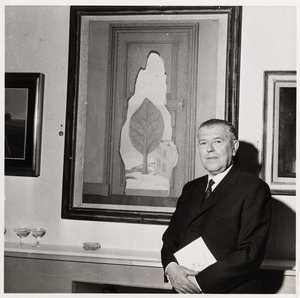
رينيه ماجريت
1898 - 1967 , بلجيكا
حقائق سريعة
- Artistic Movement Or Style: سريالية
- Artists Who Influenced This Artist: ['جورجي دي تشيريكو']
- Date Of Birth: ٢١ نوفمبر ١٨٩٨
- Date Of Death: ١٥ أغسطس ١٩٦٧
- Full Name: René François Ghislain Magritte
- Nationality: بلجيكي
- Notable Artworks: ['ال lovers"،"خداع الصور"،"الوقت المتجمد"،"الحالة الإنسانية']
- Place Of Birth: ليسنس، بلجيكا
مقالات ذات صلة
أعمال رينيه ماغريت الخالدة: 25 تحفة فنية تزين منزلك بجمال السريالية
اكتشف 25 تحفة فنية لرينيه ماغريت، رائد السريالية. استكشف قصص لوحاته الخالدة وتقنياته الفريدة وألوانه المميزة. احصل على نسخ عالية الجودة لديكور منزلي فاخر على OriginalUniqueArt.com.
أروع 25 تحفة فنية في متحف المتروبوليتان: رحلة عبر العصور والجمال الخالد
اكتشف أروع 25 تحفة فنية في متحف المتروبوليتان، نيويورك! قصص ليوناردو دا فينشي وفان جوخ وبيكاسو وأكثر. لوحات كلاسيكية ومعاصرة لإلهام ديكور منزلك. تسوق إعادة إنتاج اللوحات عالية الجودة على OriginalUniqueArt.com.
أروع 25 تحفة فنية في معرض ناسيونال غاليري بواشنطن | لوحات شهيرة وديكور فاخر
اكتشف أروع 25 لوحة فنية في معرض ناسيونال غاليري بواشنطن! رحلة عبر روائع سيزان، ماتيس، وبيكاسو. قصص ملهمة وتقنيات فنية فريدة. احصل على نسخ عالية الجودة لديكور منزلك الفاخر على OriginalUniqueArt.com

أعمال جيمس أبتون ماكنيل ويستلر الـ 25 الأكثر شهرة: تحف فنية لتزيين منزلك
اكتشف 25 تحفة فنية لجيمس أبتون ماكنيل ويستلر، رائد حركة التجميل. نوكتورن، بورتريهات أيقونية وأكثر! قصص ملهمة وتقنيات فنية رائعة لتزيين منزلك بأناقة. استكشف المجموعة الكاملة على OriginalUniqueArt.com
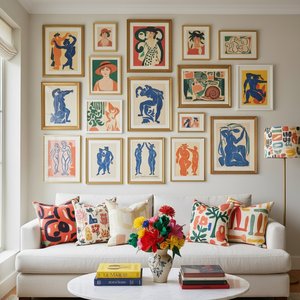
أعمال هنري ماتيس الرائعة: 25 تحفة فنية تزين منزلك بجمال الألوان والابتكار
اكتشف 25 تحفة فنية لهنري ماتيس، رائد التعبيرية وFauvism. استكشف قصص لوحاته المذهلة وألوانه الجريئة. احصل على مطبوعات عالية الجودة لديكور منزلي فاخر. اكتشف جميع الروائع على OriginalUniqueArt.com