

 معاينة الحجم الحقيقي
 مشاركة
 مشاركة
 التفاصيل

 تحميل الملف
 قطع مشابهة
 الأشعة السينية
 عرض شرائح
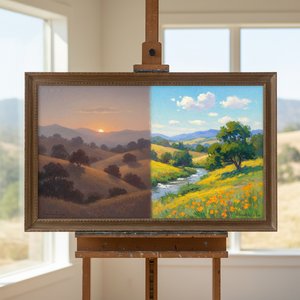
Half Moon Bay


 عرض المزيد
طباعة جيلي / مطبوعات فنية
طباعة جيكلي أو كانفاس بجودة المتاحف، مع سرعة في التنفيذ وخيارات متنوعة للتشطيب. ( اشترِ لوحة مرسومة يدويًا اشترِ الصورة)




































اختر من بين أحجامنا المُعدّة مسبقًا والتي تتطابق مع النسب الأصلية للعمل الفني.

يمكنك إدخال أبعادك الخاصة لتناسب إطاراً أو مساحة معينة. وإذا لم يتطابق الحجم الذي اخترته مع نسب الصورة الأصلية، فسنقوم إما بقص العمل الفني أو تمديد الصورة باستخدام حافة معكوسة أو بلون مصمت. سيتم إرسال نموذج تجريبي رقمي لاعتمادك قبل بدء الإنتاج.
يرجى ملاحظة أن المعاينة على الشاشة لا تعكس عملية القص أو التمديد الفعلية؛ حيث سيوضح النموذج التجريبي فقط التكوين النهائي بدقة.
وعلى الرغم من توفر أحجام مخصصة، إلا أننا نوصي باختيار أبعاد من القائمة المحددة مسبقاً للحفاظ على النسب الأصلية.
توصيل عالمي إلى خلال أسبوعين بدلاً من المدة القياسية البالغة 4/5 أسابيع. 25 أغسطس

شحن سريع ومجاني لجميع أنحاء العالم

قماش كتان عالي الجودة

تأمين شحن شامل

ضمان استرداد الرسوم الجمركية

ضمان مطابقة الألوان الحقيقية

سياسة الإرجاع خلال 60 يومًا (في حالات العيوب فقط)

ضمان استرداد نقدي بنسبة 100%

خصم عند طلب عدة قطع
 خيار الزجاج متاح فقط للمقاسات التي تقل عن 110 سم

Half Moon Bay
طباعة جيلي / مطبوعات فنية
مقاس النسخة المطبوعة
-


السعر الإجمالي النهائي
$ 80
السيرة الذاتية للفنان
Raymond Dabb Yelland: A Californian Romantic
Raymond Dabb Yelland, born in London in 1848 and tragically passing away in Oakland in 1900, remains a captivating figure within the history of California landscape painting. His journey from British immigrant to respected instructor and artist profoundly shaped his unique artistic vision – one deeply rooted in Romanticism yet subtly infused with Luminist sensibilities. Yelland’s work isn't merely depictions of scenery; it’s an exploration of light, atmosphere, and a profound connection to the natural world, particularly the rugged beauty of the California coast.Early Life and Artistic Foundations
Raymond Dabb’s early life was marked by a quiet transition from Victorian England to the burgeoning American West. Arriving in New York City as a young child, he received his initial education before dedicating himself fully to art. His military service during the Civil War provided a brief but formative period of discipline and experience, experiences that would later inform his meticulous approach to composition and detail. Crucially, Yelland’s formal artistic training at the National Academy of Design in New York laid the groundwork for his understanding of traditional techniques – a foundation he skillfully adapted to suit the distinctive light and landscapes of California. However, it was his time studying with luminist masters like George Inness that truly shaped his later style, emphasizing atmospheric perspective and capturing the fleeting effects of light.California’s Embrace: A New Artistic Home
In 1874, Yelland embarked on a significant chapter of his life by migrating to Oakland, California, a region rapidly transforming into a hub for art and culture. This move proved pivotal, offering him access to the dramatic coastal scenery that would become the defining subject of his oeuvre. He quickly secured a position as an instructor at Mills College, one of the first women’s colleges west of the Rocky Mountains, where he honed his teaching skills while simultaneously developing his artistic practice. His decision to change his name legally – adding his mother's maiden name, Yelland – reflects a desire for stability and recognition within this new environment. The transition wasn’t merely geographical; it represented a conscious embrace of a burgeoning artistic identity deeply connected to the Californian landscape.A Luminist Vision: Light, Atmosphere, and the California Coast
Yelland's paintings are characterized by a masterful manipulation of light and atmosphere – hallmarks of the Luminist movement. He eschewed the detailed realism favored by the Hudson River School, instead opting for looser brushwork and an emphasis on capturing the *feeling* of a place rather than its precise topographical representation. His subjects—the dramatic cliffs of Monterey Bay, the serene shores of Half Moon Bay, and the golden sunsets over the Pacific – are rendered with a remarkable sensitivity to color and light. His compositions often feature expansive vistas, drawing the viewer into the scene and creating a sense of immersion. The influence of Sanford Robinson Gifford is readily apparent in his use of atmospheric perspective and the evocative portrayal of natural beauty. He wasn’t simply painting landscapes; he was conveying an emotional response to them – a reverence for the power and serenity of nature.Legacy and Continuing Appreciation
Raymond Dabb Yelland's impact on California art extends beyond his individual works. His role as a teacher at Mills College and the San Francisco School of Design helped nurture a generation of artists, including notable figures like Homer Davenport and Maynard Dixon. His paintings are now held in collections across the United States, testament to their enduring appeal. The Crocker Art Museum’s exhibition on Yelland highlights his evolution from a classically trained artist to a pioneering Luminist painter who captured the spirit of California's dramatic coastline. His legacy lies not only in the beauty of his landscapes but also in his ability to evoke a sense of wonder and connection with the natural world – a quality that continues to resonate with viewers today. His work stands as a poignant reminder of a time when art was deeply intertwined with the exploration and appreciation of America’s vast and diverse landscapes.
حقائق سريعة
- Artistic Movement Or Style: Luminism, Hudson River School
- Artists Or Movements Influenced By This Artist: ['Tonalism']
- Artists Who Influenced This Artist:
- Sanford Robinson Gifford
- John F. Kensett
- Date Of Birth: February 2, 1848
- Date Of Death: July 27, 1900
- Full Name: Raymond Dabb Yelland
- Nationality: British-American
- Notable Artworks:
- Donner Lake
- The Golden Gate
- Half Moon Bay
- Place Of Birth: London, England
مقالات ذات صلة
Franz Bischoff: Bridging Tonalism & Impressionism in California Landscape Painting
Explore the captivating art of Franz Bischoff, a pivotal figure bridging Tonalism & California Impressionism. Discover his stunning landscapes, floral works, and lasting legacy with OriginalUniqueArt.

Evocations of Place: A Historical Journey Through Landscape Art
Explore the rich history of landscape art with OriginalUniqueArt. Discover renowned artists, movements like Impressionism & Romanticism, and expert guidance for collecting timeless pieces. Find your perfect serene escape today!

أفضل 10 لوحات طبيعية رومانسية غيرت مسار الفن وجمّلت الديكور | OriginalUniqueArt
اكتشف 10 روائع فنية رسمت مسار الفن الرومانسي! استكشف لوحات فريدريش، مالارد وأكثر. قصص الفنانين، تقنيات الرسم، وجمال المناظر الطبيعية الخلابة. احصل على أعمال فنية عالية الجودة من OriginalUniqueArt.com!

Evocations of Place: A Historical Journey Through Landscape Art
Explore the rich history of landscape art with OriginalUniqueArt. Discover renowned artists, movements like Impressionism & tonalism, and expert guidance for collecting timeless pieces. Find your perfect serene escape today!

أفضل 25 لوحة لجون كونستابل: روعة الطبيعة الإنجليزية في OriginalUniqueArt
اكتشف روعة الطبيعة الإنجليزية مع أفضل 25 لوحة لجون كونستابل. قصص فنية آسرة وتقنيات زيتية فريدة في OriginalUniqueArt.com. اشترِ نسخًا عالية الجودة وديكور منزلي فاخر. استكشف المجموعة الكاملة الآن!

