 معاينة الحجم الحقيقي
 مشاركة
 مشاركة
 التفاصيل

 تحميل الملف
 قطع مشابهة
 الأشعة السينية
 عرض شرائح
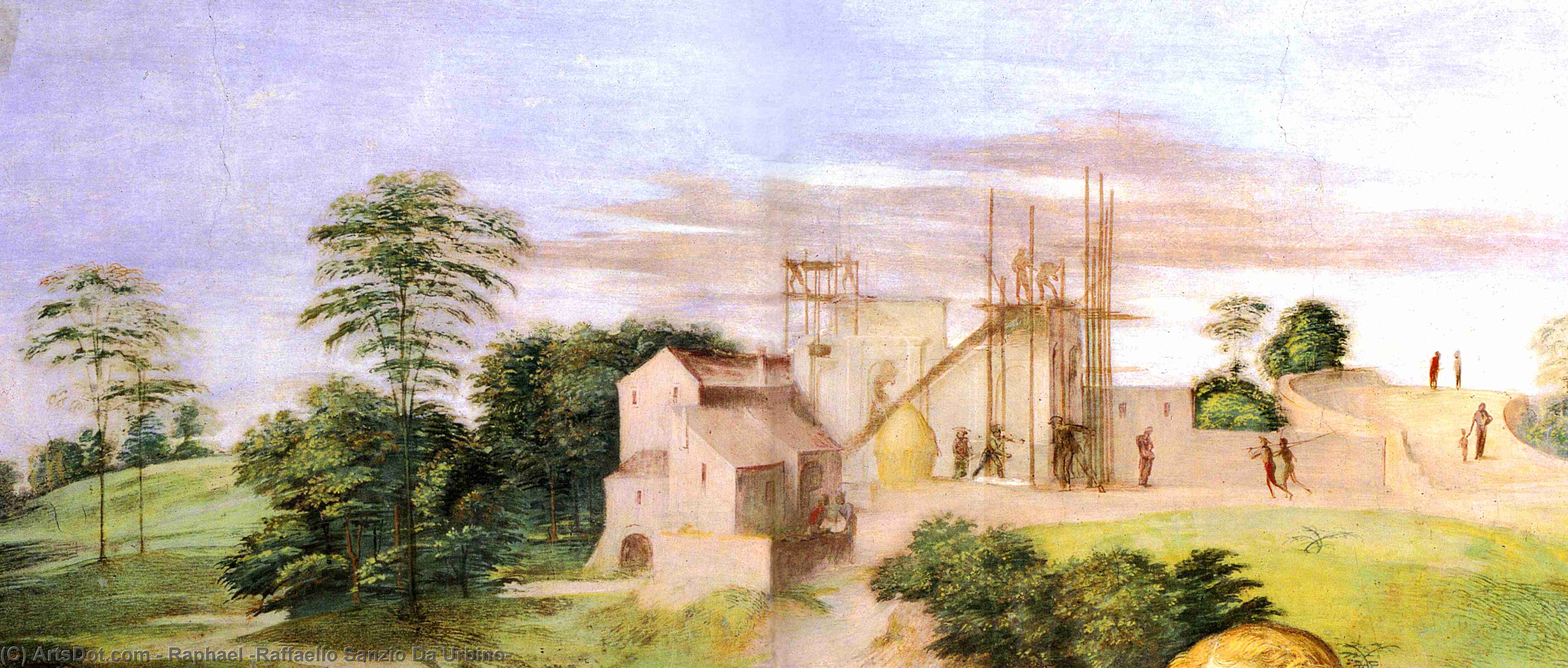
Stanza Della Segnatura d06

 عرض المزيد
نسخة زيتية مصنوعة يدوياً
لوحة زيتية مرسومة يدوياً على الكانفاس بالمقاس والإطار الذي تفضله، تُنفذ حسب الطلب على أيدي فنانينا. ( التحويل للنسخة المطبوعة التبديل إلى الصورة)




P118B $10

P118H $10

P118W $10

P438Z $10

P508JH $12

P508YH $12

P805H $10

P805Z $10

P919BZ $10

P919G $10

P919XJ $10

P959ZH $10

P968JZ $12

W106C $8

W218G $10

W218JH $8

W218Y $10

W307PJ $10

W316G $10

W316PJ $8

W316Y $10

W398PJ $8

W4111J $10

W500HY $15

W500JH $15

W692G $12

W849H $8

W940BG $15

W953PJ $8




اختر من بين أحجامنا المُعدّة مسبقًا والتي تتطابق مع النسب الأصلية للعمل الفني.

يمكنك إدخال أبعادك الخاصة لتناسب إطارًا معينًا أو مساحة محددة. وإذا لم يتطابق الحجم الذي اخترته مع نسب الصورة الأصلية، فسنقوم إما بقص العمل الفني أو توسيع اللوحة بإضافة عناصر مرسومة يدويًا. سيتم إرسال نموذج رقمي إليك للموافقة عليه قبل بدء الإنتاج.
يرجى ملاحظة أن المعاينة على الشاشة لا تعكس عملية القص أو التوسيع الفعلية؛ حيث إن النموذج الرقمي وحده هو الذي سيوضح التكوين النهائي بدقة.
وعلى الرغم من توفر أحجام مخصصة، إلا أننا نوصي باختيار أبعاد من القائمة المحددة مسبقًا للحفاظ على النسب الأصلية للعمل الفني.
بعد إتمام الطلب، سيرسل فريق OriginalUniqueArt.com بريداً إلكترونياً للعميل لطلب التعليمات وتزويده بمعاينة تجريبية (mockup).
توصيل عالمي إلى خلال 3 إلى 4 أسابيع بدلاً من المدة المعتادة البالغة 5 أسابيع. (9 أغسطس). جودة لا تهاون فيها.

شحن سريع ومجاني لجميع أنحاء العالم

قماش كتان عالي الجودة

تأمين شحن شامل

ضمان استرداد الرسوم الجمركية

ضمان مطابقة الألوان الحقيقية

سياسة الإرجاع خلال 60 يومًا (في حالات العيوب فقط)

ضمان استرداد نقدي بنسبة 100%

خصم عند طلب عدة قطع
 خيار الزجاج متاح فقط للمقاسات التي تقل عن 110 سم

Stanza Della Segnatura d06
خامة إعادة الإنتاج
مقاس النسخة المطبوعة
-


السعر الإجمالي النهائي
$ 300
وصف العمل الفني
The Stanza Della Segnatura: A Window into Renaissance Thought
Raphael’s “Stanza Della Segnatura,” or Room of the Signatura, within the Vatican Palace remains one of the most profoundly captivating frescoes in Western art history. Completed between 1508 and 1511 during his tenure as papal court painter, it's more than just a beautiful depiction of Roman philosophy; it’s a meticulously crafted visual argument for the interconnectedness of knowledge, faith, and reason – a microcosm of Renaissance humanism at its most ambitious. The room itself, originally intended as a library and private study for Pope Julius II, was transformed into a testament to intellectual pursuit by Raphael, reflecting the pontiff's desire to establish a center of learning within the heart of Rome.
The fresco’s central panel depicts the “Scholae Platones,” or School of Plato, featuring renowned philosophers like Aristotle and Pythagoras engaged in spirited debate. To their right stands Raphael himself, presenting the figure of Saint Augustine, embodying the synthesis of classical philosophy and Christian theology. This composition immediately establishes a dialogue between ancient wisdom and contemporary faith – a core tenet of Renaissance thought. The figures are rendered with an astonishing level of realism and psychological depth; each face is meticulously observed, conveying a range of emotions and intellectual intensity. Raphael’s mastery of *sfumato*, the subtle blurring of lines and colors, creates a sense of atmospheric perspective and adds to the fresco's overall luminosity.
A Symphony of Allegory: The Panels Beyond
Beyond the central panel, the “Stanza Della Segnatura” unfolds into three more interconnected frescoes, each dedicated to one of the four cardinal virtues – Prudence, Justice, Temperance, and Fortitude – alongside their corresponding branches of knowledge: Theology, Philosophy, Law, and Poetry. The "Disputation on the Holy Sacrament" showcases theology in action, while “Virtues and the Law” presents a balanced representation of justice and prudence. The most visually arresting panel is undoubtedly “Parnassus,” depicting Apollo presiding over the Muses – figures representing artistic inspiration – amidst a gathering of poets, sculptors, and musicians. This scene isn’t merely decorative; it symbolizes the pursuit of beauty and truth through creative expression.
Notice the deliberate use of color throughout the frescoes. The warm hues of red, gold, and orange dominate the panels dedicated to virtue and faith, evoking a sense of warmth, passion, and divine grace. Conversely, the cooler blues and greens employed in the philosophical scenes suggest reason, intellect, and contemplation. Raphael’s understanding of color theory was exceptional; he skillfully used light and shadow to create depth, volume, and emotional resonance within each composition.
Technique and Legacy: The Hand of a Master
Raphael's technique in the “Stanza Della Segnatura” is characterized by its remarkable clarity, precision, and harmonious balance. He employed *trompe-l’œil* – creating an illusion of three-dimensionality – to convincingly depict architectural elements and figures within the frescoed walls. The meticulous detail evident in every brushstroke speaks volumes about his dedication to his craft and his mastery of perspective. He worked with a large workshop, but maintained strict control over the overall design and execution, ensuring that each element contributed to the cohesive narrative.
The “Stanza Della Segnatura” exerted an immense influence on subsequent generations of artists. Its emphasis on classical ideals, harmonious composition, and intellectual themes became hallmarks of High Renaissance art. Leonardo da Vinci, Michelangelo, and countless others drew inspiration from Raphael’s masterpiece, solidifying its place as a cornerstone of Western artistic tradition. Today, reproductions offer a remarkable opportunity to experience the beauty and profound wisdom contained within this extraordinary room.
Symbolism and Emotional Resonance
The “Stanza Della Segnatura” is replete with symbolic meaning, reflecting the humanist ideals that shaped Renaissance thought. The figures depicted are not merely portraits; they represent abstract concepts – virtues, knowledge, and philosophical principles. The overall composition can be interpreted as a visual manifesto for the harmonious integration of faith, reason, and beauty. Looking at this fresco evokes a sense of intellectual curiosity, spiritual aspiration, and profound human potential.
Beyond its historical and artistic significance, the “Stanza Della Segnatura” continues to resonate with viewers today. Its timeless themes – the pursuit of knowledge, the importance of virtue, and the power of creative expression – remain profoundly relevant in our own complex world. It’s a reminder that art can not only beautify our surroundings but also illuminate the deepest questions about human existence.
السيرة الذاتية للفنان
رافائيل: فنان عصر النهضة الإيطالية، بين الرقة والانسجام
في قلب مدينة أوربينو النابضة بالحياة الفكرية والفنية، وُلد رافاييل سانزيو، أو كما عُرف بالعالم "رافائيل"، عام 1483. لم يكن مجرد فنان، بل نتاج بيئة ثقافية غنية، حيث كان والده جيوفاني سانتّي ليس فقط رسامًا في بلاط الدوق فريدريكو دا مونتيفيلترو، بل أيضًا شاعرًا ومثقفًا متعمقًا في تيارات عصر النهضة. هذا الانغماس في بيئة تقدر الرقي الفكري والنقاشات الأدبية شكل بعمق حساسيته الفنية منذ صغره. بعد وفاة والده المبكرة، تحمل رافائيل مسؤولية ورشة العائلة، مما سمح له بصقل مهاراته تحت إشراف فنانين محليين، حيث بدأت تظهر علامات أسلوبه المميز: رقة فائقة واهتمام دقيق بالتفاصيل.
من أمبريا إلى فلورنسا: رحلة استيعاب التأثيرات
كانت رحلة رافائيل الفنية سلسلة من التطور المستمر، حيث تميزت بفترات مكثفة من الدراسة والاستيعاب. التدريب الأولي تحت إشراف بييترو بيروجينو في بيروجيا وضع أساسًا متينًا في الأسلوب الأمبرياني – الذي يتميز بنمذجة ناعمة وتكوينات متناغمة ومشاهد دينية هادئة. لكن فضوله الذي لا يشبع دفعه إلى البحث عن تحديات جديدة وتوسيع آفاقه الفنية. في عام 1504، سافر إلى فلورنسا، المدينة التي كانت تنبض بطاقة الابتكار الفني. هنا، واجه أعمال ليوناردو دا فينشي وميكيلانجيلو، الفنانين الذين دفعوا حدود الرسم إلى مستويات غير مسبوقة. درس بدقة تقنياتهما – "سفوماتو" ليوناردو، تلك التدرجات الدقيقة للضوء والظل، والدقة التشريحية الدرامية والتكوينات القوية لميكيلانجيلو. كانت هذه الفترة في فلورنسا بمثابة بوتقة انصهار، أجبرته على مواجهة إمكانيات فنية جديدة ودمجها في رؤيته الفريدة.
الانتصار الروماني: المفوضيات والإبداعات الخالدة
في عام 1508، تلقى رافائيل دعوة غيرت مسار حياته المهنية – دعوة من البابا يوليوس الثاني للانتقال إلى روما. شكل هذا بداية الفترة الأكثر إنتاجية وازدهارًا في حياته. قدمت له المدينة الأبدية فرصة لا مثيل لها لعرض مواهبه على نطاق واسع، وتزيين شقق البابا في الفاتيكان بلوحات جدارية مذهلة. "أكاديمية أثينا"، ربما عمله الأكثر شهرة، هي شهادة على إتقانه للتكوين والمنظور والرمزية الفلسفية. داخل هذا الفضاء المهيب، جمع رافائيل شخصيات من العصور القديمة الكلاسيكية – أفلاطون وأرسطو وفيثاغورس وإقليدس – لإنشاء مشهد حي يحيي العقل البشري والسعي وراء المعرفة. استمر في العمل للبابوات اللاحقين، بما في ذلك ليون العاشر، وتولى مشاريع ضخمة مثل تزيين "ستانزا ديلا سيجناتورا" و"ستانزا د'إيليودورو". لوحاته الجدارية في هذه الغرف ليست مجرد زخرفة؛ إنها بيانات قوية حول قوة البابا والإيمان الديني ومثل عصر النهضة.
توازن بين الرقة والوقار: أسلوب رافائيل الفني
غالبًا ما يوصف الأسلوب الفني لرافائيل بأنه مزيج متناغم من الرقة والوضوح والجمال المثالي. كان يتمتع بقدرة استثنائية على دمج التأثيرات المتنوعة – التقاليد الأمبرية، والابتكارات الفلورنسية، والعصور القديمة الكلاسيكية – في جمالية فريدة ومتوازنة. تكوينات أعماله مخططة بدقة، وتعرض إحساسًا بالنظام والتناسب يعكس فهمه العميق لمبادئ عصر النهضة. تنبض شخصياته بهدوء ووقار وتعبير عاطفي، مما يجسد المثال الإنساني للكمال البشري. كان أيضًا أستاذ في الألوان، مستخدمًا ألوانًا غنية ومشرقة لإنشاء أعمال جذابة بصريًا ومحفزة فكريًا على حد سواء. على عكس الأسلوب الدرامي المضطرب غالبًا لميكيلانجيلو، تشع أعمال رافائيل بإحساس بالهدوء والانسجام – وهي صفة أسرقت قلوب الجماهير لعدة قرون.
إرث وتأثير دائم
لقد قصرت وفاة رافائيل المبكرة في عام 1520 عن عمر يناهز الثالثة والثلاثين، حياة مليئة بالإمكانات. ومع ذلك، فإن إرثه باقٍ كواحد من أهم الشخصيات في تاريخ الفن الغربي. أصبحت أعماله حجر الزاوية في الجمالية العالية لعصر النهضة، وخدمت كنموذج للأجيال القادمة من الفنانين. بينما سيطغى تأثير ميكيلانجيلو لاحقًا على الخطاب الفني، شهد التأكيد على الوضوح والانسجام والجمال المثالي لرافائيل انتعاشًا خلال الفترة الكلاسيكية الجديدة، حيث دافع عنه النقاد مثل يوهان جوتهارد فينكلمان. اليوم، تظل لوحاته تلهم الرهبة والإعجاب، وتأسر المشاهدين ببراعتها التقنية وعمقها العاطفي وجاذبيتها الدائمة. لقد رسخ مكانته كفنان حقيقي من عصر النهضة – فنان التقط ليس فقط الشبه الجسدي لموضوعاته، بل أيضًا جوهر الرشاقة الإنسانية والكرامة.

رافايلو
1483 - 1520 , إيطاليا
حقائق سريعة
- Artistic Movement Or Style: الريناسانس العظيم
- Artists Who Influenced This Artist: ['ليوناردو دا فينشي"، "ميكاييل أنجيلو']
- Date Of Birth: 1483
- Date Of Death: 1520
- Full Name: رافائيل سانزيو د أوربينا
- Nationality: إيطالي
- Notable Artworks: ['المدرسة اليونانية"، "السيسينا ماдона"، "تحويل القديس يوحنا المعلم']
- Place Of Birth: أوربينا، إيطاليا
مقالات ذات صلة

OriginalUniqueArt.com F.A.Q.: Elevating Interiors with Bespoke Wall Murals & Masterpiece Frescoes
Discover the pinnacle of bespoke interior transformation with OriginalUniqueArt.com. Our master fresco artists create exquisite, hand-painted wall murals and ceiling masterpieces tailored to your estate. Elevate your architectural space with timeless, museum-quality artistry.