

 معاينة الحجم الواقعي
 إرسال
إرسال مشاركة
 عرض التفاصيل
 دليل الأعمال الفنية للطلاب

 تحميل
تحميل
 قطع مشابهة
 الأشعة السينية
 عرض شرائح متتابع
 الإحصائيات
Yashoda and Krishna
 Acrylic On Canvas
- WallArt
 89.0 x 72.0 cm
 The Ganesh Shivaswamy Foundation
 اقرأ المزيد
طباعة جيلي / مطبوعات فنية
طباعة جيكلي أو كانفاس بجودة المتاحف، مع سرعة في التنفيذ وخيارات متنوعة للتشطيب. ( اطلب نسخة مرسومة يدويًا التحويل إلى الصورة الرقمية)




P118B E£10

P118H E£10

P118W E£10

P438Z E£10

P508JH E£12

P508YH E£12

P805H E£10

P805Z E£10

P919BZ E£10

P919G E£10

P919XJ E£10

P959ZH E£10

P968JZ E£12

W106C E£8

W218G E£10

W218JH E£8

W218Y E£10

W307PJ E£10

W316G E£10

W316PJ E£8

W316Y E£10

W398PJ E£8

W4111J E£10

W500HY E£15

W500JH E£15

W692G E£12

W849H E£8

W940BG E£15

W953PJ E£8




اختر من بين أحجامنا المُعدّة مسبقاً والتي تتوافق مع النسب الأصلية للعمل الفني.

أدخل العرض والارتفاع اللذين تحتاجهما، ليتناسب مع إطارك أو جدارك. يمكن قص المطبوعة فقط، ولا يمكن أبداً جعلها أكبر من الصورة الأصلية، لذا فإن أي مقاس بشكل مختلف سيؤدي إلى فقدان جزء من الصورة. سنرسل لك نموذجاً رقمياً تجريبياً لاعتماده قبل البدء في عملية الطباعة. الصورة المعروضة في هذه الصفحة لا توضح القص الفعلي — النموذج التجريبي فقط هو ما يظهر ذلك.
توصيل عالمي إلى خلال أسبوعين بدلاً من المدة القياسية البالغة 4/5 أسابيع. (24 أكتوبر)

شحن سريع ومجاني لجميع أنحاء العالم

قماش كتان فاخر

تأمين شامل على الشحن

ضمان استرداد الرسوم الجمركية

ضمان دقة مطابقة الألوان

سياسة الإرجاع خلال 100 يوم (في حالات العيوب فقط)

ضمان استرداد نقدي بنسبة 100%

عرض خصم الكميات
 خيار الزجاج متاح فقط للمقاسات التي تقل عن 110 سم

Yashoda and Krishna
طباعة جيلي / مطبوعات فنية
مقاس النسخة المطبوعة
-


إجمالي السعر
E£ 4134
Raja Ravi Varma: Bridging Tradition & Modernity in 19th-Century Indian Art
Raja Ravi Varma stands as an unparalleled figure in the annals of Indian art history—a visionary who dared to fuse the grandeur of European academic painting with the profound spiritual essence of Hindu mythology. Born in Kilimanjaro, Tanzania, in 1848, his journey from royal lineage to artistic innovator exemplifies a transformative period in India’s cultural landscape. Ravi Varma wasn't merely replicating Western styles; he was reimagining them through the lens of Indian iconography and storytelling, resulting in artworks that captivated audiences both domestically and internationally. His influence extended far beyond the canvases themselves, shaping perceptions of Indian identity and establishing a precedent for accessible art forms—a legacy cemented by the proliferation of affordable lithographs produced at his Ravi Varma Fine Art Lithographic Press. This press was instrumental in democratizing Ravi Varma’s artistic vision, ensuring that his masterpieces resonated with a wider public.- A Royal Patronage That Fueled Innovation: Ravi Varma's upbringing within the Travancore royal household instilled him with an understanding of courtly traditions—a grounding that paradoxically propelled him toward experimentation and stylistic breakthroughs. His uncle, Raja Raja Varma, recognized his innate talent for drawing and painting, initiating him into the Tanjore School’s meticulous technique, which would serve as a cornerstone of his artistic development.
- Blending East Meets West: Ravi Varma skillfully adopted European academic realism—a dominant trend in Western art at the time—but refused to abandon the rich symbolism inherent in Hindu narratives. He meticulously researched Sanskrit texts and mythological tales, translating them into visual representations that resonated deeply with Indian sensibilities. This fusion resulted in artworks imbued with both intellectual rigor and emotional depth.
- Lithographic Revolution: Recognizing the limitations of traditional painting methods for reaching a broader audience, Ravi Varma established his lithographic press in Bombay (now Mumbai) in 1894—a pivotal moment in Indian art history. Collaborating with Fritz Schleicher, a German technician, he championed the use of lithography as a medium for disseminating his artistic creations.
Yashoda and Krishna: A Symbolic Tableau
“Yashoda and Krishna,” painted circa 1895-1896, exemplifies Ravi Varma’s masterful synthesis of Eastern spirituality and Western artistic convention. The painting depicts Yashoda, the devoted mother figure, milking a cow while Krishna playfully demands his share of the milk—a scene drawn directly from Hindu mythology that speaks to themes of nurturing, divine protection, and maternal devotion. Ravi Varma's meticulous attention to detail—particularly in capturing the texture of Yashoda’s sari—demonstrates his commitment to portraying realism alongside symbolic representation. The cow itself holds profound significance within Hinduism, symbolizing fertility, abundance, and the sacredness of pastoral life.- Composition & Color Palette: Ravi Varma employed a balanced composition, placing Krishna prominently in the foreground while Yashoda occupies a slightly elevated position—a deliberate stylistic choice that reinforces the narrative’s hierarchy of roles. The painting utilizes a vibrant color palette dominated by earthy tones—ochres and browns—accentuated by splashes of crimson and gold—colors traditionally associated with divinity and royalty.
- Narrative Depth: Beyond its visual beauty, “Yashoda and Krishna” conveys a powerful message about the sanctity of motherhood and the unwavering faith of Yashoda in Krishna’s divine protection. The painting captures a fleeting moment of tenderness between mother and child—a scene that embodies the core values of Hindu culture.
- Historical Context: Created during Ravi Varma's formative years, “Yashoda and Krishna” reflects the broader artistic currents of the Victorian era—characterized by an interest in Orientalism and a fascination with exotic landscapes and cultures. However, Ravi Varma’s work transcends mere stylistic imitation; it represents a genuine engagement with Hindu mythology and its enduring spiritual significance.
Raja Ravi Varma Lithographic Press: Democratizing Art
The establishment of the Ravi Varma Lithographic Press in 1894 marked a watershed moment in Indian art history—a testament to Ravi Varma’s foresight and his determination to make his artistic vision accessible to all. Collaborating with Fritz Schleicher, he pioneered the use of lithography as a medium for reproducing artworks on a large scale—a technique that dramatically lowered production costs and broadened the reach of Ravi Varma's masterpieces. This initiative fundamentally altered the landscape of Indian art consumption, transforming Ravi Varma’s paintings from exclusive treasures of royal collections into widely circulated images that captivated the imagination of the subcontinent. The press’s output included reproductions of Krishna’s life stories—a deliberate effort to disseminate Hindu mythology and its moral lessons among a wider audience.- Technological Innovation: Ravi Varma's decision to adopt lithography represented a significant departure from traditional painting methods—which were labor-intensive and expensive—and ushered in an era of artistic democratization.
- Cultural Impact: The Ravi Varma Lithographic Press’s reproductions profoundly influenced Indian aesthetics and contributed to the formation of a shared cultural identity—a legacy that continues to resonate today.
- Accessibility & Preservation: By making Ravi Varma's paintings available in affordable lithographs, he ensured their preservation for future generations—a remarkable achievement considering the challenges posed by the Victorian era’s artistic conventions.
Legacy and Influence
Raja Ravi Varma’s contribution to Indian art is undeniable—he fundamentally reshaped perceptions of Hindu mythology and established a precedent for blending Eastern spirituality with Western artistic technique. His lithographic press revolutionized art production, democratizing access to his masterpieces and fostering a shared cultural identity across the subcontinent. Today, reproductions of “Yashoda and Krishna” adorn homes throughout India—a testament to Ravi Varma’s enduring legacy as one of the most influential artists of the Victorian era—and continue to inspire admiration for his artistic vision and his unwavering commitment to preserving Hindu traditions through accessible art forms. His work stands as a beacon of cultural exchange and artistic innovation—a celebration of both Eastern mysticism and Western realism.الأسئلة والأجوبة
ما هي الاستخدامات والمساحات الموصى بها لـ "Yashoda and Krishna" للفنان راجا رافي فارما؟
يُنصح بوضع "Yashoda and Krishna" للفنان راجا رافي فارما لغرض Accent، ويُفضل أن يكون ذلك في Living Room. إن الجمع بين طريقة الاستخدام والمساحة المتاحة يساعد في تحديد المكان الأمثل لوضع هذه النسخة الفنية.
ما الذي يفسر الوضع المتعلق بحقوق الطبع والنشر لـ "Yashoda and Krishna" للفنان راجا رافي فارما؟
إن عمل "Yashoda and Krishna" للفنان راجا رافي فارما يندرج ضمن ملك عام - انتهت مدة حماية حقوق الطبع والنشر الخاصة به. وتبدأ مدة حماية حقوق الطبع والنشر من تاريخ وفاة الفنان، والتي حدثت في عام 1906.
ما هو حجم الطباعة الموصى به لـ "Yashoda and Krishna" للفنان راجا رافي فارما؟
حجم الطباعة الموصى به لعمل "Yashoda and Krishna" للفنان راجا رافي فارما هو Large.
نبذة عن الفنان
الريشة الأميرية: راجا رافي فارما وبزوغ الفن الهندي الحديث
راجا رافي فارما، اسم يتردد صداه بالابتكار الفني في الهند، نشأ من السلالة الملكية لقصر كيليمانور في كيرالا خلال منتصف القرن التاسع عشر. وُلد في 29 أبريل عام 1848، وكانت حياته مغمورة بكل من التقاليد الأرستقراطية والروح الإبداعية الفطرية. لم يكن مجرد رسام؛ بل كان جسراً ثقافياً، يمزج ببراعة بين التقنيات الأكاديمية الأوروبية والنسيج الغني للأساطير والجماليات الهندية. وقد وفر ارتباط عائلته الطويل بالبيت الملكي في ترافانكور – بل إن ابنتيه اعتمدتا لاحقاً في تلك العائلة نفسها – الامتياز والفهم العميق للحياة البلاطية الهندية، مما أثر بعمق على رؤيته الفنية. منذ سن مبكرة، أظهر رافي فارما موهبة ملحوظة في الفن، رعى لها عمه راجا راجا فارما، الذي أدخله إلى عالم الرسم والتصوير، بشكل أساسي ضمن تقليد مدرسة تانجوره. ومع ذلك، تجاوز طموح رافي الشاب مجرد التقليد؛ فقد سعى لإتقان تقنيات تسمح له بالتقاط ليس فقط المظهر الشبيه، بل أيضاً العاطفة وعمق السرد القصصي.اندماج العوالم: التقنية والإلهام
اتخذت الرحلة الفنية لفارما منعطفاً محورياً عندما صادف أعمال الأساتذة الأوروبيين، خاصة خلال رحلاته وتفاعلاته مع المسؤولين البريطانيين المتمركزين في الهند. لقد سُحر بالواقعية والدقة التقنية للرسم الأكاديمي، ودرس مبادئه بجد واجتهاد – المنظور، التشريح، الضوء، والظل. ومع ذلك، على عكس العديد من معاصريه الذين اكتفوا بمحاكاة الأساليب الغربية ببساطة، قام فارما بتكييف هذه التقنيات ببراعة لخدمة مواضيع هندية خالصة. وأصبحت لوحاته مسارح نابضة بالحياة لمشاهد من الرامايانا والمهابهاراتا والبورانات، يزدحم بها الآلهة والإلهات المصوَّرون بواقعية طبيعية مكتشفة حديثاً. لم يكتفِ بتوضيح القصص الدينية؛ بل غمرها بالعاطفة الإنسانية والتعقيد النفسي. كان هذا ثورياً. فقبل فارما، كانت تصوير الآلهة غالباً ما يلتزم بالتقاليد الأيقونية الجامدة. لقد تجرأ على تصويرهم كشخصيات يمكن التعاطف معها، جميلة وقوية ولكن في متناول المشاهد العادي. وقد سمح له إتقانه للرسم الزيتي – وهو وسيط جديد نسبياً في الهند في ذلك الوقت – بتحقيق مستوى غير مسبوق من التفاصيل واللمعان، مما عزز التأثير العاطفي لعمله. فلتأخذ على سبيل المثال تصويره الأيقوني لـ شاكونتالا، حيث ينقل نظرة الحبيبة الشوقية ووقفتها الرقيقة عمقاً من الشعور نادر الوجود في الفن الهندي قبل ذلك. أما المهراني من ترافانكور، بفخامته وهندسته المعقدة، فيجسد قدرة فارما على التقاط المظهر الخارجي والشخصية الداخلية معاً.دمقرطة الفن: الليثوغرافيا والجاذبية العامة
لم يقتصر تأثير راجا رافي فارما على الدوائر النخبوية من الملوك وخبراء الفن فحسب. وإدراكاً منه بأن اللوحات الأصلية كانت بعيدة عن متناول معظم الهنود، أسس مطبعة راجا رافي فارما للفنون الجميلة بالليثوغرافيا عام 1894. وقد سمح هذا المشروع الرائد بالإنتاج الضخم لطباعات ليثوغرافية ميسورة التكلفة بناءً على لوحاته. فجأة، لم تعد صور الآلهة الهندوسية والمشاهد الأسطورية محصورة في المعابد أو القصور؛ بل زينت المنازل في جميع أنحاء الهند، وأصبحت بمثابة أعياد عبادة وفخر ثقافي. ولم تكن هذه المطبوعات مجرد نسخ؛ بل كانت تفسيرات مُتقنة التشكيل التقط جوهر أعمال فارما الأصلية. وكان لهذا العمل من "دمقرطة الفن" تأثير عميق على المجتمع الهندي، حيث عزز تقديراً أوسع للثقافة البصرية وشكّل التصورات الشعبية للأيقونات الدينية. كما رسخ مكانة فارما كشخصية عامة حقيقية، وأصبحت صوره رموزاً سائدة للهوية الهندية. ووجد هانسام دايامانثي، ربما يكون أحد أكثر أعماله محبوبة، طريقه إلى عدد لا يحصى من المنازل عبر هذه المطبوعات، مما أحدث تحولاً في المشهد الجمالي للهند.الإرث والتأثير الدائم
توفي راجا رافي فارما عام 1906، تاركاً وراءه إرثاً لا يزال يتردد صداه حتى يومنا هذا. لم يقتصر عمله على تحويل مشهد الرسم الهندي فحسب، بل وضع أيضاً الأساس للفن الهندي الحديث. لقد تحدى المعايير التقليدية، واحتضن الابتكار، ومزج ببراعة بين التقاليد والحداثة. ويمكن رؤية تأثيره في أعمال الأجيال اللاحقة من الفنانين الهنود الذين سعوا لخلق هوية فنية وطنية مميزة. ولا تزال المتاحف مثل مؤسسة راجا رافي فارما للتراث في بنغالور ومؤسسة غانيش شيفاسوامي تحافظ على فنه وتحتفل به، مما يضمن استمرار رؤيته للأجيال القادمة. وتبقى لوحاته شهادات قوية على عبقريته – روائع تجسد جمال الهند وروحه وغناها الثقافي. وقد رسخت قدرته على التواصل مع الجماهير على المستويين الجمالي والعاطفي مكانته كرائد حقيقي، مغيراً إلى الأبد الطريقة التي رأى بها الهنود الفن وتراثهم الثقافي الخاص.استكشاف عالم فارما اليوم
بالنسبة لأولئك الذين يسعون للتعمق أكثر في عالم راجا رافي فارما، تتوفر العديد من الموارد. يضم متحف كيران نادار للفن في نيودلهي مجموعة مختارة من أعماله إلى جانب فنانين هنود معاصرين وحديثين آخرين. وتقدم المنصات الإلكترونية مثل OriginalUniqueArt نسخاً عالية الجودة من لوحاته الأيقونية، مما يسمح لعشاق الفن في جميع أنحاء العالم بتجربة فنه بشكل مباشر. علاوة على ذلك، تواصل المقالات والدراسات العلمية تسليط الضوء على حياته وتقنياته وتأثيره الدائم. وتقدم صفحة ويكيبيديا المخصصة لراجا رافي فارما نظرة عامة شاملة على سيرته الذاتية وإنجازاته الفنية، بينما تقدم جوجل للفنون والثقافة قصصاً ثاقبة عن حياته وعمله، بما في ذلك مساهمات من حفيدته الكبرى.- استكشاف الأعمال الفنية: اكتشف روائع مثل "بورتريه للرجل النبيل"، و"هانسام دايامانثي"، و"المهراني من ترافانكور" عبر قواعد البيانات عبر الإنترنت.
- زيارة المتاحف: انغمس في إرث فارما في مؤسسة راجا رافي فارما للتراث، ومؤسسة غانيش شيفاسوامي، ومتحف كيران نادار للفن.
- مزيد من البحث: استشر ويكيبيديا وجوجل للفنون والثقافة للحصول على معلومات مفصلة عن السيرة الذاتية والرؤى العلمية.
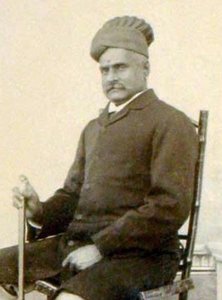
راجا رافي فارما
1848 - 1906 , الهند
لمحة سريعة
- Artistic Movement Or Style: الدمج الأكاديمي والهندي
- Artists Or Movements Influenced By This Artist: ['الفن الهندي الحديث']
- Artists Who Influenced This Artist: ['الأساتذة الأوروبيون']
- Date Of Birth: 29 أبريل 1848
- Date Of Death: 2 أكتوبر 1906
- Full Name: راجا رافي فارما
- Nationality: هندي
- Notable Artworks:
- هانسا داميانثي
- مहारاني ترافانكور
- شاكونتالا
- بورتريه لرجل نبيل
- Place Of Birth: كيليمانوور، الهند