
 معاينة الحجم الحقيقي
 مشاركة
 مشاركة
 التفاصيل

 تحميل الملف
 قطع مشابهة
 الأشعة السينية
 عرض شرائح
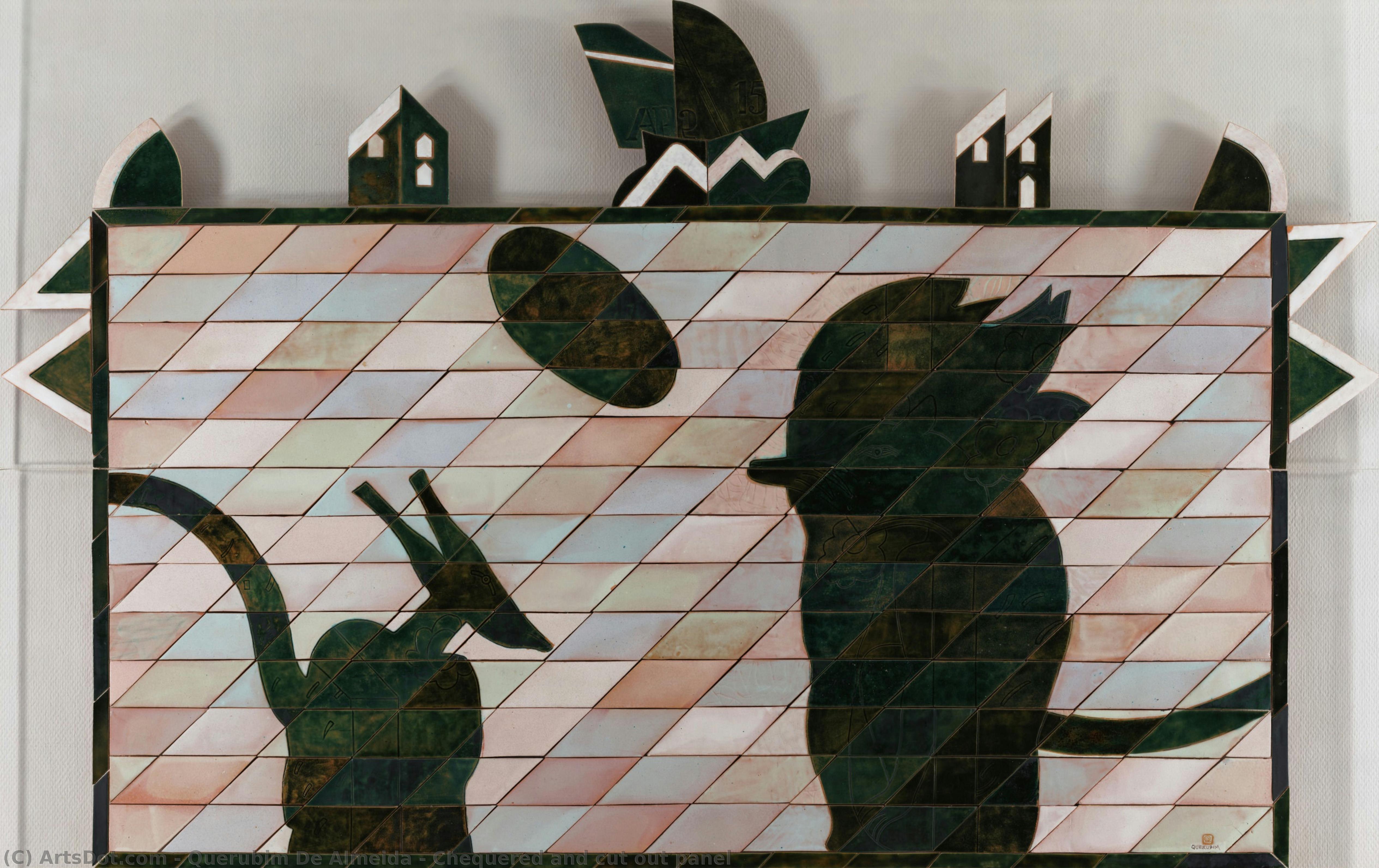
Chequered and cut out panel
 1991
1991 127.0 x 201.0 cm
 National Azulejo Museum
 عرض المزيد
احصل على صورة رقمية عالية الدقة ومعزّنة، بجودة تفوق بكثير المعاينة عبر الإنترنت.
يتم إعداد كل ملف بعناية فائقة من قبل متخصصينا الداخليين باستخدام أدوات متقدمة ولمسات يدوية خبيرة. نضمن أن تتمتع كل صورة بوضوح استثنائي، ودقة لونية متناهية، وتفاصيل دقيقة.
يتم تسليم الملف النهائي عبر البريد الإلكتروني في غضون 72 ساعة، وهو مُحسَّن للاستخدام الفوري في المجالات المهنية والتحريرية ومجالات الطباعة. هذه هي ذات الجودة التي تعتمد عليها كبرى استوديوهات التصميم ودور النشر والمعارض الفنية المرموقة.
صورة رقمية
حمّل ملفاً عالي الدقة للعرض الشخصي، والطباعة، والمشاريع الإبداعية. ( اشترِ نسخة مطبوعة اشترِ لوحة مرسومة يدويًا)
مزايا مُضمّنة في كل طلب صورة رقمية
تسليم رقمي احترافي، مضمون
عندما تختار OriginalUniqueArt.com، فأنت لا تحصل على مجرد صورة فحسب، بل ستحصل على عمل فني رقمي مُحسّن باحترافية، صُمم بدقة متناهية ومصحوب بضمان الرضا. إليك كل ما يتضمنه طلبك تلقائياً:

تسليم سريع عبر البريد الإلكتروني
ستصلك ملفات صورك الرقمية عالية الدقة عبر البريد الإلكتروني في غضون 72 ساعة من إتمام الطلب - لتكون جاهزة للاستخدام الفوري.

ملف رقمي مُحسّن بالذكاء الاصطناعي
يتم تحسين عملك الفني باحترافية باستخدام أدوات الذكاء الاصطناعي المتقدمة والتحرير اليدوي، لضمان أقصى درجات التفاصيل والوضوح ودقة الألوان.

إعادة إرسال مجانية مدى الحياة
هل حذفت ملفك أو فقدته عن طريق الخطأ؟ لا تقلق - سنعيد إرساله إليك في أي وقت، ومجاناً.

بدون رسوم استيراد - على الإطلاق
استمتع بأعمالك الفنية فوراً دون أي رسوم جمركية أو ضرائب أو مصاريف شحن - فالتحميلات الرقمية دائماً ما تكون معفاة من الضرائب.

ضمان دقة الألوان
نحن نضمن أن تعكس صورتك الرقمية الألوان الأصلية بأقصى قدر ممكن من الدقة، وذلك باستخدام أدوات احترافية وتقنيات إدارة الألوان.

ضمان الرضا لمدة 60 يومًا
إذا لم تكن راضياً عن صورتك الرقمية، فسنقوم بتعديلها أو استرداد 100% من قيمتها خلال 60 يوماً - دون أي أسئلة.

ضمان استعادة الأموال بنسبة % 100
لم تكن راضياً؟ احصل على استرداد كامل المبلغ خلال 60 يومًا من استلام ملفك الرقمي - دون أي أسئلة.

خصومات الطلبات الكبيرة
اشتري 3 صور، ووفر 10% - اشتري 5، ووفر 15% - اشتري +10، ووفر 20%. مثالية للمشاريع الإبداعية، والمعارض، والوكالات.
وصف المقتنى الفني
السيرة الذاتية للفنان
A Life Etched in Tile and Color: The World of Querubim de Almeida
Born in the sun-drenched coastal town of Portimão, Portugal, in 1925, Querubim de Almeida – often known as Querubim Lapa – has become a pivotal figure in Portuguese art. His journey, spanning over six decades, isn’t confined to a single medium; it's a vibrant exploration encompassing painting, sculpture, and ceramics, but it is perhaps his revolutionary work with *azulejo*—traditional Portuguese tin-glazed ceramic tiles—that truly defines his legacy. Lapa didn’t simply continue the tradition of azulejo; he reimagined it, infusing ancient techniques with modern sensibilities and a distinctly neorealist perspective. A formative experience occurred during the 1940 Portuguese World Exhibition, an event that ignited within him a passion for artistic expression and exposed him to a diverse range of creative possibilities. This early exposure would prove crucial in shaping his multifaceted career.From Formal Training to Neorealist Visions
Lapa’s artistic education was meticulously structured. He began formal training in 1941 under the guidance of painter Trindade Chagas, followed by studies at both the António Arroio School of Decorative Arts and the Afonso Domingues Industrial School. These institutions provided him with a solid foundation in technique and design principles. His early participation in group exhibitions, beginning in 1942 alongside artists like Pedro Oom and Júlio Gil at the Lisbon Italian Culture Institute, signaled his arrival on the Portuguese art scene. A significant milestone came in 1953 when he represented Portugal at the São Paulo Art Biennial, gaining international recognition for his burgeoning talent. From 1947 to 1950, Lapa further honed his skills with sculpture studies at the Lisbon School of Fine Arts under Leopoldo de Almeida. However, it was the intellectual and artistic climate of post-war Portugal that truly shaped his aesthetic direction. The neorealist movement, with its emphasis on social realism and a critical stance against prevailing ideologies, resonated deeply with Lapa. This influence is powerfully evident in his early works, which often depict scenes from everyday life and address societal issues with unflinching honesty. His “beggar series” (1945-1946) stands as a poignant example of this commitment to portraying the realities of the marginalized and overlooked.The Azulejo Reimagined: A Master Craftsman’s Innovation
While Lapa's artistic output is diverse, it is his mastery of *azulejo* that has secured his place in art history. He didn’t merely replicate traditional designs; he revolutionized the medium. His unique approach involved seamlessly blending time-honored Portuguese techniques with strikingly modern and innovative concepts. This fusion resulted in pieces that are not only visually captivating but also deeply culturally significant. A long and fruitful collaboration with the Viúva Lamego factory was instrumental in this process, allowing him to experiment with ceramic techniques and push the boundaries of what *azulejo* could be. Two particularly notable works exemplify his genius: the plaque panel replicating the revetment at the Portuguese Embassy in Brazilia (1991), housed within the National Azulejo Museum in Lisbon, and the “Chequered and cut out panel,” also residing at the museum. These pieces showcase Lapa’s exceptional skill in manipulating form, color, and texture to create dynamic and thought-provoking compositions. Recurring themes in his work include bold geometric shapes and a frequent focus on peasant women, often depicted as strong, resilient figures embodying the spirit of Portugal.A Lasting Legacy: Teaching, Recognition, and Enduring Influence
Querubim de Almeida’s impact extends beyond his artistic creations. Beginning in 1955, he dedicated himself to education, teaching at the António Arroio School of Decorative Arts and nurturing generations of aspiring artists. His commitment to sharing his knowledge and passion for art ensured that his innovative spirit would continue to inspire others. Throughout his career, Lapa’s work has been exhibited internationally and is now held in prestigious collections worldwide, including the Leicestershire Museum and Art Gallery in the UK and the Calouste Gulbenkian Foundation's Modern Art Centre. His influence can also be seen in the numerous public works he created, particularly within Lisbon, transforming urban spaces with his vibrant and thought-provoking designs. While often associated with neorealism, traces of influences from artists like Paul Gauguin can be detected in his expressive use of color and form. Querubim de Almeida’s art continues to resonate today, solidifying his position as a pivotal figure in Portuguese artistic heritage—a master craftsman who not only preserved a tradition but boldly propelled it into the modern era.Notable Works
- Plaque panel, replica of the revetment at the Portuguese Embassy in Brazilia (1991): A testament to his azulejo mastery, currently housed at the National Azulejo Museum in Lisbon.
- Chequered and cut out panel: Another striking example of his innovative designs, also located at the National Azulejo Museum.
- “Beggar Series” (1945-1946): Early works demonstrating his commitment to social realism and portraying everyday life.

Querubim de Almeida
1925 - , Portugal
لمحة سريعة
- Artistic Movement Or Style: Neorealism, Azulejo art
- Artists Who Influenced This Artist: ['Paul Gauguin']
- Date Of Birth: 1925
- Full Name: Querubim de Almeida
- Nationality: Portuguese
- Notable Artworks:
- Plaque panel (Brazilia)
- Chequered and cut out panel
- Place Of Birth: Portimão, Portugal

