

 معاينة الحجم الواقعي
 إرسال
إرسال مشاركة
 عرض التفاصيل
 دليل الأعمال الفنية للطلاب

 تحميل
تحميل
 قطع مشابهة
 الأشعة السينية
 عرض شرائح متتابع
 الإحصائيات
Up the River During Qingming
 Acrylic On Canvas
- WallArt
- Ming Dynasty Landscape Painting
 1644
1644 34.0 x 804.0 cm
 متحف القصر الوطني
 اقرأ المزيد
احصل على صورة رقمية عالية الدقة ومعزّزة، بجودة تفوق بكثير المعاينة عبر الإنترنت.
يتم إعداد كل ملف بعناية فائقة على أيدي متخصصينا باستخدام أدوات متقدمة ولمسات يدوية خبيرة، لضمان تمتع كل صورة بوضوح استثنائي، ودقة لونية متناهية، وتفاصيل دقيقة.
يتم تسليم الملف النهائي عبر البريد الإلكتروني في غضون 72 ساعة، وهو مُحسَّن للاستخدام الفوري في المجالات المهنية والتحريرية ومجالات الطباعة؛ وهي ذات الجودة التي تعتمد عليها كبرى استوديوهات التصميم ودور النشر والمعارض الفنية المرموقة.
صورة رقمية
حمّل ملفاً عالي الدقة للعرض الشخصي، والطباعة، والمشاريع الإبداعية. ( التبديل إلى المطبوعات اطلب نسخة مرسومة يدويًا)
مزايا مُضمّنة مع كل طلب صورة رقمية
خدمة تسليم رقمي احترافية ومضمونة
عندما تختار OriginalUniqueArt.com، فأنت لا تحصل على مجرد صورة فحسب، بل ستحصل على عمل فني رقمي مُحسّن باحترافية، صُمم بدقة متناهية ومصحوب بضمان الرضا. إليك كل ما يتضمنه طلبك تلقائياً:

تسليم سريع عبر البريد الإلكتروني
ستصلك ملفات صورك الرقمية عالية الدقة عبر البريد الإلكتروني في غضون 72 ساعة من إتمام الطلب - لتكون جاهزة للاستخدام الفوري.

ملف رقمي مُعزز بالذكاء الاصطناعي
يتم تحسين عملك الفني باحترافية باستخدام أدوات الذكاء الاصطناعي المتقدمة والتحرير اليدوي، لضمان أقصى درجات التفاصيل والوضوح ودقة الألوان.

إعادة إرسال مجانية مدى الحياة
هل حذفت ملفك أو فقدته عن طريق الخطأ؟ لا تقلق - سنعيد إرساله إليك في أي وقت، مجاناً.

بدون رسوم استيراد - على الإطلاق
استمتع بأعمالك الفنية فوراً دون أي رسوم جمركية أو ضرائب أو مصاريف شحن - فالتحميلات الرقمية دائماً ما تكون معفاة من الضرائب.

ضمان دقة الألوان
نضمن لك دقة انعكاس الألوان الأصلية في صورتك الرقمية بأقصى قدر ممكن، وذلك باستخدام أدوات احترافية وتقنيات متطورة لإدارة الألوان.

ضمان الرضا لمدة 100 يوم
إذا لم تكن راضياً عن صورتك الرقمية، فسنقوم بتعديلها أو استرداد 100% من قيمتها خلال 100 يوم - دون طرح أي أسئلة.

ضمان استعادة الأموال بنسبة 100%
لم تكن راضياً؟ استرد كامل المبلغ خلال 100 يوم من استلام ملفك الرقمي - دون طرح أي أسئلة.

خصومات الطلبات الكبيرة
اشتري 3 صور، ووفر 10% - اشتري 5، ووفر 15% - اشتري +10، ووفر 20%. مثالية للمشاريع الإبداعية، والمعارض، والوكالات.
A Celebration of Springtime Majesty: Exploring Qiu Ying’s “Up the River During Qingming”
“Up the River During Qingming,” attributed to Qiu Ying (ca. 1494-1522), stands as a monumental achievement in Ming Dynasty landscape painting, embodying not merely visual beauty but also profound cultural significance. Executed during the reign of Emperor Huizong of the Song dynasty (1644–1911), this scroll captures the vibrant spirit of Qingming Festival – Tomb Sweeping Day – a solemn yet joyous occasion commemorating ancestors and honoring springtime renewal. Its enduring appeal lies in its masterful blend of meticulous observation, artistic innovation, and symbolic representation, cementing Qiu Ying’s place among China's Four Masters.The Landscape Vision: Detail and Illusion
The painting depicts a bustling scene along Lake Jinming, showcasing an astonishing level of detail that transcends mere topographical accuracy. The artist skillfully employs techniques honed under Zhou Chen’s tutelage to create an illusionistic space—a cornerstone of gongbi painting—where buildings appear to recede into the distance, trees shimmer with reflected light, and ripples dance across the water's surface. Mineral blue and green pigments dominate the palette, complemented by touches of cinnabar, gamboge, whitewash, and violet, resulting in a color scheme that is both opulent and harmonious. The layering of landscape forms—mountains, hills, pavilions, boats—is executed with painstaking precision, reflecting a deep understanding of perspective and atmospheric effects. This deliberate artistry elevates the scene beyond a simple depiction of nature; it aspires to evoke a feeling of grandeur and tranquility.A Symphony of Activity: Capturing Qingming Festivities
Beyond its breathtaking visual splendor, “Up the River During Qingming” is notable for its portrayal of diverse activities associated with Qingming Festival. The scroll depicts an imperial boat race—a spectacle designed to honor the deceased—complete with elaborately decorated boats and competitive racers vying for pennants. Furthermore, scenes of willow shooting, acrobatics, tightrope walking, and a military review underscore the festival’s multifaceted character. These figures are rendered with remarkable realism, capturing expressions of joy, excitement, and reverence. The artist's attention to detail extends beyond human subjects; he meticulously portrays architectural elements—the ornate pavilions and buildings lining the lake—emphasizing the grandeur of imperial patronage and celebrating the blossoming beauty of springtime.Symbolism Rooted in Tradition: Echoes of Confucian Values
The painting’s symbolism resonates deeply with Confucian ideals prevalent during the Ming Dynasty, reflecting a reverence for ancestors and an acknowledgment of the cyclical nature of life and death. The lake itself symbolizes purity and immortality—concepts central to Confucian cosmology—while the boats represent journeys toward enlightenment and remembrance. The meticulous depiction of rituals and ceremonies underscores the importance of filial piety and honoring familial heritage. Moreover, the inclusion of willow shooting—a traditional pastime symbolizing resilience and renewal—suggests a belief in overcoming adversity and embracing new beginnings.A Legacy Enduring Through Time: Influence and Reproduction
“Up the River During Qingming”’s impact extends far beyond its original creation. Dozens of copies bearing Qiu Ying's name survive today, demonstrating the painting’s enduring popularity and artistic prestige. Notably, three scrolls reside in the National Palace Museum collection, providing invaluable insight into Ming Dynasty art history. Its stylistic innovations—particularly the masterful illusionistic space and the vibrant color palette—have served as inspiration for subsequent generations of artists, ensuring that Qiu Ying's vision continues to captivate audiences worldwide. Reproductions of this masterpiece offer a tangible connection to China’s artistic heritage, allowing viewers to experience the sublime beauty and profound symbolism of “Up the River During Qingming.”الأسئلة والأجوبة
كيف يمكنني اكتشاف أعمال فنية مشابهة لـ "Up the River During Qingming" للفنان تشيو يينغ؟
تستعرض صفحة أعمال مشابهة لعمل "Up the River During Qingming" للفنان تشيو يينغ أعمالاً فنية ذات صلة.
ما مستوى التباين الذي يظهره "Up the River During Qingming" للفنان تشيو يينغ؟
يُسجل التباين بين الضوء والظلال في "Up the River During Qingming" بمستوى Serene. ويصف التباين مدى قوة الاختلاف بين المناطق الفاتحة والمظلمة.
إلى أي حركة فنية ينتمي العمل "Up the River During Qingming" للفنان تشيو يينغ؟
"Up the River During Qingming" هو عمل ينتمي إلى مدرسة Ming Dynasty Landscape Painting. وتُشير هذه المدرسة إلى التقليد الفني الذي يندرج ضمنه هذا العمل.
سيرة الفنان
حياة صيغت بضربات الفرشاة: عالم كيو يينغ
وُلد كيو يينغ في ظروف متواضعة عام 1494، في بلدة تايتشانغ بالقرب من مقاطعة جيانغسو الحالية، ليرتقي ويصبح أحد أشهر رسامي سلالة مينغ. وخلافاً للعديد من فناني عصره الذين حظوا بنشأة علمية وتعليم رسمي داخل الدوائر الفنية المرموقة، كان مسار كيو يينغ عصامياً بامتياز؛ إذ لم يبدأ رحلته الفنية عبر القنوات التقليدية، بل كمبتدئ في حرفة صناعة اللاكر (الورنيش)، حيث صقل مهاراته في الأعمال الزخرفية الدقيقة، وهو ما شكل أساساً أثر بعمق على الدقة المتناهية التي ميزت لوحاته اللاحقة. لقد غرست هذه التجربة المبكرة في نفسه إتقاناً فريداً للخط واللون، وهي سمات صقلها لاحقاً تحت إشراف تشو تشن في مدينة سوزو، التي كانت مركزاً ثقافياً نابضاً بالحياة خلال عصر مينغ. وفي هذا المناخ الديناميكي، بدأ كيو يينغ يتفتح حقاً، ممتصاً التقنيات ومطوراً صوتاً فنياً ينفرد به وحده.سيد التنوع: الأسلوب والتقنية
لم تكمن عبقرية كيو يمتد في الالتزام الصارم بمدرسة أو أسلوب واحد، بل في قدرته الاستثنائية على التلون والتنوع. فبينما كانت سوزو معقلاً لأسلوب الرسم بالحبر الناعم الذي تفضله مدرسة "وو"، أظهر كيو يينغ قدرة فائقة على إتقان هذا النهج المرهف وتقنية "غونغبي" الحيوية والمفصلة في آن واحد. وقد سمحت له هذه المرونة بتلبية تطلعات قاعدة متنوعة من العملاء ذوي الأذواق المتباينة، مما رسخ مكانته كفنان مطلوب بشدة. لقد مزج بين هذه التقنيات ببراعة، وغالباً ما دمج عناصر من أسلوب "الأخضر والأزرق" – المعروف بغناه اللوني وتفاصيله المعقدة – في تكويناته الفنية. وتتميز لوحاته برقي لوني بديع، واهتمام دقيق بالتفاصيل، وقدرة مذهلة على تجسيد المناظر الطبيعية البانورامية الشاسعة والمشاهد الحميمة الرقيقة على حد سواء. ولم تكن هذه البراعة التقنية مجرد مهارة يدوية، بل كانت وسيلة لسرد القصص، ونقل العواطف، وبث الحياة في الحكايات فوق صفحات الحرير أو الورق.الرعاية وازدهار المسيرة المهنية
ازدهرت مسيرة كيو يينغ بفضل الدعم السخي من الرعاة الأثرياء الذين كلفوه بأعمال شملت طيفاً واسعاً من الموضوعات؛ فرسم مناظر طبيعية مفعمة بالمنظور الجوي، ومشاهد دينية تشع بالخشوع الروحي، وتصويرات رقيقة للزهور والحدائق التي تضج بالحياة، بالإضافة إلى تكوينات بشرية آسرة تجسد جوهر موضوعاتها. ومن بين أشهر إبداعاته تجليات بارعة مثل لوحة "الصعود عبر النهر خلال مهرجان تشينغمينغ"، المستوحاة من العمل الأيقوني لعصر سلالة سونغ الشمالية؛ ولوحة "سيدة في غابة الخيزران" التي تبرز مهارته في تصوير الشخصيات الأنيقة وسط الطبيعة؛ ولوحة "الحكماء السبعة في غابة الخيزران" التي تعكس فهمه للموضوعات الأدبية الكلاسيكية؛ ولوحة "صباح الربيع في قصر هان"، وهي تصوير حي للحياة البلاطية. وقد لعب الرعاة الرئيسيون، مثل تشو غوان من سوزو، ولاحقاً تشو فينغلاي وشيانغ يوانبيان – وكلاهما من جامعي الفنون البارزين – أدواراً محورية في دعم مساعيه الفنية، مما منحه الحرية لاستكشاف إبداعه وصقل تقنياته.الإرث والتأثير الخالد
لقد حجزت موهبة كيو يينغ وتنوعه له مكاناً بين "الأساتذة الأربعة" لسلالة مينغ، وهو شهادة على تأثيره العميق في الرسم الصيني. لقد نجح في جسر الفجوة بين الأساليب التقليدية والأذواق المعاصرة، مبتكراً أعمالاً جمعت بين البراعة التقنية والجمال الجمالي. وتعكس لوحاته تأثراً بالأساتذة السابقين، لا سيما أساتذة سلالة سونغ، لكنه مزج بذكاء بين هذه السوابق التاريخية وجماليات عصره؛ فلم يكن مجرد مقلد، بل كان جامعاً ومبتكراً، ليخلق في نهاية المطاف أسلوباً يخصه وحده. وامتد تأثير كيو يينغ إلى ما بعد حياته، ليشمل أجيالاً من الفنانين الذين أعجبوا بتقنيته المتقنة ونهجه المبتكر. ويظل شخصية محتفى بها في تاريخ الفن الصيني، يُبجل لقدرته على التقاط الجمال ونقل المعنى وترك بصمة لا تُمحى في المشهد الفني. وحتى يومنا هذا، يزين اسمه فوهة بركانية على كوكب عطارد—تكريماً لائقاً لفنان وصلت رؤيته إلى ما وراء الحدود الأرضية. إن إرثه لا يزال يلهم الرهبة والإعجاب بين عشاق الفن في جميع أنحاء العالم.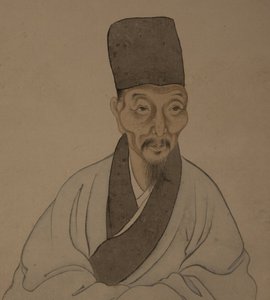
تشيو يينغ
1494 - 1552 , الصين
حقائق سريعة
- Artistic Movement Or Style: غونغبي، مدرسة وو
- Artists Or Movements Influenced By This Artist: ['فنانو سلالة مينغ']
- Artists Who Influenced This Artist: ['أساتذة سلالة سونغ']
- Date Of Birth: 1494
- Date Of Death: 1552
- Full Name: تشيو يينغ
- Nationality: صيني
- Notable Artworks:
- صعود النهر خلال مهرجان تشينغمينغ
- سيدة في غابة الخيزران
- الحكماء السبعة في غابة الخيزران
- صباح ربيعي في قصر هان
- Place Of Birth: تايكانغ، الصين