Gongbi Landscape · 1530
Handscroll (تشيو يينغ, 1530)
أبدع تشيو يينغ (1494–1552) في Handscroll. يعود تاريخها إلى 1530. تنتمي إلى حركة Gongbi Landscape. صُنعت من Acrylic On Canvas. تُحفظ في متحف المتروبوليتان للفنون في نيويورك, الولايات المتحدة الأمريكية.
- 1530
- Acrylic On Canvas
- متحف المتروبوليتان للفنون, نيويورك

 معاينة الحجم الواقعي

 لوحة زيتية مرسومة يدوياً
 مشاركة
 مشاركة
 بطاقة المعلومات


 تحميل الملف
 قطع مشابهة
 الأشعة السينية
 عرض شرائح
 الأسئلة والأجوبة

 الإحصائيات
Handscroll باختصار
- العنوان
- Handscroll
- الفنان
- تشيو يينغ (1494–1552)
- تاريخ ميلاد الفنان
- تايكانغ, الصين
- التاريخ
- 1530
- الوسيط الفني
- Acrylic On Canvas
- أماكن العرض
- متحف المتروبوليتان للفنون, نيويورك, الولايات المتحدة الأمريكية
- الحركة
- Gongbi Landscape
- الحقبة الزمنية
- Late Medieval
- الموضوع
- ming dynasty, landscape, scroll, qiu ying, luohans, chinese art
ماذا يصور Handscroll؟
Qiu Ying’s “Up the River During Qingming”: A Masterpiece of Ming Dynasty Serenity
“Up the River During Qingming,” painted by Qiu Ying during the mid-16th century, is more than just a landscape; it's a carefully constructed meditation on harmony, leisure, and the enduring beauty of nature. Attributed to one of China’s Four Masters of the Ming Dynasty – alongside Shen Zhou, Tang Yin, and Wen Zhengming – this exquisite handscroll offers a rare glimpse into the refined aesthetic sensibilities of Suzhou during that era. The work, currently residing in the collection of the National Gallery of Canada, invites viewers into a tranquil scene brimming with subtle symbolism and masterful brushwork.
Qiu Ying’s artistic journey was remarkably unconventional for his time. Rather than pursuing formal training within established art circles, he began as a lacquer artisan, honing his skills in meticulous detail – a foundation that profoundly influenced the precision and control evident throughout “Up the River During Qingming.” This early experience instilled in him an unparalleled understanding of line and color, qualities he would later translate into his celebrated landscape paintings. His apprenticeship with Zhou Chen in Suzhou further solidified his technical abilities, exposing him to the techniques of the Wu School, known for its emphasis on ink washes and a more expressive approach to nature.
A Symphony of Detail: Technique and Style
The painting’s remarkable quality stems from Qiu Ying's mastery of the gongbi technique – a highly detailed, realistic style that was favored by court painters. Each element—from the meticulously rendered bamboo stalks to the delicate folds of the pavilions—is executed with painstaking precision, creating an illusion of incredible depth and texture. Notice the subtle gradations of color achieved through layering washes of ink and pigment; this creates a luminous quality that brings the scene to life. The composition is carefully balanced, drawing the eye across the landscape in a deliberate and engaging manner. The artist’s use of loose brushwork, particularly in depicting the distant mountains and flowing river, contrasts beautifully with the tightly controlled detail of the foreground elements, demonstrating Qiu Ying's versatility and his ability to seamlessly blend different artistic approaches.
Symbolism Woven into the Landscape
“Up the River During Qingming” is rich in symbolic meaning. The scene depicts a scholar leisurely enjoying a day by the river, surrounded by carefully arranged pavilions and gardens. This imagery reflects the Confucian ideals of scholarly pursuits, contemplation, and harmony with nature – values highly esteemed during the Ming Dynasty. The presence of the tavern and the farmer gathering water vegetables adds a touch of everyday life to the scene, reminding us that even amidst beauty and tranquility, human activity continues. The bamboo grove, a recurring motif in Chinese art, symbolizes resilience, integrity, and longevity—qualities admired in virtuous individuals. The distant mountains represent permanence and stability, while the flowing river embodies fluidity and change.
A Window into Ming Dynasty Culture
Beyond its aesthetic beauty, “Up the River During Qingming” offers a valuable insight into Ming Dynasty culture. It reflects the importance of gardens as spaces for contemplation, artistic expression, and social interaction. The lavish furnishings within the pavilions—including the exquisite celadon vase—demonstrate the wealth and sophistication of the era’s elite. The painting also reveals the influence of philosophical ideas, particularly those associated with Zhou Dunyi, whose “On the Love for the Lotus” inspired the scene's composition and symbolism. Qiu Ying’s ability to seamlessly integrate these diverse elements into a cohesive and harmonious whole is a testament to his artistic skill and cultural awareness.
Collecting a Legacy: Reproduction and Inspiration
Reproductions of “Up the River During Qingming” capture only a fraction of the painting's original impact. The subtle nuances of color, texture, and brushwork are difficult to replicate fully, but high-quality reproductions offer an accessible way to appreciate Qiu Ying’s artistry. This work serves as a powerful reminder of the enduring appeal of Chinese landscape painting—a genre that continues to inspire artists and captivate viewers with its beauty, symbolism, and profound sense of serenity.
أي متحف يضم Handscroll؟
متحف المتروبوليتان للفنون
نيويورك, الولايات المتحدة الأمريكية
أصول وتاريخ متحف المتروبوليتان للفنون بدأت رحلة متحف المتروبوليتان للفنون من رؤية مشتركة صاغتها مجموعة من رجال الأعمال والممولين، جنباً إلى جنب مع نخبة من الفنانين والمفكرين الرواد. وعقب تأسيسه رسمياً في عام 1870، شرعت المؤسسة في البحث عن مستقر دائم يحتضن مقتنياتها المتنامية؛ وقبل أن يستقر في موقعه الحالي، اتخذ المتحف من عزبة "دوغلاس مانشن" في شارع 14 غرباً مقراً مؤقتاً له. كانت تلك الحقبة المبكرة بمثابة مرحلة من التكوين الهادئ، حيث بدأت ملامح المجموعة الفنية تتشكل وتتبلور بفضل التفاني والإخلاص الذي أبداه المؤسسون.


صور عالية الدقة لـ Handscroll

تشيو يينغ, Handscroll (1530), متحف المتروبوليتان للفنون. ملك عام
أسئلة وإجابات حول Handscroll
أين تُعرض "Handscroll" للفنان تشيو يينغ اليوم؟
تُعرض لوحة "Handscroll" للفنان تشيو يينغ في متحف المتروبوليتان للفنون, نيويورك, الولايات المتحدة الأمريكية. ويشير وصف المتحف إلى العمل الأصلي، وليس إلى النسخ المطبوعة.
في أي عام أُنجز "Handscroll"؟
أُبدع العمل الفني "Handscroll" للفنان تشيو يينغ في عام 1530.
ما هي التقنية المستخدمة في تنفيذ "Handscroll" للفنان تشيو يينغ؟
استخدم تشيو يينغ تقنية Acrylic On Canvas في عمل "Handscroll"، وهي التقنية التي تحدد الطبيعة المادية للعمل الأصلي.
ما هي الموضوعات التي يتناولها "Handscroll" للفنان تشيو يينغ؟
تتضمن الموضوعات المتضمنة في "Handscroll" للفنان تشيو يينغ كلاً من ming dynasty, landscape, scroll, qiu ying, luohans, chinese art, gongbi، والتي تلخص مجتمعةً فحوى العمل الفني.
هل العمل "Handscroll" ضمن الملكية العامة؟
حالة حقوق الطبع والنشر لـ "Handscroll" للفنان تشيو يينغ: العمل يقع ضمن ملك عام - انتهت مدة حماية حقوق الطبع والنشر الخاصة به، وهو ما يحدد مدى إمكانية إعادة إنتاج الصورة بحرية.
من أبدع "Handscroll"؟
تم إبداع "Handscroll" بواسطة تشيو يينغ. وتصف المعلومات الواردة في هذه الصفحة العمل الأصلي لـ تشيو يينغ.
إلى أي حركة فنية ينتمي العمل "Handscroll" للفنان تشيو يينغ؟
تنتمي "Handscroll" للفنان تشيو يينغ إلى حركة Gongbi Landscape، التي تمنح العمل سياقه الأسلوبي.
إلى أي مرحلة من مسيرة تشيو يينغ الفنية ينتمي العمل "Handscroll"؟
تندرج لوحة "Handscroll" ضمن مرحلة Mid-16th Century من مسيرة تشيو يينغ المهنية، وهي مرحلة تتيح مقارنة هذا العمل بأعمال الفنان الأخرى.
كم كان عمر تشيو يينغ عند إبداع "Handscroll"؟
كان عمر تشيو يينغ يبلغ 36 عاماً عند إبداع العمل "Handscroll" في عام 1530. تم حساب العمر بناءً على سنة ميلاد الفنان، 1494.
عن الفنان، تشيو يينغ
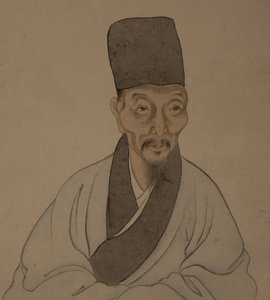
1494–1552, الصين
تشيو يينغ
حياة صيغت بضربات الفرشاة: عالم كيو يينغ وُلد كيو يينغ في ظروف متواضعة عام 1494، في بلدة تايتشانغ بالقرب من مقاطعة جيانغسو الحالية، ليرتقي ويصبح أحد أشهر رسامي سلالة مينغ. وخلافاً للعديد من فناني عصره الذين حظوا بنشأة علمية وتعليم رسمي داخل الدوائر الفنية المرموقة، كان مسار كيو يينغ عصامياً بامتياز؛ إذ لم يبدأ رحلته الفنية عبر القنوات التقليدية، بل كمبتدئ في حرفة صناعة اللاكر (الورنيش)، حيث صقل مهاراته في الأعمال الزخرفية الدقيقة، وهو ما شكل أساساً أثر بعمق على الدقة المتناهية التي ميزت لوحاته اللاحقة. لقد غرست هذه التجربة المبكرة في نفسه إتقاناً فريداً للخط واللون، وهي سمات صقلها لاحقاً تحت إشراف تشو تشن في مدينة سوزو، التي كانت مركزاً ثقافياً نابضاً بالحياة خلال عصر مينغ. وفي هذا المناخ الديناميكي، بدأ كيو يينغ يتفتح حقاً، ممتصاً التقنيات ومطوراً صوتاً فنياً ينفرد به وحده.
أعمال أخرى لـ تشيو يينغ
 Up the River During Qingming1644
 Zhao Mengfu Writing the Heart (Hridaya) Sutra in Exchange for Tea1542
 Lady Su Hui and Her Verse Puzzle501
 The Seven sages of the bamboo grove1552

مقالات حول Handscroll
 Understanding Chinese Painting: A Comparison of Gongbi and XieyiMaster the differences between Gongbi and Xieyi styles. Discover the history and techniques of Chinese ink painting now.
 25 Must-See Masterpieces at Berlin's Alte NationalgalerieExplore 25 iconic masterpieces from Berlin's Alte Nationalgalerie. From Romanticism to Impressionism, discover them all on OriginalUniqueAr…
 Understanding Chinese Art: Literati Painting and Song Academy PaintingMaster the distinction between Song Academy and Literati painting styles. Explore Chinese art history through expert analysis today.