
 معاينة الحجم الحقيقي
 مشاركة
 مشاركة
 التفاصيل

 تحميل الملف
 قطع مشابهة
 الأشعة السينية
 عرض شرائح
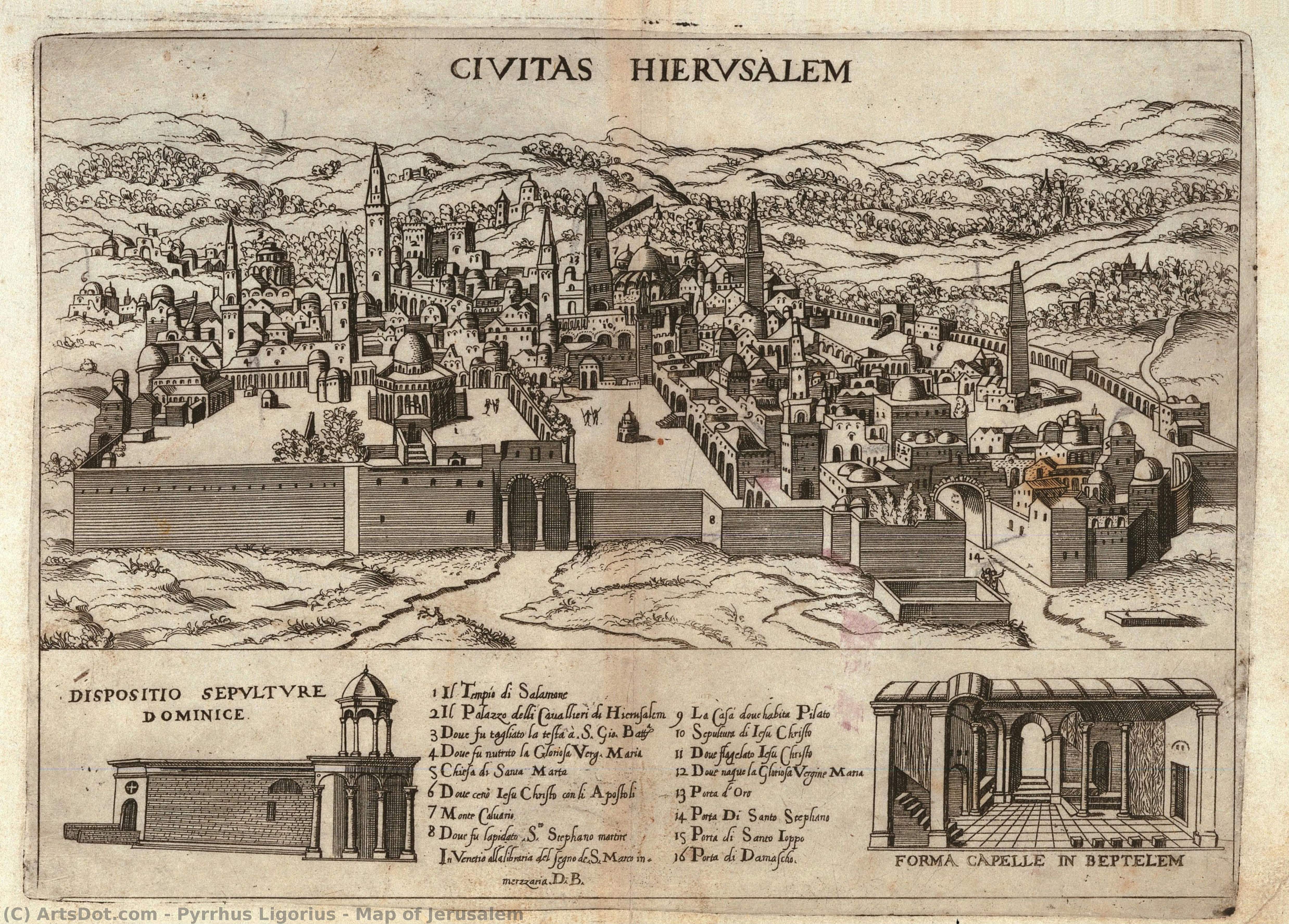
Map of Jerusalem
 Renaissance
 1580
1580- Renaissance
 19.0 x 27.0 cm
 المكتبة الوطنية الإسرائيلية
 عرض المزيد
طباعة جيلي / مطبوعات فنية
طباعة جيكلي أو كانفاس بجودة المتاحف، مع سرعة في التنفيذ وخيارات متنوعة للتشطيب. ( اشترِ لوحة مرسومة يدويًا اشترِ الصورة)




P118B $10

P118H $10

P118W $10

P438Z $10

P508JH $12

P508YH $12

P805H $10

P805Z $10

P919BZ $10

P919G $10

P919XJ $10

P959ZH $10

P968JZ $12

W106C $8

W218G $10

W218JH $8

W218Y $10

W307PJ $10

W316G $10

W316PJ $8

W316Y $10

W398PJ $8

W4111J $10

W500HY $15

W500JH $15

W692G $12

W849H $8

W940BG $15

W953PJ $8




اختر من بين أحجامنا المُعدّة مسبقًا والتي تتطابق مع النسب الأصلية للعمل الفني.

يمكنك إدخال أبعادك الخاصة لتناسب إطاراً أو مساحة معينة. وإذا لم يتطابق الحجم الذي اخترته مع نسب الصورة الأصلية، فسنقوم إما بقص العمل الفني أو تمديد الصورة باستخدام حافة معكوسة أو بلون مصمت. سيتم إرسال نموذج تجريبي رقمي لاعتمادك قبل بدء الإنتاج.
يرجى ملاحظة أن المعاينة على الشاشة لا تعكس عملية القص أو التمديد الفعلية؛ حيث سيوضح النموذج التجريبي فقط التكوين النهائي بدقة.
وعلى الرغم من توفر أحجام مخصصة، إلا أننا نوصي باختيار أبعاد من القائمة المحددة مسبقاً للحفاظ على النسب الأصلية.
توصيل عالمي إلى خلال أسبوعين بدلاً من المدة القياسية البالغة 4/5 أسابيع. 14 أغسطس

شحن سريع ومجاني لجميع أنحاء العالم

قماش كتان عالي الجودة

تأمين شحن شامل

ضمان استرداد الرسوم الجمركية

ضمان مطابقة الألوان الحقيقية

سياسة الإرجاع خلال 60 يومًا (في حالات العيوب فقط)

ضمان استرداد نقدي بنسبة 100%

خصم عند طلب عدة قطع
 خيار الزجاج متاح فقط للمقاسات التي تقل عن 110 سم

Map of Jerusalem
طباعة جيلي / مطبوعات فنية
مقاس النسخة المطبوعة
-


السعر الإجمالي النهائي
$ 80
وصف القطعة الفنية
A Window into the Renaissance Soul: The Jerusalem of Pirro Ligorio
To gaze upon Pirro Ligorio’s Map of Jerusalem is to embark on a journey through time, stepping away from the modern world and into the intricate, spiritual landscape of 1580. This exquisite painting serves as much more than a mere cartographic record; it is a vibrant, breathing tapestry of faith, architecture, and human presence. Through Ligorio’s masterful hand, the Holy City emerges not as a flat diagram, but as a living organism nestled within the rugged embrace of ancient mountains. The composition captures a profound sense of depth, where the distant peaks provide a majestic backdrop to the dense, detailed cluster of urban life below, inviting the viewer to lose themselves in the winding streets and sacred silhouettes of a bygone era.
The artistry of this piece lies in its remarkable ability to weave together the diverse threads of religious coexistence and architectural grandeur. As one’s eyes wander across the canvas, the delicate interplay of domes and spires reveals a complex spiritual topography. The presence of at least six churches and three mosques serves as a silent testament to the layered history of Jerusalem, showcasing a period where different faiths left their indelible marks upon the skyline. Ligorio, a polymath deeply enamored with classical antiquity, utilizes a meticulous technique that brings every stone, archway, and courtyard to life. The subtle variations in light and shadow across the buildings create a tactile quality, making the textures of the masonry feel almost reachable, a feat that continues to captivate collectors and historians alike.
Beyond the grand structures, the true heartbeat of the painting is found in its intimate details. Scattered throughout the scene are the tiny, delicate figures of people—the inhabitants of 16th-century Jerusalem—whose presence breathes warmth and humanity into the architectural landscape. These small strokes of life suggest a bustling, rhythmic existence, reminding us that history is composed not just of monuments, but of the souls who walked their streets. For the discerning interior designer or art lover, this painting offers an unparalleled emotional resonance. It evokes a sense of nostalgia for a lost world and a profound respect for the enduring legacy of human civilization.
Integrating a high-quality reproduction of this masterpiece into a contemporary space provides more than just decoration; it introduces a narrative of discovery and intellectual depth. Whether placed in a study filled with books or as a focal point in a grand living area, the Map of Jerusalem acts as a conversation piece that bridges the gap between the Renaissance past and the present day. It is an investment in beauty, a tribute to the spirit of exploration, and a timeless addition for anyone who finds inspiration in the intersection of art, history, and the sacred.
السيرة الذاتية للفنان
A Life Immersed in Antiquity: Pirro Ligorio and the Renaissance Rediscovery of Rome
Pirro Ligorio, born around 1510 in Naples during a period of Spanish rule, was more than simply an artist; he was a polymath consumed by the spirit of classical antiquity. While biographical details of his early life remain shrouded in some mystery—a common fate for figures navigating the complex world of Renaissance patronage—it’s clear that a thirst for knowledge and artistic expression propelled him from his native city to the burgeoning art scene of Rome around age twenty. Naples, though vibrant, offered limited opportunities compared to the papal center, which was undergoing a dramatic transformation fueled by rediscovered Roman treasures and a renewed fascination with its imperial past.
Ligorio’s initial foothold in Rome wasn't as a grand architect but as a painter specializing in façade decoration. He stepped into a void left by Polidoro da Caravaggio’s sudden departure, quickly establishing himself through his mastery of the *grotesque* style—a playful blend of fantastical motifs and fragments of ancient Roman imagery. These early commissions, though many sadly lost to time or later alterations, reveal an artist already deeply attuned to classical forms and a burgeoning talent for incorporating them into contemporary designs. His drawings from this period, often featuring architectural facades adorned with Roman characters and artifacts, offer compelling evidence of his developing aesthetic sensibilities.
The Papal Architect: Shaping the Vatican Gardens and Beyond
Ligorio’s career ascended rapidly as he gained favor within papal circles. He secured positions as Papal Architect under both Paul IV and Pius IV, a testament to his versatility and growing reputation. This appointment afforded him unprecedented access to Roman ruins and the opportunity to shape some of the most iconic spaces in the city. His most celebrated achievement during this period is undoubtedly the Villa d’Este at Tivoli, commissioned by Cardinal Ippolito II d'Este. The villa isn’t merely a residence; it’s a theatrical landscape—a cascading series of terraces, fountains, and gardens designed to evoke the grandeur of Hadrian’s Villa and other ancient Roman estates.
The Casino di Pio IV in the Vatican Gardens represents another significant undertaking. This small but exquisitely decorated retreat showcases Ligorio's skill in stucco ornamentation and his ability to create intimate spaces imbued with classical elegance. He didn’t simply replicate ancient forms; he reinterpreted them, blending Renaissance sensibilities with a deep understanding of Roman architectural principles. His work wasn’t just about aesthetics; it was about creating an experience—a journey through time that celebrated the power and beauty of the past.
Antiquarian Pursuits: A Scholar and…Fabricator?
Beyond his architectural endeavors, Ligorio possessed a profound scholarly interest in Roman antiquities. He meticulously studied ancient ruins, compiled collections of inscriptions, and published works dedicated to preserving classical knowledge. However, this passion took an unusual turn. Ligorio became notorious for creating numerous fakes—Latin inscriptions and artifacts intended to supplement incomplete historical records or simply to enhance the prestige of his patrons. This practice, while ethically questionable by modern standards, reflects a Renaissance mindset that often prioritized completing the narrative of antiquity over strict adherence to authenticity.
His motivations were complex. He believed he was filling gaps in knowledge and contributing to a more complete understanding of Roman history. Furthermore, the demand for antiquities among wealthy collectors fueled this market for fabricated artifacts. Ligorio’s work as an antiquarian, therefore, is a fascinating paradox—a testament to his scholarship alongside a willingness to manipulate historical evidence.
Legacy and Historical Significance
Pirro Ligorio died in Ferrara in 1583, leaving behind a legacy that extends far beyond the magnificent structures he designed. He embodied the Renaissance ideal of the *uomo universale*—a versatile individual skilled in multiple disciplines. His work at Villa d’Este profoundly influenced garden design for centuries to come, inspiring countless imitations and adaptations across Europe.
- Rediscovery of Classical Forms: Ligorio played a pivotal role in the Renaissance rediscovery of classical architecture and landscape design, shaping the aesthetic sensibilities of his era.
- Theatrical Landscapes: His approach to garden design—creating immersive, theatrical experiences—was groundbreaking and continues to resonate with contemporary landscape architects.
- Complex Scholarship: His antiquarian pursuits, though marred by fabrication, demonstrate a deep engagement with Roman history and culture.
- Influence on Baroque Art: Ligorio’s emphasis on ornamentation and dramatic effects foreshadowed the development of Baroque art in the 17th century.
While his reputation has been somewhat tarnished by his practice of creating fake artifacts, Pirro Ligorio remains a significant figure in Renaissance history—a testament to the power of artistic vision, scholarly curiosity, and the enduring allure of antiquity. He wasn’t simply recreating the past; he was actively shaping it, constructing a narrative that celebrated the grandeur of Rome and its lasting influence on Western civilization.

pyrrhus ligorius
1513 - 1583 , Italy
حقائق سريعة
- Artistic Movement Or Style: Renaissance, Baroque
- Date Of Birth: c. 1512
- Date Of Death: October 30, 1583
- Full Name: Pirro Ligorio
- Nationality: Italian
- Notable Artworks:
- Villa d’Este
- Casino of Pius IV
- Maps of Rome
- Place Of Birth: Naples, Italy
مقالات ذات صلة
Urban Visions: A Historical & Artistic Exploration of the Cityscape in Painting
Explore the evolution of cityscape painting from historical maps to Impressionist masterpieces. Discover artists like Caillebotte, Utrillo & Matsumoto Shunsuke. Find museum-quality reproductions at OriginalUniqueArt.
Urban Visions: A Historical & Artistic Exploration of the Cityscape in Painting
Explore the evolution of cityscape painting from historical maps to Impressionist masterpieces. Discover artists like Caillebotte & Utrillo. Find museum-quality reproductions at OriginalUniqueArt.

Concrete Visions: Exploring the Urban Landscape in Painting – From Realism to Contemporary Art
Explore the evolution of cityscape painting from Realism to contemporary art with OriginalUniqueArt. Discover key artists & invest in timeless urban visions. Expert guidance, museum-quality reproductions.

Concrete Visions: Exploring Representations of Urban Life in Modern & Contemporary Art
Explore the evolution of cityscape painting from Realism to contemporary art. Discover key artists & invest in timeless urban visions with OriginalUniqueArt's expert guidance and museum-quality reproductions.
Concrete Narratives: Exploring Urban Life in Modern & Contemporary Art
Explore the evolution of cityscape painting with OriginalUniqueArt. Discover key artists from Realism to contemporary movements & invest in timeless urban visions. Expert guidance, museum-quality reproductions.

