

 معاينة الحجم الواقعي
 إرسال
إرسال مشاركة
 عرض التفاصيل
 دليل الأعمال الفنية للطلاب

 تحميل
تحميل
 قطع مشابهة
 الأشعة السينية
 عرض شرائح متتابع
 الإحصائيات
Galatea (?)
 1509
1509 63.0 x 100.0 cm
 اقرأ المزيد
احصل على صورة رقمية عالية الدقة ومعزّزة، بجودة تفوق بكثير المعاينة عبر الإنترنت.
يتم إعداد كل ملف بعناية فائقة على أيدي متخصصينا باستخدام أدوات متقدمة ولمسات يدوية خبيرة، لضمان تمتع كل صورة بوضوح استثنائي، ودقة لونية متناهية، وتفاصيل دقيقة.
يتم تسليم الملف النهائي عبر البريد الإلكتروني في غضون 72 ساعة، وهو مُحسَّن للاستخدام الفوري في المجالات المهنية والتحريرية ومجالات الطباعة؛ وهي ذات الجودة التي تعتمد عليها كبرى استوديوهات التصميم ودور النشر والمعارض الفنية المرموقة.
صورة رقمية
حمّل ملفاً عالي الدقة للعرض الشخصي، والطباعة، والمشاريع الإبداعية. ( التبديل إلى المطبوعات اطلب نسخة مرسومة يدويًا)
مزايا مُضمّنة مع كل طلب صورة رقمية
خدمة تسليم رقمي احترافية ومضمونة
عندما تختار OriginalUniqueArt.com، فأنت لا تحصل على مجرد صورة فحسب، بل ستحصل على عمل فني رقمي مُحسّن باحترافية، صُمم بدقة متناهية ومصحوب بضمان الرضا. إليك كل ما يتضمنه طلبك تلقائياً:

تسليم سريع عبر البريد الإلكتروني
ستصلك ملفات صورك الرقمية عالية الدقة عبر البريد الإلكتروني في غضون 72 ساعة من إتمام الطلب - لتكون جاهزة للاستخدام الفوري.

ملف رقمي مُعزز بالذكاء الاصطناعي
يتم تحسين عملك الفني باحترافية باستخدام أدوات الذكاء الاصطناعي المتقدمة والتحرير اليدوي، لضمان أقصى درجات التفاصيل والوضوح ودقة الألوان.

إعادة إرسال مجانية مدى الحياة
هل حذفت ملفك أو فقدته عن طريق الخطأ؟ لا تقلق - سنعيد إرساله إليك في أي وقت، مجاناً.

بدون رسوم استيراد - على الإطلاق
استمتع بأعمالك الفنية فوراً دون أي رسوم جمركية أو ضرائب أو مصاريف شحن - فالتحميلات الرقمية دائماً ما تكون معفاة من الضرائب.

ضمان دقة الألوان
نضمن لك دقة انعكاس الألوان الأصلية في صورتك الرقمية بأقصى قدر ممكن، وذلك باستخدام أدوات احترافية وتقنيات متطورة لإدارة الألوان.

ضمان الرضا لمدة 100 يوم
إذا لم تكن راضياً عن صورتك الرقمية، فسنقوم بتعديلها أو استرداد 100% من قيمتها خلال 100 يوم - دون طرح أي أسئلة.

ضمان استعادة الأموال بنسبة 100%
لم تكن راضياً؟ استرد كامل المبلغ خلال 100 يوم من استلام ملفك الرقمي - دون طرح أي أسئلة.

خصومات الطلبات الكبيرة
اشتري 3 صور، ووفر 10% - اشتري 5، ووفر 15% - اشتري +10، ووفر 20%. مثالية للمشاريع الإبداعية، والمعارض، والوكالات.
الأسئلة والأجوبة
هل يمكنني فحص "Galatea (?)" بمزيد من التفصيل؟
تتوفر رؤية الأشعة السينية لـ "Galatea (?)" للفنان بينتوريكيو عبر صفحة الأشعة السينية الخاصة بالعمل الفني: وهي بمثابة فحص تفاعلي للصورة من خلال إحدى عشرة طبقة بصرية.
أين يمكنني شراء نسخة مطبوعة من "Galatea (?)" للفنان بينتوريكيو؟
تتوفر نسخة مطبوعة من "Galatea (?)" عبر مطبوعة فنية فاخرة على قماش قطني أو ورق كانفاس أرشيفي. يمكن تقديم الطلبات من خلال صفحة مطبوعة فنية فاخرة، بالحجم الذي تختارونه.
كيف يمكنني اكتشاف أعمال فنية مشابهة لـ "Galatea (?)" للفنان بينتوريكيو؟
تُجمع الأعمال الفنية المشابهة لـ "Galatea (?)" للفنان بينتوريكيو في صفحة أعمال مشابهة الخاصة بالعمل الفني.
سيرة الفنان
الرقة الغامضة لـ بينتوريكيو: سيد عصر النهضة
برناردينو دي بيتو، المعروف عالمياً باسم بينتوريكيو – وهو لقب أطلق عليه بمودة نظراً لضآلة بنيته – بزغ نجمه من القلب الفني لمدينة بيروجيا عام 1454. تفتحت حياته خلال حقبة شهدت مخاضاً ثقافياً هائلاً، حيث كان عصر النهضة العالي يزمن في أنحاء إيطاليا، ومع ذلك شق بينتوريكيو لنفسه مساراً فريداً، مزج فيه بين الأناقة المتبقية من التقاليد القوطية والابتكارات الناشئة في ذلك العصر. وبينما سعى عمالقة مثل ليوناردو دا فينشي وميكيل أنجيلو نحو الكمال التشريحي والواقعية الدرامية، صقل بينتوريكيو أسلوباً تميز بالرقة الرفيعة، والتفاصيل المعقدة، والحس الزخرفي النابض بالحياة. لم تكن رحلته ثورة من الاضطرابات، بل كانت تجسيداً للتهذيب البديع – وشهادة على مهارته في تحويل الأشكال الراسخة إلى شيء ساحر وفريد من نوعه.من ورش أومبريا إلى التكليفات البابوية
لا تزال بدايات تدريب بينتوريكيو محاطة بنوع من الغموض، وإن كان يُعتقد أنه صقل مهاراته تحت إشراف أساتذة أقل شهرة في بيروجيا مثل بونفيلي وفيرينزو دي لورينزو. وقد جاءت اللحظة الحاسمة عندما دخل فلك بيترو بيروجينو، الشخصية الرائدة في مدرسة أومبريا. ووفقاً لجيورمو فازاري، عمل بينتوريكيو مساعداً لبيروجينو، وهو تعاون شكل بلا شك تطوره الفني. وقد كانت هذه الصلة حاسمة في تأمين تكليف للعمل في كنيسة سيستينا في روما خلال أوائل القرن السادس عشر. ومن خلال العمل جنباً إلى جنب مع بعض أشهر فناني ذلك العصر – من بينهم بوتيتشيلي، وغيرلاندايو، وسينيوريلي – ساهم بينتوريكيو في هذا المشروع الضخم، رغم أن جدارياته دُمرت للأسف لاحقاً لإفساح المجال للوحة "الدينونة الأخيرة" لميكيل أنجيلو. ومع ذلك، كانت هذه التجربة بمثابة حجر زاوية، حيث عرضته لمدارس وتأثيرات جديدة ووطدت سمعته الفنية.فترة من العطاء: روما وشقق بورجيا
شهدت السنوات ما بين 1484 و1492 فترة من الإنتاج الغزير لبينتوريكيو، تركزت بشكل أساسي في روما. حيث تلقى تكليفات من عائلات بارزة مثل "ديلا روفيري"، مزيناً مصليات داخل كنيسة سانتا ماريا ديل بوبولو بأسلوبه المميز. وقد أظهرت هذه الأعمال براعته في تقنية الفريسكو، التي تميزت بالشخصيات الرقيقة، والخلفيات المزينة بغنى، والميل إلى الزмуخرفات المعقدة. ومع ذلك، فإن عمله لصالح البابا ألكسندر السادس – رودريغو بورجيا – هو ما رسخ مكانته حقاً في تاريخ الفن. فبتكليف منه لتزيين "شقق بورجيا" داخل قصر الفاتيكان بين عامي 1492 و1494، أبدع بينتوريكيو مجموعة من الغرف المزينة ببذخ بجداريات تصور مشاهد ميثولوجية، وبورتريهات، وتمثيلات رمزية. ورغم ما يحيط بهذه الشقق من جدل بسبب ارتباطها بعائلة بورجيا سيئة السمعة، إلا أنها تقف كنموذج رائع لفن الزخرفة في عصر النهضة، كاشفة عن قدرة بينتوريكيو على مزج الزخارف الكلاسيكية مع حسه الجمالي الفريد. إن استخدام ورق الذهب، والألوان النابضة بالحياة، والتقنيات الخداعية خلق أجواءً من الفخامة المترفة، مما عكس قوة وطموح البلاط البابوي.الإرث والتأثير الخالد
إن الإرث الفني لبينتوريكيو هو إرث من الأناقة الرفيعة والحرفية الدقيقة. ورغم أنه قد لا يكون حظي بنفس مستوى الشهرة الذي ناله بعض معاصريه، إلا أن تأثيره على الأجيال اللاحقة من الفنانين لا يمكن إنكاره. فقد تردد صدى أسلوبه الفريد – وهو مزيج متناغم بين الرقة القوطية وابتكار عصر النهضة – لدى أولئك الذين يقدرون الدقة والتفاصيل. لقد أظهر قدرة استثنائية على ابتكار تكوينات مذهلة بصرياً، كانت ممتعة جمالياً ومحفزة فكرياً في آن واحد. ويقف عمله في مكتبة بيكولوميني في سيينا، الذي اكتمل قبيل وفاته عام 1513، شاهداً على موهبته الخالدة؛ حيث تظهر الجداريات التي تصور مشاهد من حياة البابا بيوس الثاني وضوحاً في الشكل واللون ينبئ بأسلوب عصر النهضة العالي. لا يزال فن بينتوريكيو يأسر المشاهدين اليوم، ويقدم لمحة عن عالم من الجмуال والرقي والإتقان الفني – عالم ترك فيه اللمس الرقيق لـ "الرسام الصغير" بصمة لا تُمحى في مشهد فن عصر النهضة الإيطالي.-
<
- أعمال بارزة: جداريات كنيسة سيستينا (دُمرت)، شقق بورجيا في الفاتيكان، مكتبة بيكولوميني في سيينا. <
- التأثيرات: بيروجينو، مدرسة أومبريا للتصوير، التقاليد القوطية.
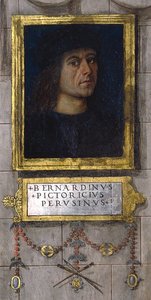
بينتوريكيو
1454 - 1513 , إيطاليا
حقائق سريعة
- أعمال فنية بارزة:
- لوحات كنيسة سيستينا الجدارية
- ديكور شقق بورجيا
- القديس أوغسطين
- بدون عنوان (739)
- الاسم الكامل: برناردينو دي بيتو
- الجنسية: إيطالي
- الحركة الفنية أو الأسلوب: عصر النهضة
- تاريخ الميلاد: 1454
- تاريخ الوفاة: 1513
- فنانون أثروا في هذا الفنان:
- بيروجينو
- بونفيلي
- فيورينزو دي لورينزو
- فنانون أو حركات تأثرت بهذا الفنان: ['رافاييل']
- مكان الميلاد: بيروجيا، إيطاليا