
 إرسال
إرسال مشاركة
 عرض التفاصيل
 دليل الأعمال الفنية للطلاب

 تحميل
تحميل
 قطع مشابهة
 عرض شرائح متتابع
 Q&A
Q&A الإحصائيات
Fountain


 اقرأ المزيد
احصل على ملف جاهز للطباعة يتجاوز بمراحل جودة المعاينة عبر الإنترنت. فكل صورة رقمية نبيعها مستمدة من نسخة أصلية عالية الدقة في قاعدة بياناتنا — تتراوح عرضها عادةً بين 5,000 إلى 15,000 بكسل — مما يتيح لك الطباعة بأحجام كبيرة، أو الاقتصاص بدقة، أو إعادة إنتاج التفاصيل الدقيقة بكل ثقة.
لا تخرج أي صورة من استوديو الخاص بنا دون أن تمر بعملية معالجة دقيقة؛ حيث يقوم خبير رقمي بمطابقة الألوان مع اللوحة الأصلية وتصحيحها عند الضرورة، ثم يعمل على تحسين الوضوح والتفاصيل باستخدام أدوات ترميم احترافية — مع الحفاظ دائماً على أمانة نقل ضربات فرشاة الفنان وأسلوبه. والنتيجة هي صورة تبدو كأنها اللوحة ذاتها، وليست مجرد مسح ضوئي خاضع للفلاتر.
تتم عملية الاعتماد قبل الإتمام النهائي: حيث يرسل خبيرنا الصورة عبر البريد الإلكتروني في غضون 72 ساعة لمراجعتها من قبلك. هل لم تنل النتيجة إعجابك؟ يمكنك طلب تحسينات أو تصحيحات، أو طلب استرداد الأموال إذا لم تكن الجودة بالمستوى المطلوب.
هذه هي الجودة التي يعتمد عليها الناشرون، واستوديوهات التصميم، والمعارض، والمطابع.
صورة رقمية
حمّل ملفاً عالي الدقة للعرض الشخصي، والطباعة، والمشاريع الإبداعية. ( التبديل إلى المطبوعات اطلب نسخة مرسومة يدويًا)
مزايا مُضمّنة مع كل طلب صورة رقمية
خدمة تسليم رقمي احترافية ومضمونة
عندما تختار OriginalUniqueArt.com، فأنت لا تحصل على مجرد صورة فحسب، بل ستحصل على عمل فني رقمي مُحسّن باحترافية، صُمم بدقة متناهية ومصحوب بضمان الرضا. إليك كل ما يتضمنه طلبك تلقائياً:

تسليم سريع عبر البريد الإلكتروني
ستصلك ملفات صورك الرقمية عالية الدقة عبر البريد الإلكتروني في غضون 72 ساعة من إتمام الطلب - لتكون جاهزة للاستخدام الفوري.

ملف رقمي مُعزز بالذكاء الاصطناعي
يتم تحسين عملك الفني باحترافية باستخدام أدوات الذكاء الاصطناعي المتقدمة والتحرير اليدوي، لضمان أقصى درجات التفاصيل والوضوح ودقة الألوان.

إعادة إرسال مجانية مدى الحياة
هل حذفت ملفك أو فقدته عن طريق الخطأ؟ لا تقلق - سنعيد إرساله إليك في أي وقت، مجاناً.

بدون رسوم استيراد - على الإطلاق
استمتع بأعمالك الفنية فوراً دون أي رسوم جمركية أو ضرائب أو مصاريف شحن - فالتحميلات الرقمية دائماً ما تكون معفاة من الضرائب.

ضمان دقة الألوان
نضمن لك دقة انعكاس الألوان الأصلية في صورتك الرقمية بأقصى قدر ممكن، وذلك باستخدام أدوات احترافية وتقنيات متطورة لإدارة الألوان.

ضمان الرضا لمدة 100 يوم
إذا لم تكن راضياً عن صورتك الرقمية، فسنقوم بتعديلها أو استرداد 100% من قيمتها خلال 100 يوم - دون طرح أي أسئلة.

ضمان استعادة الأموال بنسبة 100%
لم تكن راضياً؟ استرد كامل المبلغ خلال 100 يوم من استلام ملفك الرقمي - دون طرح أي أسئلة.

خصومات الطلبات الكبيرة
اشتري 3 صور، ووفر 10% - اشتري 5، ووفر 15% - اشتري +10، ووفر 20%. مثالية للمشاريع الإبداعية، والمعارض، والوكالات.
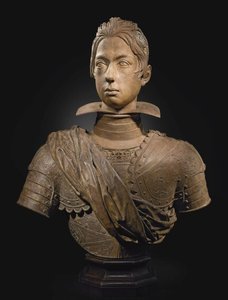
Pietro Tacca’s Monumental Vision: Exploring “Fountain”
The sculpture "Fountain," attributed to Pietro Tacca (1577 – 1640), stands as a testament to the artistic fervor of Florence during the twilight years of Mannerism and the burgeoning influence of Baroque aesthetics. Crafted in 1629, this monumental piece embodies Tacca’s masterful synthesis of stylistic approaches—a harmonious blend that cemented his reputation as one of the era's foremost sculptors. Situated within Piazza della Santissima Annunziata, Florence, it serves not merely as a decorative element but as a conduit to understanding the intellectual and artistic currents shaping Renaissance Italy.A Synthesis of Mannerist Elegance and Baroque Dynamism
Tacca’s formative apprenticeship under Giambologna instilled in him a profound appreciation for refined sculptural technique and compositional balance—characteristics firmly rooted in Mannerist tradition. However, Tacca swiftly embraced the dynamism and theatrical grandeur championed by Baroque artists, resulting in a sculpture that transcends stylistic boundaries. Unlike the static poses favored by earlier Mannerists, “Fountain” depicts figures engaged in active movement, conveying a sense of energy and narrative complexity. This deliberate juxtaposition reflects the broader artistic shift toward portraying emotion and drama—a hallmark of the Baroque period’s ambition to inspire awe and convey moral instruction.The Sculpture's Composition and Technique: Marble Mastery
“Fountain” showcases Tacca’s unparalleled skill in manipulating marble—a material synonymous with Florentine sculpture during this era. The sculpture is executed in Carrara marble, renowned for its purity and luminosity, allowing Tacca to achieve remarkable textural detail and tonal gradation. Careful observation reveals the sculptor's meticulous attention to surface treatment, employing techniques such as polishing and etching to accentuate contours and create subtle variations in color. Furthermore, the sculpture’s pyramidal structure—a favored compositional device during both Mannerist and Baroque periods—provides stability while simultaneously directing the viewer’s gaze upward, reinforcing the artwork’s monumental scale and conveying a sense of aspiration.Symbolism Rooted in Mythological Narrative
The sculpture's narrative draws heavily upon classical mythology, specifically referencing tales of Perseus slaying Medusa and Asclepius reviving Hippocrates—figures imbued with potent symbolic significance. The intertwined serpents represent wisdom and vigilance, guarding the sacred knowledge embodied by the central figures. Foliage symbolizes rebirth and regeneration, mirroring the mythological themes explored within the artwork. Tacca’s deliberate selection of imagery underscores the sculpture's intention to communicate profound ideas about heroism, mortality, and the pursuit of spiritual enlightenment—concepts that resonated deeply with audiences during Tacca’s lifetime.Emotional Resonance: A Legacy of Artistic Grandeur
“Fountain” transcends mere visual representation; it evokes a palpable emotional response in viewers. The sculpture's imposing presence commands attention, prompting contemplation on themes of power and beauty. Its refined craftsmanship speaks to the humanist ideals prevalent during Tacca’s time—a celebration of human intellect and artistic creativity. Today, reproductions of “Fountain” continue to inspire admiration for Tacca’s genius and serve as reminders of Florence's enduring legacy as a cradle of artistic innovation. It remains an unforgettable masterpiece, embodying the spirit of its era and captivating audiences with its timeless grandeur.الأسئلة والأجوبة
ما الذي تشترك فيه "Fountain" مع بقية أعمال Pietro Tacca؟
تتشارك لوحة "Fountain" مع أعمال Pietro Tacca الأخرى في أسلوبها الذي ينتمي إلى Baroque والموضوعات المتكررة: classical roman influence, medici patronage & power, mythological narrative, allegory of control, taccia's baroque mastery, sculptural counterpoint, bronze fountain innovation, monumental civic art.
كيف يلتقي الأسلوب الفني مع العصر في "Fountain" للفنان Pietro Tacca؟
في "Fountain" للفنان Pietro Tacca، تلتقي حركة Baroque مع عصر Early Modern.
إلى أي مرحلة من مسيرة Pietro Tacca المهنية تعود تاريخ 1629 لعمل "Fountain"؟
تعد لوحة "Fountain"، التي أُبدعت في عام 1629، من أعمال حقبة Mature Period في مسيرة Pietro Tacca الفنية.
سيرة الفنان
The Sculptural Legacy of Pietro Tacca
In the heart of Tuscany, where the white marble of Carrara meets the golden light of Florence, the life of Pietro Tacca unfolded as a bridge between two monumental eras of art history. Born in 1577, Tacca emerged from a lineage of craftsmen to become a defining voice in the transition from the elegant, often artificial complexities of Mannerism to the visceral, dramatic energy of the Baroque. His journey was not merely one of personal ambition but a profound evolution of form, where the controlled grace of his predecessors gave way to a new, breathing realism that captured the very essence of movement and emotion.
The foundation of Tacca’s genius was laid within the legendary workshop of Giambologna. Entering the atelier in 1592, the young sculptor became more than just an apprentice; he became a custodian of a sophisticated aesthetic language. Under Giambologna’s watchful eye, Tacca mastered the intricate art of bronze casting and the delicate balance of asymmetrical compositions. While his early works retained the stylized elegance and elongated proportions characteristic of Mannerist tradition, there was an emerging hunger in his work for something more tangible, more human, and infinitely more dynamic.
The Medici Court and the Bronze Masterpieces
Following the passing of his mentor in 1608, Tacca ascended to the prestigious position of court sculptor for the Medici Grand Dukes. This appointment was a transformative milestone, granting him the resources and the monumental scale required to execute works of immense historical significance. As the favored artist of the Florentine elite, he navigated the demands of powerful patrons with a skill that blended political prestige with artistic innovation. His ability to translate the grandeur of the Medici dynasty into permanent, bronze reality helped define the visual identity of Florence during this golden age.
One of his most enduring contributions to the city's landscape is perhaps found in his mastery of smaller-scale bronze works that possessed a life of their own. The famous Porcellino, a bronze boar that has become a beloved icon of Florentine folklore, exemplifies his ability to infuse even a single subject with charm and vitality. Beyond these charming figures, Tacca’s work on equestrian statues—such as the tribute to Ferdinand I de' Medici—demonstrated his capacity for monumental storytelling, capturing the power and authority of the ruling class through sweeping gestures and muscular tension.
A Synthesis of Drama and Realism
As Tacca’s career progressed, the influence of the Baroque style became increasingly undeniable. He moved away from the intellectualized puzzles of Mannerist sculpture toward a more direct engagement with the viewer's emotions. His later works, such as the poignant Tarquinius and Lucretia, showcase a profound command over narrative tension and psychological depth. In these pieces, the metal seems to lose its rigidity, adopting the softness of skin and the heavy drape of fabric, creating a sense of theatricality that was revolutionary for his time.
The historical significance of Pietro Tacca lies in this very synthesis of styles. He did not simply abandon the lessons of Giambologna; rather, he expanded them to accommodate a world that was beginning to crave realism and emotional resonance. His legacy is etched into the bronze and marble of Italy, representing a moment in time when art moved from the cerebral to the visceral, ensuring that the sculptural traditions of Florence would continue to pulse with life long after his death in 1640.
Pietro Tacca
1577 - 1640 , Italy
حقائق سريعة
- Full Name: Pietro Tacca
- Nationality: Italian
- Date Of Birth: 1577
- Date Of Death: 1640
- Place Of Birth: Carrara, Italy
- Notable Artworks:
- Monument of the Four Moors
- Equestrian Monument to Philip IV
- Porcellino Florence
- Artistic Movement Or Style: Baroque & Mannerism
- Artists Who Influenced This Artist: ['Giambologna']
- Artists Or Movements Influenced By This Artist: ['Louis XIV']