

 معاينة الحجم الواقعي
 إرسال
إرسال مشاركة
 عرض التفاصيل
 دليل الأعمال الفنية للطلاب

 تحميل
تحميل
 قطع مشابهة
 الأشعة السينية
 عرض شرائح متتابع
 الإحصائيات
The Sagredo Family
 Oil On Canvas
- WallArt
- Rococo Painting
 1752
1752 62.0 x 51.0 cm
 Fondazione Querini Stampalia
 اقرأ المزيد
طباعة جيلي / مطبوعات فنية
طباعة جيكلي أو كانفاس بجودة المتاحف، مع سرعة في التنفيذ وخيارات متنوعة للتشطيب. ( اطلب نسخة مرسومة يدويًا التحويل إلى الصورة الرقمية)




P118B $10

P118H $10

P118W $10

P438Z $10

P508JH $12

P508YH $12

P805H $10

P805Z $10

P919BZ $10

P919G $10

P919XJ $10

P959ZH $10

P968JZ $12

W106C $8

W218G $10

W218JH $8

W218Y $10

W307PJ $10

W316G $10

W316PJ $8

W316Y $10

W398PJ $8

W4111J $10

W500HY $15

W500JH $15

W692G $12

W849H $8

W940BG $15

W953PJ $8




اختر من بين أحجامنا المُعدّة مسبقاً والتي تتوافق مع النسب الأصلية للعمل الفني.

يمكنك إدخال أبعاد خاصة لتناسب إطاراً أو مساحة معينة. وفي حال عدم تطابق الحجم المختار مع نسب الصورة الأصلية، سنقوم إما بقص العمل الفني أو تمديد الصورة باستخدام حافة معكوسة أو لون مصمت. وسيتم إرسال نموذج تجريبي رقمي لاعتمادك قبل بدء عملية الإنتاج.
يرجى ملاحظة أن المعاينة على الشاشة لا تعكس عملية القص أو التمديد الفعلية؛ حيث سيوضح النموذج التجريبي فقط التكوين النهائي بدقة.
وعلى الرغم من توفر أحجام مخصصة، إلا أننا نوصي باختيار أبعاد من القائمة المحددة مسبقاً للحفاظ على النسب الأصلية.
توصيل عالمي إلى خلال أسبوعين بدلاً من المدة القياسية البالغة 4/5 أسابيع. (25 سبتمبر)

شحن سريع ومجاني لجميع أنحاء العالم

قماش كتان فاخر

تأمين شامل على الشحن

ضمان استرداد الرسوم الجمركية

ضمان دقة مطابقة الألوان

سياسة الإرجاع خلال 100 يوم (في حالات العيوب فقط)

ضمان استرداد نقدي بنسبة 100%

عرض خصم الكميات
 خيار الزجاج متاح فقط للمقاسات التي تقل عن 110 سم

The Sagredo Family
طباعة جيلي / مطبوعات فنية
مقاس النسخة المطبوعة
-


إجمالي السعر
$ 80
The Sagredo Family: A Venetian Portrait of Grace and Status
Pietro Longhi’s “The Sagredo Family,” painted in 1752, is more than just a portrait; it's a meticulously crafted tableau vivant—a snapshot of aristocratic life within the opulent heart of Venice. This captivating work offers a rare glimpse into the refined world of the Sagredos, a prominent Venetian family who commissioned this intimate gathering to commemorate a significant occasion, likely a family celebration or perhaps even a milestone birthday. Longhi’s skill lies not merely in his technical mastery but in his ability to imbue the scene with an atmosphere of understated elegance and quiet dignity, hallmarks of the Rococo style that flourished during the mid-18th century.
The composition itself is remarkably balanced, drawing the eye towards the central group seated within a richly decorated interior. The family—a mother, father, children, and servants—are arranged with careful consideration, each figure contributing to the overall sense of order and formality. Notice how Longhi subtly guides our gaze through the room – from the intricately carved furniture and draped fabrics to the delicate details of the clothing, all rendered with a remarkable level of precision. The inclusion of a male servant presenting a tray adds a touch of domesticity, grounding the scene in everyday life while simultaneously reinforcing the family’s status.
A Symphony of Color and Light
Longhi's palette is deliberately restrained, leaning towards muted blues, creamy whites, and warm browns—a characteristic of Venetian painting at this time. These cool tones are expertly blended to create a sense of depth and atmosphere, while the subtle gradations in color suggest the luxurious textures of silk, velvet, and brocade. The diffused lighting, carefully considered by Longhi, eliminates harsh shadows, bathing the scene in an even glow that enhances the figures’ features and highlights the richness of their attire. The artist masterfully employs light to create a sense of intimacy and warmth within the formal setting.
Technically, “The Sagredo Family” is a testament to Longhi's skill as a portraitist. His brushwork is smooth and refined, particularly evident in the rendering of fabrics—the folds of the dresses, the sheen of the velvet cushions, and the delicate embroidery on the clothing are all depicted with exquisite detail. The artist’s meticulous attention to surface texture adds a remarkable tactile quality to the painting, inviting the viewer to almost reach out and touch the luxurious materials.
Historical Context: Venetian Rococo at its Finest
“The Sagredo Family” is firmly rooted in the Venetian Rococo style, a movement that emerged from the Baroque tradition and embraced themes of elegance, grace, and intimacy. Venice during this period was experiencing a golden age of artistic innovation, fueled by wealth generated from trade and maritime power. The city’s aristocratic families—such as the Sagredos—were eager to display their status through lavish interiors and commissioned works of art that reflected their refined tastes. Longhi's work perfectly captures this spirit of the era, offering a window into the social customs and artistic sensibilities of 18th-century Venice.
It’s important to note that Longhi’s approach differed from some of his contemporaries. While other Venetian painters often depicted grand historical scenes or mythological narratives, Longhi focused on capturing the everyday lives of Venetians—a departure that earned him the moniker “Venetian Hogarth.” His genre paintings offer a remarkably intimate and honest portrayal of bourgeois society, revealing both its beauty and its complexities.
Symbolism and Emotional Resonance
Beyond its technical brilliance, “The Sagredo Family” is rich in symbolism. The formal attire worn by the family members—particularly the elaborate gowns and richly embroidered jackets—serves as a clear indicator of their wealth and status. The carefully posed arrangement of figures conveys a sense of familial unity and harmony, while the inclusion of the servant subtly reinforces the social hierarchy within the household. The painting’s overall mood is one of quiet dignity and understated elegance, reflecting the values prized by Venetian aristocracy.
Ultimately, “The Sagredo Family” is more than just a portrait; it's a celebration of family, status, and the refined beauty of Venetian life. It invites us to step back in time and experience the world through the eyes of a wealthy Venetian family, offering a poignant reminder of the enduring power of art to capture both the outward appearance and the inner spirit of a bygone era.
نبذة عن الفنان
حياة بيترو لونغي: مُزَخْرِف الحياة اليومية في البندقية
ولد بيترو لونغي، المعروف سابقًا باسم بيترو فالكا، في مدينة البندقية بتاريخ 5 نوفمبر عام 1701. لم يكن لونغي يرسم الروايات التاريخية العظيمة أو المشاهد الأسطورية؛ بل كان يلتقط الدراما الهادئة التي تتكشف داخل المنازل الأنيقة والشوارع المزدحمة للمدينة. اشتهر بلوحاته النوعية الساخرة – لمحات حميمة في حياة البنادقة في القرن الثامن عشر، وهي ابتعاد عن الاتجاهات الفنية السائدة في عصره. ابن أليساندرو فالكا، صانع الفضة، بدأ تدريبه المبكر تحت إشراف أنطونيو باليسترا من فيرونا، الذي تعرف على موهبة الفنان الشاب ورعاها. سيعمل هذا الأساس في التقنية التقليدية لاحقًا كعنصر مضاد دقيق للروح المبتكرة التي أدخلها لونغي على الموضوع الذي اختاره. تبنى اسم "لونغي" عند بدء حياته الفنية، وهو بمثابة تخلص رمزي من مهنة والده والسعي وراء الرسم.من المشاهد الدينية إلى الدواخل البندقية
عكست أعمال لونغي الأولية توقعات العصر: هيمنت المذابح والموضوعات الدينية على محفظته المبكرة. يوضح مذبحه عام 1732 لكنيسة سان بيليغرينو إتقانه للمهارات التقليدية، ويعرض ضربات فرشاة مكسورة وتزجيجات ألوان نابضة بالحياة تتميز بالرسم البندقي. ومع ذلك، في أواخر الثلاثينيات من القرن الثامن عشر، وجد لونغي صوته الحقيقي، وتحول نحو المشاهد النوعية الصغيرة التي ستحدد إرثه. لم يكن هذا الانتقال مجرد تغيير في الموضوع؛ بل مثل مشاركة متعمدة في التحولات الاجتماعية والثقافية الناشئة في ذلك الوقت. شهد القرن الثامن عشر اهتمامًا متزايدًا بالحياة الخاصة للبرجوازية، والتركيز على الحياة المنزلية والطقوس اليومية. التقط لونغي هذا التحول ببراعة، وقدم للمشاهدين نافذة إلى المجتمع البندقي كانت ساحرة وساخرة بشكل خفي. تزوج من كاترينا ماريا ريتزي عام 1732 وأنجبا معًا أحد عشر طفلاً، لم ينج منهم سوى ثلاثة أطفال بالغين. هذه الحياة الشخصية، على الرغم من أنها لا تنعكس بشكل مباشر في فنه، إلا أنها شكّلت بلا شك فهمه للعالم المنزلي الذي صوره بشكل متكرر."هوغارث البندقي" وعين ساخرة
اكتسب لونغي سريعًا لقب "وليام هوغارث البندقي"، وهو شهادة على قدرته على غرس التعليقات الاجتماعية في المشاهد التي تبدو بريئة ظاهريًا. مثل هوغارث، لم يتردد لونغي في تصوير نقاط ضعف الإنسان والتناقضات المجتمعية. ومع ذلك، بينما كان سخرية هوغارث غالبًا ما تكون حادة وأخلاقية، كانت سخرية لونغي أكثر دقة، ومليئة بالسخرية اللطيفة. لوحاته مليئة بالشخصيات المقنعة – إشارة إلى احتفالات الكرنفال المنتشرة في البندقية – منخرطة في أنشطة مختلفة، بدءًا من القمار والمغازلة وحتى الاجتماعات السرية والمعاملات المشبوهة. على سبيل المثال، تقدم لوحة *الرسالة* مشهدًا مليئًا بالوقاحة الضمنية، مما يشير إلى التيارات الخفية للمجتمع البندقي. لم يكن لونغي ببساطة يسجل الحياة كما هي؛ بل كان يقدم تعليقًا ماكرًا على تعقيداتها وتناقضاتها. قدرته على التقاط هذه الفروق الدقيقة هو ما يميزه، ويرفع مشاهدة النوعية الخاصة به إلى ما وراء مجرد التوثيق إلى الملاحظات الاجتماعية الثاقبة.التقنية والتأثير والإرث الدائم
كانت تقنية لونغي مميزة مثل موضوعه. فضل القماش الصغير، المرسوم بدقة بلمسة دقيقة وعين حريصة على التفاصيل. تغمر المساحات الداخلية الخاصة به الضوء الناعم، مما يخلق جوًا من الحميمية والواقعية. كان لديه قدرة رائعة على تصوير القوام – لمعان الحرير، وخشونة الخشب، والطيات الدقيقة للنسيج – وإضافة العمق والأصالة إلى مشاهدة. بينما تأثر بالأساتذة البندقيين السابقين مثل جوزيبي ماريا كريسبي، فقد شق لونغي طريقه الخاص، متوقعًا التطورات اللاحقة في الرسم النوعي. لاقت أعماله صدى لدى الجمهور المعاصر الذي قدر قدرته على التقاط روح عصرهم. شغل منصب مدير أكاديمية الرسم والنحت من عام 1763 فصاعدًا، مما عزز موقفه داخل عالم الفن البندقي. أصبح ابنه أليساندرو لونغي أيضًا رسامًا، وساعده في عمولات الصور اللاحقة. توفي بيترو لونغي في 8 مايو عام 1785، تاركًا وراءه مجموعة من الأعمال التي تستمر في إبهار وإثارة المشاهدين اليوم. يظل شخصية حيوية في تاريخ الفن البندقي، ويحتفل به لمزيجه الفريد من الملاحظة والفكاهة والمهارة التقنية – وهو مؤرخ حقيقي للحياة في القرن الثامن عشر.أعمال بارزة
- الخياط (Gallerie dell'Accademia, Venice)
- المعمودية (Fondazione Querini Stampalia, Venice)
- رسام في مرسمه (Ca’ Zenobio, Venice)
- الحفل الموسيقي
- الدجال
- معرض وحيد القرن (National Gallery, London)

بيترو لونغي
1701 - 1785 , إيطاليا
لمحة سريعة
- أعمال بارزة:
- خياط
- المعمودية
- رسام في مرسمه
- الاسم الكامل: بيترو لونغي
- الجنسية: إيطالي
- الحركة الفنية: الرسم الفينيسي, روكوكو
- تاريخ الميلاد: 5 نوفمبر 1701
- تاريخ الوفاة: 8 مايو 1785
- فنانون مؤثرون:
- أنطونيو باليسترا
- جوزيبي ماريا كريسبى
- فنانون متأثرون: ['ويليام هوجارث']
- مكان الميلاد: البندقية، إيطاليا
مقالات ذات صلة
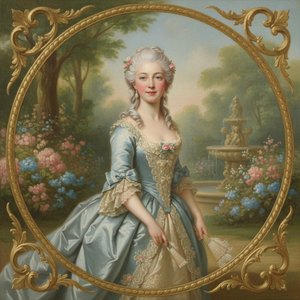
The Elegance of Rococo Portraiture: A Journey Through Grace, Soft Light, and Pastel Dreams
Discover the exquisite world of Rococo portraiture. Explore the delicate beauty of 18th-century French art, from pastel light to graceful asymmetry, and learn how to bring this era of elegance into your home through masterfully hand-painted oil reproductions.

The Enduring Legacy of Family Portraiture: A Historical & Artistic Exploration
Explore the rich history of family portraiture with OriginalUniqueArt. Discover artistic styles, symbolism & collecting insights. Commission a custom oil painting or appraise your existing artwork today!

أفضل 10 روائع تحدد حركة الروكوكو الفني: سحر وجماليات لا تُضاهى | OriginalUniqueArt
اكتشف روائع الروكوكو! استكشف 10 لوحات فنية خالدة تحدد هذا الطراز الفني الساحر. تعرف على الفنانين، الأساليب، وجماليات عصر الروكوكو. احصل على نسخ فنية عالية الجودة وديكورات منزلية مستوحاة من روائع تاريخية. استكشف المجموعة الكاملة على OriginalUniqueArt.com

The Rococo Aesthetic: Opulence, Rebellion & the Pursuit of Pleasure in 18th-Century Art
Explore the opulent world of Rococo art! Discover its origins, key artists like Watteau & Boucher, and lasting influence on design. Expert insights for collectors & enthusiasts.

Pietro Longhi's Venetian Scenes: A Study of Rococo Society & Domestic Life
Explore the captivating world of Pietro Longhi's Venetian scenes! Discover insightful analysis of his Rococo masterpieces & social commentary on 18th-century life. Learn about this 'Venetian Hogarth' and his lasting artistic legacy.