
 معاينة الحجم الواقعي
 إرسال
إرسال مشاركة
 عرض التفاصيل
 دليل الأعمال الفنية للطلاب

 تحميل
تحميل
 قطع مشابهة
 الأشعة السينية
 عرض شرائح متتابع
 الإحصائيات
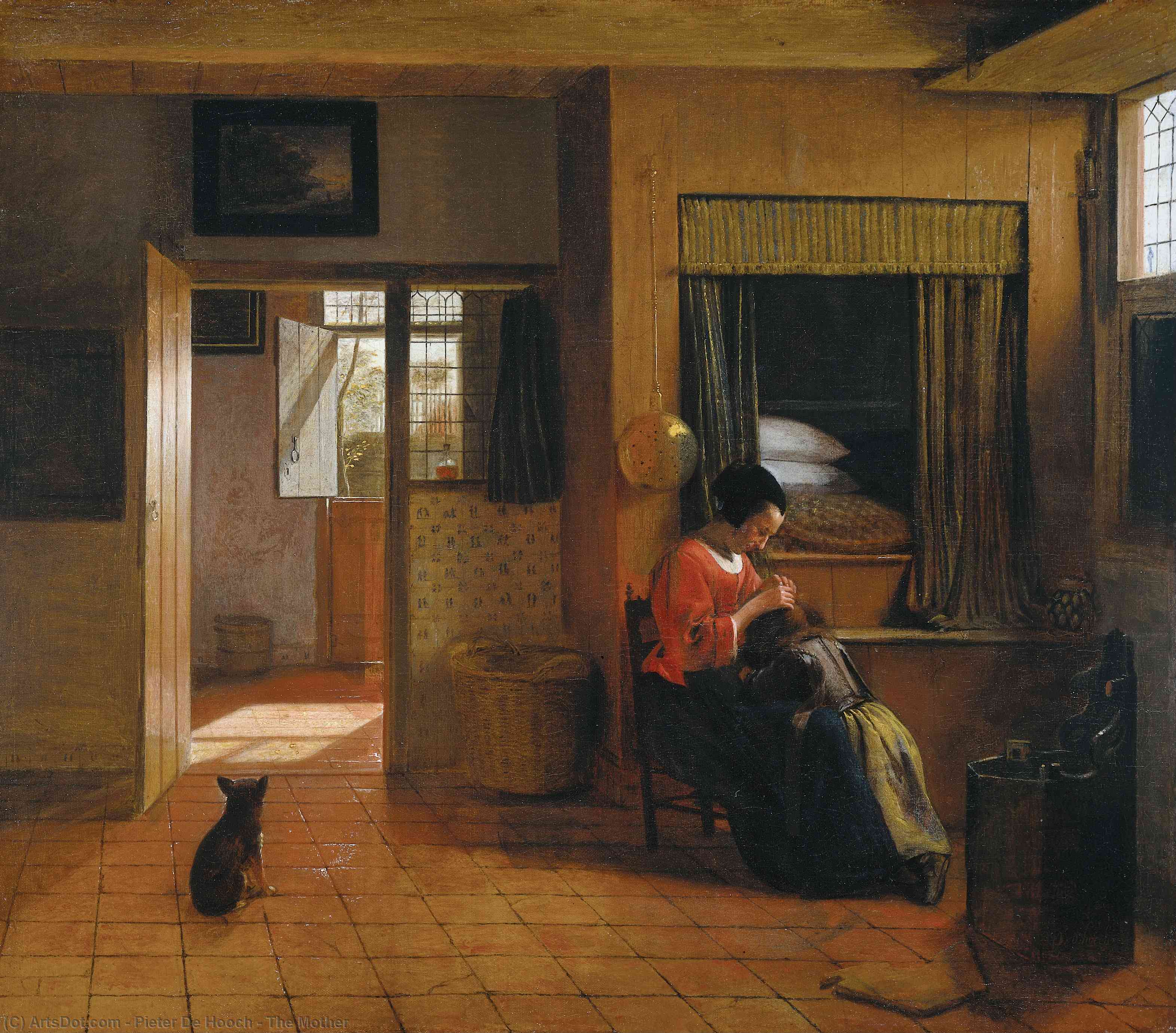
The Mother
 Oil On Canvas
- WallArt
- Dutch Golden Age
 1660
1660- Early Modern
 52.0 x 61.0 cm
 Rijksmuseum
 اقرأ المزيد
طباعة جيلي / مطبوعات فنية
طباعة جيكلي أو كانفاس بجودة المتاحف، مع سرعة في التنفيذ وخيارات متنوعة للتشطيب. ( اطلب نسخة مرسومة يدويًا التحويل إلى الصورة الرقمية)




P118B $10

P118H $10

P118W $10

P438Z $10

P508JH $12

P508YH $12

P805H $10

P805Z $10

P919BZ $10

P919G $10

P919XJ $10

P959ZH $10

P968JZ $12

W106C $8

W218G $10

W218JH $8

W218Y $10

W307PJ $10

W316G $10

W316PJ $8

W316Y $10

W398PJ $8

W4111J $10

W500HY $15

W500JH $15

W692G $12

W849H $8

W940BG $15

W953PJ $8




اختر من بين أحجامنا المُعدّة مسبقاً والتي تتوافق مع النسب الأصلية للعمل الفني.

يمكنك إدخال أبعاد خاصة لتناسب إطاراً أو مساحة معينة. وفي حال عدم تطابق الحجم المختار مع نسب الصورة الأصلية، سنقوم إما بقص العمل الفني أو تمديد الصورة باستخدام حافة معكوسة أو لون مصمت. وسيتم إرسال نموذج تجريبي رقمي لاعتمادك قبل بدء عملية الإنتاج.
يرجى ملاحظة أن المعاينة على الشاشة لا تعكس عملية القص أو التمديد الفعلية؛ حيث سيوضح النموذج التجريبي فقط التكوين النهائي بدقة.
وعلى الرغم من توفر أحجام مخصصة، إلا أننا نوصي باختيار أبعاد من القائمة المحددة مسبقاً للحفاظ على النسب الأصلية.
توصيل عالمي إلى خلال أسبوعين بدلاً من المدة القياسية البالغة 4/5 أسابيع. (25 سبتمبر)

شحن سريع ومجاني لجميع أنحاء العالم

قماش كتان فاخر

تأمين شامل على الشحن

ضمان استرداد الرسوم الجمركية

ضمان دقة مطابقة الألوان

سياسة الإرجاع خلال 100 يوم (في حالات العيوب فقط)

ضمان استرداد نقدي بنسبة 100%

عرض خصم الكميات
 خيار الزجاج متاح فقط للمقاسات التي تقل عن 110 سم

The Mother
طباعة جيلي / مطبوعات فنية
مقاس النسخة المطبوعة
-


إجمالي السعر
$ 80
A Window Into Domestic Tranquility
Pieter de Hooch's “The Mother” (circa 1660) stands as a quintessential emblem of Dutch Golden Age artistry—a serene tableau that transcends mere representation to embody the very values and sensibilities of its era. Captured on canvas with meticulous detail, this painting transports viewers into a softly lit bedroom interior where a woman diligently attends to her child’s care. More than just a portrait, it is an exploration of motherhood, quiet contemplation, and the subtle beauty found within everyday domestic life. The scene unfolds as a tender moment of intimacy, inviting the observer to step into a world where time seems to slow, and the frantic pace of the outside world is replaced by the rhythmic, peaceful motions of household devotion.
The composition is masterfully orchestrated to guide the eye through a narrative of light and shadow. De Hooch employs a pyramidal structure, a classical technique that provides stability to the scene while directing our gaze upward toward the window. This window serves as the painting's soul, acting as a crucial element in establishing a luminous, ethereal quality. Through its frame, natural light pours into the room, illuminating the textures of the space—from the delicate thread held by the mother to the smooth surfaces of the furniture. The artist’s use of chiaroscuro—the dramatic interplay between light and dark—sculpts the forms within the room, imbuing the simple act of sewing or tending to a child with an almost sacred emotional resonance.
The Artistry of the Dutch Golden Age
To understand the brilliance of “The Mother,” one must look at the technical mastery De Hooch brought to the genre of kamergezichten, or room-views. His style is characterized by a profound attention to detail and a naturalism that makes the atmosphere feel palpable. The brushstrokes are delicately blended to create soft shadows and highlights, enhancing the sense of depth and conveying an impression of stillness. Every element in the room—the presence of a cat resting near the woman, the placement of books in the corner, and the subtle glint of light on a ceramic bowl—is rendered with a precision that celebrates the material reality of seventeenth-century Holland.
This technical prowess was not merely for show; it served to ground the painting in a recognizable, lived-in reality. For collectors and lovers of fine art, the painting offers a masterclass in how light can be used to define space and mood. The way the sunlight interacts with the interior elements creates a sense of warmth and comfort, making the artwork not just a piece to be viewed, but an environment to be experienced. It is this ability to transform the mundane into the magnificent that makes De Hooch’s work so enduringly captivating for modern interiors.
A Reflection of Social Virtue and Stability
Beyond its aesthetic beauty, “The Mother” serves as a historical mirror, reflecting the significant social transformations occurring in the Netherlands during the mid-seventeenth century. As the Dutch middle class burgeoned, so too did a new set of values centered on family life, moral virtue, and domestic stability. De Hooch’s depiction of a woman engaged in quiet, productive work within the sanctuary of her home aligns perfectly with these cultural aspirations. The inclusion of fine details, such as the Delft blue tiles adorning the walls, speaks to the pride in Dutch craftsmanship and the burgeoning prosperity of the era.
For the discerning decorator or art enthusiast, this piece offers more than just visual elegance; it provides a sense of historical continuity and emotional depth. The painting evokes a longing for the "quiet" moments—the sanctity of the home and the dignity of daily labor. Whether placed in a sunlit study or a quiet corner of a living room, a high-quality reproduction of “The Mother” brings with it an aura of peace and a sophisticated connection to the rich heritage of the Dutch masters. It is an invitation to find beauty in the ordinary and to cherish the tranquil rhythms of life.
نبذة عن الفنان
البدايات والتدريب الفني
بيتر دي هوخ، ذلك الاسم اللامع في عصر العصر الذهبي الهولندي، أبصر النور في العشرين من ديسمبر عام 1629 في مدينة روتردام بهولندا. كان الابن الأكبر لخمسة أطفال، ولد لعائلة بسيطة؛ حيث كان والده هيندريك هيندريكسز دي هوخ يعمل بنائاً، بينما كانت والدته أنيت بيترز تعمل قابلة. ورغم أن تفاصيل حياته المبكرة لا تزال محاطة ببعض الغموض، إلا أن الشواهد تشير إلى أنه تنقل بين مدن روتردام ودلفت وأمستردام خلال مسيرته. وقد صُقلت موهبته الفنية في مدينة هارلم تحت إشراف رسام المناظر الطبيعية نيكولاس بيرشيم، جنباً إلى جنب مع جاكوب أوخترفيلت، وهي الفترة التي وضعت حجر الأساس لنجاحه المستقبلي كرسام بارع في تجسيد المشاهد المنزلية الهادئة التي تطل من خلال الأبواب المفتوحة.الأسلوب الفني والموضوعات
تميزت أعمال دي هوخ بدقة متناهية في التفاصيل، وبنزعة واقعية ساحرة، واستخدام عبقري للضوء؛ حيث كانت لوحاته نافذة على الحياة اليومية، تعكس قيم وطموحات الطبقة الوسطى الناشئة آنذاضم. ويتجلى هذا الأسلوب بوضوح في لوحة "فناء منزل في ديلفت" (1658)، التي تبرز قدرته الفائقة على التقاط التفاصيل العادية والمألوفة وتحويلها إلى فن خالد. ورغم أن أعماله تشترك في بعض الموضوعات والتكوينات مع إيمانويل دي ويت، إلا أن تركيزه العميق على الإنسان والعلاقات الإنسانية هو ما منحه بصمة فريدة؛ وهو ما نلمسه في لوحة "امرأة ترضع طفلها" (1658) ولوحة "امرأة مع طفل في حضنها" (1658)، اللتين تعكسان شغفه بتصوير المشاهد المنزل la الحميمية.الأعمال البارزة والإرث الفني
تضم قائمة أعظم ما جادت به ريشة دي هوخ أعمالاً لا تزال تأسر الألباب، منها:- "الشارب المرح" (حوالي 1650)
- "لاعبو الورق في غرفة مغمورة بالضوء" (1658)
- "امرأة تحضر الخبز والزبدة لصبي" (1661)
المتاحف والمجموعات الفنية
يمكن العثور على روائع دي هوخ في متاحف عالمية مرموقة، بما في ذلك المتحف الملكي للفنون الجم في أنتويرب ببلجيكا، والذي يضم مجموعة هائلة من الفن الأوروبي الممتد من القرن الخامس عشر حتى القرن العشرين. اكتشف المزيد عن بيتر دي هوخ وأعماله عبر OriginalUniqueArt: [https://OriginalUniqueArt.com/@/pieter-de-hooch](https://OriginalUniqueArt.com/@/pieter-de-hooch) /ar/art/show/art-d3b4kt-ar/ (استكشف الروائع الفنية في المتحف الملكي للفنون الجم، بلجيكا)
بيتر دي هوخ
1629 - 1694 , هولندا
لمحة سريعة
- Artistic Movement Or Style: مدرسة ديلفت، العصر الذهبي الهولندي
- Artists Or Movements Influenced By This Artist: ['يان فيرمير']
- Artists Who Influenced This Artist: ['نيكولاس بيرشيم']
- Date Of Birth: 20 ديسمبر 1629
- Full Name: بيتر هندريكسز دي هوخ
- Nationality: هولندي
- Notable Artworks:
- الكأس الفارغة
- امرأة تقرأ رسالة
- لاعبو الورق في غرفة مشمسة
- امرأة تحضر الخبز والزبدة
- Place Of Birth: روتردام، هولندا
مقالات ذات صلة

Illuminating Innovation: Exploring the Dutch Golden Age of Painting
Explore the Dutch Golden Age of painting with OriginalUniqueArt. Discover Rembrandt, Vermeer & other Masters. Learn about key characteristics, iconic artworks, and lasting influence. Expert insights for collectors & enthusiasts.
Pieter de Hooch: Illuminating Dutch Domestic Life & Golden Age Charm
Explore the captivating world of Pieter de Hooch, a master of Dutch Golden Age painting. Discover his innovative use of light, intimate domestic scenes, and lasting influence on art history. Learn more at OriginalUniqueArt.
Illuminating Realism: Exploring the Dutch Golden Age of Painting (1600-1700)
Explore the Dutch Golden Age of painting (1600-1700) with OriginalUniqueArt. Discover Rembrandt, Vermeer & other masters. Learn about techniques, history & find museum-quality reproductions.

أفضل 10 روائع العصر الذهبي الهولندي: تحف فنية وجماليات منزلية خالدة | OriginalUniqueArt
اكتشف روائع العصر الذهبي الهولندي! استكشف 10 لوحات خالدة لرامبرانت، فيرمير وغيرهم. فن هولندي باروكي، ألوان آسرة وقصص فنية لا تُنسى. احصل على إعادة إنتاج عالية الجودة وتحف فنية لديكور منزلك مع OriginalUniqueArt.com

Golden Age Reflections: Dutch Baroque Painting & Cultural Innovation
Explore the Dutch Golden Age of painting! Discover key artists like Vermeer & ter Borch, their innovative techniques, and the rich cultural context behind these Baroque masterpieces. Learn about collecting & appreciating this iconic art period.
