

 معاينة الحجم الواقعي
 إرسال
إرسال مشاركة
 عرض التفاصيل
 دليل الأعمال الفنية للطلاب

 تحميل
تحميل
 قطع مشابهة
 الأشعة السينية
 عرض شرائح متتابع
 الإحصائيات
Paying the Hostess
 Oil On Canvas
- WallArt
- Baroque
 1670
1670 95.0 x 111.0 cm
 المتحف المتروبوليتاني للفنون
 اقرأ المزيد
نسخة زيتية مصنوعة يدوياً
لوحة زيتية مرسومة يدوياً على الكانفاس بالمقاس والإطار الذي تفضله، تُنفذ حسب الطلب على أيدي فنانينا. ( التبديل إلى المطبوعات التحويل إلى الصورة الرقمية)




P118B E£10

P118H E£10

P118W E£10

P438Z E£10

P508JH E£12

P508YH E£12

P805H E£10

P805Z E£10

P919BZ E£10

P919G E£10

P919XJ E£10

P959ZH E£10

P968JZ E£12

W106C E£8

W218G E£10

W218JH E£8

W218Y E£10

W307PJ E£10

W316G E£10

W316PJ E£8

W316Y E£10

W398PJ E£8

W4111J E£10

W500HY E£15

W500JH E£15

W692G E£12

W849H E£8

W940BG E£15

W953PJ E£8




اختر من بين أحجامنا المُعدّة مسبقاً والتي تتوافق مع النسب الأصلية للعمل الفني.

أدخل العرض والارتفاع اللذين تحتاجهما، ليتناسب العمل مع إطارك أو جدارك. وبما أن هذه اللوحة مرسومة يدوياً، ففي حال اختيار مقاس بشكل مختلف، يمكن للفنان رسم مساحة إضافية حول الصورة أو تقليصها قليلاً — الخيار لك. سنرسل لك نموذجاً رقمياً تجريبياً لاعتماده قبل البدء في الرسم. علماً بأن الصورة المعروضة في هذه الصفحة لا تعكس النتيجة النهائية الحقيقية — فالنموذج التجريبي هو الوحيد الذي يوضح ذلك بدقة.
بعد إتمام الطلب، سيرسل فريق OriginalUniqueArt.com بريداً إلكترونياً للعميل لطلب التعليمات وتزويده بمعاينة تجريبية (mockup).
توصيل عالمي إلى خلال 3 إلى 4 أسابيع بدلاً من المدة المعتادة البالغة 5 أسابيع. (24 أكتوبر). جودة لا تهاون فيها.

شحن سريع ومجاني لجميع أنحاء العالم

قماش كتان فاخر

تأمين شامل على الشحن

ضمان استرداد الرسوم الجمركية

ضمان دقة مطابقة الألوان

سياسة الإرجاع خلال 100 يوم (في حالات العيوب فقط)

ضمان استرداد نقدي بنسبة 100%

عرض خصم الكميات
 خيار الزجاج متاح فقط للمقاسات التي تقل عن 110 سم

Paying the Hostess
وسيط إعادة الإنتاج
مقاس النسخة المطبوعة
-


إجمالي السعر
E£ 18087
A Quiet Moment in Delft: Pieter de Hooch’s “Paying the Hostess”
Pieter de Hooch's "Paying the Hostess," painted around 1670, isn’t merely a depiction of a transaction; it’s a masterful distillation of Dutch Golden Age life—a fleeting glimpse into the subtle social dynamics and quiet elegance of a Delft inn. The painting immediately draws the eye with its luminous quality, achieved through de Hooch's signature use of light and shadow, creating an atmosphere both intimate and subtly charged. It’s a scene brimming with unspoken narratives, inviting viewers to become silent observers of this private moment within a bustling world. De Hooch was a pivotal figure in the Delft School of painting, known for his ability to capture the essence of domestic life—not grand portraits or heroic scenes, but rather the everyday rituals and interactions that shaped the lives of the burgeoning middle class. His work stands apart through its remarkable realism, capturing not just appearances but also the nuances of human behavior and the play of light on surfaces.The Composition: A Dance of Observation
The composition itself is a testament to de Hooch’s skill. The scene unfolds within what appears to be a modest inn yard—a space simultaneously public and private. A smartly dressed gentleman, likely a wealthy merchant or official, stands poised before a young woman, presumably the hostess, as she presents him with a bill. Their hands are subtly overlapping, creating an immediate visual tension – a delicate dance of negotiation and perhaps even flirtation. The background is deliberately blurred, populated by other patrons engaged in their own conversations and activities—a lively tableau that hints at the inn’s vibrant atmosphere without distracting from the central drama. Notice how de Hooch uses architectural details—the rough-hewn beams of the barn, the simple wooden furniture, the straw bales – to ground the scene in a tangible reality. The placement of figures within the space is carefully considered, creating depth and guiding the viewer’s eye through the composition.Technique and Style: Light, Shadow, and Texture
De Hooch's technique is characterized by its meticulous attention to detail and his masterful manipulation of light. He employed a technique known as *chiaroscuro*, using strong contrasts between light and shadow to create a sense of volume and drama. The light streams in from the open doorway on the left, illuminating the figures and casting long shadows across the yard, adding depth and atmosphere. The artist’s brushwork is remarkably subtle—a delicate layering of paint that creates a rich texture without sacrificing clarity. You can almost feel the roughness of the wooden surfaces, the warmth of the straw bales, and the softness of the fabrics. This textured approach adds to the painting's realism and invites close inspection. The use of muted colors – browns, grays, and ochres – further enhances the sense of atmosphere and contributes to the painting’s overall mood.Symbolism and Context: A Glimpse into Dutch Society
“Paying the Hostess” offers a fascinating window into 17th-century Dutch society. The scene is not simply about settling an account; it's laden with symbolic meaning. The overlapping hands of the couple suggest a complex interplay of power, attraction, and social expectations. In Dutch art of this period, such interactions often carried connotations of flirtation and even illicit desire – a subtle commentary on the constraints and freedoms of the time. The presence of other guests in the background underscores the importance of social interaction within the community. The inclusion of the delivery boy with sheaves of wheat hints at the economic realities of rural life—the exchange of goods and services that underpinned the prosperity of the region. The painting reflects a shift towards a more secular, bourgeois culture, where commerce and social interactions were increasingly valued alongside religious piety.Emotional Resonance: A Moment Frozen in Time
Ultimately, “Paying the Hostess” is a profoundly evocative work of art. It’s not a grand statement or a dramatic event; it's a quiet moment—a snapshot of everyday life that captures something essential about the human condition. The painting invites us to contemplate the complexities of social interaction, the subtle nuances of human relationships, and the beauty found in the ordinary. It possesses a timeless quality, resonating with viewers across centuries because it speaks to universal themes of connection, negotiation, and the quiet dramas that unfold within our daily lives. It’s a piece that rewards careful observation and invites repeated viewing, revealing new layers of meaning with each encounter.الأسئلة والأجوبة
ما هو المكان الأنسب لتنسيق "Paying the Hostess" للفنان بيتر دي هوخ؟
بفضل شكلها الـ Landscape، يُقترح وضع نسخة من "Paying the Hostess" في Living Room.
ما مدى التناغم بين ألوان "Paying the Hostess"؟
تُظهر لوحة "Paying the Hostess" للفنان بيتر دي هوخ تناغماً لونياً Unified Palette.
ما هو اتجاه لوحة "Paying the Hostess" للفنان بيتر دي هوخ؟
تتميز لوحة "Paying the Hostess" للفنان بيتر دي هوخ بتنسيق Landscape. ويصف هذا التنسيق أبعاد التكوين الفني.
نبذة عن الفنان
البدايات والتدريب الفني
بيتر دي هوخ، ذلك الاسم اللامع في عصر العصر الذهبي الهولندي، أبصر النور في العشرين من ديسمبر عام 1629 في مدينة روتردام بهولندا. كان الابن الأكبر لخمسة أطفال، ولد لعائلة بسيطة؛ حيث كان والده هيندريك هيندريكسز دي هوخ يعمل بنائاً، بينما كانت والدته أنيت بيترز تعمل قابلة. ورغم أن تفاصيل حياته المبكرة لا تزال محاطة ببعض الغموض، إلا أن الشواهد تشير إلى أنه تنقل بين مدن روتردام ودلفت وأمستردام خلال مسيرته. وقد صُقلت موهبته الفنية في مدينة هارلم تحت إشراف رسام المناظر الطبيعية نيكولاس بيرشيم، جنباً إلى جنب مع جاكوب أوخترفيلت، وهي الفترة التي وضعت حجر الأساس لنجاحه المستقبلي كرسام بارع في تجسيد المشاهد المنزلية الهادئة التي تطل من خلال الأبواب المفتوحة.الأسلوب الفني والموضوعات
تميزت أعمال دي هوخ بدقة متناهية في التفاصيل، وبنزعة واقعية ساحرة، واستخدام عبقري للضوء؛ حيث كانت لوحاته نافذة على الحياة اليومية، تعكس قيم وطموحات الطبقة الوسطى الناشئة آنذاضم. ويتجلى هذا الأسلوب بوضوح في لوحة "فناء منزل في ديلفت" (1658)، التي تبرز قدرته الفائقة على التقاط التفاصيل العادية والمألوفة وتحويلها إلى فن خالد. ورغم أن أعماله تشترك في بعض الموضوعات والتكوينات مع إيمانويل دي ويت، إلا أن تركيزه العميق على الإنسان والعلاقات الإنسانية هو ما منحه بصمة فريدة؛ وهو ما نلمسه في لوحة "امرأة ترضع طفلها" (1658) ولوحة "امرأة مع طفل في حضنها" (1658)، اللتين تعكسان شغفه بتصوير المشاهد المنزل la الحميمية.الأعمال البارزة والإرث الفني
تضم قائمة أعظم ما جادت به ريشة دي هوخ أعمالاً لا تزال تأسر الألباب، منها:- "الشارب المرح" (حوالي 1650)
- "لاعبو الورق في غرفة مغمورة بالضوء" (1658)
- "امرأة تحضر الخبز والزبدة لصبي" (1661)
المتاحف والمجموعات الفنية
يمكن العثور على روائع دي هوخ في متاحف عالمية مرموقة، بما في ذلك المتحف الملكي للفنون الجم في أنتويرب ببلجيكا، والذي يضم مجموعة هائلة من الفن الأوروبي الممتد من القرن الخامس عشر حتى القرن العشرين. اكتشف المزيد عن بيتر دي هوخ وأعماله عبر OriginalUniqueArt: [https://OriginalUniqueArt.com/@/pieter-de-hooch](https://OriginalUniqueArt.com/@/pieter-de-hooch) /ar/art/show/art-d3b4kt-ar/ (استكشف الروائع الفنية في المتحف الملكي للفنون الجم، بلجيكا)
بيتر دي هوخ
1629 - 1694 , هولندا
لمحة سريعة
- Artistic Movement Or Style: مدرسة ديلفت، العصر الذهبي الهولندي
- Artists Or Movements Influenced By This Artist: ['يان فيرمير']
- Artists Who Influenced This Artist: ['نيكولاس بيرشيم']
- Date Of Birth: 20 ديسمبر 1629
- Full Name: بيتر هندريكسز دي هوخ
- Nationality: هولندي
- Notable Artworks:
- الكأس الفارغة
- امرأة تقرأ رسالة
- لاعبو الورق في غرفة مشمسة
- امرأة تحضر الخبز والزبدة
- Place Of Birth: روتردام، هولندا
مقالات ذات صلة

Golden Age Reflections: Dutch Baroque Painting & Cultural Innovation
Explore the Dutch Golden Age of painting! Discover key artists like Vermeer & ter Borch, their innovative techniques, and the rich cultural context behind these Baroque masterpieces. Learn about collecting & appreciating this iconic art period.

أفضل 25 لوحة لفنانٍ عبقري: جوايا يلامس الروح بالفن والتاريخ
اكتشف 25 تحفة فنية لفنان العبقري جوايا! رحلة في عالم لوحاته المؤثرة، من الرومانسية إلى الواقعية. احصل على نسخ عالية الجودة لديكور منزلك الفاخر على OriginalUniqueArt.com
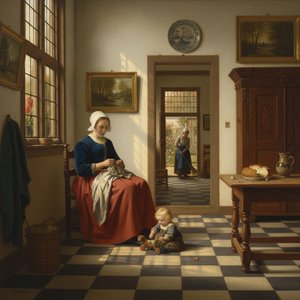
Pieter de Hooch: Illuminating Dutch Domestic Life & Golden Age Charm
Explore the captivating world of Pieter de Hooch, a master of Dutch Golden Age painting. Discover his innovative use of light, intimate domestic scenes, and lasting influence on art history. Learn more at OriginalUniqueArt.

Willem van de Velde the Elder: Master of Maritime Painting & Chronicler of the Dutch Golden Age
Discover the captivating maritime paintings of Willem van de Velde the Elder, a master chronicler of the Dutch Golden Age. Explore his unparalleled realism and lasting influence on naval art history.

أفضل 10 روائع العصر الذهبي الهولندي: تحف فنية وجماليات منزلية خالدة | OriginalUniqueArt
اكتشف روائع العصر الذهبي الهولندي! استكشف 10 لوحات خالدة لرامبرانت، فيرمير وغيرهم. فن هولندي باروكي، ألوان آسرة وقصص فنية لا تُنسى. احصل على إعادة إنتاج عالية الجودة وتحف فنية لديكور منزلك مع OriginalUniqueArt.com
