
 معاينة الحجم الحقيقي
 مشاركة
 مشاركة
 التفاصيل

 تحميل الملف
 قطع مشابهة
 الأشعة السينية
 عرض شرائح
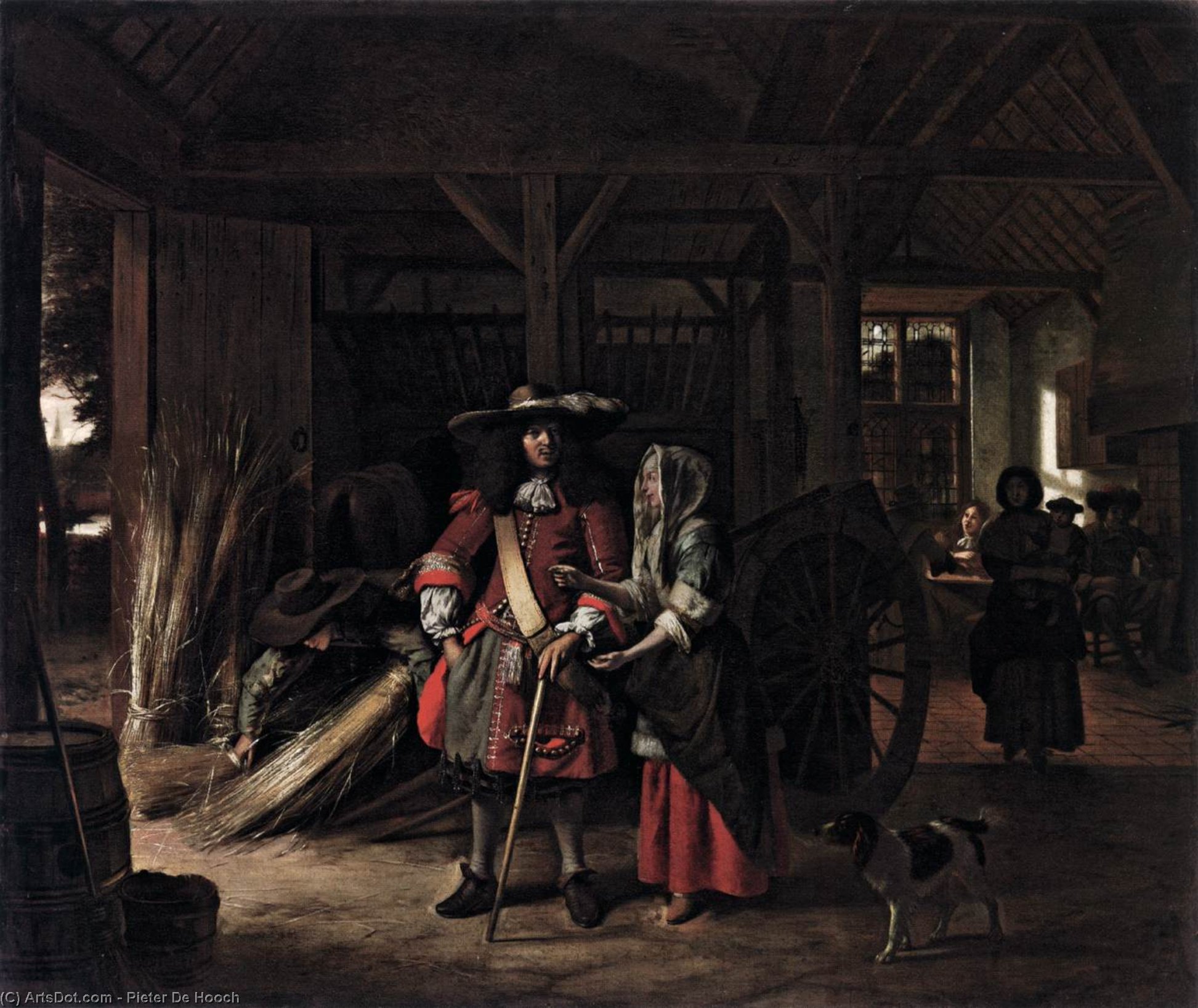
Paying the Hostess
 Oil On Canvas
- WallArt
- Dutch Golden Age
 1670
1670 95.0 x 111.0 cm
 المتحف المتروبوليتاني للفنون
 عرض المزيد
طباعة جيلي / مطبوعات فنية
طباعة جيكلي أو كانفاس بجودة المتاحف، مع سرعة في التنفيذ وخيارات متنوعة للتشطيب. ( اشترِ لوحة مرسومة يدويًا اشترِ الصورة)




































اختر من بين أحجامنا المُعدّة مسبقًا والتي تتطابق مع النسب الأصلية للعمل الفني.

يمكنك إدخال أبعادك الخاصة لتناسب إطاراً أو مساحة معينة. وإذا لم يتطابق الحجم الذي اخترته مع نسب الصورة الأصلية، فسنقوم إما بقص العمل الفني أو تمديد الصورة باستخدام حافة معكوسة أو بلون مصمت. سيتم إرسال نموذج تجريبي رقمي لاعتمادك قبل بدء الإنتاج.
يرجى ملاحظة أن المعاينة على الشاشة لا تعكس عملية القص أو التمديد الفعلية؛ حيث سيوضح النموذج التجريبي فقط التكوين النهائي بدقة.
وعلى الرغم من توفر أحجام مخصصة، إلا أننا نوصي باختيار أبعاد من القائمة المحددة مسبقاً للحفاظ على النسب الأصلية.
توصيل عالمي إلى خلال أسبوعين بدلاً من المدة القياسية البالغة 4/5 أسابيع. 18 أغسطس

شحن سريع ومجاني لجميع أنحاء العالم

قماش كتان عالي الجودة

تأمين شحن شامل

ضمان استرداد الرسوم الجمركية

ضمان مطابقة الألوان الحقيقية

سياسة الإرجاع خلال 60 يومًا (في حالات العيوب فقط)

ضمان استرداد نقدي بنسبة 100%

خصم عند طلب عدة قطع
 خيار الزجاج متاح فقط للمقاسات التي تقل عن 110 سم

Paying the Hostess
طباعة جيلي / مطبوعات فنية
مقاس النسخة المطبوعة
-


السعر الإجمالي النهائي
$ 80
وصف القطعة الفنية
A Window Into Delft’s Commerce: Pieter de Hooch's “Paying the Hostess”
Delft, 1670 – Pieter de Hooch’s “Paying the Hostess,” housed in a private collection today, offers more than just a glimpse into the bustling port city of Delft during its golden age; it presents a meticulously crafted tableau that speaks volumes about social dynamics and artistic innovation. Painted circa 1658, this monumental canvas transcends mere depiction, immersing viewers in an atmosphere thick with observation and imbued with subtle symbolic resonance. The scene unfolds within a dimly lit warehouse or storage facility—a space deliberately chosen by De Hooch to convey both the physicality of Delft’s economic activity and the psychological complexities of human interaction. At its core is a wealthy gentleman and his wife seated upon a cart laden with goods, their presence dominating the composition. Around them move several laborers diligently unloading crates and transporting materials – figures rendered with remarkable realism, capturing not just physical postures but also expressions of quiet contemplation and purposeful action. This isn’t simply a record of trade; it's an exploration of how individuals navigate social hierarchies within a community striving for prosperity. De Hooch’s artistic style exemplifies the hallmark characteristics of Dutch Golden Age painting: painstaking detail combined with masterful use of light. Unlike many contemporaries who favored grand narratives and theatrical gestures, De Hooch opted for a restrained aesthetic focused on capturing the nuances of domestic life—a deliberate choice that aligns perfectly with the burgeoning interest in portraying everyday realities during this period. The artist’s technique is characterized by meticulous brushwork, utilizing oil paint on canvas to achieve luminous effects and subtle tonal variations. Notice particularly how light streams through an open doorway, illuminating the faces of the figures and casting dramatic shadows across the warehouse floor—a compositional device that elevates the scene beyond mere representation, inviting contemplation about solitude and connection. The color palette is deliberately muted – dominated by deep browns, reds, and blacks – reflecting not only the materiality of the setting but also a prevailing mood of solemnity and introspection. However, De Hooch skillfully employs highlights of ochre and crimson to draw attention to key elements within the composition, subtly emphasizing the dignity of the gentleman and his wife while simultaneously underscoring the industriousness of their companions. The geometric precision of the architectural framework—straight lines delineating the walls and beams—contrasts with the organic curves of the cart wheels and fabric folds, creating a dynamic interplay between structure and fluidity. Beyond its visual beauty, “Paying the Hostess” carries significant symbolic weight. The open doorway represents access to both physical space and spiritual contemplation – suggesting that even amidst the demands of commerce, there remains room for introspection and reflection. Furthermore, the positioning of the figures—seated prominently on the cart—underscores the importance of social status within Delft society. De Hooch’s masterful rendering captures not just a moment in time but also an enduring portrait of human experience – a testament to his ability to transform observation into artful storytelling. This painting continues to inspire interior designers seeking to evoke a sense of understated elegance and historical gravitas, reminding us that true beauty resides in the quiet contemplation of everyday life.السيرة الذاتية للفنان
البدايات والتدريب الفني
بيتر دي هوخ، ذلك الاسم اللامع في عصر العصر الذهبي الهولندي، أبصر النور في العشرين من ديسمبر عام 1629 في مدينة روتردام بهولندا. كان الابن الأكبر لخمسة أطفال، ولد لعائلة بسيطة؛ حيث كان والده هيندريك هيندريكسز دي هوخ يعمل بنائاً، بينما كانت والدته أنيت بيترز تعمل قابلة. ورغم أن تفاصيل حياته المبكرة لا تزال محاطة ببعض الغموض، إلا أن الشواهد تشير إلى أنه تنقل بين مدن روتردام ودلفت وأمستردام خلال مسيرته. وقد صُقلت موهبته الفنية في مدينة هارلم تحت إشراف رسام المناظر الطبيعية نيكولاس بيرشيم، جنباً إلى جنب مع جاكوب أوخترفيلت، وهي الفترة التي وضعت حجر الأساس لنجاحه المستقبلي كرسام بارع في تجسيد المشاهد المنزلية الهادئة التي تطل من خلال الأبواب المفتوحة.الأسلوب الفني والموضوعات
تميزت أعمال دي هوخ بدقة متناهية في التفاصيل، وبنزعة واقعية ساحرة، واستخدام عبقري للضوء؛ حيث كانت لوحاته نافذة على الحياة اليومية، تعكس قيم وطموحات الطبقة الوسطى الناشئة آنذاضم. ويتجلى هذا الأسلوب بوضوح في لوحة "فناء منزل في ديلفت" (1658)، التي تبرز قدرته الفائقة على التقاط التفاصيل العادية والمألوفة وتحويلها إلى فن خالد. ورغم أن أعماله تشترك في بعض الموضوعات والتكوينات مع إيمانويل دي ويت، إلا أن تركيزه العميق على الإنسان والعلاقات الإنسانية هو ما منحه بصمة فريدة؛ وهو ما نلمسه في لوحة "امرأة ترضع طفلها" (1658) ولوحة "امرأة مع طفل في حضنها" (1658)، اللتين تعكسان شغفه بتصوير المشاهد المنزل la الحميمية.الأعمال البارزة والإرث الفني
تضم قائمة أعظم ما جادت به ريشة دي هوخ أعمالاً لا تزال تأسر الألباب، منها:- "الشارب المرح" (حوالي 1650)
- "لاعبو الورق في غرفة مغمورة بالضوء" (1658)
- "امرأة تحضر الخبز والزبدة لصبي" (1661)
المتاحف والمجموعات الفنية
يمكن العثور على روائع دي هوخ في متاحف عالمية مرموقة، بما في ذلك المتحف الملكي للفنون الجم في أنتويرب ببلجيكا، والذي يضم مجموعة هائلة من الفن الأوروبي الممتد من القرن الخامس عشر حتى القرن العشرين. اكتشف المزيد عن بيتر دي هوخ وأعماله عبر OriginalUniqueArt: [https://OriginalUniqueArt.com/@/pieter-de-hooch](https://OriginalUniqueArt.com/@/pieter-de-hooch) /ar/art/show/art-d3b4kt-ar/ (استكشف الروائع الفنية في المتحف الملكي للفنون الجم، بلجيكا)
بيتر دي هوخ
1629 - 1694 , هولندا
حقائق سريعة
- Artistic Movement Or Style: مدرسة ديلفت، العصر الذهبي الهولندي
- Artists Or Movements Influenced By This Artist: ['يان فيرمير']
- Artists Who Influenced This Artist: ['نيكولاس بيرشيم']
- Date Of Birth: 20 ديسمبر 1629
- Full Name: بيتر هندريكسز دي هوخ
- Nationality: هولندي
- Notable Artworks:
- الكأس الفارغة
- امرأة تقرأ رسالة
- لاعبو الورق في غرفة مشمسة
- امرأة تحضر الخبز والزبدة
- Place Of Birth: روتردام، هولندا
مقالات ذات صلة
Pieter de Hooch: Illuminating Dutch Domestic Life & Golden Age Charm
Explore the captivating world of Pieter de Hooch, a master of Dutch Golden Age painting. Discover his innovative use of light, intimate domestic scenes, and lasting influence on art history. Learn more at OriginalUniqueArt.

Golden Light & Dutch Skies: The Timeless Magic of Dutch Golden Age Landscapes
Discover the breathtaking beauty of Dutch Golden Age landscapes. Explore the mastery of light, chiaroscuro, and 17th-century realism through an expert art history lens, celebrating the enduring legacy of the Dutch Masters for discerning collectors and art lovers.

Demandes Commerciales
APS ofrece reproducciones de bellas artes y encargos personalizados desde 2004. Confían en nosotros corporaciones, hoteles y coleccionistas selectos para obras de arte de calidad museística, servicio discreto y soluciones artísticas completas. ¡Póngase en contacto con nosotros para obtener un presupuesto personalizado!

أفضل 10 روائع العصر الذهبي الهولندي: تحف فنية وجماليات منزلية خالدة | OriginalUniqueArt
اكتشف روائع العصر الذهبي الهولندي! استكشف 10 لوحات خالدة لرامبرانت، فيرمير وغيرهم. فن هولندي باروكي، ألوان آسرة وقصص فنية لا تُنسى. احصل على إعادة إنتاج عالية الجودة وتحف فنية لديكور منزلك مع OriginalUniqueArt.com

Mastering Light & Shadow: A Journey Through the Dutch Golden Age's Luminous Legacy
Embark on a cultural journey through the Dutch Golden Age. Explore the masterful interplay of light and shadow in 17th-century masterpieces, from Rembrandt to Vermeer, and discover how this era of profound realism continues to inspire fine art collectors today.


