معاينة الحجم الواقعي
 إرسال
إرسال مشاركة
 عرض التفاصيل
 دليل الأعمال الفنية للطلاب

 تحميل
تحميل
 قطع مشابهة
 الأشعة السينية
 عرض شرائح متتابع
 الإحصائيات
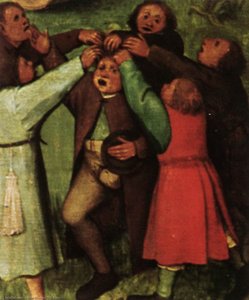
اثنتا عشرة مثلًا
 زيت على لوح خشبي
- عصر النهضة الشمالية
 1560
1560- عصر النهضة
 74.0 x 98.0 cm
 Museum Mayer van den Bergh
 اقرأ المزيد
نسخة زيتية مصنوعة يدوياً
لوحة زيتية مرسومة يدوياً على الكانفاس بالمقاس والإطار الذي تفضله، تُنفذ حسب الطلب على أيدي فنانينا. ( التبديل إلى المطبوعات التحويل إلى الصورة الرقمية)




































اختر من بين أحجامنا المُعدّة مسبقاً والتي تتوافق مع النسب الأصلية للعمل الفني.

أدخل العرض والارتفاع اللذين تحتاجهما، ليتناسب العمل مع إطارك أو جدارك. وبما أن هذه اللوحة مرسومة يدوياً، ففي حال اختيار مقاس بشكل مختلف، يمكن للفنان رسم مساحة إضافية حول الصورة أو تقليصها قليلاً — الخيار لك. سنرسل لك نموذجاً رقمياً تجريبياً لاعتماده قبل البدء في الرسم. علماً بأن الصورة المعروضة في هذه الصفحة لا تعكس النتيجة النهائية الحقيقية — فالنموذج التجريبي هو الوحيد الذي يوضح ذلك بدقة.
بعد إتمام الطلب، سيرسل فريق OriginalUniqueArt.com بريداً إلكترونياً للعميل لطلب التعليمات وتزويده بمعاينة تجريبية (mockup).
توصيل عالمي إلى خلال 3 إلى 4 أسابيع بدلاً من المدة المعتادة البالغة 5 أسابيع. (26 أكتوبر). جودة لا تهاون فيها.

شحن سريع ومجاني لجميع أنحاء العالم

قماش كتان فاخر

تأمين شامل على الشحن

ضمان استرداد الرسوم الجمركية

ضمان دقة مطابقة الألوان

سياسة الإرجاع خلال 100 يوم (في حالات العيوب فقط)

ضمان استرداد نقدي بنسبة 100%

عرض خصم الكميات
 خيار الزجاج متاح فقط للمقاسات التي تقل عن 110 سم

اثنتا عشرة مثلًا
وسيط إعادة الإنتاج
مقاس النسخة المطبوعة
-


إجمالي السعر
E£ 15513
نافذة على الحكمة الأخلاقية: استكشاف "الأمثال الاثني عشر" لبيتر بروجيل
يظل بيتر بروجيل الأكبر، عملاق عصر النهضة الشمالية، فناناً لا يزال عمله يأسر الخيال ويستفز التأمل. ومن بين أعماله الشاسعة، تبرز لوحة "الأمثال الاثني عشر"، التي رُسمت حوالي عام 1560، كتحفة فنية لافتة للنظر؛ فهي تصوير بسيط المظهر يخفي وراءه طبقات عميقة من الرمزية والتعليق الاجتماعي. إنها تتجاوز مجرد توضيح الأقوال المأثورة، إذ تدعونا تحفة بروجيل إلى حوار حول طبيعة الإنسان ذاتها.
- اللوحة: يبلغ قياس "الأمثال الاثني عشر" 74 × 98 سم وهي لوحة زيتية على خشب، ومحفوظة في متحف ماير فان دن بيرغ في أنتويرب ببلجيكا، وقد نُفذت بتفاصيل دقيقة. تعمل خلفيتها الحمراء الزاهية كمسرح لاثني مشاهد دائري؛ حيث يصور كل مشهد نشاطاً بشرياً أو تفاعلاً مختلفاً.
- الأسلوب والتقنية: يتميز أسلوب بروجيل الفريد، الذي يتسم بلوحات الألوان الترابية وتقنية التباين (الكياروسكورو) المتقنة، بقدرته على التقاط جوهر الحياة اليومية وفي الوقت ذاته الارتقاء بها إلى مستوى فني رفيع. لقد استخدم ببراعة المنظور والتظليل لخلق العمق والواقعية، راسخاً تصويراته الخيالية في ملاحظات ملموسة.
فك شفرة الرمزية: كل مشهد يروي حكاية
يعمل كل مشهد من المشاهد الاثني عشر داخل "الأمثال الاثني عشر" كاستعارة بصرية لمثل محدد. فلتتأمل المشهد الأول – رجلان يقفان جنباً إلى جنب – الذي يمثل الصداقة أو الرفقة، ولكنه يلمح بخفاء إلى التعقيدات الكامنة في العلاقات الإنسانية. وبالمثل، يشير الرجل الجالس بتأمل إلى التأمل والتفكير الذاتي، بينما تصور المشاهد الأخرى أفعالاً مثقلة بالدلالات الأخلاقية.
- المواضيع المتكررة: تستكشف الموضوعات المتكررة لدى بروجيل حماقات البشر – كالجشع والغرور والسذاجة – مقدّمة إياها ليس كأحكام، بل كملاحظات. لقد نجح في التقاط عبثية السلوك البشري على خلفية من المناظر الطبيعية الريفية والمساكن المنزلية.
- التأثير والإرث: أثر نهج بروجيل المبتكر في الموضوعات بشكل عميق على لوحات العصر الذهبي الهولندي، مُلهماً فنانين مثل يان ويريكس الذين سعوا لمحاكاة أسلوبه ورؤيته المميزة. ولا يزال عمله يتردد صداه حتى يومنا هذا، مُظهراً القوة الدائمة للفن في إيصال الحقائق الكونية.
ما وراء الأمثال: تأمل في الحالة الإنسانية
ما يرتقي بـ "الأمثال الاثني عشر" إلى ما هو أبعد من مجرد التوضيح هو قدرة بروجيل على إثارة التفكير حول الأسئلة الأساسية المتعلقة بالوجود البشري. فالرسام لا يكتفي بنقل المثل؛ بل يجسده، وهذا دليل على عبقريته وتذكرة بأن الفن يمكن أن ينير تعقيدات حياتنا الداخلية.
- السياق التاريخي: أُنشئت اللوحة خلال فترة اتسمت بالاضطرابات الدينية والأفكار الإنسانية المزدهرة، وتعكس "الأمثال الاثني عشر" التيارات الفكرية لعصرها. إنها تتحدث عن القلق بشأن الأخلاق والمسؤولية الاجتماعية – وهي مخاوف لا تزال ذات صلة حتى بعد قرون من الزمن.
- التأثير العاطفي: يفرض التناقض المقلق بين الفكاهة والمأساوية في اللوحة على المشاهدين لمواجهة حقائق غير مريحة حول السلوك البشري. وتضمن تقنية بروجيل المتقنة أن تظل هذه الرسائل باقية، مما يحفز النقاش والتفسير المستمر.
تحفة فنية خالدة
"الأمثال الاثني عشر" يظل حجر الزاوية في فن عصر النهضة الشمالية؛ مزيج آسر من الملاحظة والرمزية والتأمل الأخلاقي. ويكمن جاذبيته الدائمة في قدرته على التقاط جوهر التجربة الإنسانية وفي الوقت ذاته تحدي تصوراتنا عن الفضيلة والحماقة. وكشهادة على الرؤية الفنية لبروجيل، تواصل هذه اللوحة إلهام الرهبة وإثارة التأمل.
الأسئلة والأجوبة
من الذي أبدع "اثنتا عشرة مثلًا" وفي أي عام؟
أبدع بيتر بروجل الأكبر لوحة "اثنتا عشرة مثلًا" في عام 1560.
ما هو الحجم المقترح لـ "اثنتا عشرة مثلًا" في غرفة المعيشة؟
التنسيق الموصى به لـ "اثنتا عشرة مثلًا" للفنان بيتر بروجل الأكبر: طباعة بمقاس كبير في غرفة المعيشة.
إلى أي لون يميل "اثنتا عشرة مثلًا"؟
يميل "اثنتا عشرة مثلًا" نحو نغمة من الكهرماني إلى الزعفراني."
نبذة عن الفنان
Pieter Bruegel the Elder: Renaissance Master of Landscapes and Peasant Life
Pieter Bruegel the Elder stands as a monumental figure in Flemish Renaissance art, recognized globally for his groundbreaking approach to depicting human experience—particularly through vivid landscapes populated by ordinary people. Born around 1525/1530, likely in Breda (though precise birth records remain elusive), Bruegel’s formative years unfolded amidst the turbulent religious landscape of Brabant – then part of Habsburg Spain – and a burgeoning mercantile culture that fostered artistic experimentation. His early artistic training occurred under the tutelage of Pieter Coecke van Aelst, a celebrated Antwerp painter renowned for his sculptural prowess, architectural designs for tapestries, and masterful depictions of exotic locales—a formative encounter that instilled in Bruegel a profound appreciation for humanist ideals and innovative visual techniques.Early Life and Artistic Training
Coecke’s workshop wasn't merely an institution for artistic instruction; it served as a crucible where traditional Flemish craftsmanship intersected with emerging Renaissance concepts, shaping Bruegel’s artistic trajectory from its inception. Coecke’s wife, Maria Verhulst Bessemers, herself a painter specializing in watercolor and tempera—a technique gaining prominence during the period—further broadened Bruegel's exposure to diverse artistic traditions. This confluence of influences instilled in him an unwavering commitment to meticulous observation and a willingness to challenge established conventions—qualities that would characterize his entire oeuvre. Following his apprenticeship, Bruegel embarked on extensive travels throughout Europe between 1551 and 1553, traversing France, Switzerland, and Italy. These expeditions weren’t driven solely by curiosity; they constituted deliberate explorations of artistic inspiration, resulting in sketches documenting the grandeur of Alpine vistas and immersing him in the vibrant cultural milieu of Italian Renaissance centers.The Influence of Bosch and Artistic Innovation
Bruegel's stylistic evolution began with a discernible debt to Hieronymus Bosch—a fellow painter who died just before Bruegel’s birth but whose unsettling visions of Hell and demonic figures exerted considerable sway over younger artists. While Bruegel initially adopted Bosch’s macabre aesthetic, he swiftly developed his own distinctive voice—characterized by an unparalleled sensitivity to atmospheric perspective and a masterful command of chiaroscuro—the dramatic interplay of light and shadow that imbues his canvases with depth and emotional resonance. This stylistic breakthrough propelled him beyond the confines of conventional Renaissance painting, establishing him as a pioneer in genre art—a field previously dominated by portraits and mythological narratives—and ushering in an era of unprecedented realism in depictions of rural life.Major Achievements and Recurring Themes
Bruegel’s artistic legacy rests upon a remarkable body of work encompassing landscapes, peasant scenes, biblical narratives, and allegorical representations—each infused with profound symbolic meaning and reflecting his humanist worldview. Among his most celebrated masterpieces are *Landscape with the Flight into Egypt*, *The Triumph of Death*, *Peasant Wedding*, *Hunters in the Snow*, and *The Tower of Babel*. These paintings exemplify Bruegel’s unparalleled ability to capture both the beauty and brutality inherent in human existence—a feat achieved through meticulous detail, masterful composition, and an unwavering commitment to portraying everyday life with unflinching honesty. His landscapes aren't merely decorative elements; they serve as conduits for conveying moral lessons and exploring philosophical questions about humanity’s relationship with nature and its destiny.A Lasting Impact on Art History
Pieter Bruegel the Elder’s influence reverberates throughout subsequent artistic movements—most notably in the Dutch Golden Age—where artists like Isaac van Ostade and Adriaen Brouwer drew inspiration from his pioneering approach to genre painting and his masterful use of chiaroscuro. Beyond painting, Bruegel's imagery continues to captivate audiences worldwide—appearing prominently in films such as Andrei Tarkovsky’s *Solaris* (1972) and Lars von Trier’s *Melancholia* (2011)—demonstrating the enduring power of his artistic vision. He remains an undisputed icon of Renaissance art, securing his place among the most influential figures in European cultural history—a testament to his unwavering dedication to observation, artistic innovation, and a profound understanding of the human condition.
بيتر بروجل الأكبر
1525 - 1569 , بلجيكا
لمحة سريعة
- Artistic Movement Or Style: الرينيسانس الفني
- Artists Who Influenced This Artist: ['هيرونيموس بوسخ']
- Date Of Birth: c. 1525
- Date Of Death: 1569
- Full Name: Pieter Bruegel the Elder
- Nationality: فلمنكي
- Notable Artworks: ['لوحة الهجرة إلى مصر"، "تriumph الموت"، "عرس الفلاحين"، "الصيد في الثلج']
- Place Of Birth: Breda، هولندا
مقالات ذات صلة
Pieter de Hooch: Illuminating Dutch Domestic Life & Golden Age Charm
Explore the captivating world of Pieter de Hooch, a master of Dutch Golden Age painting. Discover his innovative use of light, intimate domestic scenes, and lasting influence on art history. Learn more at OriginalUniqueArt.

Golden Light & Dutch Skies: The Timeless Magic of Dutch Golden Age Landscapes
Discover the breathtaking beauty of Dutch Golden Age landscapes. Explore the mastery of light, chiaroscuro, and 17th-century realism through an expert art history lens, celebrating the enduring legacy of the Dutch Masters for discerning collectors and art lovers.
أفضل 10 روائع تحدد عصر النهضة الشمالية: فنانون وقصص وجماليات راقية
اكتشف روائع عصر النهضة الشمالية! استكشف 10 لوحات أيقونية لفنانين كبار مثل فان إيك ودورر. قصص فنية آسرة، أساليب مبتكرة وألوان خالدة. احصل على تحف فنية عالية الجودة من OriginalUniqueArt.com واستلهم ديكورك!

Pieter Bruegel the Elder: A Master of Genre, Landscape & Social Commentary
Explore the life & art of Pieter Bruegel the Elder, a pivotal figure of the Renaissance. Discover his groundbreaking genre scenes, symbolic landscapes, and lasting influence on art history. Learn more at OriginalUniqueArt.
روائع فنّية في متحف تاريخ الفن بفيينا: 25 تحفة فنية آسرة
اكتشف 25 تحفة فنية آسرة في متحف تاريخ الفن بفيينا! استكشف قصص رامبرانت، وفيرمير، ورافائيل وأكثر. لوحات زيتية كلاسيكية، ديكور فاخر، وإلهام لتصميم منزلك. تسوق الآن على OriginalUniqueArt.com