
 معاينة الحجم الواقعي
 إرسال
إرسال مشاركة
 عرض التفاصيل
 دليل الأعمال الفنية للطلاب

 تحميل
تحميل
 قطع مشابهة
 الأشعة السينية
 عرض شرائح متتابع
 الإحصائيات
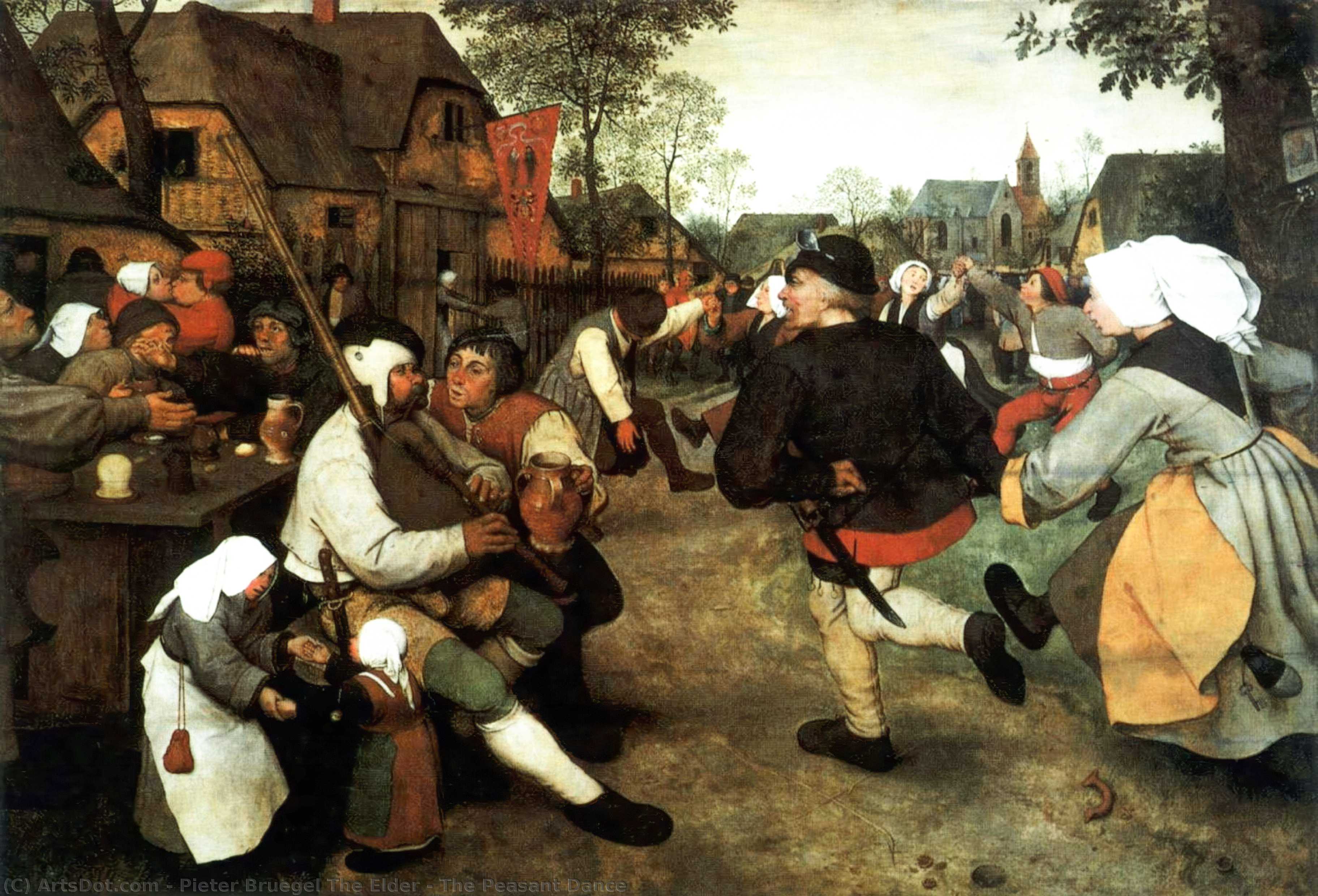
رقصة الفلاحين
 زيت على لوح خشبي
- عصر النهضة الشمالية
 1567
1567- عصر النهضة
 114.0 x 164.0 cm
 Kunsthistorisches Museum
 اقرأ المزيد
احصل على صورة رقمية عالية الدقة ومعزّزة، بجودة تفوق بكثير المعاينة عبر الإنترنت.
يتم إعداد كل ملف بعناية فائقة على أيدي متخصصينا باستخدام أدوات متقدمة ولمسات يدوية خبيرة، لضمان تمتع كل صورة بوضوح استثنائي، ودقة لونية متناهية، وتفاصيل دقيقة.
يتم تسليم الملف النهائي عبر البريد الإلكتروني في غضون 72 ساعة، وهو مُحسَّن للاستخدام الفوري في المجالات المهنية والتحريرية ومجالات الطباعة؛ وهي ذات الجودة التي تعتمد عليها كبرى استوديوهات التصميم ودور النشر والمعارض الفنية المرموقة.
صورة رقمية
حمّل ملفاً عالي الدقة للعرض الشخصي، والطباعة، والمشاريع الإبداعية. ( التبديل إلى المطبوعات اطلب نسخة مرسومة يدويًا)
مزايا مُضمّنة مع كل طلب صورة رقمية
خدمة تسليم رقمي احترافية ومضمونة
عندما تختار OriginalUniqueArt.com، فأنت لا تحصل على مجرد صورة فحسب، بل ستحصل على عمل فني رقمي مُحسّن باحترافية، صُمم بدقة متناهية ومصحوب بضمان الرضا. إليك كل ما يتضمنه طلبك تلقائياً:

تسليم سريع عبر البريد الإلكتروني
ستصلك ملفات صورك الرقمية عالية الدقة عبر البريد الإلكتروني في غضون 72 ساعة من إتمام الطلب - لتكون جاهزة للاستخدام الفوري.

ملف رقمي مُعزز بالذكاء الاصطناعي
يتم تحسين عملك الفني باحترافية باستخدام أدوات الذكاء الاصطناعي المتقدمة والتحرير اليدوي، لضمان أقصى درجات التفاصيل والوضوح ودقة الألوان.

إعادة إرسال مجانية مدى الحياة
هل حذفت ملفك أو فقدته عن طريق الخطأ؟ لا تقلق - سنعيد إرساله إليك في أي وقت، مجاناً.

بدون رسوم استيراد - على الإطلاق
استمتع بأعمالك الفنية فوراً دون أي رسوم جمركية أو ضرائب أو مصاريف شحن - فالتحميلات الرقمية دائماً ما تكون معفاة من الضرائب.

ضمان دقة الألوان
نضمن لك دقة انعكاس الألوان الأصلية في صورتك الرقمية بأقصى قدر ممكن، وذلك باستخدام أدوات احترافية وتقنيات متطورة لإدارة الألوان.

ضمان الرضا لمدة 100 يوم
إذا لم تكن راضياً عن صورتك الرقمية، فسنقوم بتعديلها أو استرداد 100% من قيمتها خلال 100 يوم - دون طرح أي أسئلة.

ضمان استعادة الأموال بنسبة 100%
لم تكن راضياً؟ استرد كامل المبلغ خلال 100 يوم من استلام ملفك الرقمي - دون طرح أي أسئلة.

خصومات الطلبات الكبيرة
اشتري 3 صور، ووفر 10% - اشتري 5، ووفر 15% - اشتري +10، ووفر 20%. مثالية للمشاريع الإبداعية، والمعارض، والوكالات.
احتفاء بالحياة الفلانية: لوحة "رقصة الفلاحين" لبيتر بروكيل الأكبر
تُعد لوحة "رقصة الفلاحين" (The Peasant Dance) التي رسمها بيتر بروكيل الأكبر عام 1567 تحفة فنية فريدة من نوعها، تقدم لنا نافذةً آسرة على الحياة الريفية في فلاندرا خلال عصر النهضة. هذه اللوحة الزيتية المرسومة على لوحة خشبية، والتي تحتضنها حاليًا المتاحف الفنية في فيينا، ليست مجرد تصوير لمشهد احتفالي؛ بل هي تعبير معقد ومدروس عن المجتمع والظروف الاجتماعية السائدة آنذاك. بروكيل الأكبر، ببراعته الفائقة، استطاع أن يلتقط جوهر الحياة اليومية للفلاحين بطريقة لم يسبق لها مثيل، محولًا مشاهدة اللوحة إلى تجربة غنية بالمعاني والدلالات.التحليل: مشهد احتفالي يتجاوز السطح
تُجسد اللوحة مشهدًا حيويًا لرقصة جماعية في ساحة قرية، يزدحم بالحياة والنشاط. يتركز الانتباه على مجموعة من الفلاحين الذين يرقصون بإيقاع موسيقي، بينما يرافقهم مجموعة متنوعة من الأنشطة الأخرى: البعض يتناول الطعام والشراب، والبعض الآخر يتحدث ويتفاعل، والأطفال يلعبون بحرية، ورجل يحمل وعاءً ممتلئًا بالمشروبات. يبرز في الخلفية حانة تحمل لافتة حمراء، مما يعكس طبيعة الاحتفال وتراوده. إن هذا التجمع الغامر ليس مجرد مشهد عابر؛ بل هو انعكاس واقعي للحياة الريفية الفلميكية في تلك الحقبة.أسلوب بروكيل الأكبر وتقنياته المبتكرة
تتميز لوحة "رقصة الفلاحين" بأسلوب بروكيل الأكبر المميز، والذي يتجلى في استخدام أشكال إيطالية (Italianate) ضخمة وواقعية للغاية. يُظهر الفنان عناية فائقة بالتفاصيل، ويستخدم تقنية الطبقات المتعددة من الدهان الزيتي على اللوحة الخشبية لإنشاء سطح ذو ملمس غني وحيوي. يعتمد بروكيل الأكبر على خطوط مائلة لخلق حركة وديناميكية في المشهد، مما يجعل اللوحة تبدو وكأنها نابضة بالحياة. كما يتميز أسلوبه باستخدام ألوان دافئة – البني والأخضر والبرتقالي الأحمر – مما يضفي على المشهد دفئًا وحميمية.السياق التاريخي والمعنى الرمزي
إن إنشاء هذه اللوحة في فترة من الاضطرابات الاجتماعية والدينية في هولندا، يعكس اهتمام بروكيل الأكبر بالملاحظة الدقيقة للحياة اليومية. لم يكن الفنان مجرد يسجل عادات الفلاحين؛ بل كان يقدم رؤية نقدية وواقعية لوضعهم الاجتماعي والاقتصادي. يعتقد أن بروكيل الأكبر قصد هذه اللوحة – مثل لوحته الأخرى "رقصة الزفاف" – لإيصال رسالة أخلاقية. المشهد ليس احتفالًا خالصًا؛ بل يحمل في طياته نقدًا خفيًا للترف والشهوة، ويشير إلى الانغماس في الملذات المادية على حساب القيم الروحية. يمكن ملاحظة ذلك من خلال الشخص الذي يرتدي قبعة مزينة بالفراشة، وهي رمز للفخر والتباهي، أو من خلال حركة رقص الفلاحين التي تبدو وكأنها تبتعد عن الكنيسة ذات الصورة المرسومة للمرأة العذراء مريم.تأثير عاطفي وإرث فني دائم
تثير لوحة "رقصة الفلاحين" مجموعة واسعة من المشاعر – الفرح والطاقة والاهتمام، بل وحتى بعض القلق. إنها لوحة تدعو إلى التأمل العميق، وتكافئ المشاهد المتفحص بكتشافات جديدة في كل مرة يتم فيها النظر إليها. لقد أثبت بروكيل الأكبر قدرته على التقاط جوهر التجربة الإنسانية – السبل البسيطة والروابط الاجتماعية والمعضلات الأخلاقية – مما عزز مكانته كواحد من أهم الفنانين في تاريخ الفن الغربي. إنها تحفة فنية خالدة، تذكرنا بأهمية الحياة اليومية وأثرها على الثقافة والمجتمع.- اللوحة زيتية مرسومة على لوحة خشبية.
- تم رسمها عام 1567 بواسطة بيتر بروكيل الأكبر.
- مثال كلاسيكي على اللوحة الجوهرية (Genre Painting) في عصر النهضة الشمالي.
- توجد حاليًا في المتاحف الفنية في فيينا.
- تمثل احتفاءً بالحياة الفلانية مع دلالات اجتماعية عميقة.
- الحياة الريفية، الاحتفالات البلدية، الفن الهولندي، عصر النهضة، أسلوب بروكيل الأكبر، المشهد الاجتماعي، الاحتفال المبهج، الثقافة الأوروبية.
سيرة الفنان
Pieter Bruegel the Elder: Renaissance Master of Landscapes and Peasant Life
Pieter Bruegel the Elder stands as a monumental figure in Flemish Renaissance art, recognized globally for his groundbreaking approach to depicting human experience—particularly through vivid landscapes populated by ordinary people. Born around 1525/1530, likely in Breda (though precise birth records remain elusive), Bruegel’s formative years unfolded amidst the turbulent religious landscape of Brabant – then part of Habsburg Spain – and a burgeoning mercantile culture that fostered artistic experimentation. His early artistic training occurred under the tutelage of Pieter Coecke van Aelst, a celebrated Antwerp painter renowned for his sculptural prowess, architectural designs for tapestries, and masterful depictions of exotic locales—a formative encounter that instilled in Bruegel a profound appreciation for humanist ideals and innovative visual techniques.Early Life and Artistic Training
Coecke’s workshop wasn't merely an institution for artistic instruction; it served as a crucible where traditional Flemish craftsmanship intersected with emerging Renaissance concepts, shaping Bruegel’s artistic trajectory from its inception. Coecke’s wife, Maria Verhulst Bessemers, herself a painter specializing in watercolor and tempera—a technique gaining prominence during the period—further broadened Bruegel's exposure to diverse artistic traditions. This confluence of influences instilled in him an unwavering commitment to meticulous observation and a willingness to challenge established conventions—qualities that would characterize his entire oeuvre. Following his apprenticeship, Bruegel embarked on extensive travels throughout Europe between 1551 and 1553, traversing France, Switzerland, and Italy. These expeditions weren’t driven solely by curiosity; they constituted deliberate explorations of artistic inspiration, resulting in sketches documenting the grandeur of Alpine vistas and immersing him in the vibrant cultural milieu of Italian Renaissance centers.The Influence of Bosch and Artistic Innovation
Bruegel's stylistic evolution began with a discernible debt to Hieronymus Bosch—a fellow painter who died just before Bruegel’s birth but whose unsettling visions of Hell and demonic figures exerted considerable sway over younger artists. While Bruegel initially adopted Bosch’s macabre aesthetic, he swiftly developed his own distinctive voice—characterized by an unparalleled sensitivity to atmospheric perspective and a masterful command of chiaroscuro—the dramatic interplay of light and shadow that imbues his canvases with depth and emotional resonance. This stylistic breakthrough propelled him beyond the confines of conventional Renaissance painting, establishing him as a pioneer in genre art—a field previously dominated by portraits and mythological narratives—and ushering in an era of unprecedented realism in depictions of rural life.Major Achievements and Recurring Themes
Bruegel’s artistic legacy rests upon a remarkable body of work encompassing landscapes, peasant scenes, biblical narratives, and allegorical representations—each infused with profound symbolic meaning and reflecting his humanist worldview. Among his most celebrated masterpieces are *Landscape with the Flight into Egypt*, *The Triumph of Death*, *Peasant Wedding*, *Hunters in the Snow*, and *The Tower of Babel*. These paintings exemplify Bruegel’s unparalleled ability to capture both the beauty and brutality inherent in human existence—a feat achieved through meticulous detail, masterful composition, and an unwavering commitment to portraying everyday life with unflinching honesty. His landscapes aren't merely decorative elements; they serve as conduits for conveying moral lessons and exploring philosophical questions about humanity’s relationship with nature and its destiny.A Lasting Impact on Art History
Pieter Bruegel the Elder’s influence reverberates throughout subsequent artistic movements—most notably in the Dutch Golden Age—where artists like Isaac van Ostade and Adriaen Brouwer drew inspiration from his pioneering approach to genre painting and his masterful use of chiaroscuro. Beyond painting, Bruegel's imagery continues to captivate audiences worldwide—appearing prominently in films such as Andrei Tarkovsky’s *Solaris* (1972) and Lars von Trier’s *Melancholia* (2011)—demonstrating the enduring power of his artistic vision. He remains an undisputed icon of Renaissance art, securing his place among the most influential figures in European cultural history—a testament to his unwavering dedication to observation, artistic innovation, and a profound understanding of the human condition.
بيتر بروجل الأكبر
1525 - 1569 , بلجيكا
حقائق سريعة
- Artistic Movement Or Style: الرينيسانس الفني
- Artists Who Influenced This Artist: ['هيرونيموس بوسخ']
- Date Of Birth: c. 1525
- Date Of Death: 1569
- Full Name: Pieter Bruegel the Elder
- Nationality: فلمنكي
- Notable Artworks: ['لوحة الهجرة إلى مصر"، "تriumph الموت"، "عرس الفلاحين"، "الصيد في الثلج']
- Place Of Birth: Breda، هولندا