 معاينة الحجم الحقيقي
 مشاركة
 مشاركة
 التفاصيل

 تحميل الملف
 قطع مشابهة
 الأشعة السينية
 عرض شرائح
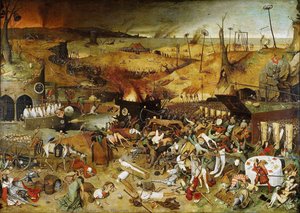
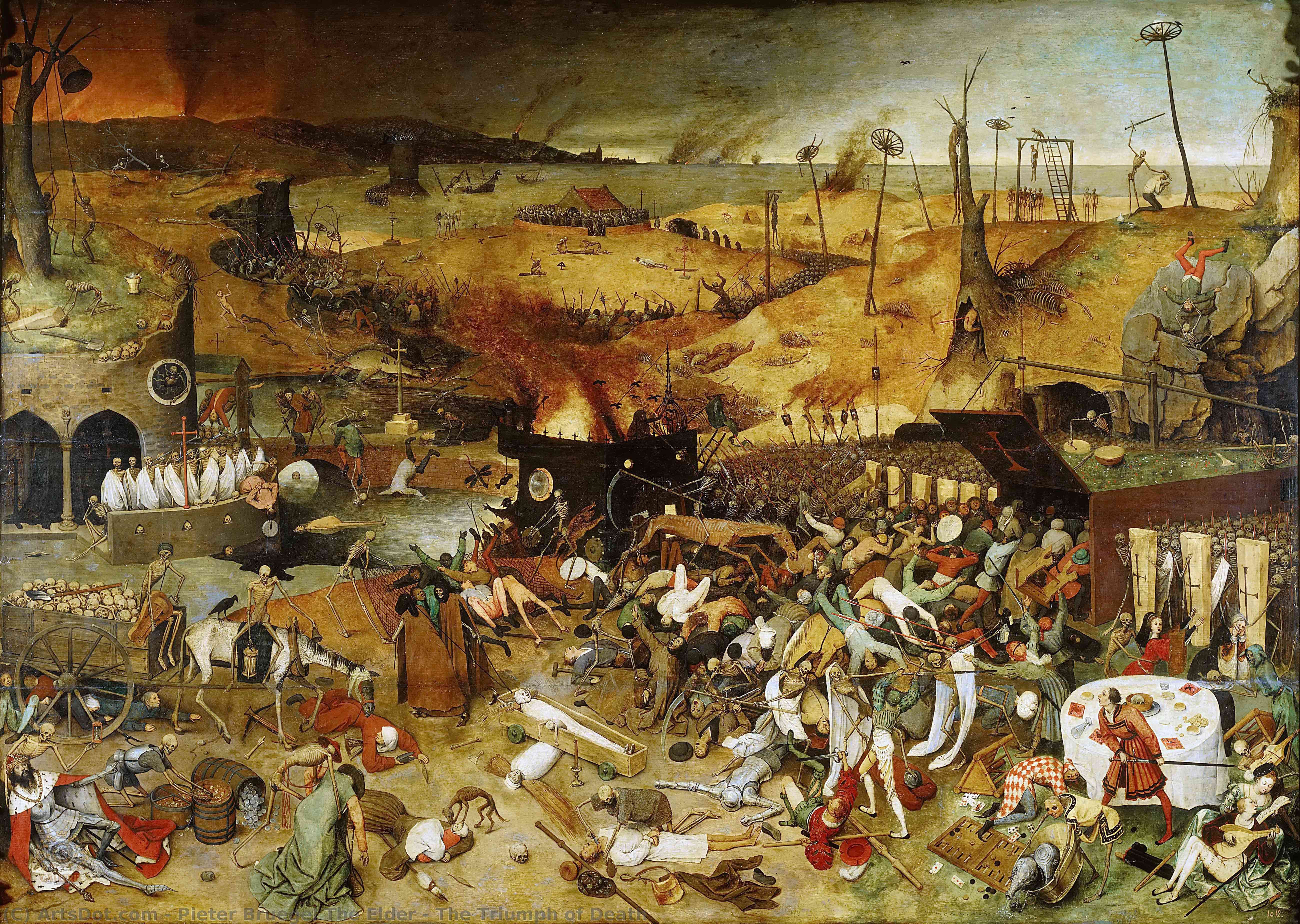
نصرة الموت
 زيت على قماش
- لوحات جدارية
- Northern Renaissance
 1562
1562- عصر النهضة
 117.0 x 162.0 cm
 متحف برادو
 عرض المزيد
نسخة زيتية مصنوعة يدوياً
لوحة زيتية مرسومة يدوياً على الكانفاس بالمقاس والإطار الذي تفضله، تُنفذ حسب الطلب على أيدي فنانينا. ( اشترِ نسخة مطبوعة اشترِ الصورة)




P118B $10

P118H $10

P118W $10

P438Z $10

P508JH $12

P508YH $12

P805H $10

P805Z $10

P919BZ $10

P919G $10

P919XJ $10

P959ZH $10

P968JZ $12

W106C $8

W218G $10

W218JH $8

W218Y $10

W307PJ $10

W316G $10

W316PJ $8

W316Y $10

W398PJ $8

W4111J $10

W500HY $15

W500JH $15

W692G $12

W849H $8

W940BG $15

W953PJ $8




اختر من بين أحجامنا المُعدّة مسبقًا والتي تتطابق مع النسب الأصلية للعمل الفني.

يمكنك إدخال أبعادك الخاصة لتناسب إطارًا معينًا أو مساحة محددة. وإذا لم يتطابق الحجم الذي اخترته مع نسب الصورة الأصلية، فسنقوم إما بقص العمل الفني أو توسيع اللوحة بإضافة عناصر مرسومة يدويًا. سيتم إرسال نموذج رقمي إليك للموافقة عليه قبل بدء الإنتاج.
يرجى ملاحظة أن المعاينة على الشاشة لا تعكس عملية القص أو التوسيع الفعلية؛ حيث إن النموذج الرقمي وحده هو الذي سيوضح التكوين النهائي بدقة.
وعلى الرغم من توفر أحجام مخصصة، إلا أننا نوصي باختيار أبعاد من القائمة المحددة مسبقًا للحفاظ على النسب الأصلية للعمل الفني.
بعد إتمام الطلب، سيرسل فريق OriginalUniqueArt.com بريداً إلكترونياً للعميل لطلب التعليمات وتزويده بمعاينة تجريبية (mockup).
توصيل عالمي إلى خلال 3 إلى 4 أسابيع بدلاً من المدة المعتادة البالغة 5 أسابيع. (21 أغسطس). جودة لا تهاون فيها.

شحن سريع ومجاني لجميع أنحاء العالم

قماش كتان عالي الجودة

تأمين شحن شامل

ضمان استرداد الرسوم الجمركية

ضمان مطابقة الألوان الحقيقية

سياسة الإرجاع خلال 60 يومًا (في حالات العيوب فقط)

ضمان استرداد نقدي بنسبة 100%

خصم عند طلب عدة قطع
 خيار الزجاج متاح فقط للمقاسات التي تقل عن 110 سم

نصرة الموت
خامة إعادة الإنتاج
مقاس النسخة المطبوعة
-


السعر الإجمالي النهائي
$ 450
وصف العمل الفني
عبقرية بيتر بروجيل الأكبر
يعد بيتر بروجيل الأكبر شخصية شامخة في تاريخ الرسم خلال عصر النهضة، وقد أبدع لوحة "نصرة الموت" حوالي عام 1562. وتعتبر هذه التحفة الفنية نموذجاً مثالياً لنهجه المبتكر في تناول الموضوعات، وقدرته الفائقة على تجسيد الحالة الإنسانية بتفاصيل لا تضاهى وعمق عاطفي مذهل.
رؤية للفوضى الملحمية
تجسد هذه اللوحة الزيتية مشهداً لآفاق قاحلة تجتاحها جيوش من الهياكل العظمية التي تنشر الدمار بين الأحياء. يفيض المشهد بحركة ديناميكية وأحداث مكثفة، مما يستعرض براعة بروجيل في التكوين والسرد القصصي؛ حيث تظهر الهياكل العظمية فوق الخيول، وهي تجر عربات مليئة بالجمجمات وتشارك في أعمال تدمير متنوعة، مما يخلق شعوراً طاغياً بالفوضى وحتمية المصير.
نغمات ترابية غنية وإضاءة درامية
تهيمن على لوحة الألوان تدرجات ترابية—من البني والبيج إلى الرمادي—التي تخلق أجواءً كئيبة ومهيبة. وتتخلل هذه الألوان الهادئة لمسات من اللون الأحمر، لا سيما في ملابس بعض الشخصيات والدماء النازفة من الجروح، مما يضفي إحساساً بالاستعجال والعنف. كما تبرز الإضاءة الدرامية، بمصادر ضوئية تأتي من اتجاهات مختلفة، لتسلط الضوء على شخصيات وعناصر معينة بينما تغمر أخرى في الظلال، مما يعزز عمق المشهد وأبعاده.
الرمزية والسياق التاريخي
تزخر لوحة "نصرة الموت" بالرموز التي تعكس المخاوف والقلق المجتمعي في منتصف القرن السادس عشر. تصور اللوحة أشخاصاً من خلفيات اجتماعية متباينة—من الفلاحين والجنود إلى النبلاء والملوك والكرادلة—وجميعهم يواجهون الموت دون تمييز، مما يؤكد على فكرة حتمية الفناء وعجز المساعي البشرية أمام قوة القدر. كما يتضمن المشهد طرقاً مختلفة للإعدام، مثل عجلة التحطيم، والمشانق، والحرق، وقطع الرأس، وهي ممارسات كانت شائعة في تلك الحقبة. ويأتي وجود الصليب في قلب اللوحة ليعمق الدلالات الدينية والدروس الأخلاقية التي سعى بروجيل لإيصالها.
الأثر العاطفي والإرث الفني
إن التأثير العاطفي للوحة "نصرة الموت" عميق للغاية؛ فهي تثير مشاعر الخوف والفوضى واليأس، وفي الوقت ذاته تعمل كتعليق قوي على وحشية الحروب ودمارها. إن دقة بروجيل في رسم الشخصيات والعناصر، جنباً إلى جنب مع استخدامه لطبقات الطلاء الرقيقة ولمسات الفرشاة المتقنة، يخلق عملاً فنياً غنياً يدعو المشاهد لاستكشاف كل زاوية من زوايا هذا المشهد المهيب.
لقد ألهمت هذه التحفة الفنانين في مختلف المجالات، من الأدب إلى السينما، ويكمن إرثها الخالد في قدرتها على تجسيد التجربة الإنسانية بكل تعقيداتها وإثارة التأمل العميق في طبيعة الحياة والموت.
إحضار تحفة فنية إلى مساحتك الخاصة
امتلك قطعة من تاريخ الفن مع نسختنا عالية الجودة من لوحة "نصرة الموت". سيضيف هذا العمل الفني المذهل عمقاً ودراما وقيمة تاريخية لأي مساحة داخلية. وسواء كنت من محبي الفن، أو جامعاً للتحف، أو مصمماً للديكور، فإن هذه التحفة ستأسر الألباب وتلهم الأنظار بكل تأكيد.
السيرة الذاتية للفنان
Pieter Bruegel the Elder: Renaissance Master of Landscapes and Peasant Life
Pieter Bruegel the Elder stands as a monumental figure in Flemish Renaissance art, recognized globally for his groundbreaking approach to depicting human experience—particularly through vivid landscapes populated by ordinary people. Born around 1525/1530, likely in Breda (though precise birth records remain elusive), Bruegel’s formative years unfolded amidst the turbulent religious landscape of Brabant – then part of Habsburg Spain – and a burgeoning mercantile culture that fostered artistic experimentation. His early artistic training occurred under the tutelage of Pieter Coecke van Aelst, a celebrated Antwerp painter renowned for his sculptural prowess, architectural designs for tapestries, and masterful depictions of exotic locales—a formative encounter that instilled in Bruegel a profound appreciation for humanist ideals and innovative visual techniques.Early Life and Artistic Training
Coecke’s workshop wasn't merely an institution for artistic instruction; it served as a crucible where traditional Flemish craftsmanship intersected with emerging Renaissance concepts, shaping Bruegel’s artistic trajectory from its inception. Coecke’s wife, Maria Verhulst Bessemers, herself a painter specializing in watercolor and tempera—a technique gaining prominence during the period—further broadened Bruegel's exposure to diverse artistic traditions. This confluence of influences instilled in him an unwavering commitment to meticulous observation and a willingness to challenge established conventions—qualities that would characterize his entire oeuvre. Following his apprenticeship, Bruegel embarked on extensive travels throughout Europe between 1551 and 1553, traversing France, Switzerland, and Italy. These expeditions weren’t driven solely by curiosity; they constituted deliberate explorations of artistic inspiration, resulting in sketches documenting the grandeur of Alpine vistas and immersing him in the vibrant cultural milieu of Italian Renaissance centers.The Influence of Bosch and Artistic Innovation
Bruegel's stylistic evolution began with a discernible debt to Hieronymus Bosch—a fellow painter who died just before Bruegel’s birth but whose unsettling visions of Hell and demonic figures exerted considerable sway over younger artists. While Bruegel initially adopted Bosch’s macabre aesthetic, he swiftly developed his own distinctive voice—characterized by an unparalleled sensitivity to atmospheric perspective and a masterful command of chiaroscuro—the dramatic interplay of light and shadow that imbues his canvases with depth and emotional resonance. This stylistic breakthrough propelled him beyond the confines of conventional Renaissance painting, establishing him as a pioneer in genre art—a field previously dominated by portraits and mythological narratives—and ushering in an era of unprecedented realism in depictions of rural life.Major Achievements and Recurring Themes
Bruegel’s artistic legacy rests upon a remarkable body of work encompassing landscapes, peasant scenes, biblical narratives, and allegorical representations—each infused with profound symbolic meaning and reflecting his humanist worldview. Among his most celebrated masterpieces are *Landscape with the Flight into Egypt*, *The Triumph of Death*, *Peasant Wedding*, *Hunters in the Snow*, and *The Tower of Babel*. These paintings exemplify Bruegel’s unparalleled ability to capture both the beauty and brutality inherent in human existence—a feat achieved through meticulous detail, masterful composition, and an unwavering commitment to portraying everyday life with unflinching honesty. His landscapes aren't merely decorative elements; they serve as conduits for conveying moral lessons and exploring philosophical questions about humanity’s relationship with nature and its destiny.A Lasting Impact on Art History
Pieter Bruegel the Elder’s influence reverberates throughout subsequent artistic movements—most notably in the Dutch Golden Age—where artists like Isaac van Ostade and Adriaen Brouwer drew inspiration from his pioneering approach to genre painting and his masterful use of chiaroscuro. Beyond painting, Bruegel's imagery continues to captivate audiences worldwide—appearing prominently in films such as Andrei Tarkovsky’s *Solaris* (1972) and Lars von Trier’s *Melancholia* (2011)—demonstrating the enduring power of his artistic vision. He remains an undisputed icon of Renaissance art, securing his place among the most influential figures in European cultural history—a testament to his unwavering dedication to observation, artistic innovation, and a profound understanding of the human condition.
بيتر بروجل الأكبر
1525 - 1569 , بلجيكا
حقائق سريعة
- Artistic Movement Or Style: الرينيسانس الفني
- Artists Who Influenced This Artist: ['هيرونيموس بوسخ']
- Date Of Birth: c. 1525
- Date Of Death: 1569
- Full Name: Pieter Bruegel the Elder
- Nationality: فلمنكي
- Notable Artworks: ['لوحة الهجرة إلى مصر"، "تriumph الموت"، "عرس الفلاحين"، "الصيد في الثلج']
- Place Of Birth: Breda، هولندا
مقالات ذات صلة

Pieter Bruegel the Elder: A Master of Genre, Landscape & Social Commentary
Explore the life & art of Pieter Bruegel the Elder, a pivotal figure of the Renaissance. Discover his groundbreaking genre scenes, symbolic landscapes, and lasting influence on art history. Learn more at OriginalUniqueArt.
Dark Gray Masterpieces: 10 Iconic Paintings & Timeless Home Decor Ideas
Explore 10 iconic paintings dominated by dark gray tones, from Rembrandt & Caravaggio to Goya. Discover the stories behind these masterpieces and find museum-quality art reproductions for your home at . Explore the full collection online.
روائع فنّية في متحف تاريخ الفن بفيينا: 25 تحفة فنية آسرة
اكتشف 25 تحفة فنية آسرة في متحف تاريخ الفن بفيينا! استكشف قصص رامبرانت، وفيرمير، ورافائيل وأكثر. لوحات زيتية كلاسيكية، ديكور فاخر، وإلهام لتصميم منزلك. تسوق الآن على OriginalUniqueArt.com

Shadow & Soul: The Bold Dark Art Trend Redefining Modern Urban Interiors
Level up your space with the boldest trend in urban design. Discover how dark art, moody textures, and high-contrast aesthetics create a powerful visual impact. Master the art of shadow and soul to transform your modern interior into a high-energy masterpiece.
أفضل 10 روائع تحدد عصر النهضة الشمالية: فنانون وقصص وجماليات راقية
اكتشف روائع عصر النهضة الشمالية! استكشف 10 لوحات أيقونية لفنانين كبار مثل فان إيك ودورر. قصص فنية آسرة، أساليب مبتكرة وألوان خالدة. احصل على تحف فنية عالية الجودة من OriginalUniqueArt.com واستلهم ديكورك!