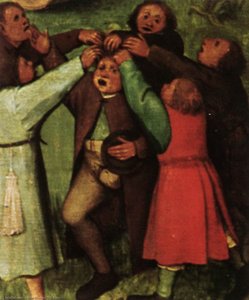
معاينة الحجم الحقيقي
 مشاركة
 مشاركة
 التفاصيل

 تحميل الملف
 قطع مشابهة
 الأشعة السينية
 عرض شرائح
 الإحصائيات
حصاد الحشائش
 زيت على قماش
- لوحات جدارية
- Northern Renaissance
 1565
1565- العصر الحديث
 161.0 x 117.0 cm
 عرض المزيد
طباعة جيلي / مطبوعات فنية
طباعة جيكلي أو كانفاس بجودة المتاحف، مع سرعة في التنفيذ وخيارات متنوعة للتشطيب. ( اشترِ لوحة مرسومة يدويًا الانتقال إلى الصورة الرقمية)




P118B $10

P118H $10

P118W $10

P438Z $10

P508JH $12

P508YH $12

P805H $10

P805Z $10

P919BZ $10

P919G $10

P919XJ $10

P959ZH $10

P968JZ $12

W106C $8

W218G $10

W218JH $8

W218Y $10

W307PJ $10

W316G $10

W316PJ $8

W316Y $10

W398PJ $8

W4111J $10

W500HY $15

W500JH $15

W692G $12

W849H $8

W940BG $15

W953PJ $8




اختر من بين أحجامنا المُعدّة مسبقًا والتي تتطابق مع النسب الأصلية للعمل الفني.

يمكنك إدخال أبعادك الخاصة لتناسب إطاراً أو مساحة معينة. وإذا لم يتطابق الحجم الذي اخترته مع نسب الصورة الأصلية، فسنقوم إما بقص العمل الفني أو تمديد الصورة باستخدام حافة معكوسة أو بلون مصمت. سيتم إرسال نموذج تجريبي رقمي لاعتمادك قبل بدء الإنتاج.
يرجى ملاحظة أن المعاينة على الشاشة لا تعكس عملية القص أو التمديد الفعلية؛ حيث سيوضح النموذج التجريبي فقط التكوين النهائي بدقة.
وعلى الرغم من توفر أحجام مخصصة، إلا أننا نوصي باختيار أبعاد من القائمة المحددة مسبقاً للحفاظ على النسب الأصلية.
توصيل عالمي إلى خلال أسبوعين بدلاً من المدة القياسية البالغة 4/5 أسابيع. 17 سبتمبر

شحن سريع ومجاني لجميع أنحاء العالم

قماش كتان عالي الجودة

تأمين شحن شامل

ضمان استرداد الرسوم الجمركية

ضمان مطابقة الألوان الحقيقية

سياسة الإرجاع خلال 100 يوم (في حالات العيوب فقط)

ضمان استرداد نقدي بنسبة 100%

خصم عند طلب عدة قطع
 خيار الزجاج متاح فقط للمقاسات التي تقل عن 110 سم

حصاد الحشائش
طباعة جيلي / مطبوعات فنية
مقاس النسخة المطبوعة
-


السعر الإجمالي النهائي
$ 80
تحفة الزمن: لوحة "الزراعة" لبتر بروجل الأكبر
إنّ لوحة "الزراعة" لبتر بروجل الأكبر، التي رسمت عام 1565، ليست مجرد مشهد ريفي؛ بل هي نافذة تطل على الحياة في عصر النهضة المبكرة في فلاندرز. تجسد اللوحة مشهدًا حيويًا لعمال يجمعون الحبوب، لحظة مليئة بالحركة والروح الجماعية، وهي تحفة فنية تجمع بين الدقة الواقعية والشعور العميق بالجمال. بروجل لم يكتفِ بتصوير عملية جمع الحبوب – بل أتاح لنا أن نكون جزءًا من هذه العملية، لنشعر بالدفء الناتج عن أشعة الشمس، ورائحة القش الطازج، وصخب المحادثات التي تملأ المكان. تتوسع المناظر الطبيعية أمامنا كمنظر بانورامي، تتخللها تلال متدحلة وجبال بعيدة والسماء الصافية، مما يخلق إحساسًا باللامحدودية والانسجام مع الطبيعة.
النهضة الفلانية: أسلوب بروجل الفريد
تُعدّ "الزراعة" مثالاً بارزًا على الأسلوب المميز للنهضة الفلانية، وهي فترة تتميز بالواقعية الدقيقة الممزوجة بلمسة من الكمال. ما يميز بروجل هو قدرته على تصوير الأنسجة بتفصيل مذهل – قسوة حزم القش، التربة الغنية تحت القدم، وأوراق الشجر المتدلية من الأشجار، مما يجذب المشاهد إلى المشهد ويجعله جزءًا منه. تتميز ضربات فرشاته بالدقة والرشاقة، مما يخلق ثراءً لمسيًا يجذب المشاهد إلى كل شخصية وعنصر طبيعي في المشهد. يُعدّ التوازن في اللوحة مثالياً، حيث يوجه نظرك عبر المناظر الطبيعية ويسمح لك بتقدير التفاصيل الدقيقة لكل شخص وحرفية كل عنصر من عناصر الطبيعة. إنّه ليس مجرد مراقبة؛ بل هو تفسير مُلهم مليء بالشعور الفني.
مرآة المجتمع والرمزية
تم إنشاؤها خلال فترة من التحولات الاجتماعية والاقتصادية الكبيرة في أوروبا الشمالية، تعكس "الزراعة" أهمية الزراعة كركيزة للمجتمع. تصوير العمال وهم يعملون معًا يرمز إلى التماسك المجتمعي والجهد المشترك والتناغم بين الحياة والتقويم الموسمي. إنّ وفرة الخضرة والزهور تثير موضوعات الثراء والحيوية، بينما تشير الأفق الواسع إلى شعور بالاستقرار الدائم في مواجهة طبيعة الوقت العابرة. بعيدًا عن تمثيله الحرفي، تحمل اللوحة وزنًا رمزيًا. يمكن تفسير القش نفسه على أنه رمز للإمداد والإنتاج للمستقبل، ويمثل ثمار العمل والوعد بالوفرة. كما أن وجود الشخصيات المختلفة المشاركة في الأنشطة المتنوعة - الأكل والشرب والاسترخاء - يضيف طبقات من التعقيد السردي، مما يوفر لمحات عن حياة الناس وعلاقاتهم الاجتماعية في ذلك الوقت.
تأثير عاطفي دائم
"الزراعة" تتجاوز سياقها التاريخي لتقدم رسالة خالدة حول قيمة العمل الجاد، والتماسك المجتمعي، وعلاقتنا بالطبيعة. إنّها تثير شعورًا بالحنين إلى طريقة حياة أبسط، وتذكرنا بالجمال والمتانة الدائمة لوجود الحياة الزراعية. إنّ المشهد الهادئ يدعونا إلى التأمل، ويشجعنا على التفكير في علاقتنا بالعالم الطبيعي وأهمية التجربة الإنسانية المشتركة. لذا، فإن هذه اللوحة ليست مجرد عنصر زخرفي؛ بل هي دعوة لإحضار قطعة من التاريخ والفن والجمال الدائم إلى مساحتك الخاصة.
السيرة الذاتية للفنان
Pieter Bruegel the Elder: Renaissance Master of Landscapes and Peasant Life
Pieter Bruegel the Elder stands as a monumental figure in Flemish Renaissance art, recognized globally for his groundbreaking approach to depicting human experience—particularly through vivid landscapes populated by ordinary people. Born around 1525/1530, likely in Breda (though precise birth records remain elusive), Bruegel’s formative years unfolded amidst the turbulent religious landscape of Brabant – then part of Habsburg Spain – and a burgeoning mercantile culture that fostered artistic experimentation. His early artistic training occurred under the tutelage of Pieter Coecke van Aelst, a celebrated Antwerp painter renowned for his sculptural prowess, architectural designs for tapestries, and masterful depictions of exotic locales—a formative encounter that instilled in Bruegel a profound appreciation for humanist ideals and innovative visual techniques.Early Life and Artistic Training
Coecke’s workshop wasn't merely an institution for artistic instruction; it served as a crucible where traditional Flemish craftsmanship intersected with emerging Renaissance concepts, shaping Bruegel’s artistic trajectory from its inception. Coecke’s wife, Maria Verhulst Bessemers, herself a painter specializing in watercolor and tempera—a technique gaining prominence during the period—further broadened Bruegel's exposure to diverse artistic traditions. This confluence of influences instilled in him an unwavering commitment to meticulous observation and a willingness to challenge established conventions—qualities that would characterize his entire oeuvre. Following his apprenticeship, Bruegel embarked on extensive travels throughout Europe between 1551 and 1553, traversing France, Switzerland, and Italy. These expeditions weren’t driven solely by curiosity; they constituted deliberate explorations of artistic inspiration, resulting in sketches documenting the grandeur of Alpine vistas and immersing him in the vibrant cultural milieu of Italian Renaissance centers.The Influence of Bosch and Artistic Innovation
Bruegel's stylistic evolution began with a discernible debt to Hieronymus Bosch—a fellow painter who died just before Bruegel’s birth but whose unsettling visions of Hell and demonic figures exerted considerable sway over younger artists. While Bruegel initially adopted Bosch’s macabre aesthetic, he swiftly developed his own distinctive voice—characterized by an unparalleled sensitivity to atmospheric perspective and a masterful command of chiaroscuro—the dramatic interplay of light and shadow that imbues his canvases with depth and emotional resonance. This stylistic breakthrough propelled him beyond the confines of conventional Renaissance painting, establishing him as a pioneer in genre art—a field previously dominated by portraits and mythological narratives—and ushering in an era of unprecedented realism in depictions of rural life.Major Achievements and Recurring Themes
Bruegel’s artistic legacy rests upon a remarkable body of work encompassing landscapes, peasant scenes, biblical narratives, and allegorical representations—each infused with profound symbolic meaning and reflecting his humanist worldview. Among his most celebrated masterpieces are *Landscape with the Flight into Egypt*, *The Triumph of Death*, *Peasant Wedding*, *Hunters in the Snow*, and *The Tower of Babel*. These paintings exemplify Bruegel’s unparalleled ability to capture both the beauty and brutality inherent in human existence—a feat achieved through meticulous detail, masterful composition, and an unwavering commitment to portraying everyday life with unflinching honesty. His landscapes aren't merely decorative elements; they serve as conduits for conveying moral lessons and exploring philosophical questions about humanity’s relationship with nature and its destiny.A Lasting Impact on Art History
Pieter Bruegel the Elder’s influence reverberates throughout subsequent artistic movements—most notably in the Dutch Golden Age—where artists like Isaac van Ostade and Adriaen Brouwer drew inspiration from his pioneering approach to genre painting and his masterful use of chiaroscuro. Beyond painting, Bruegel's imagery continues to captivate audiences worldwide—appearing prominently in films such as Andrei Tarkovsky’s *Solaris* (1972) and Lars von Trier’s *Melancholia* (2011)—demonstrating the enduring power of his artistic vision. He remains an undisputed icon of Renaissance art, securing his place among the most influential figures in European cultural history—a testament to his unwavering dedication to observation, artistic innovation, and a profound understanding of the human condition.
بيتر بروجل الأكبر
1525 - 1569 , بلجيكا
حقائق سريعة
- Artistic Movement Or Style: الرينيسانس الفني
- Artists Who Influenced This Artist: ['هيرونيموس بوسخ']
- Date Of Birth: c. 1525
- Date Of Death: 1569
- Full Name: Pieter Bruegel the Elder
- Nationality: فلمنكي
- Notable Artworks: ['لوحة الهجرة إلى مصر"، "تriumph الموت"، "عرس الفلاحين"، "الصيد في الثلج']
- Place Of Birth: Breda، هولندا
مقالات ذات صلة
أفضل 10 روائع تحدد عصر النهضة الشمالية: فنانون وقصص وجماليات راقية
اكتشف روائع عصر النهضة الشمالية! استكشف 10 لوحات أيقونية لفنانين كبار مثل فان إيك ودورر. قصص فنية آسرة، أساليب مبتكرة وألوان خالدة. احصل على تحف فنية عالية الجودة من OriginalUniqueArt.com واستلهم ديكورك!

Echoes of Rural Life: Nostalgia, Labor & Identity in Art History
Explore the rich history of rural life in art! Discover how Realism captured labor & identity through masterpieces by Van Gogh, Millet & more. Expert analysis for collectors and enthusiasts.
روائع فنّية في متحف تاريخ الفن بفيينا: 25 تحفة فنية آسرة
اكتشف 25 تحفة فنية آسرة في متحف تاريخ الفن بفيينا! استكشف قصص رامبرانت، وفيرمير، ورافائيل وأكثر. لوحات زيتية كلاسيكية، ديكور فاخر، وإلهام لتصميم منزلك. تسوق الآن على OriginalUniqueArt.com

Pieter Bruegel the Elder: A Master of Genre, Landscape & Social Commentary
Explore the life & art of Pieter Bruegel the Elder, a pivotal figure of the Renaissance. Discover his groundbreaking genre scenes, symbolic landscapes, and lasting influence on art history. Learn more at OriginalUniqueArt.
Cultivating Visions: Rural Life & Social Commentary in Art History
Explore the rich history of rural life in art! Discover masterpieces from Dutch Masters to Van Gogh & Courbet. Uncover artistic movements, social significance & expert collecting insights at OriginalUniqueArt.