معاينة الحجم الواقعي
 إرسال
إرسال مشاركة
 عرض التفاصيل
 دليل الأعمال الفنية للطلاب

 تحميل
تحميل
 قطع مشابهة
 الأشعة السينية
 عرض شرائح متتابع
 الإحصائيات
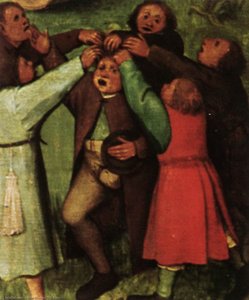
Desidia (Sloth), 1557


 اقرأ المزيد
طباعة جيلي / مطبوعات فنية
طباعة جيكلي أو كانفاس بجودة المتاحف، مع سرعة في التنفيذ وخيارات متنوعة للتشطيب. ( اطلب نسخة مرسومة يدويًا التحويل إلى الصورة الرقمية)




P118B E£10

P118H E£10

P118W E£10

P438Z E£10

P508JH E£12

P508YH E£12

P805H E£10

P805Z E£10

P919BZ E£10

P919G E£10

P919XJ E£10

P959ZH E£10

P968JZ E£12

W106C E£8

W218G E£10

W218JH E£8

W218Y E£10

W307PJ E£10

W316G E£10

W316PJ E£8

W316Y E£10

W398PJ E£8

W4111J E£10

W500HY E£15

W500JH E£15

W692G E£12

W849H E£8

W940BG E£15

W953PJ E£8




اختر من بين أحجامنا المُعدّة مسبقاً والتي تتوافق مع النسب الأصلية للعمل الفني.

أدخل العرض والارتفاع اللذين تحتاجهما، ليتناسب مع إطارك أو جدارك. يمكن قص المطبوعة فقط، ولا يمكن أبداً جعلها أكبر من الصورة الأصلية، لذا فإن أي مقاس بشكل مختلف سيؤدي إلى فقدان جزء من الصورة. سنرسل لك نموذجاً رقمياً تجريبياً لاعتماده قبل البدء في عملية الطباعة. الصورة المعروضة في هذه الصفحة لا توضح القص الفعلي — النموذج التجريبي فقط هو ما يظهر ذلك.
توصيل عالمي إلى خلال أسبوعين بدلاً من المدة القياسية البالغة 4/5 أسابيع. (23 أكتوبر)

شحن سريع ومجاني لجميع أنحاء العالم

قماش كتان فاخر

تأمين شامل على الشحن

ضمان استرداد الرسوم الجمركية

ضمان دقة مطابقة الألوان

سياسة الإرجاع خلال 100 يوم (في حالات العيوب فقط)

ضمان استرداد نقدي بنسبة 100%

عرض خصم الكميات
 خيار الزجاج متاح فقط للمقاسات التي تقل عن 110 سم

Desidia (Sloth), 1557
طباعة جيلي / مطبوعات فنية
مقاس النسخة المطبوعة
-


إجمالي السعر
E£ 4136
A Tapestry of Inertia: The World Within Bruegel’s Desidia
In the vast, swirling landscape of Pieter Bruegel the Elder’s 1557 masterpiece, Desidia (Sloth), the viewer is not merely presented with a painting, but rather invited into a profound psychological state. At first glance, the composition appears to be a bustling tableau of Northern Renaissance life, yet beneath the surface of this lively scene lies a biting critique of human stagnation. Bruegel, a master of capturing the intricate dance between the mundane and the moral, utilizes a sprawling landscape to house a multitude of figures—men, women, animals, and even aquatic life—all caught in various states of aimless existence. It is a world where movement exists without purpose, and activity serves only to mask a deeper, more unsettling stillness.
The technique employed by Bruegel is nothing short of miraculous, showcasing a meticulous attention to detail that draws the eye through an endless labyrinth of narrative threads. Every brushstroke contributes to a sense of overwhelming abundance; one might find themselves mesmerized by the texture of a distant boat laden with goods or the subtle, weary expression on a figure lost in thought. This level of precision creates a sensory experience that is both immersive and exhausting, mirroring the very concept of sloth—a heavy, inescapable weight that settles over the landscape. For the collector or designer, this complexity offers an unparalleled depth, as the artwork reveals new secrets upon every subsequent viewing.
Symbolism and the Weight of the Human Condition
To gaze upon Desidia is to engage with the intellectual ferment of the mid-16th century. Created during a period where the High Renaissance was transitioning into the more stylized Mannerism, Bruegel’s work stands as a humanist observation of vice and virtue. The painting serves as a moralizing mirror, reflecting the anxieties of a society grappling with newfound wealth and the temptations of material luxury. The central personification of Sloth—often depicted through dozing figures or sluggish animals like the iconic donkey—acts as a focal point for a broader commentary on the loss of spiritual and civic purpose. Bruegel masterfully weaves visual proverbs into the scenery, where even a man stuck in a house or a group of gamblers at a tavern becomes a symbol of the soul's inertia.
There is an undeniable emotional resonance in how Bruegel balances the grotesque with the beautiful. He does not shy away from portraying the unpolished or the unsightly, yet he imbues the entire composition with a rhythmic, almost musical quality. This duality makes the piece particularly compelling for modern interiors; it possesses the gravitas of a historical document while maintaining a vibrant, living energy. It is an artwork that demands contemplation, challenging the viewer to reflect on their own relationship with ambition, productivity, and the quiet, often dangerous, allure of doing nothing at all.
An Eternal Masterpiece for the Discerning Eye
For those seeking to curate a space with profound narrative power, a high-quality reproduction of Desidia offers more than just decoration; it provides a window into the Renaissance mind. The painting’s ability to anchor a room with its historical weight and intricate storytelling makes it an ideal centerpiece for libraries, studies, or sophisticated living areas. It is a piece that speaks to the intellect and stirs the imagination, bridging the gap between the 16th-century Flemish landscape and the contemporary aesthetic of thoughtful, curated living.
Owning a tribute to Bruegel’s genius allows one to preserve the legacy of Northern European expression. Whether viewed as a study in Renaissance technique or as a profound philosophical statement on the nature of human behavior, Desidia remains an enduring icon of art history—a timeless reminder that even in our most idle moments, there is a complex and beautiful story unfolding.
الأسئلة والأجوبة
ما هي المساحة التي تتناغم مع ألوان "Desidia (Sloth), 1557" للفنان بيتر بروجل الأكبر؟
بفضل لوحة ألوانه التي تتميز بـ Neutrals، يُنصح بوضع "Desidia (Sloth), 1557" للفنان بيتر بروجل الأكبر في Living Room؛ حيث تُعد الألوان أحد الأسباب وراء هذا الاقتراح.
هل تُعدّ "Desidia (Sloth), 1557" للفنان بيتر بروجل الأكبر لوحةً فاتحة الألوان أم داكنة؟
سُجلت درجة سطوع "Desidia (Sloth), 1557" للفنان بيتر بروجل الأكبر عند brilliant، مع مستوى لمعان يبلغ Bright Balance.
ما هي حقوق إعادة إنتاج العمل الفني "Desidia (Sloth), 1557" في المتحف ألبرتينا؟
إن الوضع القانوني لحقوق الطبع والنشر لعمل "Desidia (Sloth), 1557" للفنان بيتر بروجل الأكبر واضح: فالعمل يندرج ضمن ملك عام - انتهت مدة حماية حقوق الطبع والنشر الخاصة به. ولا يغير وجوده في المتحف ألبرتينا من هذا الوضع شيئاً.
نبذة عن الفنان
Pieter Bruegel the Elder: Renaissance Master of Landscapes and Peasant Life
Pieter Bruegel the Elder stands as a monumental figure in Flemish Renaissance art, recognized globally for his groundbreaking approach to depicting human experience—particularly through vivid landscapes populated by ordinary people. Born around 1525/1530, likely in Breda (though precise birth records remain elusive), Bruegel’s formative years unfolded amidst the turbulent religious landscape of Brabant – then part of Habsburg Spain – and a burgeoning mercantile culture that fostered artistic experimentation. His early artistic training occurred under the tutelage of Pieter Coecke van Aelst, a celebrated Antwerp painter renowned for his sculptural prowess, architectural designs for tapestries, and masterful depictions of exotic locales—a formative encounter that instilled in Bruegel a profound appreciation for humanist ideals and innovative visual techniques.Early Life and Artistic Training
Coecke’s workshop wasn't merely an institution for artistic instruction; it served as a crucible where traditional Flemish craftsmanship intersected with emerging Renaissance concepts, shaping Bruegel’s artistic trajectory from its inception. Coecke’s wife, Maria Verhulst Bessemers, herself a painter specializing in watercolor and tempera—a technique gaining prominence during the period—further broadened Bruegel's exposure to diverse artistic traditions. This confluence of influences instilled in him an unwavering commitment to meticulous observation and a willingness to challenge established conventions—qualities that would characterize his entire oeuvre. Following his apprenticeship, Bruegel embarked on extensive travels throughout Europe between 1551 and 1553, traversing France, Switzerland, and Italy. These expeditions weren’t driven solely by curiosity; they constituted deliberate explorations of artistic inspiration, resulting in sketches documenting the grandeur of Alpine vistas and immersing him in the vibrant cultural milieu of Italian Renaissance centers.The Influence of Bosch and Artistic Innovation
Bruegel's stylistic evolution began with a discernible debt to Hieronymus Bosch—a fellow painter who died just before Bruegel’s birth but whose unsettling visions of Hell and demonic figures exerted considerable sway over younger artists. While Bruegel initially adopted Bosch’s macabre aesthetic, he swiftly developed his own distinctive voice—characterized by an unparalleled sensitivity to atmospheric perspective and a masterful command of chiaroscuro—the dramatic interplay of light and shadow that imbues his canvases with depth and emotional resonance. This stylistic breakthrough propelled him beyond the confines of conventional Renaissance painting, establishing him as a pioneer in genre art—a field previously dominated by portraits and mythological narratives—and ushering in an era of unprecedented realism in depictions of rural life.Major Achievements and Recurring Themes
Bruegel’s artistic legacy rests upon a remarkable body of work encompassing landscapes, peasant scenes, biblical narratives, and allegorical representations—each infused with profound symbolic meaning and reflecting his humanist worldview. Among his most celebrated masterpieces are *Landscape with the Flight into Egypt*, *The Triumph of Death*, *Peasant Wedding*, *Hunters in the Snow*, and *The Tower of Babel*. These paintings exemplify Bruegel’s unparalleled ability to capture both the beauty and brutality inherent in human existence—a feat achieved through meticulous detail, masterful composition, and an unwavering commitment to portraying everyday life with unflinching honesty. His landscapes aren't merely decorative elements; they serve as conduits for conveying moral lessons and exploring philosophical questions about humanity’s relationship with nature and its destiny.A Lasting Impact on Art History
Pieter Bruegel the Elder’s influence reverberates throughout subsequent artistic movements—most notably in the Dutch Golden Age—where artists like Isaac van Ostade and Adriaen Brouwer drew inspiration from his pioneering approach to genre painting and his masterful use of chiaroscuro. Beyond painting, Bruegel's imagery continues to captivate audiences worldwide—appearing prominently in films such as Andrei Tarkovsky’s *Solaris* (1972) and Lars von Trier’s *Melancholia* (2011)—demonstrating the enduring power of his artistic vision. He remains an undisputed icon of Renaissance art, securing his place among the most influential figures in European cultural history—a testament to his unwavering dedication to observation, artistic innovation, and a profound understanding of the human condition.
بيتر بروجل الأكبر
1525 - 1569 , بلجيكا
لمحة سريعة
- Artistic Movement Or Style: الرينيسانس الفني
- Artists Who Influenced This Artist: ['هيرونيموس بوسخ']
- Date Of Birth: c. 1525
- Date Of Death: 1569
- Full Name: Pieter Bruegel the Elder
- Nationality: فلمنكي
- Notable Artworks: ['لوحة الهجرة إلى مصر"، "تriumph الموت"، "عرس الفلاحين"، "الصيد في الثلج']
- Place Of Birth: Breda، هولندا
مقالات ذات صلة

Pieter Bruegel the Elder: A Master of Genre, Landscape & Social Commentary
Explore the life & art of Pieter Bruegel the Elder, a pivotal figure of the Renaissance. Discover his groundbreaking genre scenes, symbolic landscapes, and lasting influence on art history. Learn more at OriginalUniqueArt.

Early Netherlandish Masters: 10 Paintings That Revolutionized Art & Decor
Journey into the world of Early Netherlandish painting! Explore 10 masterpieces by Jan van Eyck, Rogier van der Weyden & more. Discover stunning detail, symbolism & Renaissance art for your home decor. Find museum-quality reproductions on OriginalUniqueArt.com

Idyllic Visions: Exploring the Pastoral Scene in Art History – From Arcadia to Modern Interpretations
Explore the captivating history of pastoral art from classical Arcadia to modern masterpieces. Discover key artists like Millet & Cole at OriginalUniqueArt. Find serene landscape paintings for your home.
Jan Brueghel the Elder: A Master of Flemish Landscape & Allegory – Exploring Innovation & Influence
Explore the captivating world of Jan Brueghel the Elder, a Flemish Baroque master renowned for his stunning landscapes & allegorical paintings. Discover his collaborations with Rubens and lasting artistic legacy.
Idyllic Visions: Exploring the Pastoral Tradition in Western Art – Themes, Techniques & Enduring Appeal
Explore the rich history of pastoral art from classical Arcadia to contemporary interpretations. Discover key artists, themes & collecting tips at OriginalUniqueArt.