- الرئيسية

- طباعة على كانفاس
- pierre gouthière
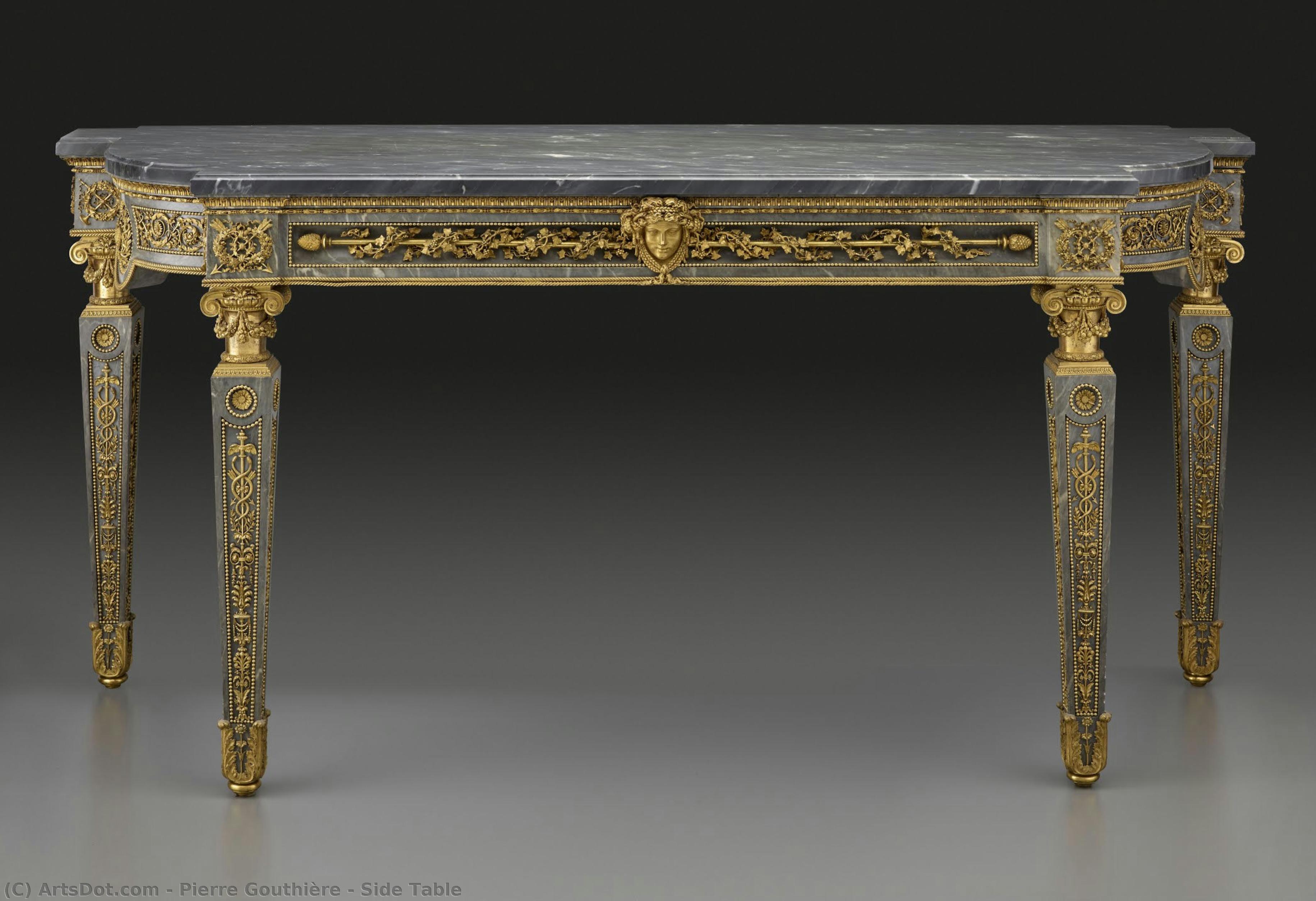
- Side Table
 معاينة الحجم الحقيقي
 مشاركة
 مشاركة
 التفاصيل

 تحميل الملف
 قطع مشابهة
 الأشعة السينية
 عرض شرائح
Side Table


 عرض المزيد
طباعة جيلي / مطبوعات فنية
طباعة جيكلي أو كانفاس بجودة المتاحف، مع سرعة في التنفيذ وخيارات متنوعة للتشطيب. ( التحويل إلى لوحة مرسومة يدوياً التبديل إلى الصورة)




































اختر من بين أحجامنا المُعدّة مسبقًا والتي تتطابق مع النسب الأصلية للعمل الفني.

يمكنك إدخال أبعادك الخاصة لتناسب إطاراً أو مساحة معينة. وإذا لم يتطابق الحجم الذي اخترته مع نسب الصورة الأصلية، فسنقوم إما بقص العمل الفني أو تمديد الصورة باستخدام حافة معكوسة أو بلون مصمت. سيتم إرسال نموذج تجريبي رقمي لاعتمادك قبل بدء الإنتاج.
يرجى ملاحظة أن المعاينة على الشاشة لا تعكس عملية القص أو التمديد الفعلية؛ حيث سيوضح النموذج التجريبي فقط التكوين النهائي بدقة.
وعلى الرغم من توفر أحجام مخصصة، إلا أننا نوصي باختيار أبعاد من القائمة المحددة مسبقاً للحفاظ على النسب الأصلية.
توصيل عالمي إلى خلال أسبوعين بدلاً من المدة القياسية البالغة 4/5 أسابيع. 3 أغسطس

شحن سريع ومجاني لجميع أنحاء العالم

قماش كتان عالي الجودة

تأمين شحن شامل

ضمان استرداد الرسوم الجمركية

ضمان مطابقة الألوان الحقيقية

سياسة الإرجاع خلال 60 يومًا (في حالات العيوب فقط)

ضمان استرداد نقدي بنسبة 100%

خصم عند طلب عدة قطع
 خيار الزجاج متاح فقط للمقاسات التي تقل عن 110 سم

Side Table
طباعة جيلي / مطبوعات فنية
مقاس النسخة المطبوعة
-


السعر الإجمالي النهائي
$ 80
وصف القطعة الفنية
السيرة الذاتية للفنان
Pierre Gouthière: The Goldsmith of Kings
The name Pierre Gouthière (1732–1813) is synonymous with opulent artistry in 18th-century France, a testament to his extraordinary skill as a metalworker and gilder. Born in Bar-sur-Aube, a small village in Champagne, Gouthière’s early life offered little indication of the dazzling career that lay ahead. He apprenticed under Martin Cour in Paris, immersing himself in the techniques of chasing, engraving, and gilding – skills he would master with unparalleled precision and refinement. His journey wasn't one of solitary brilliance; it was deeply intertwined with the lavish tastes of a court obsessed with spectacle and the pursuit of beauty, ultimately shaping his legacy as a pivotal figure in French decorative arts.
Gouthière’s rise to prominence coincided with a period of extraordinary artistic flourishing under Louis XV and Louis XVI. He quickly established himself as a sought-after craftsman, catering to an elite clientele that included the Duc d'Aumont, the Duchess of Mazarin, Madame du Barry, and, most notably, Marie Antoinette herself. His reputation wasn’t built solely on royal patronage; it was forged through sheer artistic merit – his ability to transform rough metal into objects of breathtaking beauty and intricate detail. Unlike many artists of his time who focused on grand scale, Gouthière excelled in the creation of smaller, exquisitely crafted pieces, often adorning furniture, mirrors, and decorative objects with scenes from mythology, classical history, and everyday life.
The Techniques of a Master
Gouthière’s genius lay not just in his aesthetic sensibility but also in his mastery of technical skills. He was a true ‘fondeur-ciseleur,’ a term that encompassed both the casting and finishing processes involved in creating gilt bronze objects. His workshop, initially located on the Rue du Faubourg Saint-Martin, became a hub of activity, employing a team of skilled artisans who assisted him in realizing his ambitious designs. The process was painstaking, involving multiple stages: first, the creation of molds from wax models – often meticulously crafted by Gouthière himself; then, casting the metal in a furnace; and finally, the intricate work of chasing, engraving, and gilding to achieve the desired surface texture and finish.
Gouthière’s signature style was characterized by an extraordinary delicacy and subtlety. He employed a unique ‘soft gold’ technique – a burnished, lustrous gilding that set him apart from his contemporaries. This achieved through a complex process of polishing and applying multiple layers of gold leaf, it created a shimmering effect that seemed to radiate light. He also demonstrated remarkable skill in rendering natural forms, whether it was the rippled fur of a goat, the delicate veins of a leaf, or the flowing drapery of mythological figures. His ability to capture both texture and movement within a small space was truly exceptional.
Royal Patronage and Financial Ruin
The demand for Gouthière’s work soared during the reign of Louis XV and Marie Antoinette, fueled by their extravagant tastes and the desire to impress foreign dignitaries. His creations adorned the most opulent interiors in France, from the grand salons of Versailles to the private chambers of the royal family. The Duc d'Aumont’s collection, sold at auction in 1782, served as a spectacular showcase for Gouthière’s talents, cementing his reputation as one of the foremost artists of his time. However, this period of unparalleled success was tragically followed by financial ruin.
Gouthière's downfall stemmed from a series of unfortunate circumstances. His lavish spending habits, coupled with the death of two major clients – the Duc d’Aumont and the Duchess of Mazarin – left him deeply indebted. His attempts to secure commissions from the new revolutionary government were thwarted, and he was imprisoned for several months in 1794 on suspicion of counter-revolutionary activities. Despite his talent and reputation, Gouthière died in poverty in 1813, a poignant reminder of the precariousness of artistic success during turbulent times.
Legacy and Rediscovery
Despite his untimely demise, Gouthière’s legacy endures through the exquisite objects he created. His works are now treasured by museums and private collectors around the world, offering a glimpse into the opulent tastes of 18th-century France. The Wallace Collection in London houses an exceptional collection of Gouthière's bronzes, including a remarkable brûle-parfums (incense burner) that exemplifies his mastery of gilding techniques. Recent scholarship has shed new light on Gouthière’s life and work, revealing the depth of his artistic vision and the technical brilliance of his craft.
The Frick Collection's 2017 exhibition, “Pierre Gouthière: Virtuoso Gilder at the French Court,” marked a significant milestone in the rediscovery of this forgotten master. By bringing together a selection of his finest works and offering new insights into his creative process, the exhibit demonstrated that Gouthière remains one of the most important and influential figures in the history of French decorative arts – a testament to the enduring power of beauty, skill, and artistry.

pierre gouthière
1732 - 1813 , France
حقائق سريعة
- Artistic Movement Or Style: Baroque & Rococo
- Artists Or Movements Influenced By This Artist: ['Thomire']
- Artists Who Influenced This Artist: ['Martin Cour']
- Date Of Birth: 1732
- Date Of Death: 1813
- Full Name: Pierre Gouthière
- Nationality: French
- Notable Artworks:
- Medusa applique
- Brûle-parfum (bronze)
- Place Of Birth: Bar-sur-Aube, France

