
 معاينة الحجم الحقيقي
 مشاركة
 مشاركة
 التفاصيل

 تحميل الملف
 قطع مشابهة
 الأشعة السينية
 عرض شرائح
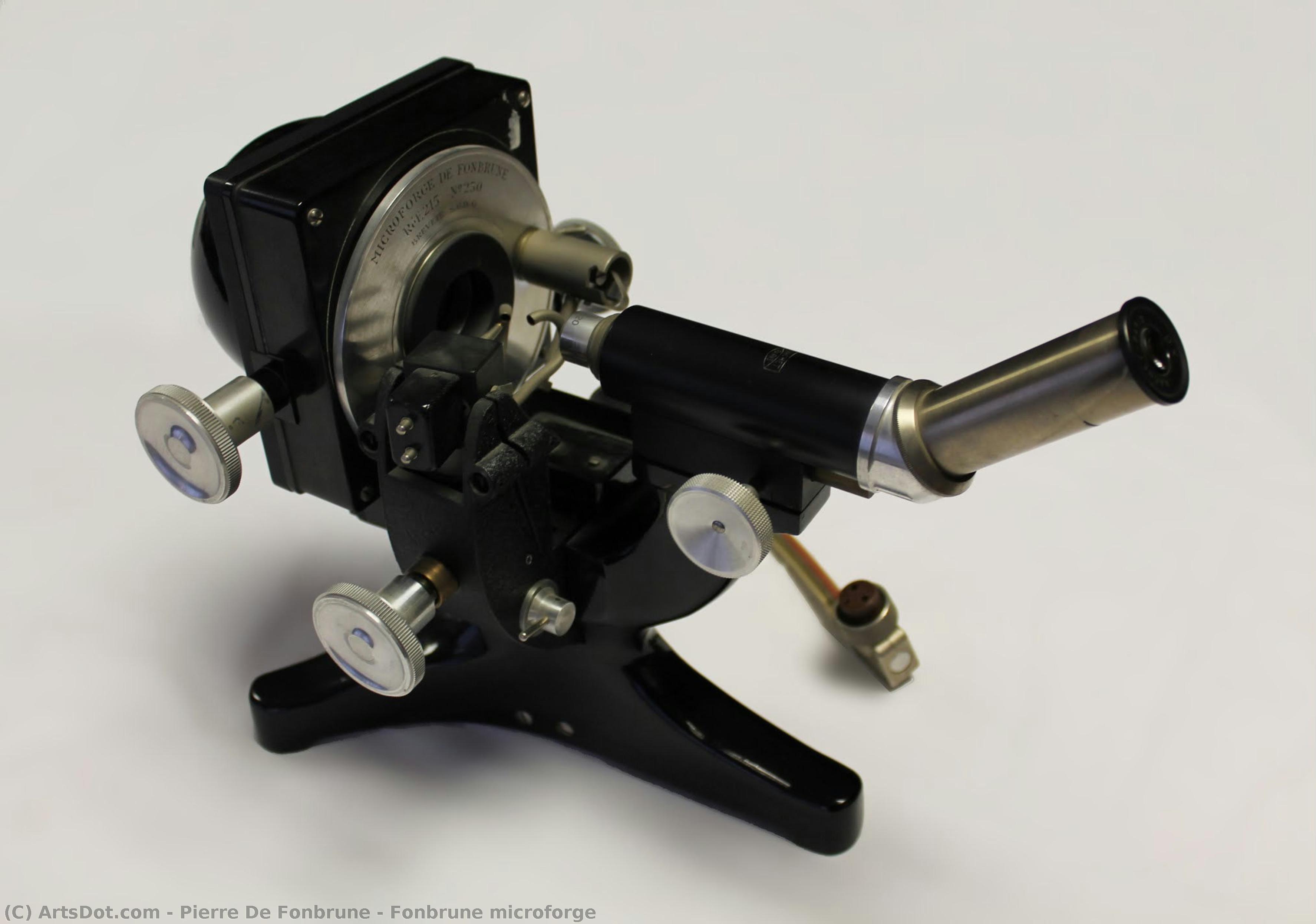
Fonbrune microforge

 عرض المزيد
طباعة جيلي / مطبوعات فنية
طباعة جيكلي أو كانفاس بجودة المتاحف، مع سرعة في التنفيذ وخيارات متنوعة للتشطيب. ( اشترِ لوحة مرسومة يدويًا اشترِ الصورة)




































اختر من بين أحجامنا المُعدّة مسبقًا والتي تتطابق مع النسب الأصلية للعمل الفني.

يمكنك إدخال أبعادك الخاصة لتناسب إطاراً أو مساحة معينة. وإذا لم يتطابق الحجم الذي اخترته مع نسب الصورة الأصلية، فسنقوم إما بقص العمل الفني أو تمديد الصورة باستخدام حافة معكوسة أو بلون مصمت. سيتم إرسال نموذج تجريبي رقمي لاعتمادك قبل بدء الإنتاج.
يرجى ملاحظة أن المعاينة على الشاشة لا تعكس عملية القص أو التمديد الفعلية؛ حيث سيوضح النموذج التجريبي فقط التكوين النهائي بدقة.
وعلى الرغم من توفر أحجام مخصصة، إلا أننا نوصي باختيار أبعاد من القائمة المحددة مسبقاً للحفاظ على النسب الأصلية.
توصيل عالمي إلى خلال أسبوعين بدلاً من المدة القياسية البالغة 4/5 أسابيع. 17 أغسطس

شحن سريع ومجاني لجميع أنحاء العالم

قماش كتان عالي الجودة

تأمين شحن شامل

ضمان استرداد الرسوم الجمركية

ضمان مطابقة الألوان الحقيقية

سياسة الإرجاع خلال 60 يومًا (في حالات العيوب فقط)

ضمان استرداد نقدي بنسبة 100%

خصم عند طلب عدة قطع
 خيار الزجاج متاح فقط للمقاسات التي تقل عن 110 سم

Fonbrune microforge
طباعة جيلي / مطبوعات فنية
مقاس النسخة المطبوعة
-


السعر الإجمالي النهائي
$ 80
السيرة الذاتية للفنان
A Pioneer of Microscopic Cinema: The Life and Work of Pierre de Fonbrune
Pierre de Fonbrune, born in Stigny, France, in 1901, occupies a unique position in the history of both scientific instrumentation and early cinema. Though perhaps not a household name, his inventive spirit and dedication to visualizing the unseen world left an indelible mark on fields ranging from ethology to botany. De Fonbrune wasn’t merely a cinematographer; he was a builder of tools, a facilitator of observation, driven by a desire to capture processes previously inaccessible to the human eye. His life, though relatively undocumented in broad biographical detail, is best understood through his groundbreaking inventions and their application to scientific research. He passed away in November 1963, leaving behind a legacy that continues to inspire those seeking innovative ways to explore the intricacies of nature.The Invention of Precision: Micromanipulators and Microforges
De Fonbrune’s most significant contribution lies in his development of the pneumatic micromanipulator and microforge – devices that revolutionized microscopic work. Prior to their creation, manipulating objects at a cellular level was an incredibly laborious and imprecise task. The micromanipulator allowed for extraordinarily fine control, enabling researchers to isolate and study individual cells with unprecedented accuracy. Complementing this was the microforge, which facilitated the creation of delicate tools necessary for these manipulations. These weren’t simply improvements on existing technology; they were entirely new approaches that opened up avenues of research previously considered impossible. The core principle behind his designs involved using air pressure to control movement, offering a level of sensitivity and responsiveness unmatched by mechanical alternatives. This ingenuity stemmed from a deep understanding of both engineering principles and the practical needs of scientists working at the forefront of their fields.Collaboration with Dr. Comandon and Ethological Breakthroughs
Around 1931, de Fonbrune began a pivotal collaboration with Dr. André Comandon at the Centre de Documentation in Boulogne-Billancourt. This partnership proved to be remarkably fruitful, focusing on the application of de Fonbrune’s microcinematographe – a specialized camera designed for high-speed microscopic filming – to ethological and botanical studies. Together, they pioneered techniques for recording the behavior of insects, particularly their mating rituals and developmental processes. The ability to capture these behaviors in detail allowed for a deeper understanding of animal communication, social structures, and evolutionary adaptations. These films weren’t just scientific records; they were captivating glimpses into a hidden world, revealing the complexity and beauty of life at a microscopic scale. Dr. Comandon's expertise in insect behavior combined seamlessly with de Fonbrune’s technological prowess, resulting in groundbreaking publications and establishing microcinematography as a vital tool for ethologists.Beyond Insects: Botanical Research and the Visualization of Growth
The applications of de Fonbrune’s inventions weren't limited to the animal kingdom. He and Dr. Comandon also turned their attention to botany, using microcinematography to document the growth and development of plants. They captured time-lapse sequences showing root formation, pollen germination, and other crucial stages in a plant’s life cycle. This work provided invaluable insights into plant physiology and morphology. The ability to visualize these processes in detail challenged existing botanical theories and opened up new areas of inquiry. The films produced during this period were not only scientifically significant but also aesthetically striking, showcasing the dynamic beauty of plant life.Historical Significance and a Lasting Legacy
Pierre de Fonbrune’s contributions often remain behind the scenes, embedded within the scientific advancements they enabled. He wasn't an artist seeking fame or recognition; he was an inventor driven by a passion for exploration and a desire to provide scientists with the tools they needed to unravel the mysteries of nature. His pneumatic micromanipulator and microforge became essential instruments in laboratories around the world, facilitating countless discoveries in cell biology, genetics, and other related fields.- His work laid the foundation for modern microscopy techniques.
- He demonstrated the power of combining technology with scientific observation.
- The microcinematographe offered a new way to visualize and understand complex biological processes.

pierre de fonbrune
1901 - 1963 , France
حقائق سريعة
- Artistic Movement Or Style: Early Cinema Tech
- Date Of Birth: 1901
- Date Of Death: 1963
- Full Name: Pierre de Fonbrune
- Nationality: French
- Notable Artworks: ['Fonbrune microforge']
- Place Of Birth: Stigny, France

