معاينة الحجم الحقيقي
 مشاركة
 مشاركة
 التفاصيل

 تحميل الملف
 قطع مشابهة
 الأشعة السينية
 عرض شرائح
 الإحصائيات
The Flagellation (detail)


 عرض المزيد
نسخة زيتية مصنوعة يدوياً
لوحة زيتية مرسومة يدوياً على الكانفاس بالمقاس والإطار الذي تفضله، تُنفذ حسب الطلب على أيدي فنانينا. ( التحويل إلى المطبوعات الانتقال إلى الصورة الرقمية)




P118B $10

P118H $10

P118W $10

P438Z $10

P508JH $12

P508YH $12

P805H $10

P805Z $10

P919BZ $10

P919G $10

P919XJ $10

P959ZH $10

P968JZ $12

W106C $8

W218G $10

W218JH $8

W218Y $10

W307PJ $10

W316G $10

W316PJ $8

W316Y $10

W398PJ $8

W4111J $10

W500HY $15

W500JH $15

W692G $12

W849H $8

W940BG $15

W953PJ $8




اختر من بين أحجامنا المُعدّة مسبقًا والتي تتطابق مع النسب الأصلية للعمل الفني.

يمكنك إدخال أبعادك الخاصة لتناسب إطارًا معينًا أو مساحة محددة. وإذا لم يتطابق الحجم الذي اخترته مع نسب الصورة الأصلية، فسنقوم إما بقص العمل الفني أو توسيع اللوحة بإضافة عناصر مرسومة يدويًا. سيتم إرسال نموذج رقمي إليك للموافقة عليه قبل بدء الإنتاج.
يرجى ملاحظة أن المعاينة على الشاشة لا تعكس عملية القص أو التوسيع الفعلية؛ حيث إن النموذج الرقمي وحده هو الذي سيوضح التكوين النهائي بدقة.
وعلى الرغم من توفر أحجام مخصصة، إلا أننا نوصي باختيار أبعاد من القائمة المحددة مسبقًا للحفاظ على النسب الأصلية للعمل الفني.
بعد إتمام الطلب، سيرسل فريق OriginalUniqueArt.com بريداً إلكترونياً للعميل لطلب التعليمات وتزويده بمعاينة تجريبية (mockup).
توصيل عالمي إلى خلال 3 إلى 4 أسابيع بدلاً من المدة المعتادة البالغة 5 أسابيع. (18 سبتمبر). جودة لا تهاون فيها.

شحن سريع ومجاني لجميع أنحاء العالم

قماش كتان عالي الجودة

تأمين شحن شامل

ضمان استرداد الرسوم الجمركية

ضمان مطابقة الألوان الحقيقية

سياسة الإرجاع خلال 100 يوم (في حالات العيوب فقط)

ضمان استرداد نقدي بنسبة 100%

خصم عند طلب عدة قطع
 خيار الزجاج متاح فقط للمقاسات التي تقل عن 110 سم

The Flagellation (detail)
خامة إعادة الإنتاج
مقاس النسخة المطبوعة
-


السعر الإجمالي النهائي
$ 300
A Serene Vision of Suffering: Unveiling Piero della Francesca’s *The Flagellation*
Piero della Francesca's *The Flagellation*, painted in 1455 and currently residing within the Galleria Nazionale delle Marche in Urbino, Italy, is not merely a depiction of a biblical event; it’s an immersive experience—a carefully constructed tableau that invites contemplation on human nature, faith, and the very principles of Renaissance art. Far removed from the dramatic, emotionally charged portrayals common at the time, Piero offers a strikingly restrained and geometrically precise rendering of Christ's scourging, a testament to his profound understanding of perspective and his humanist philosophy. The painting immediately draws the viewer in with its unusual composition: three figures—a bearded man, a younger figure, and a balding individual—stand before a nondescript building, seemingly oblivious to the gruesome scene unfolding behind them. This deliberate separation, this spatial distancing, is key to understanding Piero’s artistic intent.
The architectural backdrop, featuring columns and a tile roof, establishes a sense of solidity and order, while a clock subtly visible on the wall anchors the scene in time—a detail that speaks to Piero's meticulous approach to realism. The figures themselves are rendered with an almost sculptural quality, their forms defined by precise lines and subtle modeling, creating a remarkable illusion of volume within the relatively small panel. Notably, the painting’s emotional core is deliberately muted; there’s no dramatic weeping or anguished expressions—instead, a quiet solemnity pervades the scene, prompting viewers to consider the event not as a spectacle of suffering, but as a moment of profound human experience.
The Geometry of Faith: Piero della Francesca's Artistic Innovations
Piero della Francesca was more than just a painter; he was a mathematician and geometer—a fact deeply embedded within the very fabric of *The Flagellation*. His artistic style reflects his rigorous study of perspective, proportion, and geometry, principles he meticulously applied to create an illusion of three-dimensional space on a two-dimensional surface. The painting’s composition is built upon a complex system of converging lines that lead the eye towards a vanishing point—a technique borrowed from ancient architectural theory and perfected by Brunelleschi. This masterful use of linear perspective not only creates a sense of depth but also reinforces the painting's overall harmony and balance.
Furthermore, Piero’s mastery extends to color and light. He employs a limited palette of earthy tones—ochres, browns, and grays—to create a subdued yet luminous effect. The subtle gradations of tone suggest the play of light and shadow, adding depth and realism to the figures and architecture. The careful arrangement of these colors contributes significantly to the painting’s serene atmosphere, avoiding any overly dramatic or emotionally charged hues.
Decoding the Enigmatic Figures: Symbolism and Interpretation
Perhaps the most intriguing aspect of *The Flagellation* lies in the identity of the three figures positioned in the foreground. For centuries, art historians have debated their meaning—a debate fueled by the painting’s inherent ambiguity. While traditional interpretations identify them as Oddantanio da Montefeltro (the ruler of Urbino), his advisor Ludovico Gonzaga, and a young man representing Christ himself, more recent scholarship suggests alternative possibilities. Some scholars propose that they represent figures connected to the tragic events surrounding the death of a nobleman, while others see them as allegorical representations of time, past, present, and future.
Regardless of their precise identities, these figures serve as a crucial element in the painting’s complex symbolism—a reminder that Piero della Francesca's work is not simply a literal depiction of a biblical scene but rather an invitation to engage with profound questions about human existence, faith, and mortality. The fact that they remain largely unaffected by the event behind them underscores the theme of detachment and contemplation.
A Legacy Preserved: Reproductions and Artistic Appreciation
Piero della Francesca’s *The Flagellation* stands as a cornerstone of Early Renaissance art—a testament to his intellectual rigor, artistic skill, and humanist vision. Its influence can be seen in countless subsequent works of art, demonstrating its enduring power and relevance. OriginalUniqueArt.com offers meticulously crafted oil painting reproductions that allow art lovers to experience the beauty and detail of this masterpiece in their own homes, ensuring that Piero della Francesca’s profound vision continues to inspire generations.
For those seeking a deeper understanding of *The Flagellation*, we recommend exploring additional resources such as Wikipedia and Galleria Nazionale delle Marche (Urbino, Italy) - A Haven of Renaissance Masterpieces. Furthermore, consider visiting Smarthistory’s analysis for a comprehensive overview of the painting's symbolism and historical context.
السيرة الذاتية للفنان
بييرو ديلا فرانشيسكا: رؤية توسكانية خالدة
في قلب منطقة توسكانا الإيطالية، وفي بلدة سان سيبولكرو الهادئة، وُلد بييرو دي بينيديتو دي فرانسيسكي، المعروف عالميًا ببييرو ديلا فرانشيسكا، حوالي عام 1415. لم يكن فنانًا فحسب، بل كان أيضًا عالم رياضيات وهندسة معمارية، مما جعله شخصية فريدة في عصر النهضة المبكرة. على عكس العديد من معاصريه الذين تركت عنهم سجلات تاريخية مفصلة، يظل بييرو شخصية غامضة إلى حد ما؛ التفاصيل حول عائلته وتدريبه الفني المبكر شحيحة. ومع ذلك، فإن ما هو مؤكد هو أنه امتلك عقلًا استثنائيًا، مفتونًا بالتيارات الفنية الناشئة في فلورنسا ولغة الرياضيات والهندسة الدقيقة. ورث عن والده، الذي كان يعمل صانع أحذية وجلود، حياة مستقرة وإن لم تكن باذخة، ويُعتقد أن تعليمه الفني الأولي بدأ محليًا، حيث امتص تقاليد الرسم في وسط إيطاليا قبل التحولات الجذرية التي أحدثها ماساتشيو وبرونليسكي. هذا الأساس المبكر سيكون حاسمًا في تشكيل توليفته الفريدة بين الرشاقة القوطية والابتكار النهضاري.
فلورنسا وبزوغ عصر جديد
في عام 1439 تقريبًا، شرع بييرو في رحلة إلى فلورنسا، وهي مدينة تنبض بالطاقة الفنية. كانت هذه الفترة بمثابة نقطة تحول. تعاون مع دومينيكو فنزانو في أعمال جدارية لكنيسة سانت’إيجديو، وهي تجربة عرّضه بشكل مباشر للأسلوب الفلورنسي الناشئ. والأهم من ذلك، انغمس في دراسة أعمال ماساتشيو الرائعة في كنيسة براتشي، وهو اكتشاف في الواقعية والوهم المكاني. أثرت أيضًا ابتكارات برونليسكي المعمارية، وخاصة إتقانه للمنظور الخطي، بعمق على تطوره الفني. لم يقتبس هذه التقنيات فحسب، بل حللها، وفكّك المبادئ الرياضية الكامنة وراءها. سيصبح هذا النهج التحليلي بمثابة العلامة المميزة لأعماله، مما يميزه عن العديد من معاصريه. امتص التأكيد الفلورنسي على التشريح وعلم الجمال، لكنه صقله من خلال عدسة شخصية متميزة، تتميز بالهدوء والوضوح وجمال صارم تقريبًا.
روائع الضوء والهندسة
تكمن إرث بييرو ديلا فرانشيسكا في مجموعة أعمال صغيرة نسبيًا ولكنها قوية بشكل استثنائي. ربما يكون إنجازه الأكثر شهرة هو دورة الفريسكو *أسطورة الصليب الحقيقي* في كنيسة سان فرانسيسكو، أريتسو. تتكشف هذه السردية الضخمة مع وضوح وهدوء ملحوظين، وتصور مشاهد من أسطورة خشب الصليب بإحساس غير مسبوق بعمق مكاني ورؤى نفسية. الشخصيات ليست مجرد تمثيلات لشخصيات الكتاب المقدس؛ إنها متأثرة بكرامة وهدوء تأملي يرفعها إلى أشكال نموذجية. *لوحة مونتيفيلترو*، الموجودة الآن في معرض بريرا في ميلانو، تعرض إتقانه للرسم الزيتي وتصوير البورتريه الدقيق، ويضم تصويرًا مذهلاً لـ فريدريكو دا مونتيفيلترو وزوجته باتيستا سفو تزا - صور مشهورة بحدة أدائها النفسية وتفاصيلها المتقنة. *المعمودية* في المعرض الوطني بلندن هي شهادة أخرى على مهارته؛ يخلق التكوين الأنيق والألوان المتلألئة واستكشاف دقيق للضوء جوًا من الرنين الروحي العميق. يظهر أسلوبه باستمرار التزامًا بالدقة الهندسية والتكوينات المتوازنة ولوحة مقيدة، باستخدام الضوء ليس فقط للتأثير الجمالي ولكن كأداة لتحديد الشكل وخلق إحساس بالحجم الملموس.
ما وراء الفرشاة: رؤية عالم رياضيات
ما يميز بييرو ديلا فرانشيسكا حقًا هو اتساعه الفكري الفريد. لم يكن فنانًا فحسب، بل كان أيضًا عالم رياضيات وهندسة معمارية ومؤلفًا. يقف كتابه *De Prospectiva Pingendi* (حول المنظور في الرسم) كواحد من أقدم المعالجات الرسمية للمنظور، مما يدل على فهمه العميق للمبادئ الرياضية وتطبيقها على الفن. لم يكن هذا العمل مجرد نظري؛ لقد أثر على كل جانب من جوانب رسمه. لقد حسب العلاقات المكانية بعناية، واستخدم البناءات الهندسية لتنظيم التكوينات، واستخدم الضوء ليس فقط للإضاءة ولكن لتعريف الشكل بدقة علمية. عززت اهتمامه بالبصريات قدرته على خلق أوهام العمق والواقعية. هذا الدمج بين الحساسية الفنية والدقة الرياضية هو ما يمنح عمله قوته وإيحاءه الفكري الدائمين. كان يعتقد أن الجمال يكمن في النظام والتناسب، وسعى إلى ترجمة هذه المبادئ إلى شكل مرئي.
إرث دائم
توفي بييرو ديلا فرانشيسكا عام 1492، تاركًا وراءه إرثًا لن يُقدر بشكل كامل لعدة قرون. على الرغم من أنه لم يكن منتجًا غزيرًا مثل بعض معاصريه مثل ليوناردو دا فينشي أو مايكل أنجلو، إلا أن أعماله المتبقية أثرت بشكل خفي ولكن عميق على الأجيال القادمة من الفنانين. درس ليوناردو نفسه تقنيات بييرو وأعجب بإتقانه للضوء والظل. كما استلهم رافائيل من تكوينات وترتيباته المكانية. في القرن العشرين، أعاد المؤرخون الفنيون اكتشاف عمل بييرو، معتبرين إياه شخصية محورية في تطور فن عصر النهضة - جسرًا بين الأسلوب القوطي الدولي وعصر النهضة المتأخرة. لا تزال تركيزه على المنظور الرياضي والتمثيل الواقعي والإنسانية الهادئة يتردد صداها لدى الفنانين والمتفرجين على حد سواء، مما يعزز مكانته كواحد من أمهر وأكثر الأساتذة إشراقًا في عصر النهضة الإيطالية. أعماله ليست مجرد أشياء جميلة؛ إنها نوافذ إلى عالم تتلاقى فيه الفن والعلوم والروحانية في توازن متناغم.

بييرو دلا فرانشيسكا
1415 - 1492 , إيطاليا
حقائق سريعة
- Artistic Movement Or Style: الرينيسانس المبكر
- Artists Who Influenced This Artist:
- ماساشيو
- دومينيكو فينيزiano
- Date Of Birth: عقد ١٤١٥ م
- Date Of Death: ١٤٩٢ م
- Full Name: Piero di Benedetto de’ Franceschi
- Nationality: إيطالي
- Notable Artworks:
- تطهير المسيح
- ألتاربيس مونتفيلترو
- طقس الغسل
- Place Of Birth: سان سيبولكو، إيطاليا
مقالات ذات صلة

Echoes of Time: Narratives & Transformations in Renaissance Art History
Explore the transformative power of Renaissance art history! Discover iconic masterpieces by Piero della Francesca, Botticelli & Cranach the Elder. Uncover symbolism, techniques, and lasting influence – a guide for enthusiasts.

The Radiance of Rebirth: Unveiling the Humanist Spirit and Aesthetic Mastery of Early Renaissance Art
Embark on a sophisticated journey through the Early Renaissance. Discover how masters like Masaccio and Piero della Francesca revolutionized art through humanism, linear perspective, and naturalism, redefining beauty and the human spirit in an era of profound rebirth.
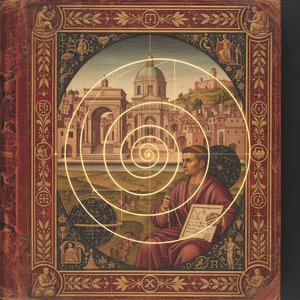
Piero della Francesca: Renaissance Perspective, Divine Proportion & the Pursuit of Ideal Form
Explore the revolutionary art of Piero della Francesca – master of perspective, divine proportion & Renaissance humanism. Discover his iconic paintings & lasting influence on art history.

The Flourishing of Individuality: Renaissance Humanism & Artistic Innovation
Explore the profound impact of Renaissance humanism on art! Discover masterpieces by Piero della Francesca & Botticelli, and learn how this philosophy shaped a new era of artistic innovation. Find museum-quality reproductions at OriginalUniqueArt.

Luca della Robbia: Renaissance Sculpture & the Innovation of Terracotta Glazing
Discover the innovative terracotta glazing techniques of Luca della Robbia, a Renaissance master sculptor. Explore his iconic works, legacy, and collecting tips with OriginalUniqueArt.