

 معاينة الحجم الحقيقي
 مشاركة
 مشاركة
 التفاصيل
 الدليل

 تحميل الملف
 قطع مشابهة
 الأشعة السينية
 عرض شرائح
 الإحصائيات
The Crimson Rambler
 Oil
Oil- WallArt
- American Impressionism
 1908
1908- 19th Century
 64.0 x 77.0 cm
 أكاديمية بنسلفانيا للفنون الجميلة
 عرض المزيد
نسخة زيتية مصنوعة يدوياً
لوحة زيتية مرسومة يدوياً على الكانفاس بالمقاس والإطار الذي تفضله، تُنفذ حسب الطلب على أيدي فنانينا. ( التحويل إلى المطبوعات الانتقال إلى الصورة الرقمية)




P118B $10

P118H $10

P118W $10

P438Z $10

P508JH $12

P508YH $12

P805H $10

P805Z $10

P919BZ $10

P919G $10

P919XJ $10

P959ZH $10

P968JZ $12

W106C $8

W218G $10

W218JH $8

W218Y $10

W307PJ $10

W316G $10

W316PJ $8

W316Y $10

W398PJ $8

W4111J $10

W500HY $15

W500JH $15

W692G $12

W849H $8

W940BG $15

W953PJ $8




اختر من بين أحجامنا المُعدّة مسبقًا والتي تتطابق مع النسب الأصلية للعمل الفني.

يمكنك إدخال أبعادك الخاصة لتناسب إطارًا معينًا أو مساحة محددة. وإذا لم يتطابق الحجم الذي اخترته مع نسب الصورة الأصلية، فسنقوم إما بقص العمل الفني أو توسيع اللوحة بإضافة عناصر مرسومة يدويًا. سيتم إرسال نموذج رقمي إليك للموافقة عليه قبل بدء الإنتاج.
يرجى ملاحظة أن المعاينة على الشاشة لا تعكس عملية القص أو التوسيع الفعلية؛ حيث إن النموذج الرقمي وحده هو الذي سيوضح التكوين النهائي بدقة.
وعلى الرغم من توفر أحجام مخصصة، إلا أننا نوصي باختيار أبعاد من القائمة المحددة مسبقًا للحفاظ على النسب الأصلية للعمل الفني.
بعد إتمام الطلب، سيرسل فريق OriginalUniqueArt.com بريداً إلكترونياً للعميل لطلب التعليمات وتزويده بمعاينة تجريبية (mockup).
توصيل عالمي إلى خلال 3 إلى 4 أسابيع بدلاً من المدة المعتادة البالغة 5 أسابيع. (21 سبتمبر). جودة لا تهاون فيها.

شحن سريع ومجاني لجميع أنحاء العالم

قماش كتان عالي الجودة

تأمين شحن شامل

ضمان استرداد الرسوم الجمركية

ضمان مطابقة الألوان الحقيقية

سياسة الإرجاع خلال 100 يوم (في حالات العيوب فقط)

ضمان استرداد نقدي بنسبة 100%

خصم عند طلب عدة قطع
 خيار الزجاج متاح فقط للمقاسات التي تقل عن 110 سم

The Crimson Rambler
خامة إعادة الإنتاج
مقاس النسخة المطبوعة
-


السعر الإجمالي النهائي
$ 300
A Serene Encounter with Impressionist Elegance
In the quietude of a sun-drenched afternoon, The Crimson Rambler invites the viewer into a world where time seems to decelerate, surrendering to the gentle rhythms of nature. Painted in 1908 by the esteemed American Impressionist Phillip Leslie Hale, this masterpiece captures a moment of profound stillness. A woman sits poised upon a porch, her presence harmonizing perfectly with the lush, floral surroundings. She is dressed with an understated elegance, her attire accented by a delicate red ribbon around her neck—a subtle splash of color that echoes the vibrant blooms surrounding her. As she rests, perhaps lost in thought or simply absorbing the fragrance of the garden, the painting establishes a deep, emotional connection with anyone seeking a sanctuary of peace within their own living space.
The composition is a masterclass in balance and botanical abundance. Hale meticulously arranges potted plants throughout the porch area, creating a layered depth that draws the eye from the immediate foreground into the soft, receding background. Large, verdant leaves and delicate petals are scattered across the scene, framing the subject in a natural embrace. The presence of a distant bench suggests a life lived in appreciation of the outdoors, offering a sense of invitation to the viewer to join this quiet retreat. For the discerning collector or interior designer, this piece serves as more than mere decoration; it is an atmospheric window into a bygone era of grace and tranquility.
The Intersection of Academic Precision and Impressionist Light
Technically, The Crimson Rambler represents the brilliant synthesis of Hale’s unique artistic identity. Having been trained under the rigorous academic standards of the School of the Museum of Fine Arts in Boston, Hale possessed a profound command over form, structure, and anatomical accuracy. However, his spirit was deeply moved by the revolutionary light-play of Claude Monet. In this work, one can observe how he utilizes the Impressionist technique to capture the ephemeral quality of sunlight filtering through a garden setting. The brushwork, while controlled, possesses a luminous vitality that breathes life into the roses and the textures of the porch.
The color palette is both sophisticated and emotive, utilizing the "crimson" of the title to anchor the composition amidst a sea of verdant greens and soft, sun-bleached tones. This strategic use of color creates a visual rhythm that guides the observer through the painting’s narrative. For those looking to enhance an interior with high-quality reproductions, this artwork offers a versatile aesthetic appeal—it possesses the classical weight required for traditional settings while maintaining the airy, light-filled spirit that complements modern, minimalist decor. It is a timeless tribute to the beauty of the natural world and the quiet dignity of human repose.
السيرة الذاتية للفنان
Philip Leslie Hale: Bridging Academia and Monet’s Vision
Phillip Leslie Hale (1865-1931) stands as a pivotal figure in American Impressionism, an artist who skillfully blended rigorous academic training with the revolutionary aesthetic principles championed by Claude Monet. Born in Boston, Massachusetts, on September 22nd, 1865, Hale’s artistic journey began amidst a family steeped in intellectual pursuits – his father, Edward Everett Hale, was a reverend and prominent writer, and his sister, Ellen Day Hale, herself an accomplished artist. This familial environment undoubtedly fostered a passion for creativity and observation that would define his lifelong career.- Early Education & Training: Hale’s formative years were spent at the School of the Museum of Fine Arts in Boston under the tutelage of Edmund Tarbell, establishing a foundation in traditional painting techniques. However, he quickly sought expansion beyond these boundaries, enrolling at New York’s Art Students League where influential mentors like Kenyon Cox and J. Alden Weir honed his artistic sensibilities.
- Parisian Influence: Recognizing the transformative potential of European art movements, Hale embarked on a pivotal expedition to Paris in 1887, immersing himself in the vibrant artistic milieu of Impressionism. Spending five formative years abroad, he particularly absorbed Monet’s groundbreaking approach to capturing fleeting moments of light and color – an influence that would permeate his subsequent works.
A Painter's Palette: Style and Technique
Hale’s distinctive style is characterized by a luminous quality—a hallmark of Impressionism—where light dominates the canvas, shaping colors and creating atmospheric depth. He meticulously employed brushstrokes to convey texture and movement, mirroring the dynamism of nature itself. Unlike many of his contemporaries who adhered strictly to academic conventions, Hale embraced Monet's innovative techniques, prioritizing subjective perception over precise representation. This approach is vividly evident in paintings such as “Garden Party” (1913), a masterful depiction of a leisurely afternoon gathering bathed in dappled sunlight—a testament to Hale’s ability to translate Impressionist ideals into compelling visual narratives.- Monet's Legacy: Hale’s dedication to Monet’s method is palpable, particularly in his use of broken color and layering techniques. These innovations allowed him to capture the ephemeral beauty of landscapes and interiors with unparalleled sensitivity.
- Notable Works: Among Hale’s celebrated compositions are “The Crimson Rambler” (1908), an expansive landscape brimming with rich hues and textural nuances, showcased at the Pennsylvania Academy of Fine Arts in Philadelphia. This painting exemplifies Hale's commitment to portraying natural grandeur while simultaneously conveying a profound emotional resonance.
Academic Roots & Artistic Mentorship
Despite his embrace of Impressionism’s expressive freedom, Hale maintained connections with academic traditions through his teaching positions at the Museum School of Boston and the Metropolitan Museum of Art. He nurtured the talents of aspiring artists like Mary Bradish Titcomb, fostering a legacy of artistic excellence. His influence extended beyond the classroom; he championed innovative approaches to art education, emphasizing observation and experimentation alongside foundational skills.- Publications & Scholarship: Hale’s intellectual curiosity manifested in his scholarly pursuits, culminating in “Jan Vermeer of Delft” (1913)—the inaugural monograph dedicated to Vermeer published in the United States—a pioneering effort that solidified his reputation as a respected Vermeer scholar and contributed significantly to the dissemination of Vermeer's artistic vision.
Legacy & Recognition
Phillip Leslie Hale’s contributions to American Impressionism are recognized through exhibitions at institutions like the Pennsylvania Academy of Fine Arts, the Metropolitan Museum of Art, and Somerville College. His enduring influence continues to inspire artists today, cementing his place as a significant figure in the history of art—a painter who successfully reconciled artistic innovation with intellectual rigor, leaving behind a body of work that embodies both beauty and profound insight.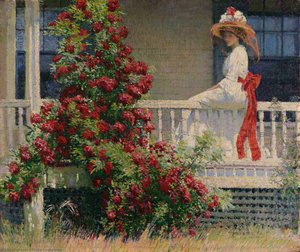
phillip leslie hale
1865 - 1931
حقائق سريعة
- Artistic Movement Or Style: Impressionism
- Artists Or Movements Influenced By This Artist: ['Boston School painting']
- Artists Who Influenced This Artist:
- Claude Monet
- Edmund Tarbell
- Date Of Birth: 1865
- Date Of Death: 1931
- Full Name: Phillip Leslie Hale
- Nationality: American
- Notable Artworks:
- The Crimson Rambler
- Garden Party
- Place Of Birth: Boston, Massachusetts
مقالات ذات صلة
Guy Orlando Rose: Capturing California's Luminosity in American Impressionism
Explore the luminous landscapes of Guy Orlando Rose, a leading American Impressionist painter deeply influenced by Monet. Discover his mastery of light, atmospheric perspective & California scenes. Learn about his legacy and find high-quality reproductions.

Grant Wood & American Regionalism: Identity, Myth & the Rural Landscape
Explore the world of Grant Wood & American Regionalism with OriginalUniqueArt. Discover the symbolism behind 'American Gothic', recurring themes, and the movement's lasting impact on art history. High-quality reproductions available.
Capturing a Nation's Light: Exploring the American Impressionist Movement
Explore the captivating world of American Impressionism! Discover key artists, techniques & its lasting impact on art history. Find museum-quality reproductions and expert guidance at OriginalUniqueArt.
Guy Rose: Luminism, Impressionism & the Californian Aesthetic – A Comprehensive Exploration of Life and Legacy
Explore the life & art of Guy Rose, a leading American Impressionist painter. Discover his luminous California landscapes, Giverny scenes, and enduring legacy. A comprehensive guide for collectors & enthusiasts.

Frederick Childe Hassam: American Impressionism's Chronicler of Light & Modern Life
Explore the captivating world of Frederick Childe Hassam, a pioneer of American Impressionism. Discover his iconic paintings capturing light, urban life & coastal beauty. Learn about his legacy and influence on American art history.
