

 معاينة الحجم الواقعي
 إرسال
إرسال مشاركة
 عرض التفاصيل
 دليل الأعمال الفنية للطلاب

 تحميل
تحميل
 قطع مشابهة
 الأشعة السينية
 عرض شرائح متتابع
 الإحصائيات
Battle on Horseback
 Acrylic On Canvas
- WallArt
- Dutch Baroque
 1645
1645 98.0 x 122.0 cm
 Academy of Fine Arts Vienna
 اقرأ المزيد
طباعة جيلي / مطبوعات فنية
طباعة جيكلي أو كانفاس بجودة المتاحف، مع سرعة في التنفيذ وخيارات متنوعة للتشطيب. ( اطلب نسخة مرسومة يدويًا التحويل إلى الصورة الرقمية)




P118B $10

P118H $10

P118W $10

P438Z $10

P508JH $12

P508YH $12

P805H $10

P805Z $10

P919BZ $10

P919G $10

P919XJ $10

P959ZH $10

P968JZ $12

W106C $8

W218G $10

W218JH $8

W218Y $10

W307PJ $10

W316G $10

W316PJ $8

W316Y $10

W398PJ $8

W4111J $10

W500HY $15

W500JH $15

W692G $12

W849H $8

W940BG $15

W953PJ $8




اختر من بين أحجامنا المُعدّة مسبقاً والتي تتوافق مع النسب الأصلية للعمل الفني.

يمكنك إدخال أبعاد خاصة لتناسب إطاراً أو مساحة معينة. وفي حال عدم تطابق الحجم المختار مع نسب الصورة الأصلية، سنقوم إما بقص العمل الفني أو تمديد الصورة باستخدام حافة معكوسة أو لون مصمت. وسيتم إرسال نموذج تجريبي رقمي لاعتمادك قبل بدء عملية الإنتاج.
يرجى ملاحظة أن المعاينة على الشاشة لا تعكس عملية القص أو التمديد الفعلية؛ حيث سيوضح النموذج التجريبي فقط التكوين النهائي بدقة.
وعلى الرغم من توفر أحجام مخصصة، إلا أننا نوصي باختيار أبعاد من القائمة المحددة مسبقاً للحفاظ على النسب الأصلية.
توصيل عالمي إلى خلال أسبوعين بدلاً من المدة القياسية البالغة 4/5 أسابيع. (26 سبتمبر)

شحن سريع ومجاني لجميع أنحاء العالم

قماش كتان فاخر

تأمين شامل على الشحن

ضمان استرداد الرسوم الجمركية

ضمان دقة مطابقة الألوان

سياسة الإرجاع خلال 100 يوم (في حالات العيوب فقط)

ضمان استرداد نقدي بنسبة 100%

عرض خصم الكميات
 خيار الزجاج متاح فقط للمقاسات التي تقل عن 110 سم

Battle on Horseback
طباعة جيلي / مطبوعات فنية
مقاس النسخة المطبوعة
-


إجمالي السعر
$ 80
A Dramatic Tableau of Warfare: Examining Philips Wouwerman’s “Battle on Horseback”
Philips Wouwerman, a prolific painter hailing from Haarlem during the zenith of Dutch artistic achievement—the Golden Age—stands as an unforgettable testament to the period's fascination with realism and theatrical storytelling. His masterpiece, "Battle on Horseback," painted circa 1645/1646, transcends mere depiction; it’s a visceral immersion into the brutal realities of military conflict, skillfully rendered with meticulous detail and imbued with profound symbolic resonance. This stunning reproduction captures not only the visual spectacle but also the psychological drama inherent in such confrontations.The Scene Unfolds: Composition and Detail
The painting immediately commands attention with its dynamic arrangement. Dominating the canvas is a squadron of horses engaged in furious combat, their riders wielding swords and spears with unwavering determination. Wouwerman’s masterful use of perspective creates an illusion of depth, drawing the viewer into the heart of the action. Notice the careful positioning of the horses—some rearing defiantly, others maneuvering strategically—reflecting the chaotic energy of battle. Furthermore, a smaller group of figures stands in the background, observing the unfolding drama with palpable apprehension and perhaps even anticipation. Two dogs are strategically placed within the composition, adding an element of unsettling realism and subtly emphasizing the primal instincts at play. The artist’s painstaking attention to detail—from the textures of armor to the glint of sunlight on weapons—elevates this artwork beyond a simple representation; it aspires to capture the very essence of the moment.Style and Technique: Baroque Drama Embodied
Wouwerman's style firmly anchors itself within the Baroque tradition, characterized by dramatic lighting, heightened emotion, and an emphasis on theatrical presentation. He employs chiaroscuro—the skillful manipulation of light and shadow—to sculpt the figures and heighten their impact. The artist’s brushstrokes are bold and expressive, conveying movement and energy with remarkable fluency. Unlike many artists of his time who favored idealized portrayals, Wouwerman opted for unflinching realism, prioritizing accuracy over aesthetic embellishment. This approach is particularly evident in the depiction of the horses—their musculature meticulously rendered to convey their power and stamina—a hallmark of Wouwerman’s distinctive artistic vision.Historical Context: Reflections of Military Conflict
“Battle on Horseback” emerged during a turbulent period marked by ongoing conflicts between European powers, notably France and Spain. The painting reflects the anxieties and uncertainties prevalent at the time, capturing the fervor of patriotic zeal and the grim consequences of warfare. Wouwerman’s work aligns with broader artistic trends exploring themes of heroism, courage, and mortality—subjects frequently addressed in Baroque art. Examining this artwork alongside contemporary accounts of battles provides invaluable insight into the cultural milieu that shaped its creation and continues to resonate with viewers today.Symbolism: Beyond Mere Representation
Beyond its immediate visual impact, “Battle on Horseback” carries symbolic weight. The horses themselves represent strength, nobility, and martial prowess—qualities revered in aristocratic society during the seventeenth century. The dogs serve as emblems of loyalty and vigilance, mirroring the role played by military personnel in safeguarding their nation’s interests. Moreover, the overall composition speaks to the universal human experience of confronting adversity with unwavering resolve. Wouwerman's masterful execution ensures that these symbolic layers remain perceptible even within a reproduction, enriching its aesthetic and intellectual value.Emotional Resonance: Capturing the Intensity of Combat
Ultimately, “Battle on Horseback” succeeds in conveying the profound emotional impact of battlefield violence. The artist’s skillful use of color—particularly reds and browns—intensifies the drama and evokes feelings of urgency and danger. The viewer is transported back to a moment of intense confrontation, experiencing alongside the figures depicted the palpable tension and visceral horror inherent in armed struggle. This artwork remains a powerful reminder of the human cost of conflict and serves as an enduring testament to Wouwerman’s artistic genius—a genius capable of capturing not just what was seen but also what was felt.نبذة عن الفنان
فيليب ووفرمان: حياة في العصر الذهبي الهولندي
ولد فيليب ووفرمان (عمّد في 24 مايو 1619 – توفي في 19 مايو 1668) كرسام هولندي غزير الإنتاج ومتعدد الاستخدامات، اشتهر بتصويره لمشاهد الصيد والمناظر الطبيعية ومشاهد المعارك. ويعد شخصية بارزة في المشهد الفني للعصر الذهبي الهولندي. كان والده، باولس جوستز ووفرمان، رسامًا أيضًا، وإن كان أقل شهرة من ابنه. تفاصيل تدريبه الفني المبكر شحيحة إلى حد ما. ومع ذلك، يُعتقد أنه درس تحت فرانس هالز (1581/85–1666)، وهو رسام بورتريه بارز في هارلم. على الرغم من أن أسلوب هالز المميز لم يؤثر بشكل كبير على عمل ووفرمان الناضج، إلا أن التدريب الأساسي كان له قيمة كبيرة. في بداية حياته المهنية، تأثر ووفرمان بتقاليد *بامبوكسيانتي*، وخاصة أعمال بيتر فان لاير (1592/99–بعد 1642)، وتبنى تركيزهم على الحياة اليومية والمشاهد النوعية.
التطور الفني والأسلوب
بدأ ووفرمان حياته المهنية بتقليد رسامي *بامبوكسيانتي*، وتميزت أعماله المبكرة بتصوير الحياة اليومية. ومع ذلك، سرعان ما بدأ في تطوير أسلوبه الفريد. بحلول منتصف الأربعينيات من القرن السابع عشر، ظهر عنصر تكويني مميز – منحدر قطري للأرض غالبًا ما يصاحبه شجرة تعمل كـ *ريبوسوار* (جهاز يستخدم لخلق العمق). كانت الشخصيات، المصحوبة في كثير من الأحيان بالخيول، تعج بهذه المشاهد. خلال الفترة الناضجة (حوالي 1650-1660)، وسع ووفرمان موضوعه بشكل كبير. رسم مشاهد نوعية ومناظر طبيعية مع مسافرين ومعارك فرسان ومخيمات عسكرية وتجمعات احتفالية للفلاحين.
يُحتفى بووفرمان على وجه الخصوص بمهارته الاستثنائية في تصوير الخيول من مختلف السلالات بحركة ديناميكية. يقول مؤرخ الفن فريدريك جيه دوبارك الشهير: "بلا شك الرسام الهولندي الأكثر إنجازًا ونجاحًا للخيول في القرن السابع عشر". تميزت لوحاته بألوان هادئة وجو بارد واهتمام دقيق بالتفاصيل، مما يخلق روايات مضحكة وحكايات ضمن مشاهدها. غالبًا ما جمع بين المناظر الطبيعية الجنوبية الخيالية وأجواء هولندية مميزة.
الإنجازات الرئيسية والإرث
كانت أعمال ووفرمان مطلوبة بشدة خلال حياته واستمرت في اكتساب الشعبية في القرن الثامن عشر. وجدت لوحاته طريقها إلى مجموعات بارزة في جميع أنحاء أوروبا، بما في ذلك تلك الموجودة في المنازل الأميرية في دريسدن وسانت بطرسبرغ، مما يدل على الإعجاب الواسع بفنه. كان ووفرمان غزير الإنتاج بشكل ملحوظ؛ أدرجت الكتالوجات المبكرة حوالي 800 عمل منسوبة إليه، وتجاوز العدد لاحقًا 1200. ومع ذلك، يحدد كتالوج raisonné الأخير (Schumacher, 2006) ما يقرب من 570 عملاً أصيلاً، مع الاعتراف بالعديد من المتابعين والمقلدين الذين أنتجوا أعمالاً بأسلوبه.
كان لأخويه، يان (1629–1666) وبيتر (1623–1682)، رسامين أيضًا، وغالبًا ما نُسبت أعمالهما في البداية إلى فيليب. بينما عكس عمل بيتر تأثير فيليب بوضوح، فقد طور أسلوبًا مميزًا. تم التعرف على يان كرسام مناظر طبيعية أكثر استقلالية.
الأهمية التاريخية
يكمن مساهمة فيليب ووفرمان في العصر الذهبي الهولندي في قدرته على التقاط مجموعة واسعة من المشاهد – من الأسواق الصاخبة وحملات الصيد إلى ساحات المعارك الدرامية والمناظر الطبيعية الهادئة – بتفاصيل ملحوظة وديناميكية. عززت إتقانه لتصوير الخيول، جنبًا إلى جنب مع نظره الثاقب لرواية القصص الحكايات، مكانته كواحد من الرسامين الأكثر شهرة وتأثيرًا في عصره. سلط المعرض الاستعادي في كاسل ولاهاي (2009/2010) الضوء بشكل أكبر على إرثه الدائم.
- الجوائز والتقدير: حظيت أعمال ووفرمان بتقدير كبير خلال حياته، واكتسبت شعبية متزايدة في القرن الثامن عشر.
- المجموعات الهامة: توجد لوحاته في مجموعات مرموقة مثل دريسدن وسانت بطرسبرغ.
- التأثير على الفنانين اللاحقين: أثر ووفرمان على فنانين مثل يان فان هوختنبرغ وجوزيف فان بريدال وكاريل فان فالنس.

فيليبس ووورمان
1619 - 1668 , هولندا
لمحة سريعة
- أعمال بارزة:
- حصانان
- راكبان على ظهور الخيل
- منظر طبيعي
- معرض خيول
- بركة خيول
- الاسم الكامل: فيليبس ووفرمان
- الجنسية: هولندي
- الحركة الفنية: العصر الذهبي الهولندي
- تاريخ الميلاد: 24 مايو 1619
- تاريخ الوفاة: 19 مايو 1668
- فنانون أثروا فيه:
- بيتر فان لاير
- فرانس هالس
- يان وينانتس
- فنانون تأثروا به:
- يان فان هوختنبرغ
- جوزيف فان بريدال
- كاريل فان فالنس
- مكان الميلاد: هارلم، هولندا
مقالات ذات صلة

أفضل 25 لوحة لجون كونستابل: روعة الطبيعة الإنجليزية في OriginalUniqueArt
اكتشف روعة الطبيعة الإنجليزية مع أفضل 25 لوحة لجون كونستابل. قصص فنية آسرة وتقنيات زيتية فريدة في OriginalUniqueArt.com. اشترِ نسخًا عالية الجودة وديكور منزلي فاخر. استكشف المجموعة الكاملة الآن!

Golden Age Reflections: Dutch Baroque Painting & Cultural Innovation
Explore the Dutch Golden Age of painting! Discover key artists like Vermeer & ter Borch, their innovative techniques, and the rich cultural context behind these Baroque masterpieces. Learn about collecting & appreciating this iconic art period.

Golden Light & Dutch Skies: The Timeless Magic of Dutch Golden Age Landscapes
Discover the breathtaking beauty of Dutch Golden Age landscapes. Explore the mastery of light, chiaroscuro, and 17th-century realism through an expert art history lens, celebrating the enduring legacy of the Dutch Masters for discerning collectors and art lovers.
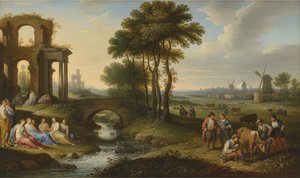
Cornelis van Poelenburch: Bridging Mannerism & the Dutch Baroque Landscape
Discover Cornelis van Poelenburch, a pivotal Dutch Baroque landscape painter bridging Mannerism & Italianate styles. Explore his life, key works, and lasting influence on 17th-century art with OriginalUniqueArt.

Dutch Baroque Masters: 10 Paintings That Shaped an Era | OriginalUniqueArt
Journey through the Golden Age with our guide to the Top 10 Dutch Baroque masterpieces! Explore iconic paintings by Rembrandt, Vermeer & Frans Hals. Find museum-quality art reproductions and elevate your home decor at OriginalUniqueArt.com.