
 معاينة الحجم الواقعي
 مشاركة
 مشاركة
 التفاصيل
 دليل
دليل

 تحميل الملف
 قطع مشابهة
 الأشعة السينية
 عرض شرائح
 الأسئلة والأجوبة
 الإحصائيات
The Music Room


 عرض المزيد
طباعة جيلي / مطبوعات فنية
طباعة جيكلي أو كانفاس بجودة المتاحف، مع سرعة في التنفيذ وخيارات متنوعة للتشطيب. ( شراء لوحة مرسومة يدويًا الانتقال إلى الصورة الرقمية)




P118B E£10

P118H E£10

P118W E£10

P438Z E£10

P508JH E£12

P508YH E£12

P805H E£10

P805Z E£10

P919BZ E£10

P919G E£10

P919XJ E£10

P959ZH E£10

P968JZ E£12

W106C E£8

W218G E£10

W218JH E£8

W218Y E£10

W307PJ E£10

W316G E£10

W316PJ E£8

W316Y E£10

W398PJ E£8

W4111J E£10

W500HY E£15

W500JH E£15

W692G E£12

W849H E£8

W940BG E£15

W953PJ E£8




اختر من بين أحجامنا المُعدّة مسبقاً والتي تتوافق مع النسب الأصلية للعمل الفني.

أدخل العرض والارتفاع المطلوبين ليتناسب المقاس مع إطارك أو جدارك. يرجى الملاحظة أن المطبوعة يمكن قصها فقط ولا يمكن تكبيرها لتتجاوز أبعاد الصورة الأصلية، لذا فإن اختيار مقاس بأبعاد مختلفة سيؤدي إلى فقدان جزء من الصورة. سنرسل لك نموذجاً رقمياً تجريبياً لاعتماده قبل البدء في عملية الطباعة. الصورة المعروضة في هذه الصفحة لا توضح شكل القص الفعلي — النموذج التجريبي فقط هو ما يظهر ذلك بدقة.
توصيل عالمي إلى خلال أسبوعين بدلاً من المدة القياسية البالغة 4/5 أسابيع. (7 نوفمبر)

شحن سريع ومجاني لجميع أنحاء العالم

قماش كتان عالي الجودة

تأمين شامل على الشحن

ضمان استرداد الرسوم الجمركية

ضمان مطابقة الألوان الحقيقية

سياسة الإرجاع خلال 100 يوم (في حالات العيوب فقط)

ضمان استرداد نقدي بنسبة 100%

خصم عند طلب كميات
 خيار الزجاج متاح فقط للمقاسات التي تقل عن 110 سم

The Music Room
طباعة جيلي / مطبوعات فنية
مقاس النسخة المطبوعة
-


إجمالي السعر النهائي
E£ 4242
A Moment of Intimacy: Philip Wilson Steer’s “The Music Room”
Philip Wilson Steer's "The Music Room," painted in 1906, isn’t merely a depiction of two women playing the violin; it’s a carefully constructed tableau of serenity and domestic grace, imbued with the subtle nuances of Impressionism. This captivating work offers a glimpse into a world of refined leisure, capturing an ephemeral moment within a richly furnished room—a space that speaks volumes about its inhabitants and the era in which it was created.
Steer, a British painter deeply influenced by the French Impressionists, particularly Monet and Renoir, possessed a remarkable ability to translate light and atmosphere onto canvas. “The Music Room” exemplifies this talent. He masterfully employs broken brushstrokes and delicate layering of color—primarily soft blues, greens, and ochres—to create an illusion of diffused light filtering through the windows. Notice how he doesn’t attempt to render every detail with photographic precision; instead, he prioritizes capturing the *feeling* of the scene – a sense of warmth, quiet contemplation, and understated elegance.
The Scene Unfolds: Composition and Detail
The composition is deceptively simple yet profoundly effective. The two women, positioned in the foreground, are bathed in gentle light, their faces partially obscured, inviting the viewer to project their own emotions onto them. One woman, seated on the floor with a violin resting gracefully in her lap, appears to be leading the music, while the other stands behind her, also holding an instrument. The arrangement feels natural and unforced, as if captured during a spontaneous moment of shared enjoyment. The room itself is meticulously rendered—a luxurious space filled with comfortable furnishings: a plush sofa, a chair draped in velvet, and several framed pictures adorning the walls – each contributing to the overall sense of wealth and refinement.
Steer’s attention to detail is noteworthy. The instruments are depicted with remarkable accuracy, reflecting the craftsmanship of the period. The clock on the wall subtly anchors the scene within a specific time, adding another layer of realism. However, it's the subtle details—the folds in the fabric, the glint of light on polished wood—that truly elevate the painting and draw the viewer into its world.
A Window into Edwardian England
"The Music Room" is firmly rooted in the Edwardian era (1901-1910), a period characterized by social conservatism, burgeoning prosperity, and a renewed interest in art and culture. The painting reflects this atmosphere of restrained elegance and refined leisure—a world where music, literature, and conversation were considered essential components of a cultured life. The room’s furnishings and the women's attire – though not overtly extravagant – suggest a comfortable level of affluence.
Steer was particularly interested in capturing scenes of everyday life, imbuing them with an artistic sensibility. He wasn’t simply painting portraits; he was attempting to convey the *essence* of human experience—the quiet joys and subtle connections that define our lives. “The Music Room” is a testament to his ability to achieve this goal.
Symbolism and Emotional Resonance
Beyond its realistic depiction, "The Music Room" carries symbolic weight. The act of playing music itself represents harmony, connection, and the pursuit of beauty. The intimate setting suggests a shared bond between the women—a moment of companionship and mutual appreciation. The soft lighting and muted colors evoke feelings of tranquility, nostalgia, and perhaps even a touch of melancholy.
Steer’s masterful use of light and color creates an emotional resonance that transcends mere representation. The painting invites us to step into the scene, to imagine ourselves as silent observers of this quiet moment—a reminder of the simple pleasures and enduring beauty found in everyday life. It's a work that speaks to our shared humanity and our appreciation for art’s ability to capture and convey profound emotions.
الأسئلة والأجوبة
ما هي الألوان الطاغية في "The Music Room" للفنان فيليب ويلسون ستير؟
تتميز لوحة "The Music Room" للفنان فيليب ويلسون ستير بمجموعة ألوان Earthy، مع بروز اللون Rosy Brown (#baa581) كلون مهيمن.
ما هي الغرفة المقترحة لـ "The Music Room" للفنان فيليب ويلسون ستير؟
يُنصح بوضع "The Music Room" للفنان فيليب ويلسون ستير في Hotel Lobby؛ حيث يستند هذا الاقتراح إلى موضوع العمل وألوانه وأجوائه العامة.
ما مدى تشبع وكثافة الألوان في "The Music Room" للفنان فيليب ويلسون ستير؟
تتميز ألوان "The Music Room" بدرجة تشبع تبلغ Balanced Soft وكثافة لونية تصل إلى Balanced.
السيرة الذاتية للفنان
الحياة المبكرة والأسس الفنية
فيليب ويلسون ستير، وُلد في بيركنهيد عام 1860، نشأ في عائلة متجذرة بعمق في عالم الفن—كان والده رسام بورتريه ومعلم فن مكرس. كان هذا التعرض المبكر بمثابة نقطة تحول، وغرس حسًا سيحدد مسار حياته. أدت الانتقال إلى ويتشيرتش بالقرب من مونماوث عندما كان يبلغ من العمر ثلاث سنوات فقط إلى ترسيخ ارتباطه بالريف البريطاني الذي سيت resonate في أعماله طوال حياته المهنية. بدأ تعليمه الرسمي في مدرسة هرِيفورد الكاتدرائية، مما وفر له أساسًا متينًا قبل أن يسعى بجدية نحو طموحاته الفنية. استمر تدريبه في مدرسة جلوستر للفنون ومدارس الرسم في كنسينغتون الجنوبية، لكن إقامته في باريس بين عامي 1880 و 1884 أثبتت أنها بمثابة نقطة تحول حقيقية. من خلال الدراسة في أكاديمية جوليان ولاحقًا تحت قيادة ألكسندر كابانييل في مدرسة الفنون الجميلة، واجه عالمًا يفيض بالأفكار والمناهج الجديدة للرسم.
احتضان الانطباعية وأسلوب مميز
أصبحت باريس بوتقة انصهار لتطور ستير الفني. تأثر بعمق بأعمال إدوارد مانيه و جيمس ماكنيل ويستلر ، واستوعب تقنياتهما المبتكرة في التقاط الضوء واللون والغلاف الجوي. أشعل هذا التعرض شغفه بالانطباعية بداخله، لكنه لم يكررها ببساطة أبدًا. قام ستير بدمج هذه التأثيرات الفرنسية بمهارة مع حساسيته الإنجليزية المتأصلة، وصاغ أسلوبًا فريدًا من نوعه. تتميز لوحاته بقدرة ملحوظة على التقاط اللحظات العابرة—لعب أشعة الشمس على الماء، والجودة الفائتة للهواء الساحلي. استخدم ضربات فرشاة فضفاضة وألوانًا نابضة بالحياة ليس فقط لتصوير المشاهد ولكن لإثارة المشاعر وخلق شعور غامر بالوساطة المباشرة. تشمل الموضوعات المتكررة في أعماله مشاهد الشاطئ والمناظر البحرية، وغالبًا ما تغمرها الأضواء الفضية والشفافة، مما يدل على إتقانه في تصوير نضارة وإضاءة هذه البيئات. تُظهر الأعمال مثل غرفة الموسيقى ، في بداية حياته المهنية، مهارته المتزايدة في التكوين والضوء، بينما تنفجر أعمال مثل الفتيات يركضن: رصيف والبرسويك بالطاقة والحيوية لمدينة ساحلية في ساسكس.
بطل الفن الحديث وتأثير إتابل
لم يكتفِ ستير بالرسم فحسب؛ بل شكّل المشهد الفني في بريطانيا بنشاط. لعب دورًا محوريًا في تأسيس نادي نيوانجلش آرت، وهي منظمة مكرسة لتعزيز التعبير الفني الحديث—وهي خطوة جريئة في وقت كانت فيه الأذواق التقليدية لا تزال مهيمنة. من خلال هذه المنصة والمعارض المنتظمة في الأكاديمية الملكية، بما في ذلك المشاركة في معرض لندن الانطباعي الرائد عام 1889، ساعد في تقديم أفكار جديدة وتحدي الأعراف التقليدية. عزز وقته الذي قضاه في مستعمرة إتابل الفنية عام 1887 رؤيته الفنية. وفرت هذه المجتمعية النابضة بالحياة من الفنانين بيئة محفزة للتجريب والتعاون، مما عزز قدرته على التقاط الضوء والغلاف الجوي ببراعة متزايدة. استوحى ستير الإلهام من مجموعة متنوعة من الأساتذة—جون كونستابل و جي إم دبليو تيرنر وحتى فرانسوا Boucher—لكنه قام دائمًا بتصفية هذه التأثيرات من خلال منظوره الفريد.
الإرث والاعتراف والتأثير الدائم
استمر فيليب ويلسون ستير في الرسم بكثرة حتى أجبرته مشاكل صحية على التوقف في عام 1940، وتوفي بعد ذلك بعامين عن عمر يناهز 81 عامًا. تم الاعتراف بمساهماته على نطاق واسع خلال حياته، وبلغت ذروتها بترتيب الاستحقاق. اليوم، تُعرض أعماله في مجموعات مرموقة حول العالم، بما في ذلك معرض تيت ومعرض أوفيزي—وهو شهادة على مكانته الدولية. بالإضافة إلى لوحاته نفسها، يمتد إرث ستير من خلال فترة ولايته الطويلة كمدرب للرسم في مدرسة سلايد للفنون. لسنوات عديدة، أثر بعمق على أجيال من الفنانين الشباب، وغرس ليس فقط المهارات التقنية ولكن أيضًا تقديرًا عميقًا للملاحظة والنزاهة الفنية. مساهمته في تطوير وتقبل الانطباعية في بريطانيا أمر لا يمكن إنكاره، مما رسخ مكانته كشخصية بارزة في تاريخ الفن البريطاني—وهو فنان نجح في سد الفجوة بين التقاليد والحداثة، تاركًا بصمة دائمة على المشهد الفني البريطاني. تستمر أعماله البارزة مثل المتعافي ، بألوانها الغنية ونظراتها المثيرة، و التمس في لودلو ، التي تسلط الضوء على الجمال الهادئ والعمل الفرشاة المتقن، في إبهار الجمهور اليوم، مما يدل على الخلود في رؤيته الفنية.

فيليب ويلسون ستير
1860 - 1942 , المملكة المتحدة
حقائق سريعة
- أعمال بارزة:
- غرفة الموسيقى
- فتيات يركضن
- المتعافي
- الاسم الكامل: فيليب ويلسون ستير
- الجنسية: بريطاني
- الحركة الفنية: الانطباعية
- تاريخ الميلاد: 1860
- تاريخ الوفاة: 1942
- حركات فنية متأثرة: ['الانطباعية البريطانية']
- فنانون مؤثرون:
- مانيه
- ويستلر
- كونستابل
- مكان الميلاد: بيركنهيد، المملكة المتحدة
مقالات ذات صلة

Impressionism's Masterpieces: 10 Paintings That Defined a Movement | OriginalUniqueArt
Journey through Impressionism's heart with 10 iconic paintings by Monet, Renoir & Degas. Explore light, color & the stories behind these masterpieces. Find museum-quality art reproductions and elevate your home decor on OriginalUniqueArt.com.
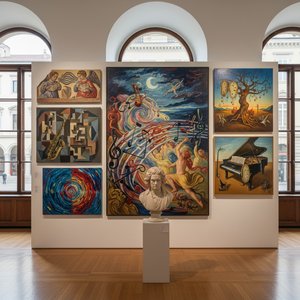
Harmonies on Canvas: Exploring the Visual Representation of Music in Art History
Explore the fascinating history of music's visual representation in art! From ancient symbolism to modern abstraction, discover how artists have captured sound and emotion on canvas. Expert insights & stunning examples.

أعمال بول سيزان الخالدة: 25 تحفة فنية تزين منزلك بجمال الألوان والضوء
اكتشف 25 تحفة فنية لبول سيزان، رائد الانطباعية وما بعد الانطباعية. استكشف قصص لوحاته الزيتية الشهيرة وألوانه الجريئة وتقنياته الفريدة. احصل على إلهام لديكور منزلك الفاخر مع OriginalUniqueArt.com.

أعمال كلود مونيه الخالدة: 25 تحفة فنية تزين منزلك بجمال الانطباعية
اكتشف 25 تحفة فنية لكلود مونيه، رائد الانطباعية. استكشف قصص لوحاته الخالدة وتقنياته الفريدة وألوانه الساحرة. احصل على نسخ عالية الجودة لديكور منزلك الفاخر على OriginalUniqueArt.com

Philip Wilson Steer: Capturing Modern Life & British Impressionism's Essence
Explore the life & art of Philip Wilson Steer, a leading British Impressionist painter. Discover his coastal scenes, influences, and legacy. Expert analysis & high-quality reproductions at OriginalUniqueArt.
