

 معاينة الحجم الحقيقي
 مشاركة
 مشاركة
 التفاصيل

 تحميل الملف
 قطع مشابهة
 الأشعة السينية
 عرض شرائح
St Eligius in His Workshop


 عرض المزيد
نسخة زيتية مصنوعة يدوياً
لوحة زيتية مرسومة يدوياً على الكانفاس بالمقاس والإطار الذي تفضله، تُنفذ حسب الطلب على أيدي فنانينا. ( اشترِ نسخة مطبوعة اشترِ الصورة)




P118B $10

P118H $10

P118W $10

P438Z $10

P508JH $12

P508YH $12

P805H $10

P805Z $10

P919BZ $10

P919G $10

P919XJ $10

P959ZH $10

P968JZ $12

W106C $8

W218G $10

W218JH $8

W218Y $10

W307PJ $10

W316G $10

W316PJ $8

W316Y $10

W398PJ $8

W4111J $10

W500HY $15

W500JH $15

W692G $12

W849H $8

W940BG $15

W953PJ $8




اختر من بين أحجامنا المُعدّة مسبقًا والتي تتطابق مع النسب الأصلية للعمل الفني.

يمكنك إدخال أبعادك الخاصة لتناسب إطارًا معينًا أو مساحة محددة. وإذا لم يتطابق الحجم الذي اخترته مع نسب الصورة الأصلية، فسنقوم إما بقص العمل الفني أو توسيع اللوحة بإضافة عناصر مرسومة يدويًا. سيتم إرسال نموذج رقمي إليك للموافقة عليه قبل بدء الإنتاج.
يرجى ملاحظة أن المعاينة على الشاشة لا تعكس عملية القص أو التوسيع الفعلية؛ حيث إن النموذج الرقمي وحده هو الذي سيوضح التكوين النهائي بدقة.
وعلى الرغم من توفر أحجام مخصصة، إلا أننا نوصي باختيار أبعاد من القائمة المحددة مسبقًا للحفاظ على النسب الأصلية للعمل الفني.
بعد إتمام الطلب، سيرسل فريق OriginalUniqueArt.com بريداً إلكترونياً للعميل لطلب التعليمات وتزويده بمعاينة تجريبية (mockup).
توصيل عالمي إلى خلال 3 إلى 4 أسابيع بدلاً من المدة المعتادة البالغة 5 أسابيع. (21 أغسطس). جودة لا تهاون فيها.

شحن سريع ومجاني لجميع أنحاء العالم

قماش كتان عالي الجودة

تأمين شحن شامل

ضمان استرداد الرسوم الجمركية

ضمان مطابقة الألوان الحقيقية

سياسة الإرجاع خلال 60 يومًا (في حالات العيوب فقط)

ضمان استرداد نقدي بنسبة 100%

خصم عند طلب عدة قطع
 خيار الزجاج متاح فقط للمقاسات التي تقل عن 110 سم

St Eligius in His Workshop
خامة إعادة الإنتاج
مقاس النسخة المطبوعة
-


السعر الإجمالي النهائي
$ 300
وصف العمل الفني
A Window Into Sorrow: Petrus Christus’s “Man of Sorrows”
Petrus Christus's "Man of Sorrows," painted around 1450, isn’t merely a depiction of Christ; it’s an intimate invitation into the heart of his suffering. This small panel, now residing in the Birmingham Museum and Art Gallery, transcends its modest size to deliver a profoundly moving experience – a testament to the artist's mastery of detail and his ability to imbue a single figure with immense emotional weight. It stands as a pivotal work, bridging the gap between the meticulous realism of Jan van Eyck and the burgeoning expressiveness of the Northern Renaissance, marking a significant step in Christus’s own artistic evolution.
The painting immediately draws the viewer into a scene of quiet contemplation. Christ, stripped bare save for his flowing garments, is presented not as a triumphant savior, but as a vulnerable figure caught in the throes of agony. His face, rendered with an almost unnerving realism – pale, etched with lines of pain, and framed by the thorns of the crown – conveys a palpable sense of anguish. The wounds inflicted during his Passion are starkly visible, a brutal reminder of the sacrifice he endured. Christ’s posture, slumped slightly forward, suggests both exhaustion and a profound acceptance of his fate. It's a far cry from the idealized depictions common in earlier religious art; here, Christ is undeniably human, burdened by the weight of humanity’s sins.
The Language of Grief: Symbolism and Composition
Christus masterfully employs symbolism to deepen the painting’s emotional resonance. The dark green curtain, held open by two solemn angels, acts as a veil, hinting at the mysteries surrounding death and resurrection. The angel on the left brandishes a sword – a potent symbol of judgment and sacrifice, while his counterpart holds a bunch of lilies, representing purity, innocence, and mourning. This carefully orchestrated pairing underscores the duality of Christ’s suffering: both a punishment for sin and a pathway to redemption. The composition itself is remarkably restrained, focusing entirely on Christ's figure and the immediate surroundings. The limited palette – primarily muted browns, greens, and blues – contributes to the painting’s somber mood, amplifying the sense of grief and vulnerability.
Interestingly, Christus draws upon a long artistic tradition represented by earlier depictions of the “Man of Sorrows,” particularly those found in medieval miniatures. However, he elevates this familiar motif through his meticulous attention to detail and his subtle use of light and shadow. The way the blood streams from Christ’s wounds, the delicate texture of his garments, and the expressive quality of his face all speak to Christus's exceptional technical skill. The inclusion of the mirror in the background is a clever device, reflecting two figures – likely Mary of Guelders and James II – adding another layer of narrative complexity and suggesting that Christ’s suffering extends beyond himself.
A Masterclass in Technique: The Christus Touch
Christus's style is characterized by an extraordinary level of detail and a remarkable ability to render textures with astonishing accuracy. His use of oil paint, a relatively new medium at the time, allowed him to achieve subtle gradations of color and create a luminous quality that was previously unattainable with tempera or fresco. The painting’s surface is remarkably smooth, reflecting Christus's painstaking application of layers upon layers of thin glazes. This technique not only creates a sense of depth and realism but also contributes to the overall feeling of intimacy – as if the viewer is standing face-to-face with Christ himself.
Furthermore, Christus’s approach to perspective—a key innovation in Northern Renaissance art—is evident in the subtle distortions of the figures reflected in the mirror. This demonstrates a sophisticated understanding of spatial relationships and adds another layer of visual interest to the composition. The painting is a remarkable example of how Christus seamlessly integrated technical mastery with artistic expression, creating a work that is both visually stunning and emotionally profound.
A Timeless Reflection: Emotional Impact and Legacy
"Man of Sorrows" continues to resonate with viewers centuries after its creation. Its power lies not in grand gestures or dramatic scenes, but in its quiet contemplation of suffering and sacrifice. It’s a painting that invites reflection on themes of mortality, redemption, and the enduring nature of faith. The image is profoundly moving, prompting viewers to consider their own relationship to pain, loss, and hope.
Christus's work stands as a cornerstone in the development of Northern Renaissance art, influencing generations of painters who followed. “Man of Sorrows” serves as a poignant reminder of the artist’s genius – his ability to capture not just the outward appearance of reality but also the deepest emotions within the human heart. It remains a powerful and enduring testament to the transformative power of art.
السيرة الذاتية للفنان
سيد بروج: حياة وفن بيتروس كريستوس
ربما لا يتردد اسم بيتروس كريستوس في الأذهان بنفس السرعة التي يتردد بها أسماء معاصريه مثل يان فان إيك أو روجير فان دير فايدن، ومع ذلك، فإنه يحتل مكانة محورية في تطور الرسم في عصر النهضة الفلمنكي المبكر. ولد كريستوس حوالي عام 1465 في بارلي هيرتوغ، تلك الدوقية الصغيرة التي تقع على الحدود بين بلجيكا وهولندا، وبرز كأحد أبرلق الفنانين الذين عملوا في مدينة بروج خلال حقبة شهدت ابتكارات فنية غير مسبوقة. ورغم أن التفاصيل البيوغرافية عن حياته لا تزال شحيحة – وهو مصير مشترك للعديد من رسامي ذلك العصر – إلا أن أعماله الباقية تنطق ببراعة تقنية فائقة، وفضول فكري عميق، وفهم سحيق لكل من الرمزية الدينية والإمكانات المتنامية لطلاء الزيت. لم يكن مجرد تابع يسير على خطى فان إيك، بل كان مبتكراً دفع بمهارة وبشكل ملموس حدود الواقعية والمنظور، تاركاً بصمة لا تُمحى في المشهد الفني للقرن الخامس عشر.البدايات المهنية والجذور الفنية
ظهر كريستوس لأول مرة في السجلات التاريخية عام 1444 كرسام بارع في بروج، مما يشير إلى أنه خضع لتدريب فني مكثف، وإن كانت هوية معلمه لا تزال مجهولة. لكن الواضح تماماً هو أنه استطاع سريعاً إثبات مكانته داخل المجتمع الفني المزدهر في المدينة. وعقب وفاة يان فان إيك في عام لسنة 1441، ملأ كريستوس ذلك الفراغ، ليصبح واحداً من أكثر الفنانين طلباً في بروج. وتظهر أعماله المبكرة وعياً حاداً بتقنيات فان إيك؛ من التفاصيل الدقيقة، واللمعان الساحر لطلاء الزيت، إلى الثراء الرمزي المبطن في الأشياء العادية. ومع ذلك، لم يكتفِ بمجرد محاكاة سلفه، بل بدأ في تطوير أسلوب متميز يتسم بتركيز أكبر على الوضوح، والمناظر المعمارية، وفهم متطور للمنظور الخطي. كما استلهم من روجير فان دير فايدن أيضاً، لا سيما في قدرته على نقل العمق العاطفي والكثافة الروحية.ابتكارات المنظور والواقعية
تكمن أعظم مساهمات كريستوس في تطبيقه المتقن للمنظور الخطي. فبينما استخدم فان إيك درجة من التراجع الفراغي في أعماله، ذهب كريستوس إلى أبعد من ذلك، مبتكراً لوحات تتمتع بإحساس مذهل بالعمق والأبعاد الثلاثية. ويتجلى هذا بوضوح في أعمال مثل العذراء مع الطفل، المحفوظة الآن في المعرض الوطني، حيث تتراجع الخلفية المعمارية نحو الأفق بدقة رياضية متناهية. لم يكن يكتفي بخلق مساحات واقعية فحسب، بل استخدم المنظور لجذب المشاهد إلى قلب المشهد، مما يخلق صلة أكثر حميمية مع الموضوع المصور. ولم يكن هذا مجرد تمرين تقني، بل كان وسيلة لتعزيز التأثير الروحي للوحة، ودعوة للتأمل والخشوع. كما عززت تقنيته الدقيقة – المتمثلة في وضع طبقات رقيقة من طلاء الزيت لتحقيق لمعان وتفاصيل لا تضاهى – هذا الإحساس بالواقعية؛ فكل ملمس، من ثنايا القماش إلى بريق المعدن، تم تجسيده بدقة مذهلة.الأعمال الكبرى واللغة الرمزية
بعيداً عن لوحة العذراء مع الطفل، أنتج كريستوس عدداً من الأعمال البارزة الأخرى التي تستعرض مهارته الفنية وعمقه الفكري. وتعد لوحة بورتريه شاب، الموجودة حالياً في متحف تيسن بورنيمازا، نموذجاً آسراً لقدرته على التقاط الجوهر الإنساني؛ فنظرة الشخص المصور مباشرة وجذابة، تنقل إحساساً بالذكاء والوعي بالذات. كما تكشف اللوحة عن استخدام كريستوس الماكر للرمزية؛ فالشمعة الوحيدة المضاءة قد تمثل المسيح كنور للعالم، بينما قد تشير البرتقالة على حافة النافذة إلى الطهارة والفضيلة. لقد دمج هذه العناصر الرمزية بكثرة في لوحاته، مما أغنى معناها بما يتجاوز البصر المجرد. ومن أعماله الهامة أيضاً الدينونة الأخيرة، وهي تكوين معقد يظهر براعته في تصوير شخصيات متعددة داخل فضاء ديناميكي متحرك.الإرث والأهمية التاريخية
توفي بيتروس كريستوس في بروج عام 1476، تاركاً وراءه إرثاً فنياً صغيراً نسبياً ولكنه مؤثر بعمق. لقد تركت ابتكاراته في المنظور الخطي وتقنياته الدقيقة أثراً باقياً على الأجيال اللاحقة من الرسامين. ورغم أنه لم يؤسس مرسماً ضخماً أو يجذب أتباعاً كثر، إلا أن أسلوبه استوعبه فنانون آخرون في المنطقة، مما ساهم في التطور الأوسع للرسم في عصر النهضة الشمالية. لقد جسر الفجوة بين أسلوب "القوطية الدولية" والنزعات الأكثر واقعية في القرن الخامس عشر، ممهداً الطريق لفنانين مثل هانس ميملين وهوجو فان دير غوس. واليوم، يُعرف بيتروس كريستوس كشخصية رئيسية في فن النهضة الفلمنكية المبكرة – صانع ماهر لا تزال لوحاته تأسر المشاهدين بجمالها، وواقعيتها، وعمقها الفكري، حيث تقدم أعماله نافذة فريدة على العالم الفني والديني لمدينة بروج في القرن الخامس عشر، وتذكرنا بقدرة الرسم على عكس واقعنا وتشكيل فهمنا له في آن واحد.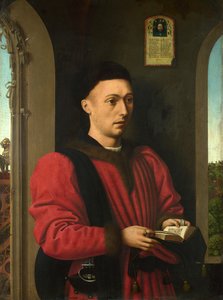
بيتروس كريستوس
1465 - 1476 , بلجيكا
حقائق سريعة
- Artistic Movement Or Style: الفن الفلمنكي المبكر
- Artists Or Movements Influenced By This Artist:
- يان فان إيك
- روجير فان دير فايدن
- Artists Who Influenced This Artist:
- يان فان إيك
- روجير فان دير فايدن
- Date Of Birth: 1465
- Date Of Death: 1476
- Full Name: بيتروس كريستوس
- Nationality: بلجيكي
- Notable Artworks:
- العذراء مع الطفل
- بورتريه شاب
- Place Of Birth: بارلي هيرتوغ، بلجيكا
مقالات ذات صلة
أعمال إل جريكو الخالدة: 25 تحفة فنية تزين منزلك بجمال الأساطير
اكتشف 25 تحفة فنية لإل جريكو، رائد الفن الإسباني. استكشف قصص لوحاته الدينية والتاريخية الرائعة وأسلوبه الباروكي الفريد. احصل على نسخ عالية الجودة من أعمال إل جريكو لتزيين منزلك بأناقة وفخامة. اكتشف جميع الروائع على OriginalUniqueArt.com

Illuminating Realism: A Comprehensive Exploration of the Early Netherlandish Renaissance Movement
Explore the captivating world of Early Netherlandish painting! Discover Jan van Eyck & other Flemish masters, their revolutionary techniques, hidden symbolism, and lasting legacy. A comprehensive guide for art enthusiasts.
أعمال هيرونيموس بوش الخالدة: 25 تحفة فنية تزين منزلك بروح العصور الوسطى
اكتشف 25 تحفة فنية لهيرونيموس بوش، رائد فن العصور الوسطى. استكشف الرمزية العميقة في لوحاته الزيتية الخالدة وألوانه الفريدة. احصل على نسخ أصلية عالية الجودة لتزيين منزلك. تصفح المجموعة الكاملة الآن على OriginalUniqueArt.com!

Jan Gossart: Bridging Netherlandish Realism & Renaissance Humanism – A Comprehensive Exploration
Explore the captivating world of Jan Gossart, a pivotal figure bridging Netherlandish realism & Renaissance humanism. Discover his masterpieces, patronage, and lasting influence – an essential guide for discerning art collectors.

Early Netherlandish Masters: 10 Paintings That Revolutionized Art & Decor
Journey into the Early Netherlandish Renaissance! Explore 10 iconic paintings by Jan van Eyck, Rogier van der Weyden & more. Discover stunning detail, symbolism, and oil painting techniques. Find museum-quality art reproductions for your home at OriginalUniqueArt.com.

