التبديل إلى نسخة مطبوعة
 عرض المزيد







































 بالنسبة للأعمال الفنية أو النسخ المطبوعة التي يتجاوز طول أي من أضلاعها 105 سم (حوالي 41 بوصة)، سيتم شحن الإطار كمجموعة مفككة؛ حيث تضمن هذه الطريقة سلامة التوصيل وتمنع حدوث أي أضرار أثناء النقل.


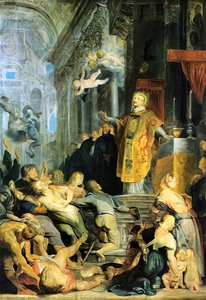
The Council of the Gods: A Baroque Revelation
Peter Paul Rubens’ “The Council of the Gods” stands as an arresting testament to the grandeur of Baroque art and a poignant reflection on the tumultuous era in which it was conceived—1624. More than just a depiction of mythological figures, this monumental oil painting embodies the political ambitions of Marie de' Medici and encapsulates the complex interplay between faith, power, and diplomacy during the reign of Louis XIII. Housed within the Louvre’s halls, it continues to fascinate viewers with its masterful composition and profound symbolic depth.- Subject Matter: The painting portrays a celestial gathering of deities—Jupiter, Juno, Apollo, Venus, Mars, Mercury, Diana, Ceres, Neptune, Pluto, Vulcan—engaged in deliberation over a fractured sphere. This imagery directly references the biblical story of Noah’s Ark and symbolizes Marie de' Medici’s strategic efforts to forge alliances between France and Spain through royal marriages.
- Style & Technique: Rubens’ signature Baroque style is immediately apparent. Dynamic movement dominates the scene, achieved through swirling draperies and energetic poses of the figures. The artist employs a rich palette—dominated by reds, golds, and blues—to convey both majesty and emotional intensity. Rubens' meticulous attention to detail ensures that every gesture and expression contributes to the overall dramatic effect.
- Historical Context: Commissioned during Marie de’ Medici’s reign as regent of France, “The Council of the Gods” reflects her determination to secure a stable future for her kingdom amidst political instability. Rubens skillfully captures the spirit of his time—a period marked by religious fervor and ambitious royal patronage—demonstrating the artist's understanding of contemporary concerns.
- Symbolism: The central motif – Cupid and Juno binding doves over a split sphere – is laden with symbolism. Cupid represents love, while Juno embodies divine justice and authority. The dove symbolizes peace, and the fractured sphere signifies the division between France and Spain. Rubens’ use of mythological figures serves as an allegory for political maneuvering and the pursuit of diplomatic solutions.
- Emotional Impact: “The Council of the Gods” evokes a sense of awe and grandeur, transporting viewers to a realm beyond earthly concerns. The painting's vibrant colors and dramatic composition inspire contemplation on themes of power, destiny, and divine providence—elements that resonate powerfully with audiences even today.
الأسئلة والأجوبة
ما هي الاستخدامات الموصى بها لنسخة مطبوعة من "مجلس الآلهة" للفنان بيتر بول روبنز؟
يُنصح باستخدام نسخة مطبوعة من "مجلس الآلهة" لغرض عنصر لوني مميز.
ما هي الغرفة المقترحة لعرض "مجلس الآلهة"، مع مراعاة لوحة ألوانه؟
بفضل ألوانها التي تتميز بـ ألوان ترابية، يُقترح وضع لوحة "مجلس الآلهة" في غرفة المعيشة.
هل تتوفر نسخة قابلة للتحميل بدقة عالية من "مجلس الآلهة"؟
للحصول على نسخة رقمية من "مجلس الآلهة" للفنان بيتر بول روبنز، يمكنك طلب تحميل صورة رقمية عالية الدقة عبر صفحة نسخة رقمية عالية الدقة.
 معاينة الحجم الواقعي
 مشاركة
 مشاركة
 التفاصيل
 دليل
دليل

 تحميل الملف
 قطع مشابهة
 الأشعة السينية
 عرض شرائح
 الأسئلة والأجوبة
 الإحصائيات