

 معاينة الحجم الواقعي
 إرسال
إرسال مشاركة
 عرض التفاصيل
 دليل الأعمال الفنية للطلاب

 تحميل
تحميل
 قطع مشابهة
 الأشعة السينية
 عرض شرائح متتابع
 الإحصائيات
The storm
 Acrylic On Canvas
- WallArt
- Biedermeier
 1837
1837 50.0 x 67.0 cm
 المتحف النمساوي بيليفيري
 اقرأ المزيد
طباعة جيلي / مطبوعات فنية
طباعة جيكلي أو كانفاس بجودة المتاحف، مع سرعة في التنفيذ وخيارات متنوعة للتشطيب. ( اطلب نسخة مرسومة يدويًا التحويل إلى الصورة الرقمية)




P118B E£10

P118H E£10

P118W E£10

P438Z E£10

P508JH E£12

P508YH E£12

P805H E£10

P805Z E£10

P919BZ E£10

P919G E£10

P919XJ E£10

P959ZH E£10

P968JZ E£12

W106C E£8

W218G E£10

W218JH E£8

W218Y E£10

W307PJ E£10

W316G E£10

W316PJ E£8

W316Y E£10

W398PJ E£8

W4111J E£10

W500HY E£15

W500JH E£15

W692G E£12

W849H E£8

W940BG E£15

W953PJ E£8




اختر من بين أحجامنا المُعدّة مسبقاً والتي تتوافق مع النسب الأصلية للعمل الفني.

أدخل العرض والارتفاع اللذين تحتاجهما، ليتناسب مع إطارك أو جدارك. يمكن قص المطبوعة فقط، ولا يمكن أبداً جعلها أكبر من الصورة الأصلية، لذا فإن أي مقاس بشكل مختلف سيؤدي إلى فقدان جزء من الصورة. سنرسل لك نموذجاً رقمياً تجريبياً لاعتماده قبل البدء في عملية الطباعة. الصورة المعروضة في هذه الصفحة لا توضح القص الفعلي — النموذج التجريبي فقط هو ما يظهر ذلك.
توصيل عالمي إلى خلال أسبوعين بدلاً من المدة القياسية البالغة 4/5 أسابيع. (27 أكتوبر)

شحن سريع ومجاني لجميع أنحاء العالم

قماش كتان فاخر

تأمين شامل على الشحن

ضمان استرداد الرسوم الجمركية

ضمان دقة مطابقة الألوان

سياسة الإرجاع خلال 100 يوم (في حالات العيوب فقط)

ضمان استرداد نقدي بنسبة 100%

عرض خصم الكميات
 خيار الزجاج متاح فقط للمقاسات التي تقل عن 110 سم

The storm
طباعة جيلي / مطبوعات فنية
مقاس النسخة المطبوعة
-


إجمالي السعر
E£ 4165
A Window to a Turbulent Soul: Exploring Peter Fendi’s “The Storm”
Peter Fendi's "The Storm," painted in 1837, isn’t merely a depiction of a tempestuous sky; it’s a profound meditation on domesticity, vulnerability, and the quiet drama unfolding within a family’s sanctuary. This intimate scene, rendered with the characteristic warmth and realism of Biedermeier painting, immediately draws the viewer into a tableau of contained chaos – a woman cradling her child before a window that frames both the fury of nature and the steadfastness of home. The composition is deceptively simple: a mother and child, bathed in soft light, facing an exterior world rendered with dramatic brushstrokes and swirling clouds. Yet, within this apparent tranquility lies a palpable tension, a suggestion of unease that speaks volumes about the anxieties inherent in family life.
Fendi’s masterful use of color is crucial to conveying this emotional complexity. The palette leans heavily on muted browns, grays, and blues – colors associated with storm clouds and introspection. However, these somber tones are punctuated by flashes of warm light emanating from the interior, highlighting the figures and creating a subtle contrast between safety and the unknown. The woman’s posture is particularly telling; she isn't actively shielding her child, nor does she appear panicked. Instead, she gazes out with a thoughtful expression, suggesting an acceptance of the storm both outside and within. The inclusion of other family members – two children playing near the window and another figure on the right – subtly expands the narrative, hinting at a larger household grappling with shared experiences.
The Biedermeier Aesthetic: Intimacy and Observation
“The Storm” is a quintessential example of the Biedermeier style, which flourished in Austria during the early 19th century. This artistic movement prioritized realism and domestic scenes, often depicting everyday life with an emphasis on intimacy and observation. Unlike the grand historical or mythological subjects favored by earlier periods, Biedermeier artists sought to capture the beauty and simplicity of the ordinary – a shift reflecting the growing middle class’s desire for comfort and connection within their own homes. Fendi's work embodies this ethos perfectly; he doesn’t attempt to glorify the storm itself but rather focuses on how it affects those closest to him, creating a deeply personal and relatable image.
Fendi’s technical skill is evident in his meticulous attention to detail – from the texture of the fabrics to the subtle nuances of expression on the figures' faces. He employed a technique known as “pointillé,” using small, closely spaced brushstrokes to create an illusion of depth and texture, particularly noticeable in the depiction of the clouds. This method allowed him to capture the dynamic movement of the storm while maintaining a sense of realism and warmth. Furthermore, his use of light is masterful, creating a soft, diffused glow that illuminates the figures and imbues the scene with a feeling of quiet dignity.
Symbolism and Emotional Resonance
The window itself serves as a powerful symbol in “The Storm.” It represents not only a physical barrier between the interior and exterior but also a metaphorical one – separating the family from the uncertainties of the world. The storm raging outside can be interpreted as a representation of life’s challenges, anxieties, and hardships. However, within the confines of the home, the family finds solace and strength in their connection to one another. The child, nestled securely in his mother's arms, embodies innocence and hope, suggesting that even amidst turmoil, new beginnings are possible.
Fendi’s painting resonates with a timeless emotional truth. It speaks to the universal experience of navigating difficult times while cherishing the bonds of family. “The Storm” is more than just a beautiful artwork; it's a poignant reminder of the resilience of the human spirit and the enduring power of love in the face of adversity. Reproductions of this evocative piece offer a captivating glimpse into a bygone era, inviting viewers to contemplate their own relationships and find beauty amidst life’s inevitable storms.
الأسئلة والأجوبة
ما هي لوحة الألوان واللون الطاغي الذي يميز "The storm"؟
تتميز لوحة "The storm" بمجموعة ألوان تتألف من Earthy ويبرز فيها اللون Clay (#8c6a3a).
هل يمكن إعادة إنتاج "The storm" للفنان بيتر فندي، الموجود في المتحف النمساوي بيليفيري، بشكل قانوني؟
النسخة الأصلية من "The storm" محفوظة في المتحف النمساوي بيليفيري، والعمل يندرج ضمن ملك عام - انتهت مدة حماية حقوق الطبع والنشر الخاصة به.
كيف يمكنني تحميل صورة "The storm" للفنان بيتر فندي؟
يتوفر خيار التنزيل لـ "The storm": حيث توفر صفحة تحميل الخاصة بالعمل الفني تحميل صورة رقمية عالية الدقة.
نبذة عن الفنان
بيتر فندي: رائد فن البيدرماير في فيينا
لم يكن بيتر فندي، الذي ولد في قلب فيينا في الرابع من سبتمبر عام 1796، مجرد رسام عابر، بل كان شخصية محورية في تطور الفن النمساوي خلال عصر "البيدرคลير". لقد اتسمت حياته بتحدٍ جسدي مبكر، حيث تسببت سقطة من طاولة تغيير الأطفال وهو رضيع في إصابته بمشاكل دائمة في العمود الفقري، ولكن المفارقة تكمن في أن هذا الألم كان الوقود الذي أشعل موهبة استثنائية في الرسم وصاغ رؤيته الفنية في نهاية المطاف. وبفضل بصيرة والده، الذي كان مدرساً، أدرك هذه القدرة الفطرية فقام بتسجيل بيتر الصغير في أكاديمية سانت آنا المرموقة للفنون الجميلة عام 1810. وهناك، وتحت إشراف فنانين مبجلين مثل يوهان مارتن فيشر، وهوبير ماورر، ويوهان بابتيست فون لامبي الأب، صقل فندي مهاراته، واضعاً حجر الأساس لمسيرة حافلة شملت اللوحات الزيتية، والألوان المائية، والمطبوعات، والنقوش، والليثوغراف، وحتى النحت على الخشب. بدأت الحياة المهنية المبكرة لفندي في المعرض الإمبراطوري للعملات والآثار عام 1818، حيث عمل رساماً ونحاتاً تحت إمرة جوزيف بارث، جامع الفنون المؤثر وطبيب العيون الخاص بالإمبراطور جوزف الثاني. وقد منحه هذا المنصب فرصة لا تقدر بثمن للولوج إلى الدوائر الفنية والتعرف على التفاصيل الدقيقة التي تتطلبها التكليفات الإمبراطورية. وتجلت إحدى المحطات الفارقة في عام 1821 عندما نال فندي ميدالية ذهبية عن لوحته الزيتية Vilenica، مما رسخ مكانته في المشهد الفني بفيينا، وهو الاعتراف الذي أدى لاحقاً لانتخابه عضواً في أكاديمية الفنون الجميلة بفيينا عام 1836، ليعزز بذلك مكانته بين أقرانه.تأثير هولندي وإلهام فينيسي
تأثر الأسلوب الفني لفندي بعمق بمصدرين متميزين ومتكاملين: الأساتذة الهولندين وعصر النهضة الإيطالي. فقد لامست الواقعية والمشاهد النوعية السائدة في أعمال فنانين مثل أدريان بروير، وأدريان فان أوستادي، ورامبرانت وجدان فندي بعمق، مما شكل تصويره للحياة اليومية؛ من الأسواق الصاخبة ومشاهد الحانات إلى اللحظات المنزلية الحميمة. وتتميز هذه اللوحات بدقة الملاحظة للسلوك البشري، وغالباً ما تكون مشبعة بلمسة خفية من الفكاهة أو النقد الاجتماعي. وفي الوقت ذاته، كانت رحلة فندي إلى فينيسيا عام 1821 نقطة تحول جذرية؛ فمن خلال انغماسه في المجموعات الفنية الباذخة لكل من جيوفاني بيليني، وتينتوريتو، وتيتيان، وباولو فيرونيز، استوعب تكويناتهم الدرامية، وألوانهم الغنية، واستخدامهم المتقن للضوء، وهي العناصر التي ستضفي لاحقاً على أعماله شعوراً بالعظمة والمسرحية.الابتكار الليثوغرافي وفن البورتريه
تجاوز فندي تقنيات الرسم التقليدية ليكون مبتكراً حقيقياً في مجال الطباعة الحجرية (الليثوغراف). كانت مطبوعاته متعددة الألوان، خاصة تلك التي أنتجها في ثلاثينيات وأربعينيات القرن التاسع عشر، سابقة لعصرها، حيث أظهرت مهارة تقنية وحساسية فنية مذهلة. لم تكن هذه المطبوعات مجرد نسخ مكررة، بل كانت أعمالاً فنية مستقلة، تصور غالباً مشاهد من حياة فيينا بلوحة ألوان نابضة وتكوين ديناميكي. علاوة على ذلك، كان فندي رسام بورتريه مطلوباً بشدة، حيث استطاع التقاط ملامح النبلاء والعامة على حد سواء. وتشتهر لوحاته الشخصية بعمقها النفسي وقدرتها على نقل شخصية موضوعاته، وهو ما يعد شهادة على عينه الثاقبة وفهمه العميق للطبيعة البشرية. ومن الجدير بالذكر أنه نقش سلسلة من خمس ورقات نقدية نمساوية صدرت عام 1841، مما أظهر براعته وتعدد مواهبه كفنان نقش.الإرث والقيمة الفنية
يمتد إرث بيتر فندي إلى ما هو أبعد بكثير من الأعمال الفردية التي تحمل توقيعه؛ فقد لعب دوراً حاسماً في تشكيل جماليات عصر "البيدرماير" التي تميزت بحجمها الحميم، وتصويرها الواقعي للحياة اليومية، ونقدها الاجتماعي اللطيف. ويمكن رؤية تأثيره جلياً في أعمال الأجيال اللاحقة من الفنانين النمساويين. إن اهتمامه الدقيق بالتفاصيل، مقترناً بنهجه المبتكر في الليثوغراف، قد ثبت مكانته كأحد أهم الشخصيات في تلك الحقبة. واليوم، تُحفظ لوحات فندي في مجموعات مرموقة مثل متحف ألبرتينا، ومعرض بلفيدير، ومجموعة أمير ليختنشتاين في فادوز، مما يضمن استمرار تقدير مساهماته الفنية ودراستها للأجيال القادمة. إن أعماله تظل نافذة قيمة تطل على المجتمع النمساوي في القرن التاسع عشر، وتلتقط جماله وتعقيداته بمهارة وحساسية لا نظير لهما.
بيتر فندي
1796 - 1842 , النمسا
لمحة سريعة
- أعمال فنية بارزة:
- الأميرتان إليز و فاني ليختنشتاين
- الصعود
- الرسالة الحزينة
- الاسم الكامل: بيتر فندي
- الجنسية: نمساوي
- الحركة الفنية أو الأسلوب: بيدرماير
- تاريخ الميلاد: 4 سبتمبر 1796
- تاريخ الوفاة: 28 أغسطس 1842
- فنانون أثروا في هذا الفنان:
- رامبرانت
- أدريان بروير
- جيوفاني بيليني
- فنانون أو حركات تأثرت بهذا الفنان:
- الرسامون الهولنديون
- عصر النهضة الإيطالي
- مكان الميلاد: فيينا، النمسا
مقالات ذات صلة

Biedermeier Style: The Elegant Art of Comfort, Simplicity, and Bourgeois Sophistication
Discover the refined elegance of Biedermeier style. Explore how this 19th-century movement blended simplicity with comfort, shaping the art and design of the middle class through Romanticism and functional beauty. An expert guide for classic art enthusiasts.

Evolving Portraits: Personalized Art as a Chronicle of Family Life Across Generations
Create a timeless family legacy with custom portraits! OriginalUniqueArt connects you with skilled artists for heirloom-quality paintings & prints. Explore styles, commission your unique artwork today.

Biedermeier: Art, Society & Intimacy in Restoration Europe
Explore the world of Biedermeier art & culture! Discover the history, aesthetic principles, and lasting influence of this fascinating European movement. Expert insights & beautiful reproductions at OriginalUniqueArt.
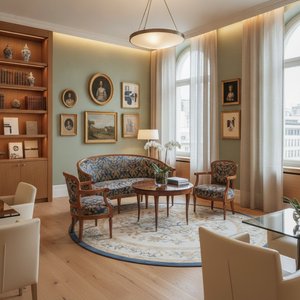
Biedermeier Style Guide: Integrating Elegant, Functional 19th-Century Art into Modern Hotel & Hospitality Interiors
Master the Biedermeier style for hospitality design. Our professional guide explores integrating 19th-century elegance and functional simplicity into modern hotel interiors through expert art procurement and large-scale custom reproductions.
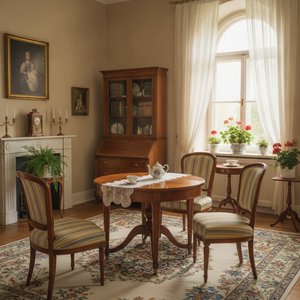
Biedermeier Style: The Art of Comfort, Elegance, and Home Harmony in 19th-Century Europe
Discover the soulful elegance of Biedermeier style. Explore how 19th-century Europe turned to domestic comfort and refined simplicity through art and design. A deep dive into the era of bourgeois sophistication for the true classic art enthusiast.