

 معاينة الحجم الواقعي
 إرسال
إرسال مشاركة
 عرض التفاصيل
 دليل الأعمال الفنية للطلاب

 تحميل
تحميل
 قطع مشابهة
 الأشعة السينية
 عرض شرائح متتابع
 الإحصائيات
Ruins and Figures
 Oil On Copper
- Italianate Landscape
 1600
1600 27.0 x 35.0 cm
 متحف اللوفر
 اقرأ المزيد
طباعة جيلي / مطبوعات فنية
طباعة جيكلي أو كانفاس بجودة المتاحف، مع سرعة في التنفيذ وخيارات متنوعة للتشطيب. ( اطلب نسخة مرسومة يدويًا التحويل إلى الصورة الرقمية)




P118B E£10

P118H E£10

P118W E£10

P438Z E£10

P508JH E£12

P508YH E£12

P805H E£10

P805Z E£10

P919BZ E£10

P919G E£10

P919XJ E£10

P959ZH E£10

P968JZ E£12

W106C E£8

W218G E£10

W218JH E£8

W218Y E£10

W307PJ E£10

W316G E£10

W316PJ E£8

W316Y E£10

W398PJ E£8

W4111J E£10

W500HY E£15

W500JH E£15

W692G E£12

W849H E£8

W940BG E£15

W953PJ E£8




اختر من بين أحجامنا المُعدّة مسبقاً والتي تتوافق مع النسب الأصلية للعمل الفني.

أدخل العرض والارتفاع اللذين تحتاجهما، ليتناسب مع إطارك أو جدارك. يمكن قص المطبوعة فقط، ولا يمكن أبداً جعلها أكبر من الصورة الأصلية، لذا فإن أي مقاس بشكل مختلف سيؤدي إلى فقدان جزء من الصورة. سنرسل لك نموذجاً رقمياً تجريبياً لاعتماده قبل البدء في عملية الطباعة. الصورة المعروضة في هذه الصفحة لا توضح القص الفعلي — النموذج التجريبي فقط هو ما يظهر ذلك.
توصيل عالمي إلى خلال أسبوعين بدلاً من المدة القياسية البالغة 4/5 أسابيع. (22 أكتوبر)

شحن سريع ومجاني لجميع أنحاء العالم

قماش كتان فاخر

تأمين شامل على الشحن

ضمان استرداد الرسوم الجمركية

ضمان دقة مطابقة الألوان

سياسة الإرجاع خلال 100 يوم (في حالات العيوب فقط)

ضمان استرداد نقدي بنسبة 100%

عرض خصم الكميات
 خيار الزجاج متاح فقط للمقاسات التي تقل عن 110 سم

Ruins and Figures
طباعة جيلي / مطبوعات فنية
مقاس النسخة المطبوعة
-


إجمالي السعر
E£ 4131
A Glimpse of Renaissance Arcadia: Paul Bril’s “Ruins and Figures”
Paul Bril's "Ruins and Figures," painted in 1600, is more than just a landscape; it’s a carefully constructed meditation on time, memory, and the enduring beauty of nature. Housed within the hallowed halls of the Louvre Museum in Paris, this oil-on-copper masterpiece transports us to an idealized Italian countryside, a realm both familiar and profoundly evocative. Bril, a pivotal figure in the development of the Italianate landscape genre, masterfully blends classical motifs with a distinctly Northern European sensibility, creating a scene that resonates with a serene yet subtly melancholic atmosphere. The painting’s genesis lies within the burgeoning Renaissance interest in antiquity – the ruins themselves serve as poignant reminders of vanished civilizations and the passage of time, while simultaneously offering a stage for human activity.Composition and Technique: A Symphony of Earth Tones
The composition of “Ruins and Figures” is remarkably balanced, drawing the eye through a carefully orchestrated arrangement of elements. The foreground is dominated by rugged terrain – rocky outcrops and cliffs that provide a dramatic backdrop to the scene. These imposing natural features are skillfully contrasted with patches of verdant foliage, creating a dynamic interplay between wildness and cultivated beauty. Scattered throughout this landscape are figures engaged in various activities: some resting beneath trees, others traveling along winding paths, and still others conversing – each contributing to the sense of a vibrant, lived-in world. Bril’s use of earth tones—ochres, browns, and muted greens—dominates the palette, lending the scene a timeless quality. The soft lighting, characteristic of his style, further enhances this effect, bathing the landscape in a gentle glow that evokes both warmth and tranquility. The choice of oil on copper was crucial; it allowed for the rich, luminous colors and subtle gradations of tone that define Bril’s distinctive style, offering an unparalleled level of detail and depth.Historical Context: Echoes of Classical Antiquity
“Ruins and Figures” is deeply rooted in the Renaissance fascination with classical antiquity. The inclusion of ruins—likely inspired by the remnants of Roman villas or temples—is a deliberate nod to this historical context. These crumbling structures aren’t merely decorative elements; they represent a symbolic link to the past, inviting contemplation on themes of mortality, impermanence, and the enduring power of nature. Bril's work reflects the broader artistic trends of the period, which saw a renewed interest in classical ideals of beauty, harmony, and proportion. Furthermore, the painting’s creation coincided with a period of significant technological advancement – the use of oil on copper allowed for greater control over color and texture than previous mediums, contributing to the painting's remarkable realism and atmospheric depth.Symbolism and Emotional Resonance: A Moment Frozen in Time
Beyond its historical context, “Ruins and Figures” is rich in symbolic meaning. The ruins themselves can be interpreted as metaphors for human ambition and the fleeting nature of earthly power. The figures engaged in their daily activities represent the continuity of life—the cycle of labor, leisure, and social interaction. The painting’s overall mood is one of serene contemplation, yet there's an underlying sense of melancholy – a recognition that all things eventually fade away. Bril masterfully captures this duality, creating a scene that is both beautiful and poignant. The composition invites the viewer to step into the landscape, to lose themselves in its tranquility, and to reflect on their own place within the grand sweep of time. It’s a timeless image, offering a glimpse into a bygone era while simultaneously speaking to universal human experiences.Bringing “Ruins and Figures” Home: A High-Quality Reproduction
OriginalUniqueArt offers meticulously crafted hand-painted reproductions of Paul Bril's "Ruins and Figures," allowing you to bring this iconic masterpiece into your own home or office. Our skilled artists replicate the painting’s intricate details, rich colors, and atmospheric depth with exceptional precision. Available in a range of sizes, our reproductions are printed on archival-quality canvas using vibrant pigments that will resist fading for generations to come. Whether you're an art collector, an interior designer, or simply someone who appreciates beauty, a OriginalUniqueArt reproduction of “Ruins and Figures” is a stunning addition to any space – a testament to the enduring legacy of Paul Bril’s artistic vision. Explore our collection today and discover the perfect way to experience this Renaissance gem.الأسئلة والأجوبة
ما مدى التناغم بين ألوان "Ruins and Figures"؟
يُصنف التناغم اللوني لـ "Ruins and Figures" على أنه Strong Color Unity.
هل تتوفر نسخة قابلة للتحميل بدقة عالية من "Ruins and Figures"؟
للحصول على نسخة رقمية من "Ruins and Figures" للفنان باول بريل، يمكنك طلب تحميل صورة رقمية عالية الدقة عبر صفحة صورة رقمية.
هل يغلب على "Ruins and Figures" الطابع الفاتح أم الداكن بشكل عام؟
سُجلت درجة سطوع "Ruins and Figures" للفنان باول بريل عند shadow، مع مستوى لمعان يبلغ Soft Shadow.
نبذة عن الفنان
باولوس بريل (بول بريل): سيد المناظر الطبيعية الإيطالية
يُعد باولوس بريل، المعروف أيضاً باسم بول بريل (1554-1626)، أحد الرسامين والنحاتين الفلمنكيين الذين تركوا بصمة لا تُمحى في تاريخ الفن، حيث نال شهرة واسعة لدوره الريادي في تطوير نوع "المناظر الطبيعية الإيطالية". وُلد بريل في مدينة أنتويرب ببلجيكا، لكن مسيرته الفنية الحقيقية ازدهرت في روما، حيث قضى معظم حياته المهنية، مما جعل أعماله جسراً ثقافياً أثر بعمق في فن رسم المناقب الطبيعية بكل من إيطاليا وشمال أوروبا. وتتجلى عبقريته الفنية في قدرته الفائقة على تجسيد جمال وعظمة الريف الإيطالي، ممتزجاً مع الزخارف الكلاسيكية ورؤية جوية فريدة تأسر الألباب.
البدايات والنشأة الفنية
- الميلاد والعائلة: وُلد باولوس بريل في أنتويرب، رغم وجود بعض المصادر التي تشير إلى مدينة بريدا كمكان محتمل لميلاده. وقد نشأ في كنف عائلة فنية بامتياز؛ حيث كان والده رساماً وتاجر أعمال فنية في آن واحد، مما منح باول منذ نعومة أظفاره فرصة ذهبية للانغماس في عالم الفن.
- التدريب المبكر والتأثيرات: من المرجح أن تدريبه الأولي قد تم داخل محيط عائلته، حيث استوعب تقاليد رسم المناظر الطبيعية الفلمنكية. وقد ركز هذا التأسيم على التأثيرات الجوية، مثل استخدام الضوء واللون والمنظور الهوائي لخلق إحساس بالعمق والمزاج العام. وتعكس أعماله المبكرة هذا التأثير، حيث تظهر دقة متناهية في التفاصيل وتركيزاً على التمثيل الواقعي.
- الانتقال إلى روما: مثّل انتقال بريل إلى روما لحظة محورية في مسيرته المهنية؛ فهذا الانتقال وضعه في مواجهة مباشرة مع المناظر الطبيعية الإيطالية، وسمح له بتطوير أسلوبه المميز الذي عُرف بالمناظر الطبيعية الإيطالية.
المناظر الطبيعية الإيطالية والابتكارات الفنية
- الخصائص المميزة: تتميز مناظر بريل الطبيعية بتقديم رؤى مثالية للريف الإيطالي، حيث غالباً ما تبرز فيها الأطلال الكلاسيكية (مثل المعابد، والأقواس، والأعمدة)، والمجاري المائية الخلابة، والغطاء النباتي الكثيف، والمشاهد الرعوية الهادئة.
- الزخارف الكلاسيكية والتكوين: لقد نجح ببراعة في دمج العناصر المعمارية الكلاسيكية في تكويناته، مما خلق مزيجاً متناغماً بين الطبيعة وعراقة الماضي. فمناظره ليست مجرد تصوير للمشاهد، بل هي استحضار للإحساس بالتاريخ، والعظمة، والجمال الخالد.
- الضوء والأجواء: يُعد استخدام بريل المتقن للضوء واللون عنصراً جوهرياً في جاذبية أعماله؛ فقد وظف النغمات الدافئة والتدرجات الدقيقة لخلق أجواء مضيئة تجذب المشاهد إلى قلب المشهد. كما أن فهمه للمنظور الهوائي — أي كيف تبدو الأشياء باهتة وزرقاء مع زيادة المسافة — أضفى عمقاً وواقعية ساحرة على لوحاته.
- التأثير على المعاصرين: ترك أسلوب بريل أثراً عميقاً في فنانين آخرين، وأبرزهم كلود لورين، الذي أعجب بشدة بمنهج بريل في رسم المناظر الطبيعية وحاول محاكاته. كما امتد تأثيره إلى ويليم فان نيويلاندت، وهو ما يتضح من خلال اهتمامهما المشترك بتصوير الأطلال الإيطالية.
الإنجازات الكبرى والأهمية التاريخية
- ثورة في رسم المناظر الطبيعية: يُعتبر باولوس بريل شخصية رئيسية في تطوير نوع المناظر الطبيعية الإيطالية، حيث وضع معياراً جديداً لهذا الفن في كل من إيطاليا وشمال أوروبا.
- الشهرة والرعاية: حظيت أعماله بطلب كبير خلال حياته، مما يعكس شعبيته الواسعة بين جامعي الفنون والرعاة الفنيين.
- الإرث الفني: إن تركيز بريل على الزخارف الكلاسيكية، والمنظور الجوي، والتصوير المثالي للطبيعة، قد ألهم أجيالاً من رسامي المناظر الطبيعية الذين ساروا على خطاه، حيث ساعد في الارتقاء برسم المناظر الطبيعية من نوع ثانوي إلى فن ذو قيمة فنية رفيعة.
المجموعات الفنية ومزيد من الاستكشاف
يمكن العثور على أعمال باولوس بريل في متاحف ومجموعات مرموقة عبر أوروبا، ومن أبرز هذه المقتنيات:
- متحف غرونينجن، بروج، بلجيكا
- منزل روكوكس، أنتويرب، بلجيكا
لمزيد من الاستكشاف لفنه، ندعوك لزيارة صفحة الفنان باولوس بريل والاطلاع على الأعمال الفنية ذات الصلة عبر OriginalUniqueArt.com.

باول بريل
1554 - 1626 , بلجيكا
لمحة سريعة
- Artistic Movement Or Style: المناظر الطبيعية الإيطالية، المانييرية
- Artists Or Movements Influenced By This Artist: ['كلود لورين']
- Date Of Birth: 1554
- Date Of Death: 1626
- Full Name: باولوس بريل / بول بريل
- Nationality: فلمنكي
- Notable Artworks:
- مشهد من براكيانو
- منظر طبيعي مع إرمينيا
- Place Of Birth (City And Country): أنتويرب، بلجيكا
مقالات ذات صلة

أفضل 10 لوحات طبيعية رومانسية غيرت مسار الفن وجمّلت الديكور | OriginalUniqueArt
اكتشف 10 روائع فنية رسمت مسار الفن الرومانسي! استكشف لوحات فريدريش، مالارد وأكثر. قصص الفنانين، تقنيات الرسم، وجمال المناظر الطبيعية الخلابة. احصل على أعمال فنية عالية الجودة من OriginalUniqueArt.com!

Evocations of Place: A Historical Journey Through Landscape Art
Explore the rich history of landscape art with OriginalUniqueArt. Discover renowned artists, movements like Impressionism & Romanticism, and expert guidance for collecting timeless pieces. Find your perfect serene escape today!
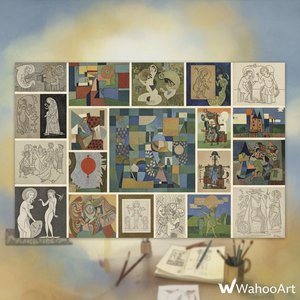
بول كلي: 25 تحفة فنية تعكس عبقرية اللون والشكل | OriginalUniqueArt
اكتشف 25 تحفة فنية لبول كلي، رائد الفن التجريدي والسريالي. استكشف قصص لوحاته الملونة وتقنياته الفريدة على OriginalUniqueArt.com. اشترِ إعادة إنتاج عالية الجودة وديكور منزلي فاخر.

أعمال بول سيزان الخالدة: 25 تحفة فنية تزين منزلك بجمال الألوان والضوء
اكتشف 25 تحفة فنية لبول سيزان، رائد الانطباعية وما بعد الانطباعية. استكشف قصص لوحاته الزيتية الشهيرة وألوانه الجريئة وتقنياته الفريدة. احصل على إلهام لديكور منزلك الفاخر مع OriginalUniqueArt.com.
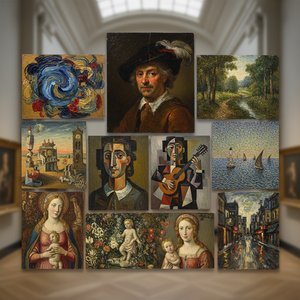
Oil on Board Masters: 10 Paintings That Redefined Art | OriginalUniqueArt
Explore 10 legendary 'Oil on Board' masterpieces by Van Gogh, Monet & more! Discover art history, iconic styles like Impressionism, and find museum-quality reproductions to elevate your home decor. Explore the full collection online at OriginalUniqueArt.com.
