
 معاينة الحجم الواقعي
 إرسال
إرسال مشاركة
 عرض التفاصيل
 دليل الأعمال الفنية للطلاب

 تحميل
تحميل
 قطع مشابهة
 الأشعة السينية
 عرض شرائح متتابع
 الإحصائيات
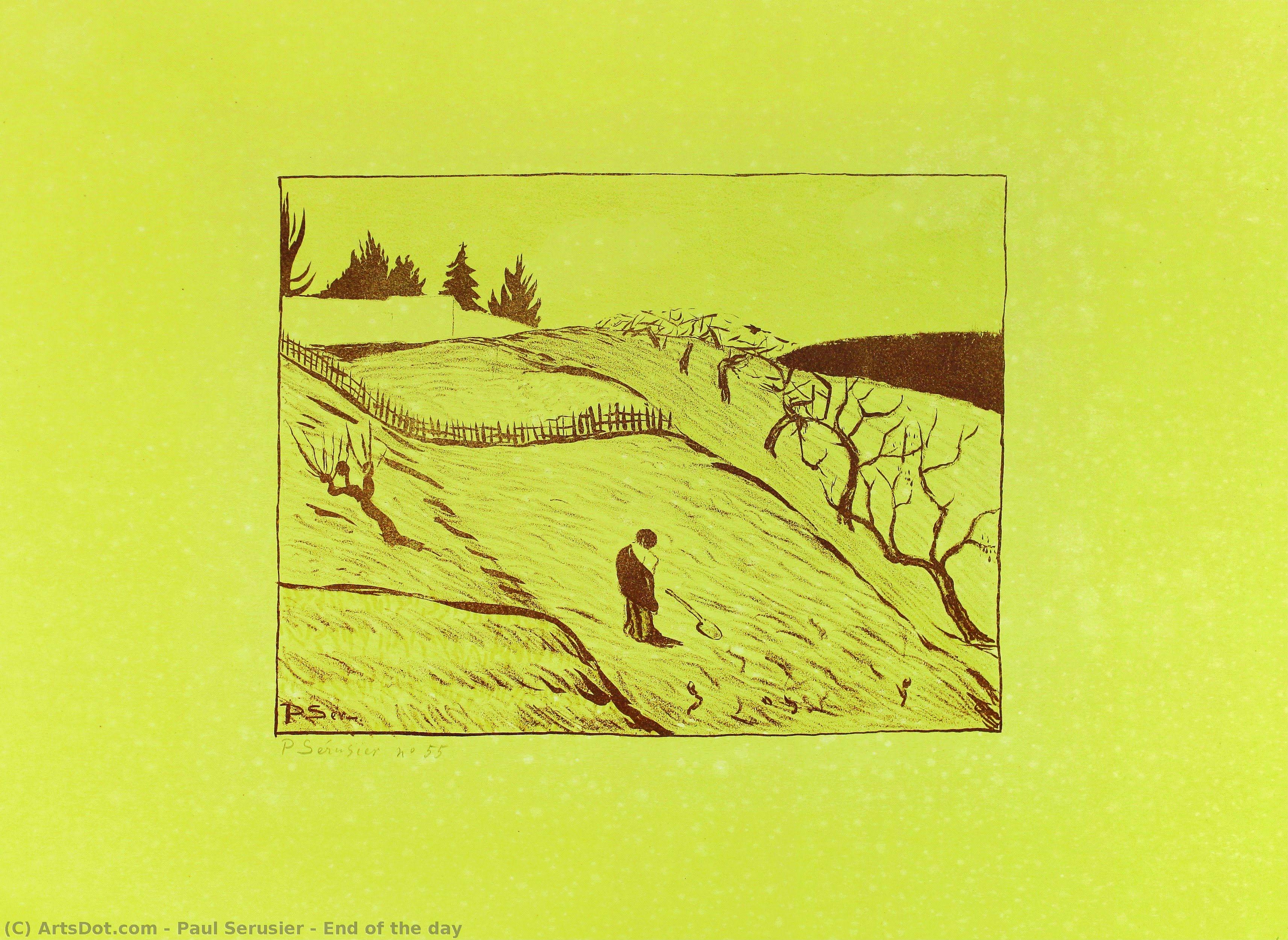
End of the day
 Acrylic On Canvas
- WallArt
- Post-Impressionism
 1893
1893- 19th Century
 23.0 x 30.0 cm
 Musée de Pont-Aven
 اقرأ المزيد
طباعة جيلي / مطبوعات فنية
طباعة جيكلي أو كانفاس بجودة المتاحف، مع سرعة في التنفيذ وخيارات متنوعة للتشطيب. ( اطلب نسخة مرسومة يدويًا التحويل إلى الصورة الرقمية)




P118B $10

P118H $10

P118W $10

P438Z $10

P508JH $12

P508YH $12

P805H $10

P805Z $10

P919BZ $10

P919G $10

P919XJ $10

P959ZH $10

P968JZ $12

W106C $8

W218G $10

W218JH $8

W218Y $10

W307PJ $10

W316G $10

W316PJ $8

W316Y $10

W398PJ $8

W4111J $10

W500HY $15

W500JH $15

W692G $12

W849H $8

W940BG $15

W953PJ $8




اختر من بين أحجامنا المُعدّة مسبقاً والتي تتوافق مع النسب الأصلية للعمل الفني.

يمكنك إدخال أبعاد خاصة لتناسب إطاراً أو مساحة معينة. وفي حال عدم تطابق الحجم المختار مع نسب الصورة الأصلية، سنقوم إما بقص العمل الفني أو تمديد الصورة باستخدام حافة معكوسة أو لون مصمت. وسيتم إرسال نموذج تجريبي رقمي لاعتمادك قبل بدء عملية الإنتاج.
يرجى ملاحظة أن المعاينة على الشاشة لا تعكس عملية القص أو التمديد الفعلية؛ حيث سيوضح النموذج التجريبي فقط التكوين النهائي بدقة.
وعلى الرغم من توفر أحجام مخصصة، إلا أننا نوصي باختيار أبعاد من القائمة المحددة مسبقاً للحفاظ على النسب الأصلية.
توصيل عالمي إلى خلال أسبوعين بدلاً من المدة القياسية البالغة 4/5 أسابيع. (27 سبتمبر)

شحن سريع ومجاني لجميع أنحاء العالم

قماش كتان فاخر

تأمين شامل على الشحن

ضمان استرداد الرسوم الجمركية

ضمان دقة مطابقة الألوان

سياسة الإرجاع خلال 100 يوم (في حالات العيوب فقط)

ضمان استرداد نقدي بنسبة 100%

عرض خصم الكميات
 خيار الزجاج متاح فقط للمقاسات التي تقل عن 110 سم

End of the day
طباعة جيلي / مطبوعات فنية
مقاس النسخة المطبوعة
-


إجمالي السعر
$ 80
The End of the Day – A Pioneering Vision of Synthetism
Paul Sérusier’s “End of the Day,” painted in 1893 during his formative summer at Pont-Aven, France alongside Vincent van Gogh and Gauguin, stands as a cornerstone of Impressionist abstraction and arguably the genesis of Synthetism – a movement that would profoundly influence the artistic landscape of the early 20th century. More than just a depiction of a tranquil Breton landscape, it’s an audacious experiment in conveying emotion through simplified forms and flattened color palettes.
The painting captures a hazy afternoon scene: a solitary man stands amidst a field dotted with trees, bathed in muted yellows and greens. Sérusier deliberately eschewed meticulous realism, prioritizing instead the expression of feeling. This approach aligns perfectly with Gauguin’s influence – he championed a symbolic language where color and form coalesce to communicate ideas rather than merely representing visual reality.
- Style: Synthetism - Rejecting Impressionistic optical blending, Sérusier sought to distill the essence of his subject into pure pigment.
- Technique: Cloisonnism – This technique involved applying paint in separate blocks or cells of color onto a toned surface, creating a textured and visually arresting effect reminiscent of Byzantine mosaics.
- Color Palette: Dominated by warm yellows and greens, mirroring the golden light filtering through the trees—a deliberate choice to evoke serenity and contemplation.
The composition itself is strikingly simple yet powerfully evocative. The man’s posture suggests introspection, gazing towards an unseen horizon – a gesture that speaks to the broader humanist concerns of the era. Critics noted Sérusier's bold departure from traditional artistic conventions, recognizing him as a visionary who anticipated the stylistic innovations of Cubism and Futurism.
Pont-Aven: A Crucible of Artistic Innovation
Pont-Aven served as an epicenter for artistic experimentation during this period. The group of artists gathered there – Sérusier, Gauguin, Cézanne, Bernard—were united by a desire to transcend Impressionism’s limitations and explore new avenues for artistic expression. They were deeply influenced by Celtic mythology and symbolism, seeking inspiration in ancient traditions.
Sérusier's fascination with Breton landscapes stemmed from his belief that nature possessed inherent spiritual significance. He aimed to capture not just what he saw but what he *felt*, translating visual impressions into emotionally resonant color harmonies. This pursuit of subjective experience was a hallmark of the Symbolist movement, which flourished alongside Synthetism.
The Talisman: An Emblematic Synthesis
"The Talisman," painted shortly before “End of the Day,” solidified Sérusier’s reputation as a pioneer of abstraction. Considered by many to be the first truly non-representational painting in France, it exemplifies the Synthetist aesthetic with its almost entirely flat surface and restricted color range.
This artwork is notable for its deliberate rejection of illusionistic perspective—a technique championed by Cézanne—and instead prioritizing a flattened space that emphasizes color and texture. The talisman itself symbolizes protection and guidance, reflecting Sérusier’s spiritual quest and his desire to communicate profound ideas through visual language.
Legacy and Influence
Paul Sérusier's contribution to art history extends far beyond the stylistic innovations of Synthetism. He instilled a spirit of experimentation and openness in subsequent generations of artists, encouraging them to challenge conventions and pursue their own artistic visions. “End of the Day” remains an enduring testament to his pioneering spirit—a painting that continues to inspire awe and contemplation decades after its creation.
نبذة عن الفنان
بدايات الحياة والتعليم
ولد بول سيروسيه، الرسام الفرنسي، في التاسع من نوفمبر عام 1864 في باريس. درس في أكاديمية جوليان، حيث أصبح مراقبًا في منتصف الثمانينيات. مثّل هذا بداية رحلته الفنية التي قادته لاحقًا إلى ريادة الفن التجريدي وإلهام حركة النابي الطليعية، بالإضافة إلى الرمزية والتلوين. كان سيروسيه يتمتع بحساسية فنية عالية وشغف بالبحث عن أساليب جديدة للتعبير، مما دفعه لاستكشاف مختلف التقنيات والمفاهيم الفنية في تلك الفترة.المسيرة الفنية وتجربة بوانت أفين
في صيف عام 1888، سافر سيروسيه إلى بوانت أفين، حيث انضم إلى مجموعة صغيرة من الفنانين يتركزون حول بول غوغان. تحت إشراف غوغان الدقيق، رسم سيروسيه لوحة "التميمة"، وهي تجربة جريئة في الرمزية تقارب التجريد المطلق. أظهرت هذه اللوحة أسلوبه المبتكر واستعداده لتجربة تقنيات جديدة. كرس سيروسيه جهوده لاستكشاف الألوان النقية والأشكال البسيطة، مع التركيز على التأثير العاطفي للعمل الفني بدلاً من التمثيل الواقعي. بصفته رسامًا ما بعد الانطباعي، كان سيروسيه جزءًا من مجموعة "النابي"، إلى جانب بيير بونار وإدوارد فويلار وموريس دينيس. على الرغم من أنه لم يحظَ بنفس القدر من الاعتراف الذي حظي به بعض زملائه، إلا أن مساهمات سيروسيه في تطوير الفن التجريدي لا يمكن إنكارها.أعمال بارزة وإرث فني
تشمل بعض الأعمال البارزة لسيروسيه:- الجو العاصف (1893)، متحف أورسيه، باريس
- صورة بول رانسون (1890)، متحف أورسيه، باريس
- الكآبة (1890)
- آكلو الثعابين (1894)، المتحف الوطني، وارسو
الحركة الفنية والتأثيرات
تأثر عمل سيروسيه بالرمزية، وهو أسلوب يتميز بالأشكال الجريئة والمسطحة المفصولة بخطوط داكنة. لعبت هذه الحركة، التي ظهرت في أواخر القرن التاسع عشر، دورًا مهمًا في تشكيل تطور الفن الحديث. سعى سيروسيه إلى تجاوز التمثيل الواقعي واستكشاف المعنى الروحي والعاطفي للألوان والأشكال. كان يهدف إلى خلق أعمال فنية تعبر عن الأفكار والمشاعر بطريقة رمزية ومجازية. بالإضافة إلى ذلك، كان سيروسيه مهتمًا بالبحث عن الجمال في البساطة والتعبير عن الذات من خلال الفن.الخلاصة: رائد الفن التجريدي ومُلهم حركة النابي
بول سيروسيه كان رسامًا فرنسيًا رائدًا في مجال الفن التجريدي وألهم حركة النابي. درس في أكاديمية جوليان ثم قام بالتدريس في أكاديمية رانسون لاحقًا. تأثرت أعماله بالرمزية، وهو أسلوب يتميز بالأشكال الجريئة والمسطحة. كان سيروسيه يسعى إلى تجاوز التمثيل الواقعي واستكشاف المعنى الروحي والعاطفي للألوان والأشكال. من خلال تجاربه الفنية المبتكرة وأفكاره الرائدة، ساهم في تشكيل مسار الفن الحديث وترك بصمة لا تُمحى في تاريخ الفن.
بول سيروسيي
1864 - 1927 , فرنسا
لمحة سريعة
- الأعمال البارزة:
- التاليسمان
- الجو الملبد
- الاسم الكامل: لويس بول هنري سيروسيي
- الجنسية: فرنسي
- الحركة الفنية: ما بعد الانطباعية
- الفنانون المؤثرون:
- بول غوغان
- موريس دينيس
- تاريخ الميلاد: 9 نوفمبر 1864
- مكان الميلاد: باريس، فرنسا
مقالات ذات صلة

Giclée Prints: Archival Quality & Aesthetic Nuances for the Discerning Collector
Explore the world of giclée prints with OriginalUniqueArt. Learn about archival quality, aesthetic nuances & investment potential. Expert guidance for discerning art collectors seeking museum-quality reproductions and lasting value.
Verdant Visions: Exploring the Symbolism & Aesthetic Impact of Green in Art History
Explore the rich history & symbolism of green in art! Discover iconic paintings, techniques, and how to bring verdant harmony into your home with OriginalUniqueArt's expert guide.

Golden Hues: 10 Masterpieces Dominated by Chrome Yellow | OriginalUniqueArt
Immerse yourself in golden light! Explore 10 famous paintings dominated by 'Chrome Yellow', from Van Gogh’s Sunflowers to Monet's Haystacks. Discover the stories behind these iconic Impressionist & Post-Impressionist masterpieces and find museum-quality art reproductions at OriginalUniqueArt.com.
Emerald Visions: Top 10 Paintings Dominated by Cadmium Green |
Explore 10 iconic paintings where cadmium green reigns supreme! From Monet to Van Gogh, discover the stories behind these masterpieces & the power of color. Find museum-quality art reproductions and elevate your home decor on .

The Enduring Legacy of Fine Art Prints: Technique, History & Aesthetic Impact
Explore the rich history & techniques of fine art prints. Discover investment potential, assess authenticity, and learn how to preserve your collection with expert guidance. Trusted insights for discerning collectors.