Figurative Expressionism · 1926
Reconstructing (بول كلي, 1926)
أبدع بول كلي (1879–1940) في Reconstructing. يعود تاريخها إلى 1926. تنتمي إلى حركة Figurative Expressionism. صُنعت من زيت على كانفاس. أبعادها 36 × 39 cm
- 1926
- زيت على كانفاس
- 36 × 39 cm

 معاينة الحجم الواقعي

 لوحة زيتية مرسومة يدوياً
 مشاركة
 مشاركة
 بطاقة المعلومات


 تحميل الملف
 قطع مشابهة
 الأشعة السينية
 عرض شرائح
 الأسئلة والأجوبة

 الإحصائيات
Reconstructing باختصار
- العنوان
- Reconstructing
- الفنان
- بول كلي (1879–1940)
- تاريخ ميلاد الفنان
- ميونشنبوخزة, سويسرا
- التاريخ
- 1926
- الوسيط الفني
- زيت على كانفاس
- الأبعاد
- 36 × 39 cm
- الحركة
- Figurative Expressionism
- الحقبة الزمنية
- العصر الحديث
ماذا يصور Reconstructing؟
Reconstructing: A Journey into Paul Klee’s Figurative Expressionism
- Subject and Composition: Paul Klee's “Reconstructing” (1926) presents an intriguing, abstracted landscape or architectural scene. The composition eschews a traditional focal point, inviting the viewer to explore a network of geometric shapes and linear elements arranged across a warm-toned background. These forms suggest fragmented buildings, stairs, or windows, creating a sense of rebuilding or recalling memories.
- Style and Technique: This artwork is a prime example of Figurative Expressionism, a movement that emerged as a reaction against the more conceptual art trends of the time. Klee masterfully employs watercolor or a similar translucent medium, layering colors to create depth and texture. The rough handling of materials adds an emotional intensity characteristic of the style. His unique blend of expressionism, cubism, and surrealism is evident in the painting’s dreamlike quality.
The Rise of Figurative Expressionism
- Historical Context: Figurative Expressionism arose in the late 1970s, drawing inspiration from earlier German Expressionists like Emil Nolde and Ernst Ludwig Kirchner. It marked a return to recognizable objects – particularly the human form – portrayed with intense emotion. This movement was seen as a revival of self-expression in European art after periods dominated by American artistic trends.
- Neo-Expressionism & Beyond: The style evolved into various regional manifestations, including Transavanguardia in Italy and Neue Wilden in Germany. While initially celebrated for its return to figuration and emotional depth, Neo-Expressionism also faced criticism regarding its relationship with the art market and perceived lack of radical innovation.
- Klee’s Place within the Movement: Paul Klee's work stands out due to his intellectual approach and unique color theory. He wasn’t simply expressing raw emotion; he was exploring the underlying structures of form and design, as evidenced in his influential “Writings on Form and Design Theory.”
Symbolism and Emotional Impact
- Decoding the Forms: The shapes within "Reconstructing" are not merely abstract; they carry symbolic weight. The architectural fragments suggest a process of rebuilding, perhaps representing personal or collective memory. The circular forms may symbolize wholeness or cycles of renewal.
- Color and Mood: Klee’s use of warm colors – yellows, oranges, and reds – evokes feelings of warmth and nostalgia, while the muted tones create a sense of tranquility. The overall effect is one of gentle contemplation rather than dramatic upheaval.
- Experiencing the Artwork: “Reconstructing” invites viewers to engage with their own interpretations and emotions. It’s a work that rewards close observation and encourages reflection on themes of memory, loss, and renewal.
صور عالية الدقة لـ Reconstructing
بول كلي, Reconstructing (1926). ملك عام
أسئلة وإجابات حول Reconstructing
في أي عام أُنجز "Reconstructing"؟
يعود تاريخ "Reconstructing" إلى عام 1926، وهو ما يضع العمل ضمن المسيرة المهنية لـ بول كلي وفي سياق حقبته الزمنية.
ما هي التقنية المستخدمة في صنع "Reconstructing"؟
تعتمد التقنية المستخدمة في "Reconstructing" للفنان بول كلي على زيت على كانفاس، وتهدف النسخ المطبوعة إلى محاكاة مظهر هذه التقنية.
ما هي أبعاد العمل الأصلي "Reconstructing" للفنان بول كلي؟
تبلغ أبعاد "Reconstructing" في شكلها الأصلي 36 x 39 cm. وتُعد الأبعاد الأصلية مرجعاً مفيداً عند اختيار حجم النسخة المطبوعة.
هل العمل "Reconstructing" ضمن الملكية العامة؟
تندرج لوحة "Reconstructing" للفنان بول كلي ضمن نطاق ملك عام - انتهت مدة حماية حقوق الطبع والنشر الخاصة به، وتحدد هذه الحالة الشروط التي يمكن بموجبها إعادة إنتاج صورة العمل الفني.
من هو الفنان الذي أبدع "Reconstructing"؟
يُنسب العمل "Reconstructing" إلى بول كلي.
إلى أي تيار فني تنتمي "Reconstructing" للفنان بول كلي؟
ينتمي العمل "Reconstructing" إلى مدرسة Figurative Expressionism، وهي المدرسة التي تمثل التقليد الفني الذي يندرج ضمنه هذا العمل.
إلى أي مرحلة من مسيرة بول كلي الفنية تنتمي لوحة "Reconstructing"؟
تندرج لوحة "Reconstructing" ضمن مرحلة Mature Period (Bauhaus) من مسيرة بول كلي المهنية، وهي مرحلة تتيح مقارنة هذا العمل بأعمال الفنان الأخرى.
كم كان عمر بول كلي عند إبداع العمل "Reconstructing"؟
عندما أُبدع العمل "Reconstructing" في عام 1926، كان عمر الفنان بول كلي - المولود في 1879 - هو 47 عاماً.
هل العمل "Reconstructing" للفنان بول كلي ضمن الملكية العامة، ولماذا؟
يُعد عمل "Reconstructing" للفنان بول كلي من الأعمال التي تندرج ضمن ملك عام - انتهت مدة حماية حقوق الطبع والنشر الخاصة به؛ حيث تُحتسب مدة حماية حقوق الطبع والنشر بدءاً من تاريخ وفاة الفنان في عام 1940.
عن الفنان، بول كلي

1879–1940, سويسرا
بول كلي
نشأة بول كليه المبكرة وُلد بول كليه في الثامن عشر من ديسمبر عام 1879 في مدينة مونشنبوخزي السويسرية، بالقرب من برن، ونشأ في كنف منزلٍ صاغته انضباطات الموسيقى وألحانها. كان بول الابن الثاني لكل من هانز فيلهلم كليه، معلم الموسيقى الألماني، وإيدا ماري كليه، المغنية السويسرية. ومن المرجح أن أصداء مهنة والديه قد شكلت ملامح طفولته، مانحةً إياه أساساً إيقاعياً رافق مسيرته في سنواته اللاحقة. ومع بلوغه الحادية عشرة من عمره، كان كليه قد أظهر موهبة فذة في عزف الكمان، مما أهله لنيل دعوة للعزف مع جمعية برن الموسيقية.
أعمال أخرى لـ بول كلي
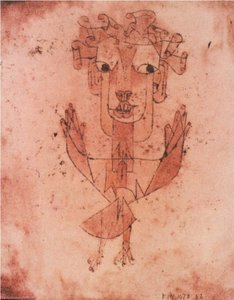 ملاك جديد1920
 آلة التغريد 1
 إلى بارناسوس1932
 أسطورة النيل1937
مقالات حول Reconstructing
 Neo-Expressionism: The Return of Figuration and the Visceral Painterly GestureExplore the visceral return of Neo-Expressionism and its impact on modern figuration. Master the history of the painterly gesture now.
 Mastering Abstraction: The Top 25 Essential Artworks by Paul KleeEmbark on a visual journey through the top 25 masterpieces of Paul Klee. Explore his iconic use of color, rhythm, and abstraction through m…
 Swiss artworks of the 1920s1920s Swiss masterpieces by Paul Klee, Giovanni Giacometti, and Hans Emmenegger. View these iconic works on OriginalUniqueArt.com.