معاينة الحجم الواقعي
 مشاركة
 مشاركة
 التفاصيل
 دليل
دليل

 تحميل الملف
 قطع مشابهة
 الأشعة السينية
 عرض شرائح
 الأسئلة والأجوبة
 الإحصائيات
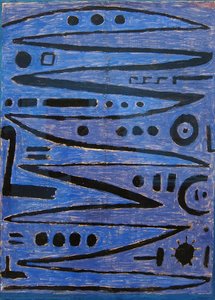
After The Floods

- 47.0 x 62.0 cm


 عرض المزيد
طباعة جيلي / مطبوعات فنية
طباعة جيكلي أو كانفاس بجودة المتاحف، مع سرعة في التنفيذ وخيارات متنوعة للتشطيب. ( شراء لوحة مرسومة يدويًا الانتقال إلى الصورة الرقمية)




P118B E£10

P118H E£10

P118W E£10

P438Z E£10

P508JH E£12

P508YH E£12

P805H E£10

P805Z E£10

P919BZ E£10

P919G E£10

P919XJ E£10

P959ZH E£10

P968JZ E£12

W106C E£8

W218G E£10

W218JH E£8

W218Y E£10

W307PJ E£10

W316G E£10

W316PJ E£8

W316Y E£10

W398PJ E£8

W4111J E£10

W500HY E£15

W500JH E£15

W692G E£12

W849H E£8

W940BG E£15

W953PJ E£8




اختر من بين أحجامنا المُعدّة مسبقاً والتي تتوافق مع النسب الأصلية للعمل الفني.

أدخل العرض والارتفاع المطلوبين ليتناسب المقاس مع إطارك أو جدارك. يرجى الملاحظة أن المطبوعة يمكن قصها فقط ولا يمكن تكبيرها لتتجاوز أبعاد الصورة الأصلية، لذا فإن اختيار مقاس بأبعاد مختلفة سيؤدي إلى فقدان جزء من الصورة. سنرسل لك نموذجاً رقمياً تجريبياً لاعتماده قبل البدء في عملية الطباعة. الصورة المعروضة في هذه الصفحة لا توضح شكل القص الفعلي — النموذج التجريبي فقط هو ما يظهر ذلك بدقة.
توصيل عالمي إلى خلال أسبوعين بدلاً من المدة القياسية البالغة 4/5 أسابيع. (9 نوفمبر)

شحن سريع ومجاني لجميع أنحاء العالم

قماش كتان عالي الجودة

تأمين شامل على الشحن

ضمان استرداد الرسوم الجمركية

ضمان مطابقة الألوان الحقيقية

سياسة الإرجاع خلال 100 يوم (في حالات العيوب فقط)

ضمان استرداد نقدي بنسبة 100%

خصم عند طلب كميات
 خيار الزجاج متاح فقط للمقاسات التي تقل عن 110 سم

After The Floods
طباعة جيلي / مطبوعات فنية
مقاس النسخة المطبوعة
-


إجمالي السعر النهائي
E£ 4250
A Symphony of Color and Symbolism: Unpacking Paul Klee’s “After The Floods”
Paul Klee's "After the Floods," painted in 1936, stands as a cornerstone of abstract expressionism and embodies the artist’s masterful synthesis of diverse artistic currents. Measuring 47 x 62 cm, this canvas isn’t merely a visual spectacle; it’s an invitation to contemplate profound themes of resilience, transformation, and the subconscious mind—elements deeply rooted in Klee's broader artistic philosophy. The painting immediately captivates with its chromatic richness – swathes of orange juxtaposed against cool blues create a dynamic tension that mirrors the turbulent aftermath of natural disasters. Yet, beneath this surface vibrancy lies an intricate tapestry of symbolic gestures and compositional decisions reflecting Klee’s unwavering commitment to exploring the expressive potential of form and color.Exploring Artistic Influences: The Convergence of Movements
Klee's artistic vision was undeniably shaped by the vanguard movements of his time. Expressionism instilled in him a preoccupation with emotional intensity, mirroring the anxieties of the era; Cubism challenged conventional perspectival representation, prompting him to dissect objects into geometric fragments—a technique subtly present in "After The Floods." Simultaneously, Surrealist principles encouraged him to tap into dreamlike imagery and irrational associations, fostering an atmosphere of enigmatic beauty. These influences coalesced into a singular style characterized by spontaneous brushstrokes, tessellated surfaces, and a deliberate disregard for realistic depiction. This stylistic freedom allowed Klee to convey complex ideas through visual metaphors—a testament to his intellectual curiosity and artistic daring.Decoding the Visual Language: Composition and Symbolism
The painting’s central element – a word or phrase rendered in an unfamiliar script – serves as more than just decorative ornamentation; it functions as a conduit for conveying unspoken emotions and philosophical concepts. The arrangement of letters, deliberately asymmetrical, contributes to the overall visual dynamism and underscores Klee's fascination with disrupting established conventions. Scattered oranges symbolize optimism amidst adversity—a deliberate counterpoint to the dominant blue hue that evokes feelings of melancholy and contemplation. Furthermore, the two bird figures positioned strategically within the composition represent freedom and aspiration, mirroring Klee’s belief in the transformative power of art as a vehicle for spiritual exploration.Context Within Klee's Artistic Universe: Bauhaus Legacy and Dreamlike Visions
Paul Klee’s artistic trajectory was inextricably linked to the Bauhaus movement—a pioneering institution dedicated to uniting art, craft, and technology—where he honed his skills in color theory and experimented with innovative materials. This influence is palpable in "After The Floods," where Klee skillfully employs textured surfaces and layered hues to create an immersive experience for the viewer. Like many of his works, this painting delves into the realm of dreams and subconscious imagery, reflecting Klee’s conviction that art should transcend mere representation and engage directly with the human psyche. He sought to capture not just what he saw but also what he felt—a feat accomplished through a masterful manipulation of color and form.A Timeless Resonance: Relevance to Art History and Beyond
“After The Floods” remains remarkably pertinent to art history, cementing Klee’s position as a pivotal figure in the development of abstract expressionism and inspiring generations of artists. Its enduring appeal lies in its ability to provoke contemplation about resilience, beauty, and the complexities of human experience—themes that continue to resonate powerfully today. Acquiring a high-quality reproduction offers an opportunity not only to adorn your interior space with a stunning artwork but also to connect with the legacy of one of art’s most visionary innovators.الأسئلة والأجوبة
متى تم إبداع "After The Floods"، وإلى أي مدرسة فنية تنتمي؟
يعود تاريخ "After The Floods" للفنان بول كليه إلى عام 1936 وينتمي إلى Cubism.
من أين يأتي زوار "After The Floods" للفنان بول كليه؟
توجد صفحة إحصائيات الزيارات خاصة بـ "After The Floods"، تعرض مخططاً للزيارات الشهرية لهذا العمل الفني ولأعمال الفنان الأخرى، مع تفصيل حسب الدولة واللغة.
ما هي التقنية المستخدمة في صنع "After The Floods"، وما هي أبعادها؟
أُنجزت لوحة "After The Floods" باستخدام Acrylic On Canvas، وتبلغ أبعادها 47 x 62 cm في شكلها الأصلي.
السيرة الذاتية للفنان
بول كليه: حياة متألقة في عالم اللون والشكل
بول كليه، اسم يتردد صداه في أروقة الفن الحديث، ليس مجرد فنان بل هو رحلة استكشافية لا تنتهي، حيث تتشابك فيه خيوط التعبيرية والتكعيبية والسريالية لتنسج لوحات فريدة من نوعها. وُلد كليه في الثامن عشر من ديسمبر عام 1879 في مدينة مونشنبوخسي السويسرية، وشق طريقه في عالم الفن بخطوات واثقة، متحديًا التصنيفات التقليدية ومؤسسًا لغة بصرية خاصة به. نشأته الأولى غرسَت فيه تقديرًا عميقًا للفنون؛ فوالده، معلم موسيقى ألماني، ووالدته، مغنية سويسرية، زرعوا في روحه حساسية متناهية تجاه الانسجام البصري والسمعي. هذا الارتباط الوثيق بين الموسيقى والرسم سيصبح سمة مميزة لمسيرته الفنية، ليس فقط في منهجه التكويني بل أيضًا في فهمه النظري للفن كشكل من أشكال التعبير المجرد المشابه للترتيب الموسيقي. سرعان ما تخلّى كليه عن السعي وراء التمثيل الواقعي، مدركًا لحدوده في نقل العالم الداخلي من مشاعر وأفكار التي سعى للتعبير عنها. التحق بأكاديمية الفنون الجميلة في ميونيخ بين عامي 1898 و 1901، وهي فترة اتسمت بالتجريب وتطور صوته الفني الفريد.تشكيل الرؤية الفنية
تكشف أعمال كليه المبكرة عن تأثير حركة فن الآرت نوفو والرمزية، ومع ذلك حتى داخل هذه الأطر، بدأت تظهر لمحات من أسلوبه المستقبلي. كان لرحلته إلى تونس عام 1914 دور محوري في تطوره الفني. فقد أثرت الإضاءة الشديدة والأجواء النابضة بالحياة في شمال أفريقيا بشكل عميق على استخدامه للألوان، مما ألهمه للانتقال من النغمات الباهتة نحو لوحات أكثر جرأة وتعبيرًا. شكلت هذه التجربة نقطة تحول، وعززت التزامه بالتجريد كوسيلة لالتقاط جوهر الإدراك بدلًا من مجرد إعادة إنتاج مظهره السطحي. لم يكن كليه يرى تونس فحسب؛ بل كان يترجم صدى مشاعره إلى شكل بصري. خلال هذه الفترة، انخرط كليه في حركات فنية مختلفة، مستوعبًا مبادئها مع مقاومة الالتزام التام بأي أيديولوجية واحدة. ظل اهتمامه بالموسيقى بالغ الأهمية، وكثيراً ما تحدث عن الرسم كعملية مماثلة لتأليف المقطوعات الموسيقية - ترتيب دقيق للعناصر لخلق كل متناغم. هذا النهج المتلازم واضح في جودة الخطوط الإيقاعية، والتوازن الدقيق للألوان، والشعور العام بالحركة الذي يمر عبر العديد من أعماله.الباوهاوس وما وراءه: فترة ازدهار
من عام 1931 إلى عام 1933، قبل كليه منصبًا تدريسيًا في مدرسة الباوهاوس الفنية المعمارية والتصميمية المؤثرة، إلى جانب فاسيلي كاندينسكي. أثبتت هذه الفترة أنها مثمرة بشكل ملحوظ لتطوره الفني. محاطًا بالمتفكير المبتكر والفنانين الآخرين، ازدهر في بيئة شجعت التجريب والاستقصاء النظري. تعمق عمله خلال سنواته هذه في نظرية الألوان والعلاقات الشكلية، واستكشف التفاعل بين الأشكال المجردة والتعبير العاطفي. ومع ذلك، تم تدمير هذا الملاذ الإبداعي بصعود النازية في ألمانيا. في عام 1933، أُقيل كليه من الباوهاوس بسبب اعتبار فنه "متشوهًا" من قبل النظام النازي - شهادة مروعة على مخاطر الأيديولوجيا السياسية التي قمعت حرية الفن. بعد أن اضطر إلى العودة إلى سويسرا، واصل الرسم، لكن صحته تدهورت تحت وطأة الاضطرابات السياسية المتزايدة والظروف الشخصية الصعبة. على الرغم من هذه التحديات، ظل كليه ملتزمًا برؤيته الفنية، منتجًا أعمالاً تعكس كلاً من قلق العصر وإيمانه الدائم بقوة الفن في تجاوز الشدائد.المواضيع والأسلوب والتراث الدائم
تتميز أعمال بول كليه بمزيج آسر من المرح والتأمل العميق. غالبًا ما استخدم صورًا طفولية وتكوينات غريبة الأطوار، ونقل إليها طبقات من المعاني الرمزية. تشمل الموضوعات المتكررة في فنه الحدائق والمناظر الطبيعية والصور والترتيبات المجردة - كل منها بمثابة وسيلة لاستكشاف تعقيدات التجربة الإنسانية. تقدم "دفاتر بول كليه"، التي نُشرت بعد وفاته، رؤى لا تقدر بثمن حول تحقيقاته النظرية المكثفة في اللون والتصميم، مما يكشف عن نهج دقيق وعقلاني لإنشاء فني. لم يكن يرسم فحسب؛ بل كان يبني لغة بصرية تعتمد على مبادئ الانسجام والتوازن والرنين العاطفي. حمامات،إخوة، وفي التيار ستة عتبات هي مجرد أمثلة قليلة توضح إتقانه للألوان والأشكال. يعتبر بول كليه بشكل صحيح أحد أهم شخصيات فن القرن العشرين، حيث يربط الفجوة بين التعبير التصويري والمجرد ويعزز مكانته كخبير مبتكر لا تزال أعماله ذات صلة إلى الأبد.المتاحف والاستكشافات الإضافية
- مركز بول كليه (برن): موطن لأكبر مجموعة من أعمال كليه في العالم، حيث يقدم نظرة شاملة على رحلته الفنية.
- متحف الفنون الجميلة برن: يعرض قطعًا مهمة لكليه إلى جانب روائع بيكاسو وهودلر.
- متحف كونستμούزيوم برن: أقدم متحف فني في سويسرا، حيث يعرض مجموعة متنوعة بما في ذلك أعمال كليه وغيره من أساتذة الفن الحديث.

بول كليه
1879 - 1940 , سويسرا
حقائق سريعة
- أعمال فنية بارزة:
- هامامات
- الأشقاء
- في التيار ستة عتبات
- الاسم الكامل: بول كليه
- الجنسية: سويسري-ألماني
- الحركة الفنية: التعبيرية، التكعيبية، السريالية
- تاريخ الميلاد: 18 ديسمبر 1879
- تاريخ الوفاة: 29 يونيو 1940
- حركات أو فنانون تأثر بهم: ['الفن الحديث']
- فنانون أثروا فيه: ['فاسيلي كاندينسكي']
- مكان الميلاد: مونشنبوخزي، سويسرا
مقالات ذات صلة

بول كلي: 25 تحفة فنية تعكس عبقرية اللون والشكل | OriginalUniqueArt
اكتشف 25 تحفة فنية لبول كلي، رائد الفن التجريدي والسريالي. استكشف قصص لوحاته الملونة وتقنياته الفريدة على OriginalUniqueArt.com. اشترِ إعادة إنتاج عالية الجودة وديكور منزلي فاخر.

أعلى 10 روائع تحدد الرمزية التعبيرية: رحلة في الفن الراقي و لوحات مميزة
اكتشف روائع الرمزية التعبيرية! استكشف 10 لوحات أيقونية مع جاكسون بولوك ومارك روثكو. قصص فنانين، تقنيات فريدة، وأعمال خالدة. احصل على لوحات مميزة لديكور منزلك الفاخر. تسوق الآن على OriginalUniqueArt.com!

أكثر 10 روائع فنية حدّدت حركة التجريد الهندسي | OriginalUniqueArt.com
اكتشف 10 روائع فنية غيرت مسار التجريد الهندسي! تعرف على بيكاسو، موندريان وماليفيتش وغيرهم. لوحات أصلية وإعادة إنتاج فاخرة لديكور عصري. استلهم منزلك مع OriginalUniqueArt.com

Paul Klee: A Poetics of Form and Color – Exploring the Inner Landscape of a Modern Master
Explore the captivating world of Paul Klee! Discover his innovative art, Bauhaus influence, & unique symbolic language. Expert analysis & high-quality reproductions at OriginalUniqueArt.

أعمال بول سيزان الخالدة: 25 تحفة فنية تزين منزلك بجمال الألوان والضوء
اكتشف 25 تحفة فنية لبول سيزان، رائد الانطباعية وما بعد الانطباعية. استكشف قصص لوحاته الزيتية الشهيرة وألوانه الجريئة وتقنياته الفريدة. احصل على إلهام لديكور منزلك الفاخر مع OriginalUniqueArt.com.