معاينة الحجم الواقعي
 إرسال
إرسال مشاركة
 عرض التفاصيل
 دليل الأعمال الفنية للطلاب

 تحميل
تحميل
 قطع مشابهة
 الأشعة السينية
 عرض شرائح متتابع
 الإحصائيات
Plain by Mount Sainte-Victoire


 اقرأ المزيد
طباعة جيلي / مطبوعات فنية
طباعة جيكلي أو كانفاس بجودة المتاحف، مع سرعة في التنفيذ وخيارات متنوعة للتشطيب. ( اطلب نسخة مرسومة يدويًا التحويل إلى الصورة الرقمية)




P118B $10

P118H $10

P118W $10

P438Z $10

P508JH $12

P508YH $12

P805H $10

P805Z $10

P919BZ $10

P919G $10

P919XJ $10

P959ZH $10

P968JZ $12

W106C $8

W218G $10

W218JH $8

W218Y $10

W307PJ $10

W316G $10

W316PJ $8

W316Y $10

W398PJ $8

W4111J $10

W500HY $15

W500JH $15

W692G $12

W849H $8

W940BG $15

W953PJ $8




اختر من بين أحجامنا المُعدّة مسبقاً والتي تتوافق مع النسب الأصلية للعمل الفني.

يمكنك إدخال أبعاد خاصة لتناسب إطاراً أو مساحة معينة. وفي حال عدم تطابق الحجم المختار مع نسب الصورة الأصلية، سنقوم إما بقص العمل الفني أو تمديد الصورة باستخدام حافة معكوسة أو لون مصمت. وسيتم إرسال نموذج تجريبي رقمي لاعتمادك قبل بدء عملية الإنتاج.
يرجى ملاحظة أن المعاينة على الشاشة لا تعكس عملية القص أو التمديد الفعلية؛ حيث سيوضح النموذج التجريبي فقط التكوين النهائي بدقة.
وعلى الرغم من توفر أحجام مخصصة، إلا أننا نوصي باختيار أبعاد من القائمة المحددة مسبقاً للحفاظ على النسب الأصلية.
توصيل عالمي إلى خلال أسبوعين بدلاً من المدة القياسية البالغة 4/5 أسابيع. (25 سبتمبر)

شحن سريع ومجاني لجميع أنحاء العالم

قماش كتان فاخر

تأمين شامل على الشحن

ضمان استرداد الرسوم الجمركية

ضمان دقة مطابقة الألوان

سياسة الإرجاع خلال 100 يوم (في حالات العيوب فقط)

ضمان استرداد نقدي بنسبة 100%

عرض خصم الكميات
 خيار الزجاج متاح فقط للمقاسات التي تقل عن 110 سم

Plain by Mount Sainte-Victoire
طباعة جيلي / مطبوعات فنية
مقاس النسخة المطبوعة
-


إجمالي السعر
$ 80
Paul Cézanne’s “Plain by Mount Sainte-Victoire”: A Bridge Between Impressionism and Modernity
Paul Cézanne's "Plain by Mount Sainte-Victoire," painted in 1890, isn’t merely a landscape; it’s a profound meditation on perception, form, and the very nature of seeing. This iconic work, housed within the collections of esteemed institutions like the Musée d’Orsay in Paris, represents a pivotal moment in art history – a deliberate dismantling of traditional representation and a bold assertion of Cézanne's unique vision. More than just a picturesque view of Provence, it embodies his revolutionary approach to painting, laying the groundwork for movements that would fundamentally reshape the 20th-century artistic landscape.
Cézanne’s journey toward this groundbreaking style began with his early exposure to Impressionism in Paris. He initially embraced the fleeting effects of light and color championed by artists like Monet and Renoir. However, Cézanne grew increasingly dissatisfied with what he perceived as Impressionism's superficiality – its focus on capturing a momentary impression rather than exploring the underlying structure of objects. He sought a more enduring representation, one that captured not just *what* was seen but *how* it was seen, imbued with his own subjective experience. This desire led him to experiment with simplified forms, bold colors, and an emphasis on geometric structures within the natural world.
The painting itself is deceptively simple in its composition. A vast expanse of muted blues, greens, and browns dominates the canvas, punctuated by the stark silhouette of Mount Sainte-Victoire rising majestically in the background. The village nestled at the foot of the mountain appears almost as a secondary element, a mere suggestion rather than a detailed depiction. Yet, within this apparent simplicity lies a complex interplay of observation and invention. Cézanne meticulously studied the mountain over decades, returning to it repeatedly from various vantage points. He wasn’t simply copying what he saw; he was analyzing its essential forms – the planes of rock, the receding lines of the valley, the atmospheric perspective—and translating these observations onto the canvas with a deliberate and almost architectural precision.
Cézanne's Revolutionary Technique: Breaking from Tradition
What distinguishes “Plain by Mount Sainte-Victoire” is Cézanne’s radical approach to technique. He abandoned the smooth, blended brushstrokes of Impressionism in favor of short, broken strokes that create a sense of movement and energy. These individual marks, applied with a confident hand, build up to form larger areas of color and shape. Crucially, he didn't attempt to mimic the illusion of depth or space as traditional landscape painters had done for centuries. Instead, he flattened the picture plane, emphasizing the two-dimensionality of the canvas itself. This flattening was achieved through the use of overlapping planes of color and a deliberate disregard for linear perspective—a technique that would later profoundly influence Pablo Picasso and Georges Braque, paving the way for Cubism.
The painting’s palette is deliberately restrained, contributing to its sense of quiet contemplation. The dominant blues and greens evoke the vastness of the sky and the surrounding landscape, while the browns suggest the earthiness of the mountainside. Cézanne's use of color isn’t about replicating reality; it’s about conveying mood and atmosphere—a subtle blend of serenity and power.
Symbolism and Emotional Resonance
Beyond its formal innovations, “Plain by Mount Sainte-Victoire” resonates with a deep sense of emotional resonance. The mountain itself has become synonymous with Cézanne’s life and work—he painted it obsessively throughout his career, returning to the same subject repeatedly. Some art historians interpret the painting as an exploration of Cézanne's relationship with nature, his desire to capture its essence, and his struggle to reconcile his artistic vision with the constraints of traditional representation. The quiet stillness of the scene suggests a profound sense of contemplation—a moment of connection between the artist, the mountain, and the vastness of the universe.
The inclusion of figures in the foreground – shepherds tending their flocks – adds another layer of meaning to the painting. These small human forms serve as a reminder of the scale of nature and the insignificance of individual existence within its grand scheme. They also subtly echo Cézanne’s own position as an artist—a solitary observer seeking to capture the essence of the world around him.
Cézanne's Legacy: A Foundation for Modern Art
Paul Cézanne’s “Plain by Mount Sainte-Victoire” stands as a testament to his revolutionary vision and enduring influence. His innovative approach to form, color, and perspective fundamentally altered the course of art history, paving the way for Cubism, Fauvism, and countless other modern movements. Reproductions of this masterpiece offer a unique opportunity to experience firsthand the genius of one of the 19th century’s most important artists. At OriginalUniqueArt.com, we are proud to offer meticulously hand-painted reproductions that capture not only the visual beauty of Cézanne's work but also the emotional depth and intellectual rigor behind it—a true celebration of a pivotal moment in art history.
For more information on Paul Cézanne’s life and work, please visit OriginalUniqueArt.com or explore his biography on Wikipedia.
نبذة عن الفنان
بول سيزان: رائد التعبيرية الجديدة ونافذة على عالم الأشكال
في قلب المشهد الفني الفرنسي، يبرز بول سيزان كشخصية محورية، جسر يربط بين انطباعات اللحظة العابرة التي ميزت الحركة الانطباعية وتفكيك الأشكال الذي يميز فن التكعيبية. لم يكن طريقه نحو الاعتراف سهلاً؛ بل كان رحلة استكشاف فنيّة بطيئة، مليئة بفترات الشك والرفض النقدي، لتصل في النهاية إلى إرث غيّر مسار الفن الحديث بشكل جذري. وُلد سيزان في إكس آن بروفانس عام 1839 لعائلة ميسورة الحال – كان والده في البداية صانع قبعات ثم أصبح بنكياً – مما منحه حريةً غير معهودة للفنانين الطموحين، ليتمكن من تخصيص نفسه بشغفه دون ضغوط النجاح التجاري الفورية. على الرغم من أن طموحات والده وجهته نحو مسار مهنة قانونية، إلا أن قوة التعبير الفني كانت أقوى، فترك الدراسة ليمارس الرسم، قرارٌ سيُعرّف حياته. تأثرت أعماله المبكرة بالرومانسية السائدة في شبابه ومدرسة باربيزون المكرسة للمناظر الطبيعية، ولكن من خلال لقاءاته مع فنانين مثل بول غوغان وجورج سيرات ومنهجياتهم المبتكرة للألوان والأشكال، بدأ سيزان في صياغة طريقه الفريد.من الظلال إلى البنية: تطور أسلوب
غالبًا ما عكست أعمال سيزان المبكرة الموضوعات الدرامية والمفعمة بالمشاعر التي تميزت بالرسم الرومانسي – حيث تهيمن الألوان الداكنة والضربات الواضحة على لوحاته. ومع ذلك، كانت هذه المرحلة الأولية مجرد خطوة نحو نهج أكثر تحليلية وريادية. غير راضيًا عن مجرد التقاط الانطباعات العابرة للضوء، كما هو الحال في الحركة الانطباعية، انطلق سيزان في مهمة لفهم وتمثيل البنية الأساسية للأشياء نفسها. لم يسع إلى تسجيل *ما* يراه فحسب، بل *كيف* يدرك الأشكال الأساسية التي تشكل الواقع. أدى ذلك إلى تفكيك الأشكال الطبيعية إلى مكافئاتها الهندسية – المخروطات والأسطوانات والكرات – مما بشر بتبعات الثورة التكعيبية عقودًا قبل أن تتحقق. تميزت تقنيته بضربات فرشاة صغيرة ومتكررة، ومُجمّعة بعناية لبناء حقول معقدة من الألوان والملمس، مما يخلق إحساسًا بالصلابة والعمق لم يسبق له مثيل في الرسم. لم يكن مهتمًا بالفضاء الوهمي؛ بل غالبًا ما قدم الأشياء من وجهات نظر متعددة في وقت واحد، متحديًا المفاهيم التقليدية للمنظور، وإجبار المشاهد على المشاركة بنشاط في طبيعة تكوينه. لم تكن هذه التشوهات العمدية عشوائية، بل كانت محاولة لنقل فهم أكثر اكتمالاً للشكل، وتمثيل ليس مجرد لحظة واحدة في الوقت المناسب ولكن توليفة للإدراك.المناظر الطبيعية والأعمال الفنية والجسد البشري: أعمال رئيسية وأنماط متكررة
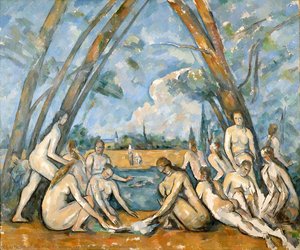
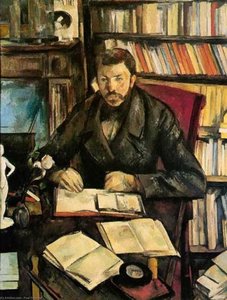
يتميز عمل سيزان بتنوعه بشكل ملحوظ، حيث يضم مناظر طبيعية وأعمالًا فنية وتصويرات للبورتريه وتصويرات للشخصيات الراقصة، لكن كلها موحدة بمقاربة فريدة للأشكال والألوان. البحيرة في جاس دو بوفان، التي رسمت عام 1880، تجسد عمله في المناظر الطبيعية، حيث يوضح قدرته على التقاط جوهر الطبيعة من خلال ترتيب دقيق للأشكال والنغمات. يكشف بورتريه إميل زولا، الذي تم إنشاؤه عام 1866، عن أسلوبه المتطور ويوفر لمحة مقنعة عن الحدة الفكرية لصديقه وزميله الكاتب المقرب. الأعمال الفنية ليست مجرد تمثيلات للأشياء بل هي استكشافات للحجم والضوء والعلاقات المكانية. سلسلة مون سانتا فيكتوريا أصبحت هوسًا لسيزان، وهو نمط متكرر سمح له بالتحقيق بلا هوادة في الشكل والمنظور على مدى عقود. هذه اللوحات ليست مجرد تصوير لجبل؛ إنها دراسات حول كيفية إدراكنا للعمق والحجم وتفاعل الضوء والظل. أخيرًا، تمثل سلسلة الراقصات، التي تصور شخصيات عارية في مناظر طبيعية خلابة، استكشافًا عميقًا للشكل البشري وعلاقته بالطبيعة، وغالبًا ما تنضح بإحساس بالخلود والتأمل الهادئ.إرث تم تشكيله من خلال الابتكار: تأثير سيزان على الفن الحديث
إن تأثير بول سيزان على الأجيال القادمة من الفنانين لا يقدر بثمن. يُعتبر على نطاق واسع "أبو الفن الحديث" لمساهماته الرائدة في اللغة التصويرية، حيث مهد الطريق للعديد من الحركات الفنية الرئيسية في القرن العشرين. كان بابلو بيكاسو وجورج براك مدينان لـ سيزان بسبب تأكيده على الأشكال الهندسية ووجهات النظر المتعددة، والتي أصبحت مبادئ أساسية للتكعيبية. ألهم استخدامه الجريء للألوان أيضًا حركة الفوفية، بقيادة فنانين مثل هنري ماتيس، الذين تبنوا ألوانًا نابضة بالحياة وغير طبيعية. حتى الفنانون السورياليون وجدوا صدى في استكشاف سيزان للإدراك الذاتي والعمق النفسي. وراء الحركات المحددة، حرر إصرار سيزان على الرؤية الشخصية للفنان ورفضه للقيود الأكاديمية التقليدية أجيالًا من رسامي اللوحات لاستكشاف أشكال جديدة من التعبير. لقد تحدى تعريف التمثيل نفسه، وحول التركيز من تقليد الواقع إلى بناء تجربة بصرية تستند إلى البنية الأساسية والإدراك الذاتي. كان موته عام 1906 علامة على بداية وليس نهاية – فجر حقبة جديدة في تاريخ الفن، تشكلها رؤيته الثورية بعمق.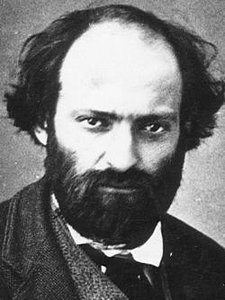
بول سيزان
1839 - 1906 , فرنسا
لمحة سريعة
- أعمال فنية بارزة:
- البحيرة في جاس دو بوفان
- صورة لعميل زولا
- الغابة
- سلسلة جبل سانتا فيكتوريا
- السباحون
- الاسم الكامل: بول سيزان
- الجنسية: فرنسي
- الحركات الفنية المتأثرة:
- التكعيبية
- الفوفية
- السريالية
- الحركة الفنية: ما بعد الانطباعية
- الفنانون المؤثرون:
- الرومانسية
- مدرسة باربيزون
- بول جوجان
- جورج سيوارت
- تاريخ الميلاد: 19 يناير 1839
- تاريخ الوفاة: 22 أكتوبر 1906
- مكان الميلاد: إكس آن بروفانس، فرنسا
مقالات ذات صلة

أعمال بول سيزان الخالدة: 25 تحفة فنية تزين منزلك بجمال الألوان والضوء
اكتشف 25 تحفة فنية لبول سيزان، رائد الانطباعية وما بعد الانطباعية. استكشف قصص لوحاته الزيتية الشهيرة وألوانه الجريئة وتقنياته الفريدة. احصل على إلهام لديكور منزلك الفاخر مع OriginalUniqueArt.com.
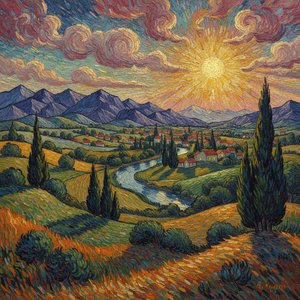
Beyond Impressionism: The Emotional Depth and Vibrant Evolution of Post-Impressionist Landscapes
Explore the profound evolution of Post-Impressionist landscapes. From Van Gogh's emotional brushwork to Cézanne's structural mastery, discover how these visionaries redefined art history through color and form in this expert guide for fine art enthusiasts.

Impressionism's Masterpieces: 10 Paintings That Defined a Movement | OriginalUniqueArt
Journey through Impressionism's heart with 10 iconic paintings by Monet, Renoir & Degas. Explore light, color & the stories behind these masterpieces. Find museum-quality art reproductions and elevate your home decor on OriginalUniqueArt.com.

Impressionistic Landscapes: 10 Masterpieces That Changed Art & Decor
Journey into the heart of Impressionism! Explore 10 masterpieces by Monet, Renoir & Degas that revolutionized landscape art. Discover their stories, techniques & find museum-quality reproductions to elevate your home decor on OriginalUniqueArt.com.
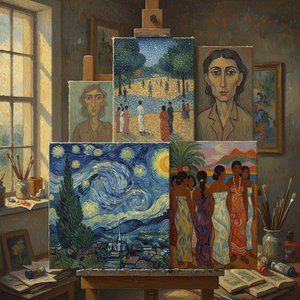
Beyond Impressionism: Exploring the Emotional Depth of Post-Impressionist Painting
Explore the profound emotional depth & innovative techniques of Post-Impressionism with OriginalUniqueArt. Discover Cézanne, Van Gogh, Gauguin & more – and their lasting impact on modern art.