Pop Art · 1972
Dining Recess (باتريك كولفيلد, 1972)
أبدع باتريك كولفيلد (1936–2005) في Dining Recess. يعود تاريخها إلى 1972. تنتمي إلى حركة Pop Art. صُنعت من Acrylic On Canvas. تُحفظ في Arts Council Collection في لندن, المملكة المتحدة. أبعادها 274 × 213 cm
- 1972
- Acrylic On Canvas
- 274 × 213 cm
- Arts Council Collection, لندن

 معاينة الحجم الواقعي

 لوحة زيتية مرسومة يدوياً
 مشاركة
 مشاركة
 ورقة الحقائق


 تحميل الملف
 قطع مشابهة
 الأشعة السينية
 عرض شرائح
 الأسئلة والأجوبة

 الإحصائيات
Dining Recess باختصار
- العنوان
- Dining Recess
- الفنان
- باتريك كولفيلد (1936–2005)
- تاريخ ميلاد الفنان
- لندن, المملكة المتحدة
- التاريخ
- 1972
- الوسيط الفني
- Acrylic On Canvas
- الأبعاد
- 274 × 213 cm
- أين يمكن مشاهدتها
- Arts Council Collection, لندن, المملكة المتحدة
- الحركة
- Pop Art
- الحقبة
- Modern
- الموضوع
- dining room, circular lamp, grey interior, eero saarinen, minimalism, social observation
ماذا يصور Dining Recess؟
Patrick Caulfield’s ‘Dining Recess’: A Study in Isolation and Design
Patrick Caulfield's “Dining Recess,” completed in 1972, is more than just a depiction of a dining room; it’s a meticulously crafted meditation on loneliness, observation, and the subtle power of design. Measuring an imposing 274 x 213 cm, this large-scale work immediately commands attention with its stark simplicity – a brilliant white globe lamp dominating the center, juxtaposed against the muted grey tones of the interior space. This deliberate contrast isn’t merely aesthetic; it actively heightens the sense of mystery and unease that permeates the entire composition.
- The Iconography of Absence: Caulfield famously stated his intention to present “something that’s either happened or is about to happen,” creating a palpable feeling of anticipation and, crucially, isolation. The absence of human figures amplifies this effect, forcing the viewer into an uncomfortable role as detached observer.
- A Dialogue with Design History: The inclusion of Eero Saarinen's iconic ‘tulip’ chairs – frequently featured in design books of the era – isn’t accidental. Caulfield was deeply interested in the social implications of interior design, using these familiar objects to ground the scene in a specific historical context while simultaneously questioning their function and purpose within this unsettling tableau.
- Technique and Impact: Caulfield's signature style—characterized by flat areas of color and bold black outlines—is employed with masterful precision here. The meticulous rendering of the lamp, the chairs, and even the wall texture creates a deceptively realistic effect, further emphasizing the strangeness of the scene.
Exploring the Roots of Minimalism
Caulfield’s artistic journey was profoundly shaped by his early exposure to Surrealism and Dada movements, particularly the work of René Magritte and Marcel Duchamp. This influence is evident in “Dining Recess” through its conceptual approach – a deliberate rejection of traditional representational art in favor of exploring ideas and emotions through simplified forms and carefully considered compositions. The minimalist aesthetic, so central to Caulfield’s work, was a direct response to the burgeoning Pop Art movement of the 1960s, which sought to challenge established artistic conventions by embracing popular culture imagery.
Symbolism and Emotional Resonance
The dominant image of the lamp within “Dining Recess” is particularly evocative. It functions as a visual metaphor for illumination – both literal and metaphorical – yet its inability to dispel the gloom of the room suggests a deeper, perhaps unresolvable, sense of darkness. The empty dining table itself becomes a symbol of missed connections, lost opportunities, or simply the quiet contemplation of solitude. The clock on the wall adds another layer of complexity, hinting at the passage of time and the inevitability of change – themes frequently explored in Caulfield’s work.
Historical Context and Significance
Created in 1972, “Dining Recess” reflects a pivotal moment in British art history. Caulfield was part of a generation of artists who were pushing the boundaries of traditional painting while simultaneously engaging with the social and cultural shifts of the time. His work is now recognized as a key example of minimalist Pop Art, demonstrating a unique ability to combine conceptual rigor with striking visual impact. This piece represents a significant contribution to Caulfield’s oeuvre and offers a compelling insight into his artistic vision.
أي متحف يضم Dining Recess؟
Arts Council Collection
لندن, المملكة المتحدة
إرث حي: نبض الإبداع البريطاني إن لقاء مجموعة آرتس كونسيل هو بمثابة خطوة داخل سردية نابضة بالحياة تتنفس تطور الفن البريطاني. وخلافاً للمؤسسات التقليدية التي تحبس الروائع داخل القاعات الصامتة والساكنة لمتاحف تشبه الحصون، تعمل هذه المجموعة كـ "متحف بلا جدران". فقد تأسست في عام 1946 وسط ظلال التحولات العميقة لسنوات التقشف ما بعد الحرب، ولم تكن مجرد مستودع للتأمل الجمالي، بل صُممت لتكون قناة نشطة للحيوية الثقافية.


صور عالية الدقة لـ Dining Recess

Protected by copyright: these files are for personal reference, not a licence to republish.
باتريك كولفيلد, Dining Recess (1972), Arts Council Collection.
أسئلة وإجابات حول Dining Recess
في أي متحف يُعرض العمل الأصلي "Dining Recess"؟
تُعرض لوحة "Dining Recess" للفنان باتريك كولفيلد في Arts Council Collection, لندن, المملكة المتحدة. ويشير وصف المتحف إلى العمل الأصلي، وليس إلى النسخ المطبوعة.
في أي عام أُبدع العمل "Dining Recess" للفنان باتريك كولفيلد؟
يعود تاريخ "Dining Recess" إلى عام 1972، وهو ما يضع العمل ضمن المسيرة المهنية لـ باتريك كولفيلد وفي سياق حقبته الزمنية.
ما هي التقنية المستخدمة في "Dining Recess" للفنان باتريك كولفيلد؟
تعتمد التقنية المستخدمة في "Dining Recess" للفنان باتريك كولفيلد على Acrylic On Canvas، وتهدف النسخ المطبوعة إلى محاكاة مظهر هذه التقنية.
ما هي أبعاد العمل الأصلي "Dining Recess" للفنان باتريك كولفيلد؟
تبلغ أبعاد العمل الأصلي "Dining Recess" للفنان باتريك كولفيلد 274 x 213 cm.
ماذا يصور "Dining Recess"؟
تتضمن الموضوعات المتضمنة في "Dining Recess" للفنان باتريك كولفيلد كلاً من dining room, circular lamp, grey interior, eero saarinen, minimalism, social observation, patrick caulfield، والتي تلخص مجتمعةً فحوى العمل الفني.
هل يمكن إعادة إنتاج صورة "Dining Recess" للفنان باتريك كولفيلد بحرية؟
أما بخصوص حقوق الطبع والنشر، فإن "Dining Recess" تندرج ضمن لا تزال محمية بموجب حقوق الطبع والنشر.
من هو الفنان الذي أبدع "Dining Recess"؟
الفنان الذي أبدع عمل "Dining Recess" هو باتريك كولفيلد، والعمل مُدرج تحت اسم باتريك كولفيلد.
إلى أي أسلوب ينتمي "Dining Recess"؟
تنتمي لوحة "Dining Recess" للفنان باتريك كولفيلد إلى حركة Pop Art الفنية، ويضع هذا التصنيف العمل ضمن سياق مجموعة من الفنانين والأعمال الفنية ذات الصلة.
إلى أي مرحلة من مراحل تطور باتريك كولفيلد ينتمي العمل "Dining Recess"؟
تندرج لوحة "Dining Recess" ضمن مرحلة British Pop من مسيرة باتريك كولفيلد المهنية، وهي مرحلة تتيح مقارنة هذا العمل بأعمال الفنان الأخرى.
عن الفنان، باتريك كولفيلد

1936–2005, المملكة المتحدة
باتريك كولفيلد
باتريك كولفيلد: المايسترو التجريدي للألوان الجريئة يبرز باتريك جوزيف كولفيلد (1936-2005) كشخصية محورية في حركة "فن البوب" البريطانية، حيث عُرف بجمالياته الفريدة التي تعتمد على تكوينات تبدو بسيطة في ظاهرها، لكنها تهيمن عليها مساحات لونية مسطحة وتحددها خطوط سوداء حادة وجريئة. بدأت رحلة باتريك كولفيلد الفنية من لندن، وتحديداً من منطقة أكتون، مدفوعة بشغف مبكر بالتصميم الغرافيكي والنحت، وهو ما صاغ لاحقاً مسار لغته البصرية الرائدة. وقد صقل مهاراته في مدرسة تشيلسي للفنون قبل تخرجه من كلية ويمبلدون للفنون عام 1960، ليبدأ مسيرته كمصمم ورسام توضيحي مستقل. تأثرت سنوات تكوينه الأولى بالانفتاح على الحركات السريالية والدادائية، ولا سيما أعمال رينيه ماغريت ومارسيل دوشامب، مما غرس في روحه روحاً متمردة وتقديراً عميقاً للفن المفاهيمي.
وأيضاً لـ باتريك كولفيلد
 Still life autumn fashion
 Coloured still life
 Glazed earthenware
 Wine glasses
مقالات حول Dining Recess
 The Art of the Dining Room: How Masterpiece Paintings Elevate the Culinary ExperienceDiscover how museum-quality masterpieces elevate dining experiences. Explore the intersection of fine art and gastronomy through expert cur…
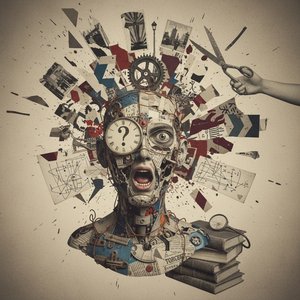 Dada: A Revolution of Anti-Art & the Rejection of Reason in Early 20th Century AestheticsExplore the revolutionary Dada art movement! Discover its origins, key artists like Duchamp & Arp, and lasting impact on modern art. A deep…
 Atmospheric Resonance: Art as Narrative Catalyst in Contemporary Restaurant DesignElevate your restaurant's atmosphere & brand with strategic art integration. Discover how curated artwork transforms dining experiences, en…