

 معاينة الحجم الواقعي
 إرسال
إرسال مشاركة
 عرض التفاصيل
 دليل الأعمال الفنية للطلاب

 تحميل
تحميل
 قطع مشابهة
 الأشعة السينية
 عرض شرائح متتابع
 الإحصائيات
Aristotele


 اقرأ المزيد
طباعة جيلي / مطبوعات فنية
طباعة جيكلي أو كانفاس بجودة المتاحف، مع سرعة في التنفيذ وخيارات متنوعة للتشطيب. ( اطلب نسخة مرسومة يدويًا التحويل إلى الصورة الرقمية)




P118B E£10

P118H E£10

P118W E£10

P438Z E£10

P508JH E£12

P508YH E£12

P805H E£10

P805Z E£10

P919BZ E£10

P919G E£10

P919XJ E£10

P959ZH E£10

P968JZ E£12

W106C E£8

W218G E£10

W218JH E£8

W218Y E£10

W307PJ E£10

W316G E£10

W316PJ E£8

W316Y E£10

W398PJ E£8

W4111J E£10

W500HY E£15

W500JH E£15

W692G E£12

W849H E£8

W940BG E£15

W953PJ E£8




اختر من بين أحجامنا المُعدّة مسبقاً والتي تتوافق مع النسب الأصلية للعمل الفني.

أدخل العرض والارتفاع اللذين تحتاجهما، ليتناسب مع إطارك أو جدارك. يمكن قص المطبوعة فقط، ولا يمكن أبداً جعلها أكبر من الصورة الأصلية، لذا فإن أي مقاس بشكل مختلف سيؤدي إلى فقدان جزء من الصورة. سنرسل لك نموذجاً رقمياً تجريبياً لاعتماده قبل البدء في عملية الطباعة. الصورة المعروضة في هذه الصفحة لا توضح القص الفعلي — النموذج التجريبي فقط هو ما يظهر ذلك.
توصيل عالمي إلى خلال أسبوعين بدلاً من المدة القياسية البالغة 4/5 أسابيع. (23 أكتوبر)

شحن سريع ومجاني لجميع أنحاء العالم

قماش كتان فاخر

تأمين شامل على الشحن

ضمان استرداد الرسوم الجمركية

ضمان دقة مطابقة الألوان

سياسة الإرجاع خلال 100 يوم (في حالات العيوب فقط)

ضمان استرداد نقدي بنسبة 100%

عرض خصم الكميات
 خيار الزجاج متاح فقط للمقاسات التي تقل عن 110 سم

Aristotele
طباعة جيلي / مطبوعات فنية
مقاس النسخة المطبوعة
-


إجمالي السعر
E£ 4136
A Study in Wisdom: Paolo Veronese’s “Aristotle”
Paolo Veronese's "Aristotle," painted in 1560, isn’t merely a portrait; it’s an invitation into the heart of philosophical contemplation. This remarkable work, now residing within the Biblioteca Marciana in Venice, transcends the conventional boundaries of Renaissance art, offering a glimpse into the intellectual fervor and opulent aesthetic sensibilities of 16th-century Venice. Veronese, a master colorist and orchestrator of grand narratives, crafted this piece not as a simple likeness of the famed Greek philosopher, but as an immersive experience—a carefully constructed tableau designed to evoke a sense of profound learning and serene introspection.
The painting immediately captivates with its masterful use of *trompe-l’œil*, creating an illusionistic space that draws the viewer inward. Aristotle is seated within a richly decorated niche, seemingly lost in thought as he pores over a scroll. The architecture surrounding him—a classical façade adorned with shell motifs and subtle references to Roman design—is not merely decorative; it serves to elevate the scene, suggesting the philosopher’s place within the continuum of Western intellectual tradition. Veronese's meticulous attention to detail extends to every element, from the folds of Aristotle’s robes to the texture of the books at his feet, all rendered with a breathtaking level of realism and precision.
The Palette of Enlightenment
Veronese’s signature style is powerfully evident in “Aristotle.” He eschews the stark contrasts and dramatic lighting favored by some of his contemporaries, opting instead for a harmonious blend of warm earth tones—ochres, siennas, and umbers—interspersed with vibrant splashes of crimson, gold, and turquoise. This carefully calibrated palette isn’t intended to mimic reality but rather to evoke a sense of intellectual warmth and serenity. The light, diffused and gentle, illuminates Aristotle's face, highlighting his thoughtful expression and suggesting an inner radiance. The use of *sfumato*, a technique perfected by Leonardo da Vinci, softens the edges of forms and creates a hazy atmosphere that further enhances the painting’s contemplative mood.
Furthermore, Veronese’s mastery of color is evident in the subtle gradations within each shade—a delicate blush on Aristotle's cheeks, the rich depth of the velvet robe, the luminous sheen of the scroll. These nuances demonstrate a profound understanding of how color interacts with light and shadow to create a sense of volume and realism. The overall effect is one of breathtaking beauty and harmonious balance, reflecting Veronese’s belief that art should not only be visually appealing but also intellectually stimulating.
Symbolism and Philosophical Resonance
Beyond its technical brilliance, “Aristotle” is laden with symbolic meaning. The philosopher's pose—leaning forward, his hand resting on a book—is instantly recognizable as the posture of a scholar deeply engaged in contemplation. The scroll he’s reading likely contains excerpts from Aristotle’s *Nicomachean Ethics*, emphasizing the painting’s central theme: the pursuit of wisdom and virtue. The inclusion of classical architectural elements further reinforces this connection, reminding viewers of the enduring legacy of Greek philosophy.
Interestingly, Veronese's choice to depict Aristotle in a study setting—surrounded by books and scrolls—suggests that knowledge is not simply an abstract concept but a tangible pursuit, requiring diligent study and reflection. The painting serves as a powerful reminder of the importance of intellectual curiosity and the enduring value of philosophical inquiry. The very composition invites us to join Aristotle in his quest for understanding, fostering a sense of shared contemplation and intellectual engagement.
A Legacy of Grandeur
“Aristotle” stands as a testament to Paolo Veronese’s extraordinary talent and his profound understanding of the principles of Renaissance art. It is a masterpiece that seamlessly blends technical skill with symbolic depth, creating an immersive experience for the viewer. Reproductions of this iconic work capture only a fraction of its original impact—the rich colors, the intricate details, and the palpable sense of intellectual serenity. Whether admired in Venice or enjoyed within the walls of a private collection, “Aristotle” continues to inspire awe and wonder, reminding us of the enduring power of art to illuminate the human condition.
الأسئلة والأجوبة
متى تم إنجاز "Aristotele" وبأي مواد؟
تعتمد تقنية "Aristotele" للفنان باولو فيرونيزي على Acrylic On Canvas، ويعود تاريخ العمل إلى 1560.
إلى أي فنان يُنسب العمل "Aristotele"؟
يُنسب العمل "Aristotele" إلى باولو فيرونيزي.
هل يتوفر "Aristotele" كنسخة مطبوعة فنية فاخرة؟
يمكن طلب نسخة مطبوعة من "Aristotele" للفنان باولو فيرونيزي مباشرة عبر صفحة مطبوعة فنية فاخرة الخاصة بها: مطبوعة فنية فاخرة على قماش قطني أو ورق كانفاس أرشيفي.
نبذة عن الفنان
رؤية فينيسية: حياة وفن باولو فيرونيزي
ولد باولو كالياري، المعروف للعالم باسم باولو فيرونيزي، من قلب المشهد الفني النابض بالحياة في فينيسيا في القرن السادس عشر، ليبرز كأستاذ للألوان والتكوين والبهجة البصرية. وُلد في فيرونا عام 1528، ابنًا لناحت الصخور، وكانت حياته المبكرة مغمورة بثراء محيطه – العمارة الكلاسيكية والأشكال المنحوتة والأفكار الإنسانية المتصاعدة التي ميزت المنطقة. وضع تدريبه الأولي تحت أنطونيو باديل وجيوفاني فرانسيسكو كاروتو أساسًا للتقنيات التقليدية، لكن انتقاله إلى فينيسيا في الخمسينيات من القرن السادس عشر أشعل عبقريته الفنية حقًا. أصبحت المدينة نفسها ملهمته، وأثرت أسواقها الصاخبة وقصورها الفخمة وممرات المياه المتلألئة على نطاق ودراما أعماله. سرعان ما استوعب تأثيرات الأساتذة الفينيسيين الراسخين مثل تيتيان، الذي أثر إتقانه للألوان بعمق على لوحة فيرونيزي، ومع ذلك فقد صاغ أسلوبًا متميزًا يتميز بإحساس فريد بالمسرحية والروعة.رسام الولائم والسرديات العظيمة
تستند سمعة فيرونيزي إلى لوحاته الضخمة، وخاصة تلك التي تصور الولائم الفاخرة والمشاهد الكتابية المحولة إلى عروض مبهرة للحياة الفينيسية. عرس قانا، الذي اكتمل عام 1563 لدير القديس جورجيو ماجيوري البندكتيني، هو شهادة على مهارته. هذه اللوحة العملاقة ليست مجرد توضيح للمعجزة؛ إنها بانوراما نابضة بالحياة لمجتمع القرن السادس عشر، تعج بالشخصيات الأنيقة والموسيقيين والتفاصيل المعمارية المرسومة بدقة مذهلة. لا يتعلق الرسم بما حدث في قانا بل *كيف* كان سيبدو لو أنه وقع في فينيسيا خلال وقت فيرونيزي. وبالمثل، أثار وليمة بيت ليفي، الذي عُرف في الأصل باسم العشاء الأخير، جدلاً مع محكمة التفتيش بسبب تضمين شخصيات معاصرة وجو يبدو غير محترم. دافع فيرونيزي عن ترخيصه الفني، مؤكدًا أن الرسامين يحق لهم نفس الحرية الإبداعية التي يتمتع بها الشعراء والمهرجين – بيان جريء يعكس اعتقاده بقوة الفن في تفسير وإعادة تصور السرديات المقدسة. لم تكن هذه الأعمال مجرد تصوير ديني؛ كانت احتفالات بالحياة والثروة وروعة فينيسيا نفسها. لم يكن مهتمًا بالروحانية الصارمة بل بالتقاط فرحة الوفرة في الوجود.التأثيرات والتطور الفني
في حين أن تأثير تيتيان على ألوان فيرونيزي لا يمكن إنكاره، إلا أن تطوره الفني كان مزيجًا معقدًا من التأثيرات المختلفة. الدقة المعمارية التي جلبها إلى تكوينه تدين بالكثير للتقاليد الكلاسيكية السائدة في فيرونا خلال سنواته التكوينية، وخاصة أعمال المهندسين المعماريين مثل ميكيل سانميكيلي. كما استوعب عناصر من أساتذة إيطاليا الوسطى مثل رافائيل وبارميجيانينو، وهو ما يظهر في الخطوط الرشيقة والترتيبات المتناغمة داخل لوحاته. ومع ذلك، لم يقتصر فيرونيزي على تقليد هذه التأثيرات؛ فقد جمعها في أسلوب فينيسي فريد من نوعه يتميز باستخدامه الدرامي للضوء ولوحات الألوان النابضة بالحياة واهتمامه الدقيق بالتفاصيل. برع في خلق وهم بالمسافة والعمق، مستخدمًا تقنيات المنظور لسحب المشاهدين إلى قلب مشاهدة المعقدة. إتقانه لطلاء الزيت سمح له بتحقيق إضاءة وثراء نسيجي لا مثيل له. كما أدار ورشة عمل كبيرة، مع مساهمات من أخيه بنديتو وأبنائه غابرييل وكارلو، مما يضمن استمرار أسلوبه في الازدهار حتى بعد وفاته عام 1588.الإرث والأهمية التاريخية
يمتد تأثير باولو فيرونيزي إلى ما هو أبعد من عالم فن عصر النهضة. لقد تردد صدى عمله عبر القرون، وألهم الفنانين في مختلف التخصصات. وقد تم الاستشهاد بتكوينه الدرامي ولوحات الألوان النابضة بالحياة كمؤثرات على كل شيء بدءًا من الرسم الباروكي وحتى السينما الحديثة – حتى أن لها صدى في الجماليات المرئية لأفلام السباغيتي الغربية. كان جزءًا من "الثلاثي العظيم" من الرسامين الفينيسيين - جنبًا إلى جنب مع تيتيان وتينتوريتو - ساهم كل منهم بشكل فريد في الإرث الفني للمدينة، ومع ذلك غالبًا ما يبرز فيرونيزي بسبب بهجته المطلقة والاحتفال بالملذات الأرضية. لا تزال لوحاته آسرة للجمهور بعظمتها وروعتها، وتقدم لمحة عن العالم الفخم لفينيسيا في القرن السادس عشر.- أعاد تعريف الرسم التاريخي من خلال إضفاء الحياة المعاصرة عليه.
- لا يزال استخدامه للألوان مؤثرًا للفنانين اليوم.
- يعكس عمله روح الإنسانية في عصر النهضة والاحتفال بالجمال الأرضي.

باولو فيرونيزي
1528 - 1588
لمحة سريعة
- أعمال بارزة:
- عشاء عشاء القانا
- وليمة في بيت لوي
- الاسم الكامل: باولو فيرونيزي
- الجنسية: إيطالي
- الحركة الفنية: النهضة، المانييرية
- تاريخ الميلاد: 1528
- تاريخ الوفاة: 1588
- فنانون مؤثرون: ['تيتيان']
- فنانون متأثرون:
- روبنز
- واتو
- مكان الميلاد: فيرونا، إيطاليا
مقالات ذات صلة

Elegance & Distortion: A Cultural Reflection on the Captivating World of Northern Mannerism
Embark on a cultural journey through Northern Mannerism. Discover how artists moved from Renaissance harmony to an era of elegant distortion, psychological depth, and exquisite tension in the 16th-century European art landscape.
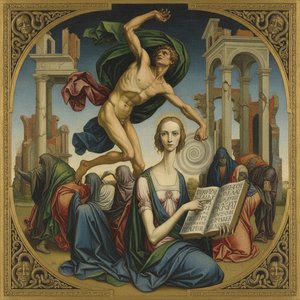
Beyond Perfection: The Dramatic Elegance and Intellectual Tension of Renaissance Mannerism
Explore the captivating world of Renaissance Mannerism. Discover how artists moved beyond High Renaissance harmony into a realm of elegant distortion, psychological tension, and dramatic beauty that bridged the gap to the Baroque era.
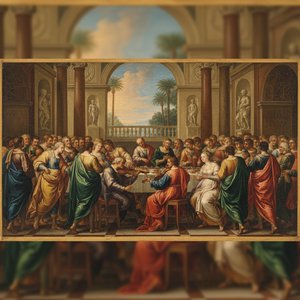
Paolo Veronese: A Renaissance Master of Color, Composition, and Venetian Splendor
Explore the vibrant world of Paolo Veronese, a Renaissance master renowned for his opulent compositions, masterful use of color, and dramatic Venetian scenes. Discover key artworks & legacy.

Northern Mannerism: The Dramatic Evolution of European Art through Elegant Distortion and Tension
Explore the dramatic evolution of Northern Mannerism. Discover how 16th-century artists moved from Renaissance harmony to elegant distortion, tension, and complex symbolism in European art history.

Mannerism: Bridging Renaissance Harmony & Baroque Drama – A Study of Style & Affectation
Explore the fascinating world of Mannerism! Discover its key characteristics, pioneering artists like Pontormo & Bronzino, and its pivotal role in bridging Renaissance harmony to Baroque drama. A comprehensive guide for art enthusiasts.


