معاينة الحجم الواقعي
 إرسال
إرسال مشاركة
 عرض التفاصيل
 دليل الأعمال الفنية للطلاب

 تحميل
تحميل
 قطع مشابهة
 الأشعة السينية
 عرض شرائح متتابع
 الإحصائيات
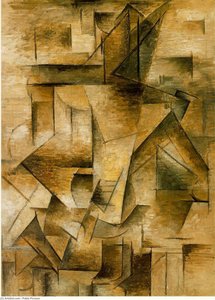
Portrait of Franèoise


 اقرأ المزيد
طباعة جيلي / مطبوعات فنية
طباعة جيكلي أو كانفاس بجودة المتاحف، مع سرعة في التنفيذ وخيارات متنوعة للتشطيب. ( اطلب نسخة مرسومة يدويًا التحويل إلى الصورة الرقمية)




P118B $10

P118H $10

P118W $10

P438Z $10

P508JH $12

P508YH $12

P805H $10

P805Z $10

P919BZ $10

P919G $10

P919XJ $10

P959ZH $10

P968JZ $12

W106C $8

W218G $10

W218JH $8

W218Y $10

W307PJ $10

W316G $10

W316PJ $8

W316Y $10

W398PJ $8

W4111J $10

W500HY $15

W500JH $15

W692G $12

W849H $8

W940BG $15

W953PJ $8




اختر من بين أحجامنا المُعدّة مسبقاً والتي تتوافق مع النسب الأصلية للعمل الفني.

يمكنك إدخال أبعاد خاصة لتناسب إطاراً أو مساحة معينة. وفي حال عدم تطابق الحجم المختار مع نسب الصورة الأصلية، سنقوم إما بقص العمل الفني أو تمديد الصورة باستخدام حافة معكوسة أو لون مصمت. وسيتم إرسال نموذج تجريبي رقمي لاعتمادك قبل بدء عملية الإنتاج.
يرجى ملاحظة أن المعاينة على الشاشة لا تعكس عملية القص أو التمديد الفعلية؛ حيث سيوضح النموذج التجريبي فقط التكوين النهائي بدقة.
وعلى الرغم من توفر أحجام مخصصة، إلا أننا نوصي باختيار أبعاد من القائمة المحددة مسبقاً للحفاظ على النسب الأصلية.
توصيل عالمي إلى خلال أسبوعين بدلاً من المدة القياسية البالغة 4/5 أسابيع. (25 سبتمبر)

شحن سريع ومجاني لجميع أنحاء العالم

قماش كتان فاخر

تأمين شامل على الشحن

ضمان استرداد الرسوم الجمركية

ضمان دقة مطابقة الألوان

سياسة الإرجاع خلال 100 يوم (في حالات العيوب فقط)

ضمان استرداد نقدي بنسبة 100%

عرض خصم الكميات
 خيار الزجاج متاح فقط للمقاسات التي تقل عن 110 سم

Portrait of Franèoise
طباعة جيلي / مطبوعات فنية
مقاس النسخة المطبوعة
-


إجمالي السعر
$ 80
Pablo Picasso: Portrait of Françoise – A Study in Line and Emotion
Pablo Picasso’s *Portrait of Françoise*, completed in 1946, stands as a cornerstone of his post-war oeuvre—a testament to his ability to distill complex emotion into deceptively simple forms. Executed in graphite on paper, this drawing embodies Picasso's signature style: an unwavering focus on line and form that prioritizes expressive gesture over meticulous detail. It’s more than just a likeness; it’s a profound meditation on intimacy, vulnerability, and the artist’s relationship with his muse—Françoise Gilot.- Historical Context: The painting emerged from the crucible of World War II, amidst the anxieties and uncertainties that gripped Europe. Picasso was grappling with personal loss – the death of his fellow Surrealist André Breton – and navigating the turbulent landscape of his relationship with Gilot, who had left him shortly before. This backdrop informs the portrait’s melancholic mood and its subtle exploration of psychological depth.
- Composition & Technique: Picasso employs a masterful technique of hatching—a series of parallel lines that create tonal variations—to sculpt the contours of Françoise's face. The deliberate absence of shading contributes to the drawing’s starkness, emphasizing the expressive power of line itself. Notice how Picasso uses elongated strokes to convey movement and dynamism, capturing the subtle nuances of Gilot’s gaze and posture.
- Symbolism & Emotion: The portrait’s emotional impact derives from its masterful depiction of Françoise's inner life. Her downward gaze—a gesture frequently interpreted as contemplation or sadness—suggests a profound awareness of her surroundings and an introspective spirit. Picasso skillfully captures the delicate structure of her face, highlighting her large eyes and full lips – features that convey warmth and compassion.
- Picasso’s Influence: *Portrait of Françoise* exemplifies Picasso's commitment to exploring human psychology through abstraction. He rejects traditional representational conventions in favor of a stylistic approach rooted in Cubism—a movement he pioneered alongside Georges Braque—that dismantles perspective and challenges viewers to reconsider their perceptions of reality.
- Legacy & Significance: Today, *Portrait of Françoise* resides in the Musée national Picasso-Paris (Museum website), where it continues to inspire admiration and scholarly debate. It serves as a poignant reminder of Picasso’s enduring legacy—his ability to transform personal experience into universal symbols of emotion and artistic innovation.
- Early Exploration: From Barcelona to Madrid, Picasso relentlessly pursued experimentation—embracing diverse styles and mediums—including Realism, Surrealism, and Neoclassicism. This restless spirit fueled his prolific output and cemented his reputation as a visionary innovator.
- Cubist Breakthrough: Alongside Georges Braque, Picasso spearheaded the Cubist movement—a revolutionary paradigm shift that irrevocably altered the trajectory of modern art. Cubism challenged conventional notions of perspective and representation, advocating for fragmented forms and multiple viewpoints to convey a more holistic understanding of reality.
- Diverse Styles & Themes: Throughout his illustrious career, Picasso explored an astonishing array of subjects—from portraits and landscapes to still lifes and mythological narratives—each infused with his characteristic stylistic flair. His artistic endeavors consistently interrogated fundamental questions about human existence and the complexities of emotion.
- Line as Expression: Picasso’s technique hinges on the strategic deployment of hatching—a series of parallel lines meticulously crafted to generate tonal variations—creating an evocative textural surface that conveys profound emotional resonance.
- Geometric Precision: The drawing's contours are defined with geometric precision—reflecting Cubist ideals—emphasizing structural clarity and rejecting traditional perspectival conventions.
- Emotional Depth: Despite its apparent simplicity, *Portrait of Françoise* communicates an astonishing level of psychological depth—capturing the subtle nuances of Gilot’s gaze and posture with remarkable sensitivity.
نبذة عن الفنان
البدايات في مالاغا: نشأة فنان عبقري
في قلب مدينة مالاغا الساحلية بإسبانيا، وُلد بابلو روسي بيكاسو في الخامس والعشرين من أكتوبر عام 1881. لم يكن مجرد طفل آخر، بل كان بداخله شرارة إبداعية واضحة منذ نعومة أظفاره؛ تقول الأسطورة أن أول كلماته كانت "بيز، بيز" محاولة لقول كلمة "قلم رصاص". هذه الموهبة الفطرية ازدهرت بفضل والده، خوسيه روسي بلاكو، وهو فنان ومدرس فنون، الذي قدم له الأساسيات. لكن بابلو سرعان ما تفوق على معلمه، وأظهر ميلاً فطرياً نحو التصوير الطبيعي ينذر بموهبة استثنائية. انتقلت العائلة لاحقًا إلى كورونا وبرشلونة، وشهدت هذه الفترة مآسي شخصية، بما في ذلك وفاة أخته، وهي تجارب تركت بصمات خفية على أعماله اللاحقة، حيث تكرر موضوع الحزن والفناء. حتى خلال دراسته الرسمية في أكاديمية الفنون الجميلة ببرشلونة ومحاولته القصيرة في الأكاديمية الملكية للفنون الجميلة بمدريد، رفض بيكاسو القيود الأكاديمية الصارمة، مفضلاً الانغماس في أعمال الأساتذة مثل فلاسكيز وغويا، ورسم طريقه نحو الابتكار الفني.الفترات الزرقاء والوردية: استكشاف المشاعر والألوان
شهدت بدايات القرن العشرين ظهور مرحلتين متميزتين في مسيرة بيكاسو الفنية: الفترة الزرقاء (تقريبًا 1901-1904) والفترة الوردية (1904-1906). ولدت الفترة الزرقاء من رحم المعاناة الشخصية والوعي العميق بالمعاناة الاجتماعية، وتتميز بلوحات غارقة في درجات الأزرق والأخضر الداكن. تصور هذه الأعمال شخصيات مهمشة – متسولين، مقعدين، بغايا – بتعاطف مؤثر يلامس موضوعات العزلة واليأس. تعتبر لوحات مثل لا في (1903) والعازف القديم (1903-1904) أمثلة مؤثرة على هذه المرحلة المشحونة عاطفيًا. ومع انتقال بيكاسو إلى باريس وتغيرات في حياته الشخصية، بشرت الفترة الوردية بدخول مرحلة جديدة. أصبح اللوحة أكثر دفئًا، مع تبني درجات اللون الوردي والبرتقالي والأحمر، مما يعكس نظرة أكثر تفاؤلاً. شهدت هذه الفترة اهتماماً بفن السيرك، حيث صور بيكاسو شخصيات مثل عازفي الأكروبات والمهرجين وعائلات السيرك، وهي شخصيات تجسد هشاشة الحياة وقوتها في آن واحد. عائلة السيرك (1905) تلخص بشكل جميل هذا التحول، مع إشارات إلى الاستكشافات الأسلوبية التي تكمن في المستقبل.تحطيم المنظور: التكعيبية وما بعدها
يمثل عام 1907 نقطة تحول حاسمة في تاريخ الفن مع إنشاء لوحة السيدات من أفينيون. تأثر بيكاسو بالنحت الإيبيري والمنحوتات الأفريقية، وحطمت هذه اللوحة الرائدة المفاهيم التقليدية للمنظور والتمثيل. كان هذا انحرافًا جذريًا، ورفضًا متعمدًا للتقاليد التي استمرت لقرون، مما مهد الطريق للتكعيبية. بالتعاون الوثيق مع جورج براك، شارك بيكاسو في تأسيس هذا الحركة الثورية، والتي غيرت بشكل أساسي الطريقة التي يدرك بها الفنانون ويصورون الواقع. تضمنت التكعيبية التحليلية (1909-1912) تجزئة الأشياء إلى أشكال هندسية، تمثل بألوان هادئة، كما لو كانت تفكك الشكل نفسه. تطور هذا إلى التكعيبية التركيبية (1912-1919)، والتي دمجت عناصر الكولاج – قصاصات الصحف وأجزاء القماش – مما أضاف نسيجًا وطبقات بصرية جديدة من التعقيد. لم يكن بيكاسو يهدف ببساطة إلى تمثيل العالم؛ بل سعى إلى تفكيكه وإعادة بنائه وفقًا لشروطه الخاصة.مغامرة فنية لا تهدأ: الكلاسيكية الجديدة، السريالية، والحرب
شهدت العشرينات من القرن الماضي استكشاف بيكاسو لأنماط الكلاسيكية الجديدة، حيث ابتكر شخصيات ضخمة تعكس الأشكال الكلاسيكية مع الحفاظ على حساسية حديثة. في الوقت نفسه، انخرط مع حركة السريالية الناشئة، على الرغم من أنه لم يتماشى تمامًا مع مبادئها. امزجت أعماله خلال هذه الفترة بين التأثيرات الأسلوبية السابقة والصور السريالية والمنظورات المشوهة، مما يدل على تجاربه التي لا هوادة فيها. أثرت مآسي الحرب الأهلية الإسبانية بعمق على بيكاسو، مما أسفر عن إنشاء غرنيكا (1937)، وهي استجابة حية ومؤثرة عاطفياً لقصف غرنيكا. أصبحت هذه اللوحة الضخمة رمزًا دائمًا لفظائع الحرب، مما رسخ مكانة بيكاسو ليس فقط كفنان بل أيضاً كصوت قوي من أجل السلام والعدالة الاجتماعية. خلال الخمسينيات والستينيات، واصل تحدي الحدود، واستكشف السيراميك والنحت والطباعة بفضول ومهارة لا يتزعزعان. جلبه زواجه من جاكلين روك في عام 1961 بُعدًا جديدًا لحياته الشخصية وتعبيراته الفنية.تأثير لا يُقدَّر بثمن
رحل بابلو بيكاسو عن عالمنا في الثامن من أبريل عام 1973 في موجين، فرنسا، تاركًا وراءه جسد عمل مذهل – يقدر بأكثر من 50 ألف قطعة – تستمر في سحر وإلهام. تشكلت مسيرته الفنية من خلال مجموعة متنوعة من التأثيرات، بدءًا من الأساتذة الإسبان مثل فلاسكيز وغويا إلى النحت الإيبيري والفن الأفريقي ولوحات الألوان النابضة بالحياة ل هنري ماتيس. إن تأثيره على فن القرن العشرين لا يُقدَّر بثمن. لقد شارك في تأسيس التكعيبية، ورائد الكولاج والنحت التركيبي، وتحدى باستمرار الأعراف الفنية. أعاد بيكاسو تعريف الفن الحديث، تاركًا بصمة لا تمحى على أجيال من الفنانين وتعزيز مكانته كواحد من أهم الشخصيات وأكثرها تأثيرًا في التاريخ. يمتد إرثه إلى ما وراء اللوحة القماشية، ويردد صداه في العديد من جوانب الثقافة المعاصرة، ويذكرنا بالقوة التحويلية للرؤية الفنية.
بابلو بيكاسو
1881 - 1973 , إسبانيا
لمحة سريعة
- Artistic Movement Or Style: كوبيزم
- Artists Who Influenced This Artist:
- فيلازيس
- جويَا
- Date Of Birth: ٢٥ أكتوبر ١٨٨١م
- Date Of Death: ٨ أبريل ١٩٧٣م
- Full Name: Pablo Diego José Ruiz Picasso
- Nationality: إسبانية
- Notable Artworks:
- ليس ديمويسيلز د'أفيجون
- جرينيكا
- Place Of Birth: مالقة، إسبانيا
مقالات ذات صلة
Cubist Expression: 10 Masterpieces That Revolutionized Modern Art | OriginalUniqueArt
Explore 10 Cubist masterpieces by Picasso, Braque & more! Discover the stories behind these revolutionary paintings and their impact on modern art. Find museum-quality reproductions for your home at OriginalUniqueArt.com – where art comes to life.
Mastering Cubism: An Essential Guide to the Revolutionary Artworks of Pablo Picasso
Explore the profound evolution of Cubism through an expert analysis of Pablo Picasso's revolutionary works. From Analytical to Synthetic Cubism, discover the techniques that redefined modern art and learn how to curate these iconic masterpieces for your private collection.
Cubist Portraits: 10 Masterpieces That Revolutionized Art | OriginalUniqueArt
Explore 10 revolutionary Cubist portraits by Picasso, Braque & more! Discover the stories behind these iconic paintings and how they shaped modern art. Find museum-quality reproductions to elevate your home decor on OriginalUniqueArt.com.
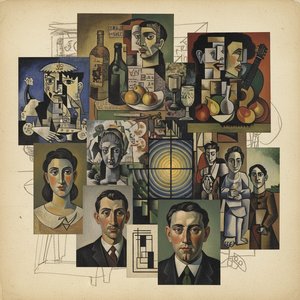
Cubism's Revolution: 10 Masterpieces That Redefined Modern Art | OriginalUniqueArt
Explore 10 Cubist masterpieces by Picasso, Braque & more! Delve into the history of this revolutionary art movement. Find museum-quality reproductions and elevate your home decor with OriginalUniqueArt. Discover all masterpieces on OriginalUniqueArt.com

Pablo Picasso: A Revolutionary Vision – Cubism, Symbolism & Enduring Legacy
Explore the revolutionary art of Pablo Picasso with OriginalUniqueArt.com. Discover Cubism's origins, symbolism in his masterpieces & investment insights for collectors. Expert appraisal & custom reproductions available.