

 معاينة الحجم الحقيقي
 مشاركة
 مشاركة
 التفاصيل

 تحميل الملف
 قطع مشابهة
 الأشعة السينية
 عرض شرائح
The support table AcTive Tilda


 عرض المزيد
نسخة زيتية مصنوعة يدوياً
لوحة زيتية مرسومة يدوياً على الكانفاس بالمقاس والإطار الذي تفضله، تُنفذ حسب الطلب على أيدي فنانينا. ( اشترِ نسخة مطبوعة اشترِ الصورة)




































اختر من بين أحجامنا المُعدّة مسبقًا والتي تتطابق مع النسب الأصلية للعمل الفني.

يمكنك إدخال أبعادك الخاصة لتناسب إطارًا معينًا أو مساحة محددة. وإذا لم يتطابق الحجم الذي اخترته مع نسب الصورة الأصلية، فسنقوم إما بقص العمل الفني أو توسيع اللوحة بإضافة عناصر مرسومة يدويًا. سيتم إرسال نموذج رقمي إليك للموافقة عليه قبل بدء الإنتاج.
يرجى ملاحظة أن المعاينة على الشاشة لا تعكس عملية القص أو التوسيع الفعلية؛ حيث إن النموذج الرقمي وحده هو الذي سيوضح التكوين النهائي بدقة.
وعلى الرغم من توفر أحجام مخصصة، إلا أننا نوصي باختيار أبعاد من القائمة المحددة مسبقًا للحفاظ على النسب الأصلية للعمل الفني.
بعد إتمام الطلب، سيرسل فريق OriginalUniqueArt.com بريداً إلكترونياً للعميل لطلب التعليمات وتزويده بمعاينة تجريبية (mockup).
توصيل عالمي إلى خلال 3 إلى 4 أسابيع بدلاً من المدة المعتادة البالغة 5 أسابيع. (22 أغسطس). جودة لا تهاون فيها.

شحن سريع ومجاني لجميع أنحاء العالم

قماش كتان عالي الجودة

تأمين شحن شامل

ضمان استرداد الرسوم الجمركية

ضمان مطابقة الألوان الحقيقية

سياسة الإرجاع خلال 60 يومًا (في حالات العيوب فقط)

ضمان استرداد نقدي بنسبة 100%

خصم عند طلب عدة قطع
 خيار الزجاج متاح فقط للمقاسات التي تقل عن 110 سم

The support table AcTive Tilda
خامة إعادة الإنتاج
مقاس النسخة المطبوعة
-


السعر الإجمالي النهائي
$ 300
وصف العمل الفني
السيرة الذاتية للفنان
The Miniature Master: The Life and Legacy of Peter Adolphe Hall
In the delicate, intimate world of eighteenth-century portraiture, few names command as much quiet reverence as Peter Adolphe Hall. Born in Borås, Sweden, on February 23, 1739, Hall would eventually transcend his Scandinavian origins to become a defining figure of the French Rococo and Neoclassical transition. His journey from the Swedish provinces to the glittering courts of France is a testament to a singular talent that found its true expression in the smallest of scales. As a master of miniature painting, Hall possessed the rare ability to capture the profound psychological depth of his subjects within a frame no larger than a palm, turning tiny portraits into windows of immense emotional complexity.
Hall’s career was defined by a remarkable technical evolution that set him apart from his contemporaries. While many miniaturists of the era relied on soft, blended washes to achieve a smooth finish, Hall pioneered an innovative use of impasto. By applying thicker layers of paint, he introduced a tactile, sculptural quality to his work that allowed light to dance across the surface of the portrait. This technique breathed life into the textures of silk, lace, and skin, lending a startling realism to his depictions of the French nobility. His brushwork was not merely descriptive but transformative, imbuing each miniature with a luminous vitality that made the subjects appear as though they might step out from their ivory or vellum settings.
A Courtly Ascent and Artistic Triumph
The trajectory of Hall’s life took him to the heart of European high society, where his skill earned him the prestigious distinction of being a court painter to Louis XVI. This position placed him at the epicenter of cultural influence, allowing him to document the faces of an era on the precipice of monumental historical change. His work served as more than mere likeness; it was a sophisticated language of status and elegance. Through his portraits, one can observe the meticulous attention to the fashion and etiquette of the French court, rendered with a precision that captured both the outward splendor and the inward dignity of the aristocracy.
Beyond his technical prowess, Hall’s significance lies in his role as a bridge between artistic movements. His ability to blend the decorative charm of the Rococo with the emerging clarity and structure of Neoclassicism allowed him to remain relevant during a period of intense stylistic shifts. The achievements of his career are reflected in the enduring fascination with his miniatures, which continue to captivate collectors for their intimacy and brilliance. His life, which came to an end in Liège on May 15, 1793, marked the conclusion of a journey that had fundamentally reshaped the possibilities of the miniature medium.
Key Aspects of Hall's Artistic Contribution
To understand the enduring impact of Peter Adolphe Hall, one must consider the specific elements that defined his mastery:
- Technical Innovation: The pioneering use of impasto in miniature painting to create texture and light.
- Psychological Depth: A profound ability to capture the character and soul of his sitters within a tiny format.
- Historical Documentation: Serving as a vital visual chronicler of the French nobility during the reign of Louis XVI.
- Stylistic Versatility: Successfully navigating the transition from the ornate Rococo style to the more disciplined Neoclassical era.
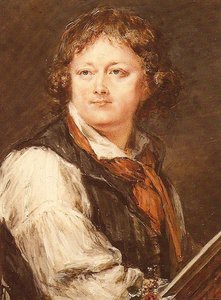
pa hall or peter adolphe hall
1739 - 1793 , Sweden
حقائق سريعة
- Artistic Movement Or Style: Miniature painting, Rococo
- Date Of Birth: February 23, 1739
- Date Of Death: May 15, 1793
- Full Name: Pierre Adolphe Hall
- Nationality: Swedish-French
- Place Of Birth: Borås, Sweden
مقالات ذات صلة
Verdant Visions: Exploring the Symbolism & Aesthetic Impact of Green in Art History
Explore the rich history & symbolism of green in art! Discover iconic paintings, techniques, and how to bring verdant harmony into your home with OriginalUniqueArt's expert guide.
Acrylic on Paper: A Modern Canvas for Contemporary Expression
Explore the versatility of acrylic painting on paper! Discover expert techniques, artist insights & archival practices for creating stunning contemporary art. Learn more at OriginalUniqueArt.

Emerald Visions: Top 10 Paintings Dominated by Cadmium Green |
Explore 10 iconic paintings where cadmium green reigns supreme! From Monet to Van Gogh, discover the stories behind these masterpieces & the power of color. Find museum-quality art reproductions and elevate your home decor on .
Chrome Green Masterpieces: 10 Famous Paintings & Their Alluring Hues |
Explore 10 famous paintings where 'Chrome Green' reigns supreme! Discover Monet, Manet & Van Gogh’s masterpieces. Learn the stories behind these iconic artworks and find museum-quality art reproductions for your home at .
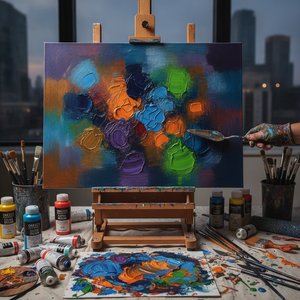
The Art Student’s Definitive Guide to Acrylic Painting: Mastering the World’s Most Versatile Medium
Unlock your creative potential with this expert guide for art students. Master acrylic painting techniques, from fluid washes to textured impasto. Learn about essential brushes, surfaces, and advanced color theory to elevate your fine arts practice with professional precision.

