
 معاينة الحجم الواقعي
 إرسال
إرسال مشاركة
 عرض التفاصيل
 دليل الأعمال الفنية للطلاب

 تحميل
تحميل
 قطع مشابهة
 الأشعة السينية
 عرض شرائح متتابع
 الإحصائيات
Emblem


 اقرأ المزيد
نسخة زيتية مصنوعة يدوياً
لوحة زيتية مرسومة يدوياً على الكانفاس بالمقاس والإطار الذي تفضله، تُنفذ حسب الطلب على أيدي فنانينا. ( التبديل إلى المطبوعات التحويل إلى الصورة الرقمية)




P118B E£10

P118H E£10

P118W E£10

P438Z E£10

P508JH E£12

P508YH E£12

P805H E£10

P805Z E£10

P919BZ E£10

P919G E£10

P919XJ E£10

P959ZH E£10

P968JZ E£12

W106C E£8

W218G E£10

W218JH E£8

W218Y E£10

W307PJ E£10

W316G E£10

W316PJ E£8

W316Y E£10

W398PJ E£8

W4111J E£10

W500HY E£15

W500JH E£15

W692G E£12

W849H E£8

W940BG E£15

W953PJ E£8




اختر من بين أحجامنا المُعدّة مسبقاً والتي تتوافق مع النسب الأصلية للعمل الفني.

أدخل العرض والارتفاع اللذين تحتاجهما، ليتناسب العمل مع إطارك أو جدارك. وبما أن هذه اللوحة مرسومة يدوياً، ففي حال اختيار مقاس بشكل مختلف، يمكن للفنان رسم مساحة إضافية حول الصورة أو تقليصها قليلاً — الخيار لك. سنرسل لك نموذجاً رقمياً تجريبياً لاعتماده قبل البدء في الرسم. علماً بأن الصورة المعروضة في هذه الصفحة لا تعكس النتيجة النهائية الحقيقية — فالنموذج التجريبي هو الوحيد الذي يوضح ذلك بدقة.
بعد إتمام الطلب، سيرسل فريق OriginalUniqueArt.com بريداً إلكترونياً للعميل لطلب التعليمات وتزويده بمعاينة تجريبية (mockup).
توصيل عالمي إلى خلال 3 إلى 4 أسابيع بدلاً من المدة المعتادة البالغة 5 أسابيع. (24 أكتوبر). جودة لا تهاون فيها.

شحن سريع ومجاني لجميع أنحاء العالم

قماش كتان فاخر

تأمين شامل على الشحن

ضمان استرداد الرسوم الجمركية

ضمان دقة مطابقة الألوان

سياسة الإرجاع خلال 100 يوم (في حالات العيوب فقط)

ضمان استرداد نقدي بنسبة 100%

عرض خصم الكميات
 خيار الزجاج متاح فقط للمقاسات التي تقل عن 110 سم

Emblem
وسيط إعادة الإنتاج
مقاس النسخة المطبوعة
-


إجمالي السعر
E£ 16801
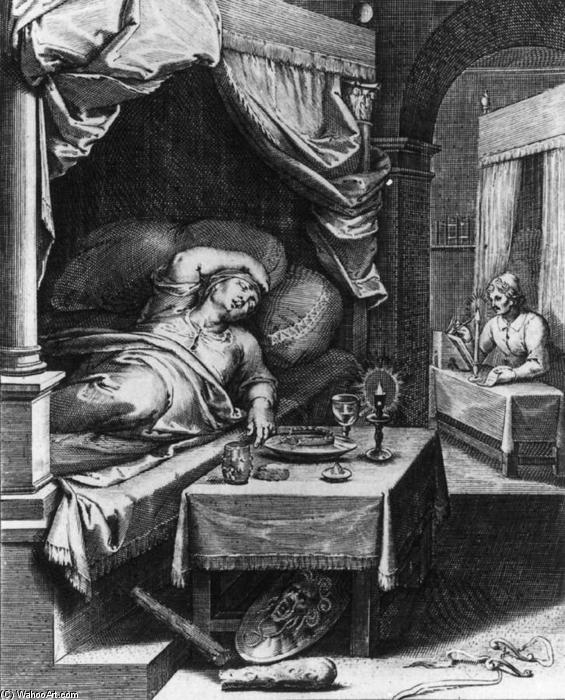
Otto van Veen’s Emblem: A Baroque Meditation on Grief
The engraving “Emblem,” created by Otto van Veen in 1607, stands as a testament to the artistic fervor of the Baroque period—a time marked by dramatic emotion and opulent visual grandeur. More than just a depiction of imagery, it's an immersive experience into the spiritual anxieties of its era, skillfully rendered with meticulous detail and imbued with profound symbolic resonance. This artwork resides within the North Carolina Museum of Art’s collection (Object Number: NCMA 1987.36), offering visitors a glimpse into the artistic sensibilities of Flemish Baroque art. ### Artistic Style and Technique – The Language of Emotion Van Veen's approach to engraving exemplifies the stylistic conventions prevalent during his time. Characterized by thick, expressive linework—primarily hatching and cross-hatching—the artist prioritizes conveying emotion over strict realism. Unlike Renaissance artists who sought idealized representations, Baroque painters like Van Veen embraced dramatic chiaroscuro (light and shadow), amplifying visual impact and fostering a palpable sense of sorrow. The engraving utilizes a burin tool to carve lines into a metal plate, transferring ink onto paper with remarkable precision—a technique that allowed for nuanced tonal gradations and heightened textural qualities. This careful execution contributes significantly to the artwork’s overall mood and reinforces its thematic concerns. ### Historical Context – Faith Amidst Turbulent Times “Emblem” emerged during a period of intense religious upheaval in Europe, specifically within the Low Countries. The Protestant Reformation had irrevocably fractured Christendom, sparking conflicts between Catholic and Protestant factions. Van Veen's artistic milieu was profoundly influenced by this turbulent landscape; he worked alongside humanist thinkers like Dominicus Lampsonius and Jean Ramée who championed classical learning and challenged traditional dogma. This intellectual climate fostered a preoccupation with mortality—a central theme explored in “Emblem”—reflecting anxieties about divine judgment and the fragility of human existence. The engraving’s solemn composition speaks to the spiritual fervor of its time, mirroring broader societal concerns regarding faith and morality. ### Symbolism – Death, Mourning, and Divine Lamentation The artwork's visual elements are laden with symbolic significance. At its core lies a reclining figure—likely representing Christ—surrounded by attendants who convey grief and sorrow. The opulent drapery and furnishings serve as emblems of wealth and status, yet simultaneously underscore the pervasive atmosphere of loss. The pyramidal structure of the image draws the viewer’s gaze upwards towards the central figure, emphasizing spiritual contemplation. Furthermore, the scene evokes themes of biblical lamentation—a common motif in Baroque art—reflecting a belief in divine compassion amidst human suffering. Each carefully positioned element contributes to the artwork's overarching narrative and invites viewers to contemplate profound existential questions. ### Emotional Impact – A Window into Baroque Soul Ultimately, “Emblem” succeeds in capturing the emotional intensity characteristic of Baroque art. The dramatic lighting casts deep shadows that heighten the mood of despair, while the meticulous linework conveys a palpable sense of sorrow and solemnity. Viewing this engraving is akin to stepping into a darkened chapel—a space designed for contemplation and reverence. It’s an artwork that transcends mere visual representation; it communicates profound spiritual truths through masterful technique and evocative imagery. Like Gerard Seghers' “Christ and the Penitent Sinners,” (NCMA 1987.36), “Emblem” exemplifies the Baroque preoccupation with conveying emotion and exploring themes of faith and mortality—a legacy that continues to inspire artists and collectors today.الأسئلة والأجوبة
ما هو الحجم الموصى به لطباعة "Emblem"؟
يُنصح بطباعة "Emblem" بحجم Large. تتوفر أحجام أخرى بنفس النسب.
ما هو اللون الطاغي على تكوين "Emblem" للفنان أوتو فان فين؟
يُعد اللون Phthalo Green (#252525) هو اللون الطاغي في لوحة "Emblem" للفنان أوتو فان فين.
ما هي المواد المستخدمة في صنع "Emblem"؟
تعتمد التقنية المستخدمة في "Emblem" للفنان أوتو فان فين على Engraving. وتهدف النسخ المطبوعة إلى محاكاة مظهر هذه التقنية.
نبذة عن الفنان
حياة جسرت الهوة بين عصر النهضة والباروك: عالم أوتو فان فين
يحتل أوتو فان فين مكانة ساحرة في تاريخ الفن، وهو اسم يتردد صداه بأصداء الإبداع في أواخر القرن السادس عشر وأوائل القرن السابع عشر. ولد فان فين حوالي عام 1556 في مدينة ليدن بهولندا، ونشأ في عائلة مرموقة حيث شغل والده منصب العمدة، فكانت حياته مزيجاً من التحولات السياسية والتطور الفني. لقد شكلت التوترات الدينية التي عصفت بالأراضي المنخفضة خلال شبابه مساره بشكل عميق؛ إذ لم يكن انتقال عائلته إلى أنتويرب عام 1لسنة 1572، مدفوعين بإيمانهم الكاثوليكي وسط موجة صاعدة من البروتستانتية، مجرد تغيير جغرافي فحسب، بل كان نقطة تحول في تكوينه الفكري والفني. هذا الانتقال وضعه في مواجهة شخصيات مؤثرة مثل دومينيكوس لامبسونيوس وجان راميه، مما وضع حجر الأساس لمسيرة مهنية غارقة في المبادئ الإنسانية والعلوم الكلاسيكية. ثم جاءت رحلته اللاحقة إلى روما حوالي عام 1574 أو 1575 لتكون المحطة الأهم؛ فمن خلال انغماسه في قلب عصر النهضة الإيطالي، امتص الفروق الأسلوبية الدقيقة التي ستحدد ملامح أعماله الناضجة، من أناقة ورقي في التكوين وتركيز على الأشكال المثالية التي تميز المدرسة "المانيرية". ورغم أن المدى الدقيق لتتلمذه في روما لا يزال محل نقاش بين العلماء، مع إشارة البعض إلى فترة تحت إشراف فيديريكو زوكاري، إلا أن أثر تلك التجربة يظل عصياً على الإنكار.الرعاية، والتعليم، وصياغة عبقرية فنان
بمجرد عودته من إيطاليا، فرض فان فين نفسه سريعاً كفنان مطلوب بشدة، حيث ضمنت موهبته الحصول على منصب رسام البلاط لألكسندر فارنيزي، دوق بارما وحاكم الأراضي المنخفضة الجنوبية في بروكسل. لم توفر له هذه الرعاية الاستقرار المادي فحسب، بل فتحت له أبواب الوسط الفني الراقي وأتاحت له فرص تنفيذ تكليفات فنية ضخمة. وفي عام 1593، نال مرتبة "معلم" في نقابة القديس لوقا في أنتويرب، مما عزز مكانته المهنية. ومع ذلك، فإن إرث فان فين يمتد إلى ما هو أبعد من لوحاته الخاصة؛ فهو مرتبط ارتباطاً وثيقاً بمسيرة أحد أشهر أساتذة تاريخ الفن: بيتر بول روبنز. فمنذ عام 1594 أو 1595 وحتى عام 1598، عمل فان فين معلماً لروبنز، حيث غرس في الفنان الشاب تعليماً كلاسيكياً صارماً وتقديراً عميقاً للمبادئ الإنسانية. كانت هذه التوجيهات حاسمة في تشكيل الإطار الفكري والحس الفني لروبنز، واضعةً اللبنات الأولى لانتصاراته المستقبلية. لم يكتفِ فان فين بنقل المهارات التقنية فحسب، بل صاغ رؤية للعالم تؤكد على دمج الفن والأدب والفلسفة، وهي السمة التي ميزت نتاج روبنز الغزير لاحقاً. وخلال هذه الفترة، اضطلع فان فين أيضاً بالعديد من التكليفات الدينية، مزيناً الكنائس بلوحات المذابح والمصليات، مما أظهر براعته وسمعته المتنامية كفنان ماهر وموثوق.السنوات الأخيرة والأثر الخالد
حتى عندما بدأت الأذواق الفنية تتحول نحو الديناميكية التي ميزت عصر الباروك، استمر فان فين في التألق؛ حيث حافظ على علاقاته مع الأرشيدوق ألبرت وإيزابيلا، رغم عدم شغله لمنصب رسمي في البلاط. ومن أبرز أعماله في تلك الفترة سلسلة من اثنتي عشرة لوحة تصور المعارك بين الرومان والباتافيين، بتكليف من الجمعية العامة الهولندية بناءً على محفورات أنتجها سابقاً، مما يبرهن على قدرته الفائقة على التكيف مع المتغيرات السياسية وتلبية الطلبات الفنية المتنوعة. وطوال مسيرته، ظل فان فين عضواً فاعلاً في المجتمع الفني في أنتويرب، حيث شغل منصب عميد نقابة القديس لوكا (1602) وعميد الرومانيين (1606). لقد جاء من عائلة تفيض بالمواهب؛ فأخوه جيسبرت كان محفوراً بارعاً، وابنته غيرترود سلكت طريق الرسم، كما عمل العديد من أبناء إخوته كفنانين للرسم بالألوان المائية (الباستيل). توفي أوتو فان فين في بروكسل عام 1629، تاركاً وراءه إرثاً يتجاوز حدود أعماله الشخصية. وقد وصفه المؤرخ الفني الهولندي الشهير أرنولد هوبراكن بأنه الفنان والعالم الأكثر إبهاراً في عصره، حتى أنه وضع صورته على صفحة العنوان لكتابه المؤثر De Groote Schouburgh. إن أهميته الخالدة لا تكمن فقط في إنجازاته الفنية، بل في دوره المحوري كمعلم وملهم – لاسيما لبيتر بول روبنز – ومساهمته في التيارات الفكرية والفنية لعصره، ليظل شخصية ملهمة جسرت الفجوة بين عصري النهضة والباروك، وجسدت مثالية الفنان الإنساني، وتركت بصمة لا تُمحى في تاريخ الرسم الفلمنكي.
أوتو فان فين
1556 - 1629 , هولندا
لمحة سريعة
- Artistic Movement Or Style: المانيرية
- Artists Or Movements Influenced By This Artist: ['بيتر بول روبنز']
- Artists Who Influenced This Artist: ['فيديريكو زوكاري']
- Date Of Birth: 1556
- Date Of Death: 1629
- Full Name: أوتو فان فين
- Nationality: فلمنكي
- Notable Artworks:
- الباثافيون يهزمون الرومان
- مفاوضات السلام
- برينو يُرفع على درع
- رموز الحب
- Place Of Birth: ليدن، هولندا
مقالات ذات صلة

أعمال ريمبراند فان راين الخالدة: 25 تحفة فنية آسرة لديكور منزلك
اكتشف 25 تحفة فنية لريمبراند فان راين، رائد العصر الذهبي الهولندي. استكشف قصص لوحاته الشهيرة وتقنيات الرسم المذهلة. احصل على إعادة إنتاج عالية الجودة لديكور منزلك الفاخر على OriginalUniqueArt.com

فلسفة الضوء والظل: أسرار الدراما والجمال في فنون العصر الباروكي
اكتشف أسرار تقنية التشياروسكورو ودراما الضوء في عصر الباروك مع تحليل الخبراء. استمتع برحلة بصرية عبر روائع رامبرانت وكارافاجيو الآن.
Engraving's Golden Age: 10 Masterpieces That Redefined Art | OriginalUniqueArt
Journey through art history with our Top 10 Legendary Engravings! Explore masterpieces by Dürer, Rembrandt & Goya. Discover the stories behind these iconic prints and find museum-quality reproductions for your home at OriginalUniqueArt.com.

Baroque Classicism: The Grandeur of Order and Drama in 17th-Century Art History
Explore the profound elegance of Baroque Classicism. Discover how 17th-century masters synthesized dramatic emotion with classical order through the lens of the Counter-Reformation and the works of legends like Carlo Maratta and Andrea Sacchi.
Masterpieces of the 17th Century: Art, History & Decor Inspiration | OriginalUniqueArt
Journey through 17th century art with masterpieces by Rembrandt, Vermeer & Caravaggio. Explore Baroque paintings, Dutch Golden Age techniques & timeless beauty. Find museum-quality reproductions and elevate your home decor on OriginalUniqueArt.com.