

 إرسال
إرسال مشاركة
 عرض التفاصيل
 دليل الأعمال الفنية للطلاب

 تحميل
تحميل
 قطع مشابهة
 عرض شرائح متتابع
 الإحصائيات
Thomas Fenton


 اقرأ المزيد
نسخة زيتية مصنوعة يدوياً
لوحة زيتية مرسومة يدوياً على الكانفاس بالمقاس والإطار الذي تفضله، تُنفذ حسب الطلب على أيدي فنانينا. ( التبديل إلى المطبوعات التحويل إلى الصورة الرقمية)




































اختر من بين أحجامنا المُعدّة مسبقاً والتي تتوافق مع النسب الأصلية للعمل الفني.

يمكنك إدخال أبعاد خاصة لتناسب إطاراً أو مساحة معينة. وفي حال عدم تطابق الحجم المختار مع نسب الصورة الأصلية، سنقوم إما بقص العمل الفني أو توسيع اللوحة عبر إضافة عناصر مرسومة يدوياً. وسيتم إرسال نموذج رقمي إليك للموافقة عليه قبل بدء عملية الإنتاج.
يرجى ملاحظة أن المعاينة على الشاشة لا تعكس عملية القص أو التوسيع الفعلية؛ إذ إن النموذج الرقمي هو الوحيد الذي يوضح التكوين النهائي بدقة.
وعلى الرغم من توفر أحجام مخصصة، إلا أننا نوصي باختيار أبعاد من القائمة المحددة مسبقاً للحفاظ على النسب الأصلية للعمل الفني.
بعد إتمام الطلب، سيرسل فريق OriginalUniqueArt.com بريداً إلكترونياً للعميل لطلب التعليمات وتزويده بمعاينة تجريبية (mockup).
توصيل عالمي إلى خلال 3 إلى 4 أسابيع بدلاً من المدة المعتادة البالغة 5 أسابيع. (26 سبتمبر). جودة لا تهاون فيها.

شحن سريع ومجاني لجميع أنحاء العالم

قماش كتان فاخر

تأمين شامل على الشحن

ضمان استرداد الرسوم الجمركية

ضمان دقة مطابقة الألوان

سياسة الإرجاع خلال 100 يوم (في حالات العيوب فقط)

ضمان استرداد نقدي بنسبة 100%

عرض خصم الكميات
 خيار الزجاج متاح فقط للمقاسات التي تقل عن 110 سم

Thomas Fenton
وسيط إعادة الإنتاج
مقاس النسخة المطبوعة
-


إجمالي السعر
$ 300
Thomas Fenton by Olin Levi Warner: A Portrait of Quiet Contemplation
“Thomas Fenton,” sculpted by Olin Levi Warner in 1878, is a remarkable plaster sculpture housed within the Smithsonian American Art Museum's esteemed collection. This piece exemplifies Warner’s mastery of classical sensibilities and his keen eye for capturing nuanced human expression. It offers viewers a glimpse into late 19th-century portraiture and the artistic skill of a prominent American sculptor.
The Artist: Olin Levi Warner
Olin Levi Warner (1844-1896) was an American sculptor who honed his craft through rigorous training in Paris at the École des Beaux-Arts. He studied under François Jouffroy and served as an assistant to the renowned Jean-Baptiste Carpeaux, absorbing invaluable techniques and artistic philosophies. Returning to America, Warner established himself as a leading figure in the art scene, founding the Society of American Artists and becoming an associate of the National Academy of Design. His work is characterized by its classical influences, restrained style, and exceptional attention to detail, all evident in “Thomas Fenton.” Warner’s later years were marked by a dedication to capturing Native American subjects, further demonstrating his artistic range.
A Detailed Examination of "Thomas Fenton"
The sculpture depicts a man with a distinguished appearance – a beard and spectacles suggest intellect and perhaps age. Warner masterfully captures a sense of quiet contemplation in the subject’s expression. The level of detail is striking; one can almost feel the texture of the hair and skin through the artist's skillful rendering. Key features include:
- Material: Plaster
- Date: 1878
- Collection: Smithsonian American Art Museum
- Style: Classical Realism
The sculpture’s composition is simple yet effective, focusing entirely on the head and shoulders of the subject. This allows for a concentrated exploration of facial features and expression, creating an intimate connection between the viewer and the portrayed individual.
Symbolism and Emotional Impact
"Thomas Fenton" transcends mere representation; it evokes a sense of dignity, introspection, and perhaps even melancholy. The man’s gaze suggests deep thought, inviting viewers to ponder his story and inner world. Portraiture in this era often served as a means of commemorating individuals and preserving their memory for posterity. Warner's skill elevates "Thomas Fenton" beyond a simple likeness; it becomes a poignant reflection on the human condition.
Reproductions and Legacy
For those who appreciate the beauty and historical significance of “Thomas Fenton,” OriginalUniqueArt.com offers meticulously crafted, handmade oil painting reproductions. These reproductions allow art enthusiasts to experience Warner’s artistry in their own homes while preserving the integrity of the original artwork. The Smithsonian American Art Museum diligently conserves "Thomas Fenton," ensuring its preservation for future generations. Olin Levi Warner's legacy continues through his impactful sculptures, including this compelling portrait that exemplifies classical realism and artistic excellence.
نبذة عن الفنان
نحات الظلال والضوء: حياة أولينا ليفي وارنر
في سجلات النحت الأمريكي في أواخر القرن التاسع عشر، قليل هي الأسماء التي تستحضر ذلك التوازن الدقيق بين العظمة الكلاسيكية والواقعية الحميمة بذات التأثير الوجداني الذي يتركه اسم أولينا ليفي وارنر. ولد وارنر عام 1844 في بلدة سوفيلد الهادئة بولاية كونيتيكت، وحمل في سلالته إرثاً من الثقل التاريخي، كونه من نسل بطل الحرب الثورية سيث وارنر. ولعل هذا الارتباط العريق بالأسطورة الأمريكية قد رسم مسبقاً مسار تفانيه مدى الحياة في فن التخليد والذكرى. وقبل أن يمسك بإزميله لينحت الرخام أو البرونز، كانت يدا وارنر قد ألفتا متطلبات العصر الحديث؛ حيث منحت سنواته الأولى كحرفي ومشغل تلغراف دقة منضبطة وفريدة من نوعها—وهي براعة تقنية ستحدد لاحقاً التفاصيل الدقيقة لتحفه النحتية الخالدة.
لقد تحول مسار حياة وارنر بشكل لا رجعة فيه في عام 1869 عندما سعى وراء الروح الفنية لأوروبا. ومع وصوله إلى باريس، انغمس في الأجواء الأكاديمية الصارمة لـ المدرسة الوطنية العليا للفنون الجميلة. وتحت رعاية فرانسوا جوفري، بدأ وارنر في إتقان لغة الشكل الكلاسيكي، ولكن ارتباطه بالأسطورة جان باتيست كاربو هو ما أشعل روحه الإبداعية حقاً. فمن كاربو، تعلم وارنر كيفية ضخ الحيوية والحركة في التقاليد الجامدة للنحت الأكاديمي، وهي السمة الأسلوبية التي سمحت له ليس فقط بالتقاط ملامح الشخصية، بل بجوهرها العميق. وحتى اضطرابات الحرب الفرنسية البروسية لم تستطع عرقلة تطوره الفني؛ فبعد انضمامه إلى الفيلق الأجنبي، خرج من صراعات الحرب بعزيمة أعمق لنقل الفروق الدقيقة والمتطورة للنحت الفرنسي إلى التربة الأمريكية.
إرث في البرونز والنحت البارز
عند عودته إلى مدينة نيويورك عام 1872، رسخ وارنر مكانته كرائد لوسيط فني ساحر ومحدد: ميدالية الصور الشخصية بنمط النحت البارز. وبينما ركز العديد من معاصريه على النطاق الضخم للتماثيل العملاقة، وجد وارنر تعبيراً عميقاً في الخطوط الضحلة والأنيقة لأعمال النحت البارز. إن قدرته على التلاعب بالضوء والظل عبر أسطح البرونز والجبس سمحت له بابتكار صور شخصية تبدو خالدة وشخصية للغاية في آن واحد. وتتجلى هذه البراعة بأوضح صورها في أعمال مثل "توماس فينتون"، وهو منحوت جبسي من عام 1878 يستعرض قدرته الفائقة على تجسيد التعبيرات البشرية الدقيقة، ملتقطاً إحساس التأمل الفكري الهادئ من خلال الملامس الناعمة للشعر والجلد.
لم تكن المجموعة الفنية لوارنر أحادية الجانب؛ فبينما كان سيد المدرسة الكلاسيكية الجديدة، كشفت استكشافاته اللاحقة عن تعاطف عميق مع النسيج المتنوع للتجربة الأمريكية. وقد أدت رحلاته إلى الأراضي الشمالية الغربية إلى شغف تحولي بثقافة السكان الأصليين لأمريكا. وأسفرت هذه الفترة عن بعض أكثر إنجازاته تأثيراً، بما في ذلك النحت البرونزي البارز لعام 1891 الذي يصور الزعيم يا تين إي آه ويتز من قبيلة كايوس. في هذه الأعمال، تجاوز وارنر مجرد التوثيق؛ بل استخدم تقنيته الرفيعة لمنح موضوعاته شعوراً بالكرامة والوقار والديمومة التاريخية، جسراً يربط بين التقاليد الأوروبية الكلاسيكية والواقع الخام والقوي للحدود الأمريكية.
الرفعة الفنية والأهمية التاريخية
تتجاوز أهمية أولينا ليفي وارنر بكثير الأشياء المادية التي تركها وراءه. فقد كان شخصية تأسيسية في مأسسة الفن الأمريكي، ولعب دوراً حيوياً في إنشاء المجتمعات الفنية المهنية. وقد رسخت مساهماته في المنظمات التالية مكانته كقائد لجيله:
- جمعية الفنانين الأمريكيين: بصفته مؤسساً لهذه المجموعة المؤثرة في عام 1877، ساعد وارنر في خلق منصة للفنانين للتجاوز عن القيود المحافظة وتبني أساليب أكثر حداثة وتعبيرية.
- الأكاديمية الوطنية للتصميم: عكس انتماؤه لهذه المؤسسة المرموقة مكانته الرفيعة بين كبار ممارسي النحت الأمريكي.
وعلى الرغم من أن حياته انتهت مبكراً في عام 1896، إلا أن تأثير وارنر لا يزال محفوراً في البرونز والجبس في أعرق المجموعات الفنية في العالم، بما في ذلك متحف سميثسونيان للفن الأمريكي ومتحف والترز للفنون. سيظل دائماً شخصية محورية نجحت في ترجمة التقنيات المتطورة لتقليد الفنون الجميلة الفرنسي إلى لغة نحتية أمريكية فريدة—لغة كرمت الماضي من خلال الجمال الدقيق للميداليات الشخصية، بينما كانت تتطلع نحو تمثيل أكثر واقعية وشمولية للإنسانية.
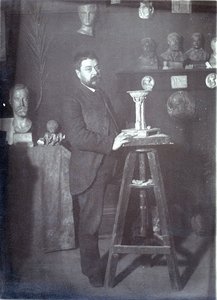
أولين ليفي وارنر
1844 - 1896 , الولايات المتحدة الأمريكية
لمحة سريعة
- Artistic Movement Or Style: النحت البارز (Bas relief)
- Artists Or Movements Influenced By This Artist: ['النيوكلاسيكية']
- Artists Who Influenced This Artist: ['جان باتيست كاربو']
- Date Of Birth: سوفيلد، الولايات المتحدة
- Date Of Death: 1896
- Full Name: أولين ليفي وارنر
- Nationality: أمريكي
- Notable Artworks:
- توماس فينتون
- صورة رجل
- Place Of Birth: كونيتيكت
مقالات ذات صلة

Bronze Age to Modern Masters: 10 Sculptures That Redefined Art | OriginalUniqueArt
Journey through art history with 10 legendary bronze sculptures – from Michelangelo's David to Rodin’s Thinker. Explore the stories, techniques & timeless beauty of these masterpieces. Find museum-quality reproductions & elevate your home decor on OriginalUniqueArt.com.

The Enduring Form: Sculpture Across History, Technique & Emotional Resonance
Explore the rich history of sculpture with OriginalUniqueArt. Discover key techniques, influential artists & investment potential for discerning collectors. Expert insights into valuing and collecting timeless masterpieces.

The Enduring Form: Exploring Themes & Techniques in Sculpture Across Historical Periods
Explore the rich history of sculpture from ancient masterpieces to contemporary innovations. Discover key techniques, influential artists & investment potential for discerning art collectors.

Bronze Sculptures That Defined Art History | OriginalUniqueArt
Journey through art history with our Top 10 bronze sculptures! Explore masterpieces by Rodin, Michelangelo & more. Discover stories behind iconic statues and find museum-quality reproductions for your home decor at OriginalUniqueArt.com.
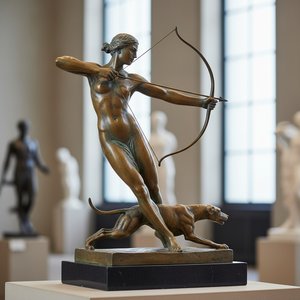
Paul Manship: Reassessing the Master of American Art Deco Sculpture
Explore the captivating world of Paul Manship, a leading figure in American Art Deco sculpture. Discover his iconic works like Prometheus, influence on modernism, and investment potential. Expert insights for collectors.