

 معاينة الحجم الواقعي
 إرسال
إرسال مشاركة
 عرض التفاصيل
 دليل الأعمال الفنية للطلاب

 تحميل
تحميل
 قطع مشابهة
 الأشعة السينية
 عرض شرائح متتابع
 الإحصائيات
الرقص على أنغام الزمن
 زيت على قماش
- فن جداري
- الباروك
 1638
1638- عصر النهضة
 82.0 x 104.0 cm
 المجموعة الملكية
 اقرأ المزيد
طباعة جيلي / مطبوعات فنية
طباعة جيكلي أو كانفاس بجودة المتاحف، مع سرعة في التنفيذ وخيارات متنوعة للتشطيب. ( اطلب نسخة مرسومة يدويًا التحويل إلى الصورة الرقمية)




P118B E£10

P118H E£10

P118W E£10

P438Z E£10

P508JH E£12

P508YH E£12

P805H E£10

P805Z E£10

P919BZ E£10

P919G E£10

P919XJ E£10

P959ZH E£10

P968JZ E£12

W106C E£8

W218G E£10

W218JH E£8

W218Y E£10

W307PJ E£10

W316G E£10

W316PJ E£8

W316Y E£10

W398PJ E£8

W4111J E£10

W500HY E£15

W500JH E£15

W692G E£12

W849H E£8

W940BG E£15

W953PJ E£8




اختر من بين أحجامنا المُعدّة مسبقاً والتي تتوافق مع النسب الأصلية للعمل الفني.

أدخل العرض والارتفاع اللذين تحتاجهما، ليتناسب مع إطارك أو جدارك. يمكن قص المطبوعة فقط، ولا يمكن أبداً جعلها أكبر من الصورة الأصلية، لذا فإن أي مقاس بشكل مختلف سيؤدي إلى فقدان جزء من الصورة. سنرسل لك نموذجاً رقمياً تجريبياً لاعتماده قبل البدء في عملية الطباعة. الصورة المعروضة في هذه الصفحة لا توضح القص الفعلي — النموذج التجريبي فقط هو ما يظهر ذلك.
توصيل عالمي إلى خلال أسبوعين بدلاً من المدة القياسية البالغة 4/5 أسابيع. (26 أكتوبر)

شحن سريع ومجاني لجميع أنحاء العالم

قماش كتان فاخر

تأمين شامل على الشحن

ضمان استرداد الرسوم الجمركية

ضمان دقة مطابقة الألوان

سياسة الإرجاع خلال 100 يوم (في حالات العيوب فقط)

ضمان استرداد نقدي بنسبة 100%

عرض خصم الكميات
 خيار الزجاج متاح فقط للمقاسات التي تقل عن 110 سم

الرقص على أنغام الزمن
طباعة جيلي / مطبوعات فنية
مقاس النسخة المطبوعة
-


إجمالي السعر
E£ 4140
A Dance Through Time: Poussin’s Masterpiece Unveiled
Nicolas Poussin's "Dance to the Music of Time," painted in 1638, isn’t merely a depiction of a festive gathering; it’s an intricate allegory woven with threads of classical philosophy, Renaissance ideals, and a profound meditation on the human condition. Initially commissioned by Cardinal Giulio Rospigliosi – later Pope Clement IX – the painting quickly transcended its initial purpose to become one of the most celebrated works in the Wallace Collection in London, captivating viewers for centuries with its serene beauty and layered symbolism. Poussin, already establishing himself as a leading figure in the burgeoning classical style of French Baroque art, masterfully blended the grandeur of Roman antiquity with a distinctly modern sensibility, creating an image that continues to resonate deeply today. The scene unfolds outdoors, bathed in the soft light of dawn, suggesting a liminal space between day and night, chaos and order – mirroring the very essence of time itself.The Composition: A Harmonious Circle
At first glance, "Dance to the Music of Time" presents a seemingly simple tableau: a group of elegantly dressed figures engaged in a graceful dance before a stately statue. However, closer observation reveals a meticulously constructed composition governed by principles of balance and proportion, hallmarks of Poussin’s classical training. Nine individuals populate the scene, each rendered with exquisite detail and imbued with distinct character. They are not simply dancers; they represent stages of human existence – Poverty, Labour, Wealth, and Pleasure – locked in an eternal cycle, guided by Time himself, who plays a lyre, orchestrating their movements. The statue at the center serves as a silent witness to this ongoing drama, embodying timelessness and order amidst the fleeting nature of earthly pursuits. Notice how Poussin uses diagonal lines to draw the eye through the composition, creating a sense of movement and dynamism within the overall stillness. The careful arrangement of figures, their gestures, and their interactions contribute to a harmonious whole, reflecting the artist’s belief in the inherent beauty and order of the universe.Symbolism: Echoes of Antiquity and Renaissance Thought
The painting is rich with symbolic meaning, drawing heavily from classical mythology and philosophical concepts. Time, depicted as an elderly figure playing a lyre, represents the relentless passage of time and its influence on human affairs. The four dancers embody the stages of life – Poverty, Labour, Wealth, and Pleasure – each representing a distinct aspect of the human experience. The statue at the center is often interpreted as representing Justice or Reason, acting as a moral compass guiding humanity through this cyclical journey. Furthermore, the inclusion of Aurora, the goddess of dawn, symbolizes new beginnings and the promise of renewal. The painting’s iconography also references Nonnus' Hymn to the Seasons, a Greek poem that provides a framework for understanding the relationships between these four figures. Poussin skillfully integrates elements from both classical antiquity and Renaissance humanism, creating an image that speaks to universal themes of mortality, aspiration, and the pursuit of happiness.Technique and Artistic Significance: A Masterclass in Light and Color
Poussin’s mastery is evident in his meticulous rendering of light and color. He employs a technique known as *chiaroscuro*, using dramatic contrasts between light and shadow to create depth, volume, and atmosphere. The soft, diffused light of dawn bathes the figures in a warm glow, while subtle shadows define their forms and enhance their sense of presence. Poussin’s use of color is equally refined, with muted tones and delicate gradations creating a harmonious palette that evokes a sense of serenity and timelessness. His brushwork is remarkably smooth and controlled, contributing to the painting's overall sense of elegance and refinement. “Dance to the Music of Time” stands as a pivotal work in Poussin’s oeuvre and a cornerstone of French Baroque art, demonstrating his ability to synthesize classical ideals with contemporary sensibilities. It influenced generations of artists who followed, shaping the course of Western art history.Reproductions Available at OriginalUniqueArt: Bringing Poussin's Vision to Life
For those captivated by the beauty and profound symbolism of "Dance to the Music of Time," handmade oil painting reproductions are available at OriginalUniqueArt. These meticulously crafted replicas capture the essence and detail of the original masterpiece, allowing you to bring Poussin’s timeless vision into your home or studio. Each reproduction is created by skilled artisans using traditional techniques and high-quality materials, ensuring that it faithfully reflects the artist's intent. Whether displayed as a statement piece in a grand salon or a subtle accent in a cozy corner, an OriginalUniqueArt reproduction of "Dance to the Music of Time" will serve as a constant reminder of the enduring power of art to inspire contemplation and evoke emotion. Explore our collection today and discover the perfect way to celebrate this iconic work of art.- Harlequin and Columbine by Jean Antoine Watteau
- Gilles and his Family by Jean Antoine Watteau
- Marguerite Gérard by François Dumont
الأسئلة والأجوبة
إلى أي عصر يعود "الرقص على أنغام الزمن"؟
تنتمي "الرقص على أنغام الزمن" إلى عصر عصر النهضة.
في أي عام تم إبداع "الرقص على أنغام الزمن" للفنان نيكولا بوزان؟
يعود تاريخ إبداع "الرقص على أنغام الزمن" للفنان نيكولا بوزان إلى عام 1638.
كيف يتناسب عمل "الرقص على أنغام الزمن" مع موضوعات نيكولا بوزان وأسلوبه الفني؟
ضمن نتاج نيكولا بوزان الفني، تندرج لوحة "الرقص على أنغام الزمن" ضمن أسلوب الباروك، إلى جانب موضوعات العصور الكلاسيكية القديمة, عصر النهضة الإيطالي, رقة رافائيل, نظام بوزان, ثقافي, ديني, الحالة الإنسانية, دورات الحظ.
نبذة عن الفنان
نيكولا بوزان: نحات الكلاسيكية الفرنسية ومرشد الأجيال
ولد نيكولا بوزان في قلب نورماندي، بالقرب من مدينة أنديليس الساحرة، عام 1594، ليمثل نقطة تحول حاسمة في مسار الفن الفرنسي. لم يكن مجرد رسام، بل كان مفكرًا وفيلسوفًا عبر لوحاته، حيث أسس تقليد الكلاسيكية الفرنسية الذي سيؤثر في أجيال من الفنانين. على الرغم من أن سنواته الأولى ظلت غامضة بعض الشيء، إلا أنه سرعان ما اتضح أن موهبته الفنية كانت كامنة بداخلة، لتتفتح تحت إشراف كوينتن فارين، رسام الرحلات الذي اكتشف قدراته ووجهه نحو عالم الألوان والأشكال. رحلة بوزان إلى روما عام 1624 لم تكن مجرد انتقال جغرافي، بل كانت بمثابة رحلة روحية وفنية عميقة، حيث غرق في ينابيع الحضارة الكلاسيكية القديمة، مستلهمًا من آثارها العظيمة ومن أعمال الرسامين الإيطاليين أمثال رافائيل وتيتيان.روما: بوتقة التحول الفني
في روما، ازدهرت موهبة بوزان وتطورت بشكل ملحوظ. لم يكن يقتصر على مجرد نسخ الأساليب الكلاسيكية، بل كان يسعى إلى إعادة تفسيرها ودمجها في رؤيته الخاصة. انخرط في دائرة فكرية نابضة بالحياة، بقيادة كاسيانو دال بوزو، وهو عالم آثار وفيلسوف جمع بينه وبين بوزان شغف بالثقافة الكلاسيكية. أثرت هذه العلاقة بشكل كبير على عمل بوزان، حيث تعلم منه أهمية الدقة التاريخية والالتزام بالتفاصيل الأثرية. ابتعد بوزان عن الزخرفة المفرطة التي ميزت بعض فناني عصر الباروك، مفضلاً الوضوح والتوازن والتركيز على التكوين الخطي. درس أعمال رافائيل بعناية فائقة، مستلهمًا من تناغم ألوانه وتوزيع الأشكال في لوحاته، مع الحفاظ على هويته الفنية الفريدة.مواضيع التاريخ والأساطير والروحانية
تنوعت مواضيع بوزان بشكل كبير، إلا أنها اتسمت جميعها بالتزام عميق بالمبادئ الكلاسيكية. رسم مشاهد من التاريخ القديم، مثل مأساة جرمانيكوس، معبراً عن الوقار والشجاعة في مواجهة القدر المحتوم. لم تكن لوحاته الأسطورية مجرد إعادة سرد للقصص المألوفة، بل كانت استكشافات عميقة للطبيعة البشرية، مليئة بالرموز والمعاني الخفية. سلسلة "أركاديا"، وخاصةً لوحة "وإلى أركاديا أنا أيضاً"، أصبحت رمزاً لفلسفته حول الزوال والذاكرة الدائمة. كما لم يغفل بوزان عن المواضيع الدينية، حيث قدم لنا سلسلة "السبع طقوس" التي تجسد فهمه العميق للدين وقدرته على التعبير عن الروحانية من خلال تكوينات متوازنة وخطوط واضحة. حتى في لوحات المناظر الطبيعية الواسعة، سعى إلى تحقيق الانسجام والتوازن بين الواقع والخيال، لخلق رؤى تبعث على السكينة والهدوء.إرث فني خالد
على الرغم من قضاء معظم حياته المهنية في الخارج، ترك نيكولا بوزان بصمة لا تمحى على الفن الفرنسي. عاد لفترة وجيزة إلى باريس عام 1640 بناءً على طلب الكاردينال ريشيليو، حيث عُيّن رساماً أول للking، لكنه سرعان ما عاد إلى روما، حيث واصل عمله حتى وفاته عام 1665. ساهم التزامه بالمبادئ الكلاسيكية في وضع معايير التدريب الفني والممارسة في فرنسا، وأثر في أجيال من الفنانين الذين ساروا على دربه. أصبح شخصية بارزة في الأكاديمية الملكية للرسم والنحت، مما رسخ مكانته كركيزة أساسية في الكلاسيكية الفرنسية. اعترف فنانون مثل جاك لويس ديفيد وبول سيزان بجميل تعليمه وأفكاره، مما يدل على أن إرثه يتجاوز مجرد التقليد الأسلوبي؛ فهو يمثل التزاماً بالترتيب والوضوح وقوة المثل العليا الكلاسيكية - شهادة لفنان سعى ليس فقط إلى تصوير العالم بل إلى الارتقاء به من خلال عدسة العقل والجمال.- أعمال بارزة: *موت جرمانيكوس*, *سلسلة السبع طقوس*, *طريق روماني*, *أوريون الأعمى يبحث عن الشمس*, *الفصول*.
- خصائص رئيسية: تكوين كلاسيكي، خطية، مواضيع تاريخية وأسطورية، مناظر طبيعية هادئة.

نيكولا بوزان
1594 - 1665 , فرنسا
لمحة سريعة
- أعمال فنية بارزة:
- وفاة جيرمانيكوس
- سلسلة الأسرار المقدسة
- طريق روماني
- أوريون الأعمى
- الفصول
- الاسم الكامل: نيكولا بوزان
- الجنسية: فرنسي
- الحركة الفنية: باروكي، كلاسيكية
- تاريخ الميلاد: يونيو 1594
- حركات فنية متأثرة:
- جاك لويس ديفيد
- بول سيزان
- فنانون مؤثرون:
- رافائيل
- تيتيان
- مكان الميلاد: لو هافر، فرنسا
مقالات ذات صلة
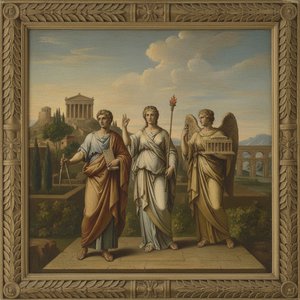
Nicolas Poussin: Classicism, Allegory & Order in 17th-Century French Painting
Explore the life & work of Nicolas Poussin, a master of French Classicism. Discover his allegorical paintings, Roman influences, and enduring impact on art history. Expert analysis & insights.

دراما الباروك: إحياء الفخامة والعاطفة في الدواخل المعاصرة
اكتشف سحر الباروك! دليل شامل حول الحركة الفنية، عناصرها الجمالية، وكيفية دمج فخامتها وعاطفتها في الدواخل المعاصرة. نصائح من خبراء OriginalUniqueArt لإضفاء لمسة باروكية على منزلك.
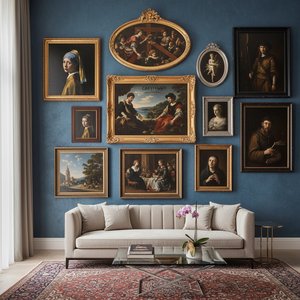
Baroque Painting's Greatest Hits: 10 Masterpieces for Your Home | OriginalUniqueArt
Journey through Baroque painting's glory! Explore 10 masterpieces by Caravaggio, Rembrandt & Vermeer. Discover dramatic lighting, rich colors & timeless stories. Find museum-quality art reproductions for your home at OriginalUniqueArt.com.
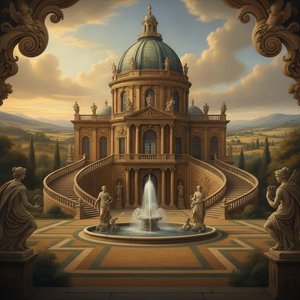
Baroque Classicism: Reconciling Drama & Order in 17th-Century Art
Explore the captivating world of Baroque Classicism! Discover its history, key artists like Caravaggio & Rubens, and defining characteristics. Expert insights & high-quality reproductions at OriginalUniqueArt.
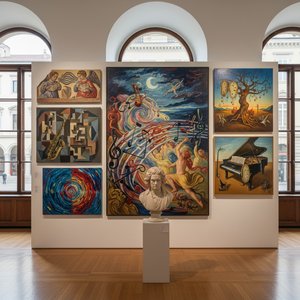
Harmonies on Canvas: Exploring the Visual Representation of Music in Art History
Explore the fascinating history of music's visual representation in art! From ancient symbolism to modern abstraction, discover how artists have captured sound and emotion on canvas. Expert insights & stunning examples.


