

 معاينة الحجم الواقعي
 إرسال
إرسال مشاركة
 عرض التفاصيل
 دليل الأعمال الفنية للطلاب

 تحميل
تحميل
 قطع مشابهة
 الأشعة السينية
 عرض شرائح متتابع
 الإحصائيات
Gethsemane
 Oil On Board
- Neo-Romanticism
 1926
1926- Modern
 42.0 x 32.0 cm
 Bergen Kunstmuseum
 اقرأ المزيد
نسخة زيتية مصنوعة يدوياً
لوحة زيتية مرسومة يدوياً على الكانفاس بالمقاس والإطار الذي تفضله، تُنفذ حسب الطلب على أيدي فنانينا. ( التبديل إلى المطبوعات التحويل إلى الصورة الرقمية)




P118B E£10

P118H E£10

P118W E£10

P438Z E£10

P508JH E£12

P508YH E£12

P805H E£10

P805Z E£10

P919BZ E£10

P919G E£10

P919XJ E£10

P959ZH E£10

P968JZ E£12

W106C E£8

W218G E£10

W218JH E£8

W218Y E£10

W307PJ E£10

W316G E£10

W316PJ E£8

W316Y E£10

W398PJ E£8

W4111J E£10

W500HY E£15

W500JH E£15

W692G E£12

W849H E£8

W940BG E£15

W953PJ E£8




اختر من بين أحجامنا المُعدّة مسبقاً والتي تتوافق مع النسب الأصلية للعمل الفني.

أدخل العرض والارتفاع اللذين تحتاجهما، ليتناسب العمل مع إطارك أو جدارك. وبما أن هذه اللوحة مرسومة يدوياً، ففي حال اختيار مقاس بشكل مختلف، يمكن للفنان رسم مساحة إضافية حول الصورة أو تقليصها قليلاً — الخيار لك. سنرسل لك نموذجاً رقمياً تجريبياً لاعتماده قبل البدء في الرسم. علماً بأن الصورة المعروضة في هذه الصفحة لا تعكس النتيجة النهائية الحقيقية — فالنموذج التجريبي هو الوحيد الذي يوضح ذلك بدقة.
بعد إتمام الطلب، سيرسل فريق OriginalUniqueArt.com بريداً إلكترونياً للعميل لطلب التعليمات وتزويده بمعاينة تجريبية (mockup).
توصيل عالمي إلى خلال 3 إلى 4 أسابيع بدلاً من المدة المعتادة البالغة 5 أسابيع. (21 أكتوبر). جودة لا تهاون فيها.

شحن سريع ومجاني لجميع أنحاء العالم

قماش كتان فاخر

تأمين شامل على الشحن

ضمان استرداد الرسوم الجمركية

ضمان دقة مطابقة الألوان

سياسة الإرجاع خلال 100 يوم (في حالات العيوب فقط)

ضمان استرداد نقدي بنسبة 100%

عرض خصم الكميات
 خيار الزجاج متاح فقط للمقاسات التي تقل عن 110 سم

Gethsemane
وسيط إعادة الإنتاج
مقاس النسخة المطبوعة
-


إجمالي السعر
E£ 15490
A Visionary Encounter in the Norwegian Garden
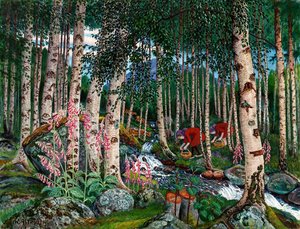
In the quiet, evocative depths of Nikolai Astrup’s 1926 masterpiece, Gethsemane, the boundaries between biblical history and the intimate landscapes of Norway begin to dissolve. While the title refers to the sacred garden in Jerusalem where Christ faced his darkest hour, Astrup performs a profound act of artistic localization. He transports this monumental moment of spiritual agony into the familiar, lush surroundings of the parsonage garden in Ålhus. This is not merely a religious illustration; it is a dreamlike fusion of the divine and the terrestrial. The viewer is invited into a space where the heavy atmosphere of the crucifixion narrative meets the verdant, mystical textures of the West Norwegian landscape, creating a scene that feels both ancient and deeply personal.
The composition breathes with a sense of quiet drama, capturing a moment of profound transition. As the eye wanders through the painting, one encounters a scene that oscillates between a somber historical event and a visionary hallucination. The presence of figures—some appearing caught in the weight of the narrative, others seemingly lost in a trance-like state—suggests a world where the veil between reality and the supernatural is perilously thin. This sense of mystery is heightened by the scattered birds that drift through the sky and perch upon the landscape, acting as silent witnesses to the unfolding drama. For the collector or designer, this piece offers more than just a subject; it offers an atmosphere of contemplative depth that can anchor a room with its soulful, introspective energy.
Technique and the Language of Light
Astrup’s technical mastery is evident in his use of oil on cardboard, a medium that allows for a rich, concentrated application of pigment. His style, rooted in Neo-Romanticism, eschews clinical realism in favor of an intense, emotive color palette. The textures are tactile and layered, reflecting the artist's lifelong obsession with the "visual language" of his homeland. He employs light not just to illuminate form, but to evoke mood; the shadows are deep and heavy, yet they are pierced by a spectral luminosity that suggests the presence of a divine vision. This interplay of light and shadow creates a rhythmic movement across the canvas, guiding the viewer through the dense foliage and toward the heart of the spiritual struggle.
The brushwork possesses a certain raw, organic vitality that mirrors the ruggedness of the Norwegian fjords. There is no sterile perfection here; instead, there is a deliberate, expressive quality that celebrates the natural world's untamed spirit. For those seeking to incorporate fine art into a sophisticated interior, a high-quality reproduction of Gethsemane provides a centerpiece of immense character. The painting’s ability to command attention through its complex textures and brooding tones makes it an ideal choice for spaces designed for reflection, such as libraries, study alcoves, or quiet sitting rooms where the interplay of history and nature can be fully appreciated.
A Legacy of Spiritual and National Identity
To understand Gethsemane is to understand Nikolai Astrup’s broader mission: to capture the very soul of Norway. By situating a universal Christian narrative within his own local topography, he elevates the Norwegian landscape to a stage for the eternal. This technique of "sacralizing" the everyday—turning a simple garden patch into a site of cosmic significance—is what makes his work so enduringly powerful. The painting serves as a bridge between the theological and the topographical, making the profound accessible through the familiar.
For the discerning art lover, owning a reproduction of this work is an opportunity to possess a fragment of this visionary legacy. It is a piece that invites continuous re-examination, revealing new layers of symbolism and emotion with every viewing. Whether one is drawn to its historical weight, its masterful use of color, or its ability to evoke the misty, magical atmosphere of a Norwegian night, Gethsemane remains a breathtaking testament to the power of art to transform the world we see into a world we feel.
الأسئلة والأجوبة
هل العمل "Gethsemane" للفنان نيكولاي أستروب ضمن الملكية العامة، ولماذا؟
تعتمد حالة حقوق الطبع والنشر لـ "Gethsemane" - ملك عام - انتهت مدة حماية حقوق الطبع والنشر الخاصة به - على تاريخ وفاة الفنان في 1928.
ما هي الموضوعات التي تظهر في "Gethsemane" للفنان نيكولاي أستروب؟
تُصور "Gethsemane" للفنان نيكولاي أستروب: biblical scene, religious, jesus christ, gethsemane, norway landscape, night scene, visionary.
ما هو الموقع التاريخي لـ "Gethsemane"؟
تاريخياً، يُعد "Gethsemane" عملاً ينتمي إلى مدرسة Neo-Romanticism من عصر Modern الأوسع نطاقاً.
نبذة عن الفنان
نيكولاي أستروب: رؤيوي منطقة فيستلاند
يقف نيكولاي أستروب (1880 – 1928) كشخصية فريدة في تاريخ الفن النرويجي؛ فهو الرسام الذي رسخ مكانته بين أبرز فناني الرومانسية الجديدة في عصره بفضل ارتباطه الوجداني العميق بمناظر "فيستلاند" الطبيعية وتقاليدها العريقة. ولد أستروب في بريمانجر، بمنطقة سوغن وأوجوردان، حيث شكلت نشأته بين المضائق البحرية الوعرة والوديان الهادئة وجدانه الفني بشكل عميق، مما دفعه نحو أسلوب يتميز بلوحات لونية مكثفة وتفانٍ لا يتزعزع في تصوير الحياة اليومية في ريف النرويج. ولا تكمن إرثه في اللوحات الجذابة جمالياً فحسب، بل في جهده الرائد لالتقاط "لغة بصرية وطنية" تستحضر التقاليد والفلكلور الخاص بوطنه.- النشأة والتعليم: اتسمت سنوات تكوين أستروب الأولى بالتقوى العائلية التي غرسها فيه والده، كريستيان أستروب، وهو كاهن أبرشية شجعه على دراسة اللاهوت. ورغم الميول الأولية نحو الخدمة الدينية، إلا أن شغفه بالرسم والتلوين قاده في النهاية إلى ترك مدرسة تروندهايم الكاتدرائية لصالح السعي وراء طموحاته الفنية في كريستيانية (أوسلو)، حيث صقل مهاراته تحت إشراف المعلمة هارييت باكر.
- التأثيرات الباريسية: عرضت فترة قصيرة قضاها في باريس أستروب على حركة الطليعة المتنامية، مما عزز علاقاته مع فنانين زملائه مثل كريستيان كروغ، وأثرى فهمه للتقنيات الانطباعية. وقد رسخت هذه الفترة التزامه بالتجريب ووسعت آفاقه الفنية بشكل ملحوظ.
- العودة إلى يولستر والتطور الفني: بالعودة إلى موطن أجداده في يولستر عام 1902، أسس أستروب حياة أسرية متمحورة حول زوجته إنجيل سوندي، والتي رزق منها بثمانية أطفال. وقد غذت الصعوبات الاقتصادية التي واجهتها حياتهم دافعه الفني، وحفزته على الانغماس الكامل في تصوير محيطه؛ ذلك المشهد الطبيعي الذي ظل مصدراً دائماً للإلهام.
- المعارض البارزة: نمت سمعة أستروب الفنية بثبات من خلال ثلاثة معارض هامة أقيمت في كريستيانية (1905)، وبرغن (1908)، وأوسلو (1911). وقد حظيت هذه العروض بإشادة نقدية واسعة وثبتت قدمه كصوت رائد في المشهد الفني النرويجي.
- الإنجازات الكبرى والإرث: تكمن مساهمة أستروب الخالدة في الفن النرويجي في سعيه الدؤوب وراء الأصالة الفنية، وهو التزام بتصوير جمال وروح فيستلاند بصدق مطلق. ولا تزال لوحاته تتردد أصداؤها حتى يومنا هذا، حيث تعمل كرموز قوية للتراث الوطني وتجسد مُثل الرومانسية الجديدة.
نيكولاي أستروب
1880 - 1928 , النرويج
لمحة سريعة
- Artistic Movement Or Style: الرومانسية الجديدة
- Artists Or Movements Influenced By This Artist: ['الفن الاسكندنافي']
- Artists Who Influenced This Artist: ['كريستيان كروغ']
- Date Of Birth: 1880
- Date Of Death: 1928
- Full Name: نيكولاي يوهانس أستروب
- Nationality: نرويجي
- Notable Artworks:
- الخاطب المتحمس
- الأشجار العارية
- الفتاة التي تغزل
- Place Of Birth: بريمانجر، النرويج
مقالات ذات صلة

Johan Christian Dahl: Pioneering Norwegian Romantic Landscape Painting
Explore the life & art of Johan Christian Dahl, Norway's first great Romantic painter. Discover his iconic landscapes, cultural impact, and lasting legacy with OriginalUniqueArt.

أفضل 10 لوحات طبيعية رومانسية غيرت مسار الفن وجمّلت الديكور | OriginalUniqueArt
اكتشف 10 روائع فنية رسمت مسار الفن الرومانسي! استكشف لوحات فريدريش، مالارد وأكثر. قصص الفنانين، تقنيات الرسم، وجمال المناظر الطبيعية الخلابة. احصل على أعمال فنية عالية الجودة من OriginalUniqueArt.com!

أفضل 25 لوحة لجون كونستابل: روعة الطبيعة الإنجليزية في OriginalUniqueArt
اكتشف روعة الطبيعة الإنجليزية مع أفضل 25 لوحة لجون كونستابل. قصص فنية آسرة وتقنيات زيتية فريدة في OriginalUniqueArt.com. اشترِ نسخًا عالية الجودة وديكور منزلي فاخر. استكشف المجموعة الكاملة الآن!

Evocations of Place: A Historical Journey Through Landscape Art
Explore the rich history of landscape art with OriginalUniqueArt. Discover renowned artists, movements like Impressionism & Romanticism, and expert guidance for collecting timeless pieces. Find your perfect serene escape today!

The Sublime and the Picturesque: Exploring Emotion & Nature in Romantic Landscape Painting
Explore the emotional power of Romantic landscape painting! Discover the sublime & picturesque traditions, key artists like Friedrich & Cole, and find your perfect artwork at OriginalUniqueArt.