
 معاينة الحجم الواقعي
 مشاركة
 مشاركة
 التفاصيل
 دليل
دليل

 تحميل الملف
 قطع مشابهة
 الأشعة السينية
 عرض شرائح
 الأسئلة والأجوبة
 الإحصائيات
The Idle Servant

- 70.0 x 53.0 cm


 عرض المزيد
طباعة جيلي / مطبوعات فنية
طباعة جيكلي أو كانفاس بجودة المتاحف، مع سرعة في التنفيذ وخيارات متنوعة للتشطيب. ( شراء لوحة مرسومة يدويًا الانتقال إلى الصورة الرقمية)




P118B E£10

P118H E£10

P118W E£10

P438Z E£10

P508JH E£12

P508YH E£12

P805H E£10

P805Z E£10

P919BZ E£10

P919G E£10

P919XJ E£10

P959ZH E£10

P968JZ E£12

W106C E£8

W218G E£10

W218JH E£8

W218Y E£10

W307PJ E£10

W316G E£10

W316PJ E£8

W316Y E£10

W398PJ E£8

W4111J E£10

W500HY E£15

W500JH E£15

W692G E£12

W849H E£8

W940BG E£15

W953PJ E£8




اختر من بين أحجامنا المُعدّة مسبقاً والتي تتوافق مع النسب الأصلية للعمل الفني.

أدخل العرض والارتفاع المطلوبين ليتناسب المقاس مع إطارك أو جدارك. يرجى الملاحظة أن المطبوعة يمكن قصها فقط ولا يمكن تكبيرها لتتجاوز أبعاد الصورة الأصلية، لذا فإن اختيار مقاس بأبعاد مختلفة سيؤدي إلى فقدان جزء من الصورة. سنرسل لك نموذجاً رقمياً تجريبياً لاعتماده قبل البدء في عملية الطباعة. الصورة المعروضة في هذه الصفحة لا توضح شكل القص الفعلي — النموذج التجريبي فقط هو ما يظهر ذلك بدقة.
توصيل عالمي إلى خلال أسبوعين بدلاً من المدة القياسية البالغة 4/5 أسابيع. (5 نوفمبر)

شحن سريع ومجاني لجميع أنحاء العالم

قماش كتان عالي الجودة

تأمين شامل على الشحن

ضمان استرداد الرسوم الجمركية

ضمان مطابقة الألوان الحقيقية

سياسة الإرجاع خلال 100 يوم (في حالات العيوب فقط)

ضمان استرداد نقدي بنسبة 100%

خصم عند طلب كميات
 خيار الزجاج متاح فقط للمقاسات التي تقل عن 110 سم

The Idle Servant
طباعة جيلي / مطبوعات فنية
مقاس النسخة المطبوعة
-


إجمالي السعر النهائي
E£ 4241
A Moment Frozen in Dutch Light: Nicolaes Maes’s “The Idle Servant”
Nicolaes Maes's "The Idle Servant," painted in 1655, isn’t merely a depiction of two women enjoying a domestic moment; it’s a carefully constructed tableau brimming with subtle social commentary and the masterful use of light characteristic of the Dutch Golden Age. This intimate genre scene, now housed at the National Gallery in London (NG207), offers a captivating glimpse into the lives of a wealthy household, revealing both the comforts and the unspoken expectations of 17th-century Dutch society. The painting immediately draws the eye with its rich palette – deep reds, browns, and ochres dominate, punctuated by the warm glow emanating from an unseen fireplace, creating a sense of cozy domesticity that belies the underlying narrative.
Maes’s artistic lineage is inextricably linked to Rembrandt van Rijn. His apprenticeship under the master instilled within him a profound understanding of *chiaroscuro*, the dramatic interplay of light and shadow – a technique brilliantly employed here to sculpt form, define space, and draw attention to key elements. Notice how Maes uses pools of light to illuminate the seated woman’s face, highlighting her languid repose, while simultaneously shrouding the standing figure in a softer, more diffused glow. This masterful manipulation of light isn't simply aesthetic; it serves to subtly convey mood and character, hinting at the quiet resignation and perhaps even a touch of amusement present within the scene.
The Dance of Leisure and Duty
At first glance, “The Idle Servant” appears to be a simple portrayal of two women engaged in conversation. However, closer observation reveals a complex interplay of social dynamics. The woman standing, presumably the mistress of the house, is instructing or perhaps gently scolding the seated maid, who is lost in a drowsy reverie. This interaction isn’t overtly confrontational; rather, it's imbued with a quiet understanding – a recognition that even within the confines of domestic life, there are unspoken rules and expectations.
The scattered bowls, cups, and spoons surrounding the women aren’t merely props; they represent the labor involved in preparing a substantial meal. The maid’s slumber is a direct consequence of this effort, highlighting the contrast between leisure and duty – a central theme explored throughout the painting. Maes cleverly uses the arrangement of these objects to create depth and visual interest, drawing the viewer's eye into the heart of the scene. The placement of some bowls closer to the women suggests immediate needs, while others further away hint at the larger task at hand.
Symbolism and Social Commentary
Beyond its domestic setting, “The Idle Servant” offers a subtle critique of social hierarchies and gender roles. The maid’s apparent idleness is juxtaposed with the mistress's active role in overseeing the household – a reflection of the prevailing societal expectations for women during this period. The painting subtly suggests that while leisure was valued, it was always contingent upon fulfilling one’s duties within the home. The cat stealing a fowl further emphasizes this theme, representing a carefree disregard for responsibility.
Furthermore, the inclusion of the “doorkijkje” – a small window or opening in the background – is a deliberate artistic device employed by Maes and his contemporaries. This technique invites the viewer to step into another room, creating a sense of voyeurism and expanding the narrative beyond the immediate scene. It’s as if we are invited to observe a larger, unseen drama unfolding within the confines of the house.
A Masterpiece of Dutch Genre Painting
“The Idle Servant” stands as a testament to Nicolaes Maes's skill and artistry – a captivating example of Dutch Golden Age genre painting. Its masterful use of *chiaroscuro*, its nuanced portrayal of human interaction, and its subtle social commentary combine to create a work that is both visually stunning and intellectually stimulating. Reproductions by OriginalUniqueArt.com offer an exceptional opportunity to experience the beauty and depth of this remarkable painting, bringing its intimate world into your home with unparalleled fidelity.
الأسئلة والأجوبة
ما هو الشعور والعاطفة اللذان يعبر عنهما "The Idle Servant" للفنان نيكولااس مايس؟
في "The Idle Servant"، ترافقه أجواء Calm مع إحساس Reflective.
كيف يمتزج الوسيط والحركة في "The Idle Servant"؟
تُنفذ لوحة "The Idle Servant" باستخدام Oil On Panel، وبأسلوب Dutch Golden Age.
إلى أي مرحلة من مسيرة نيكولااس مايس المهنية تنتمي لوحة "The Idle Servant" (1655)؟
تعد لوحة "The Idle Servant"، التي أُبدعت في عام 1655، من أعمال حقبة Early/Mid Career في مسيرة نيكولااس مايس الفنية.
السيرة الذاتية للفنان
حياة غارقة في نور وظلال هولندا
نيكولاس مايس، اسم يتردد بهدوء بين عمالقة العصر الذهبي الهولندي، ولد في دوردريخت في يناير 1634 في عالم يعج بالازدهار التجاري والنشاط الفني. كان والده، غيريت مايس، تاجرًا ناجحًا للأقمشة وصانع صابون، ووفر له تربية مريحة سمحت لنيكولاس الشاب بمتابعة موهبته المتنامية في الرسم. بينما جاءت الدروس الأولى من فنان محلي ذي شهرة متواضعة، إلا أن اللحظة المحورية في تطور مايس وصلت عندما سافر إلى أمستردام حوالي عام 1648 ودخل ورشة عمل ريمبراند فان راين. أثبت هذا التدريب أنه تحويلي، وغرس فيه تقديرًا دائمًا للتفاعل الدرامي بين الضوء والظل – *الكياروسكورو* – وإتقانًا للون الذي سيحدد أعماله المبكرة. كان التأثير عميقًا لدرجة أن اللوحات الأولية، مثل تصوير مشاهد توراتية بأشكال بالحجم الطبيعي وألوان غنية ومتوهجة، غالبًا ما نُسبت خطأً إلى ريمبراند نفسه. وضعت هذه السنوات التكوينية الأساس لمسيرة مهنية تميزها البراعة التقنية والفهم الحمميم للعواطف الإنسانية.من ظل ريمبراند إلى رؤية مستقلة
عاد مايس إلى دوردريخت في عام 1654، وبدأ في تشكيل مساره الفني الخاص، مبتعدًا تدريجيًا عن التقليد المباشر لمعلمه السابق. شهد العقد التالي تحولاً نحو مشاهد منزلية أصغر حجمًا، مع الاحتفاظ باللون النابض بالحياة الذي استوعبه خلال فترة وجوده مع ريمبراند. حول نظره الثاقب إلى الحياة اليومية للمواطنين الهولنديين، وصور النساء وهن منخرطات في الأنشطة الشائعة – غزل الصوف والقراءة والكتابة وإعداد الوجبات – بتفصيل وحساسية ملحوظين. ظهر اهتمام خاص بفن صناعة الدانتيل المعقد، مما ألهم العديد من الاختلافات حول هذا الموضوع، وكل منها شهادة على الملاحظة الدقيقة ومهارة مايس. لم تكن هذه اللوحات مجرد تصوير للحياة اليومية؛ بل كانت نوافذ إلى المجال المنزلي، تكشف عن الكرامة الهادئة والسرديات الخفية المنسوجة في نسيج المجتمع الهولندي في القرن السابع عشر. أظهر عمله خلال هذه الفترة قدرته على التقاط ليس *ما* يفعله الناس فحسب، بل *كيف* يشعرون أثناء قيامهم بذلك.رسّام البورتريه في أمستردام
في عام 1673، انتقل مايس إلى أمستردام، وهو انتقال أشار إلى كل من الطموح الفني والتكيف الذكي مع سوق الفن المتطور. قدمت المدينة، التي لا تزال تتعافى من الحرب مع إنجلترا وفرنسا، طلبًا متزايدًا على تصوير البورتريه، وسرعان ما رسخ مايس نفسه كواحد من أبرز ممارسيها. تخلى عن الكثير من أعماله المبكرة في مجال التصوير، وركز بدلاً من ذلك على التقاط أوجه التشابه والشخصيات لمواطني أمستردام المرموقين. تتميز صوره بأناقة راقية وبصيرة نفسية، تكشف ليس فقط عن الشبه الجسدي ولكن أيضًا عن تلميحات إلى الشخصية والمكانة الاجتماعية. تجسد أعمال مثل “بورتريه جيرارد روفير، تاجر وسفير سفن في أمستردام” هذه المهارة، وتقدم تصويرًا مهيبًا للثروة والفخر المدني. أصبح مايس بارعًا في نقل المكانة من خلال التفاصيل الدقيقة – وجودة الأقمشة وقصة الملابس والوضعية الواثقة لجلسته. مثلت هذه الفترة تحولاً أسلوبيًا كبيرًا، بعيدًا عن الدفء والحميمية المبكرة نحو جمالية أكثر صقلًا وتطورًا.الإرث والجذب الدائم
توفي نيكولاس مايس في أمستردام في ديسمبر 1693، تاركًا وراءه مجموعة كبيرة من الأعمال التي تستمر في إبهار الجماهير اليوم. تقدم لوحاته رؤى قيمة حول العادات الاجتماعية والداخلية المنزلية والتعقيدات النفسية للعصر الذهبي الهولندي. بينما تحمل أعماله المبكرة البصمة الواضحة لتأثير ريمبراند، فقد طور مايس أسلوبًا مميزًا يتميز بالاهتمام الدقيق بالتفاصيل ولوحة الألوان النابضة بالحياة والتصوير الحساس لشخصية الإنسان. تضمن قدرته على الارتقاء بالمشاهد والأفراد اليوميين إلى الأهمية الفنية مكانته بين أهم رسامي عصره. اليوم، تُعرض لوحاته في مجموعات مرموقة حول العالم، بما في ذلك متحف ريكز في أمستردام والمعرض الوطني في لندن ومعرض الفن الوطني في واشنطن العاصمة، وهي متاحة بسهولة للدراسة والتقدير من خلال منصات مثل OriginalUniqueArt.com، مما يضمن استمرار إرث هذا الفنان الهولندي الماهر للأجيال القادمة.الخصائص الرئيسية لعمله
- تأثير ريمبراند: تُظهر الأعمال المبكرة تأثيرًا قويًا من ريمبراند فان راين، وخاصة في استخدام الكياروسكورو ولوحات الألوان الغنية.
- مشاهد منزلية: يُعرف مايس بلوحاته الحميمة للحياة اليومية، مع التركيز على الدواخل المنزلية والأنشطة مثل الغزل والقراءة وصناعة الدانتيل.
- إتقان تصوير البورتريه: أصبح رسام بورتريه رائدًا في أمستردام، معروفًا بالتقاط أوجه التشابه وشخصيات جلسائه بدقة وأناقة.
- الملاحظة التفصيلية: تتميز لوحاته بالاهتمام الدقيق بالتفاصيل، وخاصة في تصوير القوام والأقمشة وتعبيرات الوجه.
- البصيرة النفسية: امتلك مايس قدرة ملحوظة على نقل الحياة الداخلية وعواطف مواضيعه من خلال الإيماءات والتعبيرات الخفيفة.
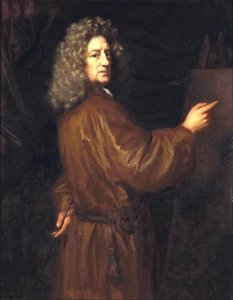
نيكولااس مايس
1634 - 1693 , هولندا
حقائق سريعة
- أعمال بارزة:
- التأمل
- لاعبو الورق
- كاثارين بوتاي
- جيرارد روفير
- صورة سيدة
- الاسم الكامل: نيكولاس مايس
- الجنسية: هولندي
- الحركة الفنية: الباروك، العصر الذهبي الهولندي
- تاريخ الميلاد: يناير 1634
- تاريخ الوفاة: ديسمبر 1693
- فنانون مؤثرون: ['رمبرانت فان راين']
- فنانون متأثرون: ['رسامو النوع الهولندي']
- مكان الميلاد: دوردرخت، هولندا
مقالات ذات صلة
Nicolaes Berchem: Dutch Golden Age Pastoralism & the Evolution of Landscape Painting
Explore the captivating world of Nicolaes Berchem, a leading Dutch Golden Age painter. Discover his idyllic landscapes, masterful technique & lasting influence on art history. Learn more at OriginalUniqueArt.

أفضل 10 روائع العصر الذهبي الهولندي: تحف فنية وجماليات منزلية خالدة | OriginalUniqueArt
اكتشف روائع العصر الذهبي الهولندي! استكشف 10 لوحات خالدة لرامبرانت، فيرمير وغيرهم. فن هولندي باروكي، ألوان آسرة وقصص فنية لا تُنسى. احصل على إعادة إنتاج عالية الجودة وتحف فنية لديكور منزلك مع OriginalUniqueArt.com

Golden Age Reflections: Dutch Baroque Painting & Cultural Innovation
Explore the Dutch Golden Age of painting! Discover key artists like Vermeer & ter Borch, their innovative techniques, and the rich cultural context behind these Baroque masterpieces. Learn about collecting & appreciating this iconic art period.

Mastering Light & Shadow: A Journey Through the Dutch Golden Age's Luminous Legacy
Embark on a cultural journey through the Dutch Golden Age. Explore the masterful interplay of light and shadow in 17th-century masterpieces, from Rembrandt to Vermeer, and discover how this era of profound realism continues to inspire fine art collectors today.

Golden Light & Dutch Skies: The Timeless Magic of Dutch Golden Age Landscapes
Discover the breathtaking beauty of Dutch Golden Age landscapes. Explore the mastery of light, chiaroscuro, and 17th-century realism through an expert art history lens, celebrating the enduring legacy of the Dutch Masters for discerning collectors and art lovers.